
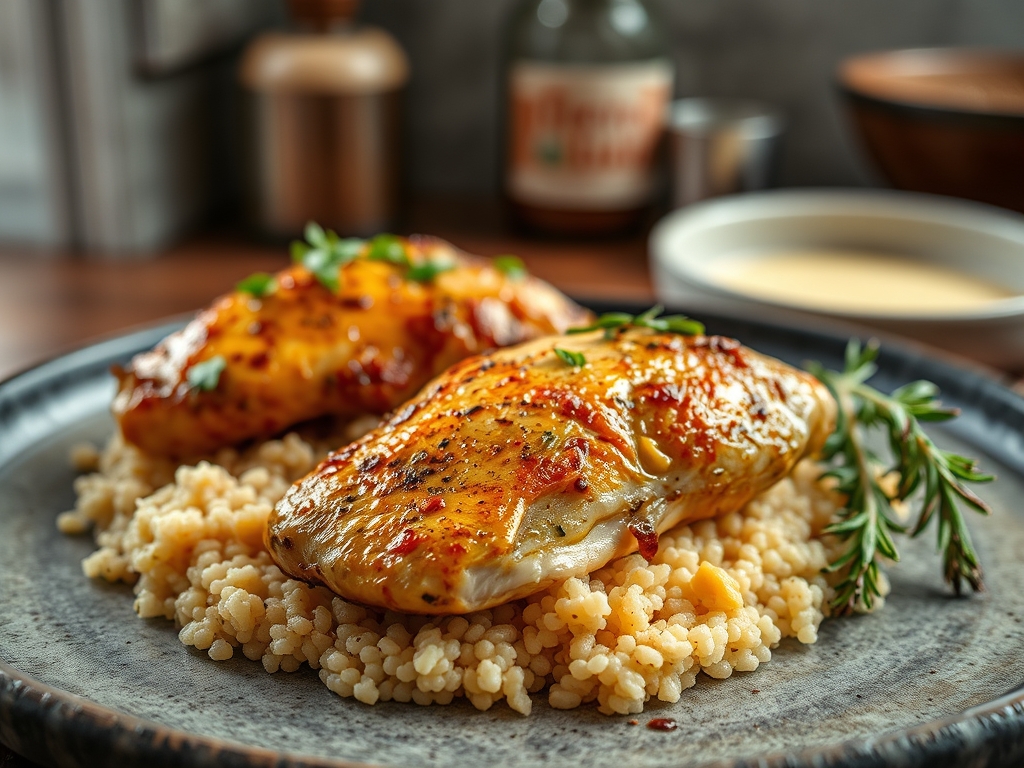
Picture a heavy-bottomed skillet sizzling on the stove. The aroma of searing poultry skin fills the air as the fat begins to render into a golden, liquid gold. When you are craving a meal that feels like a warm hug but looks like a five-star plating, chicken recipes with couscous are your ultimate culinary secret weapon.
This pairing is the epitome of efficiency meeting elegance. While your chicken develops a deep, mahogany crust through the Maillard reaction, those tiny pearls of semolina act like microscopic sponges. They are ready to soak up every drop of piquant pan sauce you can throw at them. Whether you are aiming for a zesty Mediterranean vibe or a rich, spiced Moroccan profile, the versatility of this duo is unmatched. We are moving beyond basic steaming and dry breasts today. We are diving into the molecular magic that makes these nine pairings absolutely sing on your palate.
The Gathers:
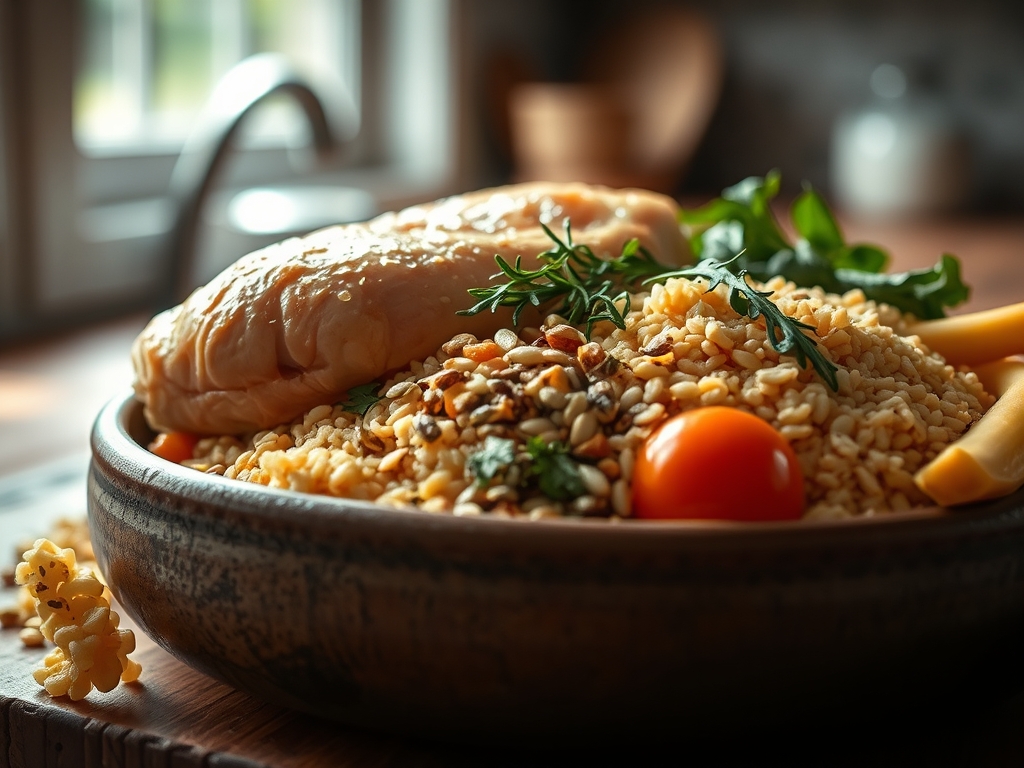
Before we ignite the burners, we must respect the mise-en-place. For world-class chicken recipes with couscous, your ingredient list is a balance of textures and pH levels. Start with high-quality chicken thighs; the higher fat content ensures the meat remains succulent during the high-heat searing process. You will need a digital scale to measure your dry couscous precisely, as the hydration ratio is the difference between fluffy grains and a gummy mass.
Your aromatics should include shallots and garlic, which provide a sulfurous depth once they soften. For the liquid component, use a gelatin-rich bone broth rather than plain water. The collagen in the broth creates a viscous mouthfeel that coats each grain of semolina. Use a microplane to zest fresh lemons; the volatile oils in the zest provide a bright, citrusy lift that cuts through the richness of the rendered chicken fat.
Smart Substitutions: If you are out of traditional Moroccan couscous, Israeli (pearl) couscous offers a delightful, chewy texture that mimics pasta. For a lower glycemic index, swap the semolina for tri-color quinoa. If you find yourself without fresh shallots, use the white parts of scallions to maintain that sharp, piquant bite without overpowering the delicate poultry.
The Clock
Efficiency in the kitchen is all about the Chef's Flow. This is the art of overlapping tasks so that no second is wasted. Total active prep time for these pairings usually clocks in at 15 minutes, with a cook time of 20 minutes. The secret is to use the resting time of the chicken to hydrate your couscous.
While your chicken is under the influence of thermal conduction in the skillet, you should be boiling your broth. By the time the chicken reaches its target internal temperature, your couscous should be off the heat and fluffing. This synchronized finish ensures that the chicken stays juicy while the couscous is served at its thermal peak. Never let your couscous sit for more than five minutes without fluffing, or the starch molecules will bond, creating unwanted clumps.
The Masterclass
1. The Sear and Render
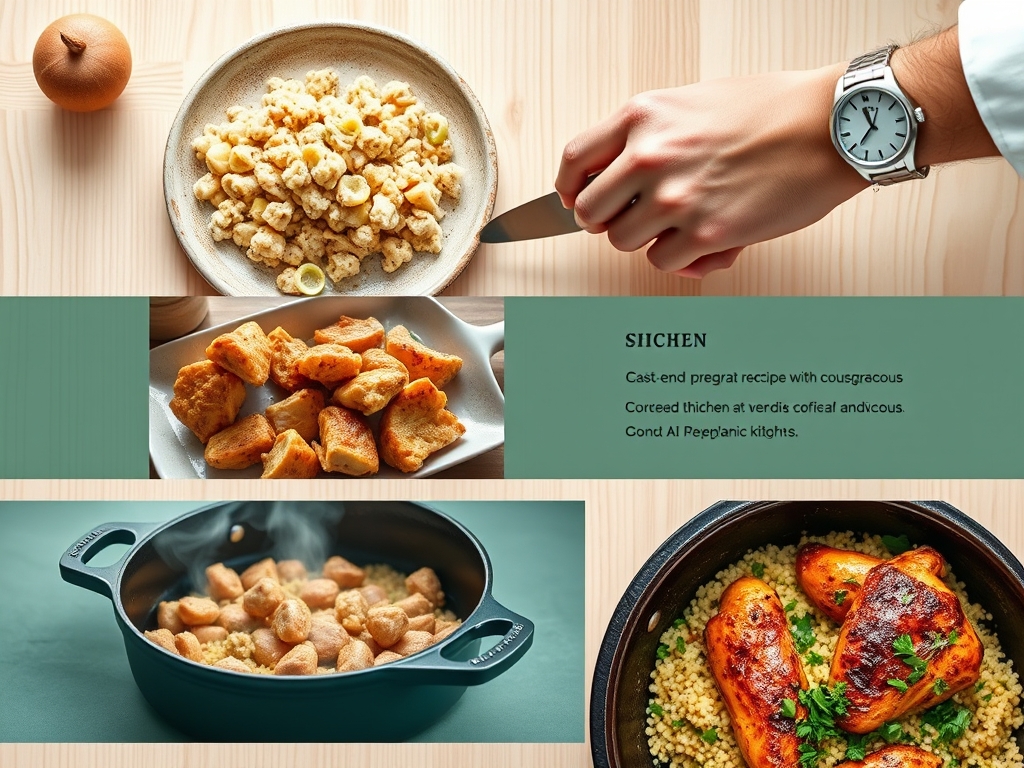
Place your seasoned chicken skin-side down in a cold, heavy-bottomed skillet before turning the heat to medium-high. This allows the fat to render slowly, resulting in a shatteringly crisp skin. Use your tongs to press the meat down for even contact.
Pro Tip: This technique utilizes conductive heat transfer to break down the subcutaneous fat layers. By starting cold, you avoid toughening the protein fibers before the fat has a chance to liquefy and crisp the skin.
2. Deglazing the Fond
Once the chicken is golden and removed from the pan, you will see brown bits stuck to the bottom. This is fond. Pour in a splash of dry white wine or citrus juice and use a wooden spoon to scrape it up.
Pro Tip: Deglazing is a chemical process where the acidity of the liquid dissolves the caramelized proteins and sugars. This creates a concentrated flavor base that will eventually infuse your couscous with incredible depth.
3. Hydrating the Grains
Add your dry couscous directly into the flavored liquid in the skillet. Stir once to ensure every grain is submerged, then cover with a tight-fitting lid and remove from the heat immediately.
Pro Tip: Couscous does not actually "cook" in the traditional sense; it rehydrates through absorption. Keeping the lid sealed prevents steam from escaping, ensuring the starch granules swell evenly without becoming waterlogged.
4. The Final Fluff
After five minutes, remove the lid. Use a fork or a bench scraper to gently rake through the grains. This introduces air and separates the individual pearls.
Pro Tip: This step is known as aeration. By breaking the surface tension between the grains while they are still hot, you prevent the starches from retrograding into a solid, sticky mass as they cool.
The Deep Dive
From a macro perspective, chicken recipes with couscous offer a stellar balance of lean protein and complex carbohydrates. A standard serving provides approximately 35 grams of protein and 45 grams of carbohydrates. To optimize the nutritional profile, always opt for whole-wheat couscous to increase fiber intake and slow down glucose absorption.
Dietary Swaps: For a gluten-free version, cauliflower "couscous" is an excellent mechanical substitute, though it requires a shorter cook time to avoid becoming mushy. For keto enthusiasts, replace the grains with extra sautéed greens or hemp seeds. Vegan guests can enjoy the same flavor profiles by swapping chicken for thick slabs of roasted cauliflower or firm tofu seared in the same aromatic oils.
The Fix-It:
- Mushy Couscous: You used too much liquid. Fix it by spreading the grains on a baking sheet and placing them in a low oven for five minutes to evaporate excess moisture.
- Dry Chicken: You overshot the internal temp. Fix it by slicing the meat thinly and tossing it in a warm, emulsified butter sauce or extra broth.
- Bland Grains: You forgot to season the liquid. Fix it by folding in fresh herbs, a squeeze of lemon, and a pinch of flaky sea salt right before serving.
Meal Prep: To maintain day-one quality, store the chicken and couscous in separate airtight containers. When reheating, add a teaspoon of water to the couscous and cover it with a damp paper towel. This creates a mini-steam chamber in the microwave, preventing the grains from turning into hard pebbles.
The Wrap-Up
Mastering chicken recipes with couscous is your ticket to weeknight victory. It is a dish that respects your time while honoring your taste buds. By understanding the science of the sear and the delicate nature of semolina hydration, you are no longer just following a recipe; you are commanding the kitchen. Now, grab that skillet and let the aromas transform your home into the best bistro in town.
The Kitchen Table
How do I keep couscous from sticking together?
Always add a teaspoon of olive oil or butter to the boiling liquid before adding the grains. After the resting period, use a fork to aggressively aerate the grains, which breaks the starchy bonds and ensures a light, fluffy texture.
Can I cook the chicken and couscous in one pot?
Yes, this is the preferred method for maximum flavor. Sear the chicken first, remove it, and then use the residual fats and fond to flavor the couscous liquid. This creates a cohesive flavor profile across the entire dish.
What is the best liquid-to-couscous ratio?
The golden rule is a 1:1 ratio by volume. For every cup of dry couscous, use exactly one cup of boiling liquid. Using too much liquid results in a porridge-like consistency, while too little leaves the centers crunchy and undercooked.
How long does cooked chicken and couscous last?
When stored in an airtight container in the refrigerator, this meal remains fresh for up to four days. For the best texture, reheat the couscous with a splash of broth to restore its original moisture and suppleness.