
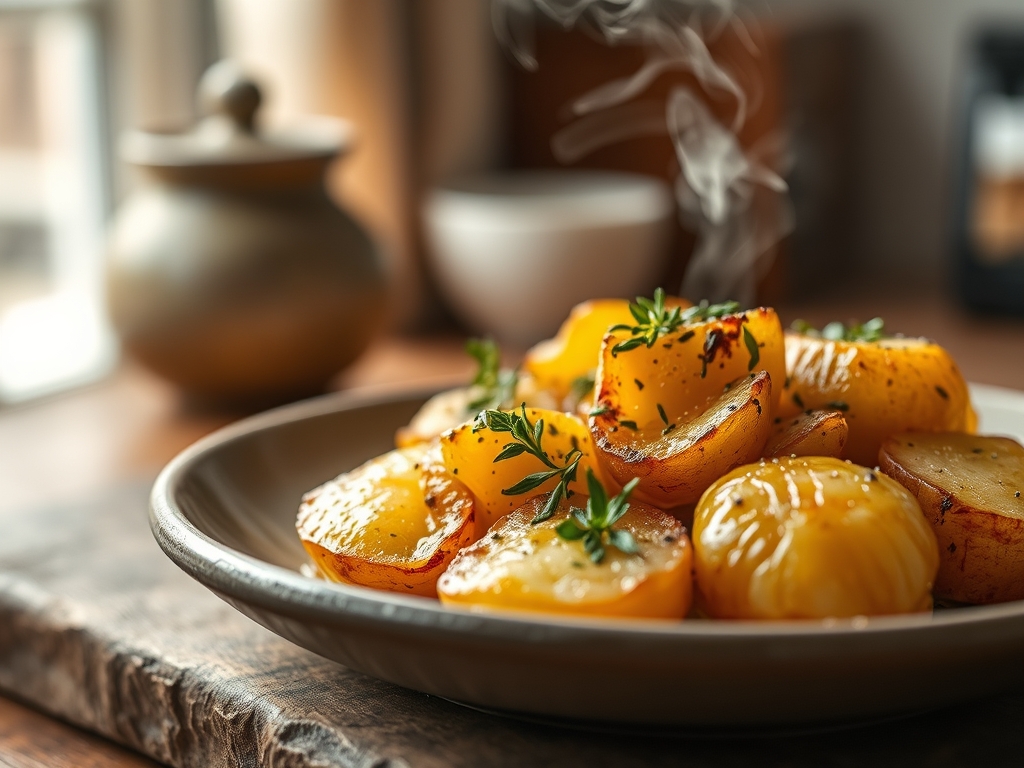
Close your eyes and imagine the perfect bite. It starts with a snap of salt-crusted skin that yields to a center so buttery it practically dissolves on your tongue. We are not talking about mealy russets or oversized bakers. We are diving into the world of creamer potato recipes, where these tiny, thin-skinned gems become the undisputed stars of the dinner table. These are immature potatoes harvested before their starches fully convert to sugar, resulting in a dense, waxy texture that holds its shape under pressure while maintaining a luxurious mouthfeel.
Whether you are hosting a high-stakes dinner party or just trying to survive a Tuesday night, mastering these spuds is your secret weapon. They require zero peeling; their skins are so delicate they actually enhance the flavor profile rather than distracting from it. In this guide, we are going to move past basic boiling and into the realm of professional culinary technique. We will explore how to manipulate heat and moisture to achieve that elusive "glass-like" exterior while keeping the interior as soft as silk. Grab your favorite apron and a glass of something crisp; it is time to turn these humble tubers into a gourmet masterpiece.
The Gathers:
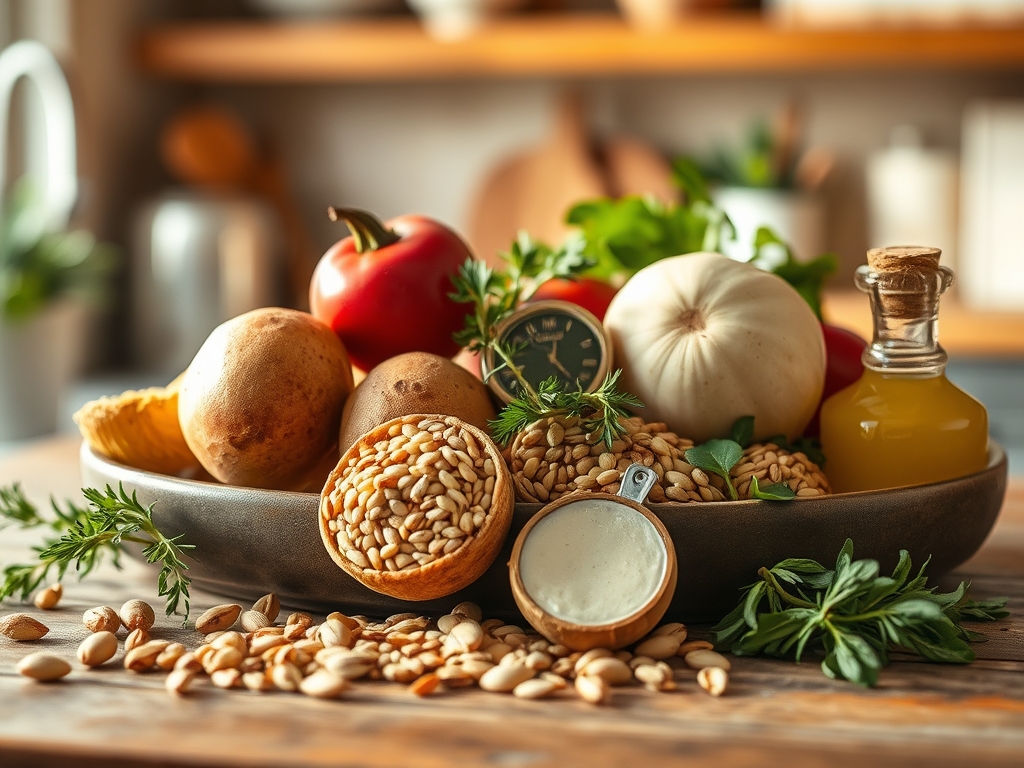
To execute world-class creamer potato recipes, your mise-en-place must be precise. Start with two pounds of premium creamer potatoes. Look for "C-size" tubers, which are typically under one inch in diameter. This uniformity ensures even thermal penetration. You will need a high-quality fat source; I recommend unsalted European-style butter because its lower water content prevents splattering during the Maillard reaction.
For the aromatics, gather fresh rosemary sprigs, four cloves of garlic (keep the skins on for mellowing), and Maldon sea salt for that specific crystalline crunch. If you want to elevate the flavor, have some duck fat or tallow on standby to render alongside the butter.
Smart Substitutions: If you are avoiding dairy, a high-smoke-point avocado oil works beautifully. For a piquant kick, swap the rosemary for fresh thyme and a dusting of smoked paprika. If you cannot find true creamers, "new potatoes" are your best alternative, though you may need to halve them to maintain the surface-area-to-volume ratio required for optimal crisping. Use a digital scale to ensure your potato-to-fat ratio is exactly 10:1 for that perfect confit-style finish.
The Clock:
Efficiency in the kitchen is all about the "Chef's Flow." For most creamer potato recipes, you are looking at a total time of 35 to 45 minutes. Preparation is minimal; five minutes to wash and dry the spuds is all it takes. The active cooking time is where the magic happens.
The first fifteen minutes involve a par-boiling or "cold-start" steaming phase to gelatinize the internal starches. The final twenty minutes are dedicated to the high-heat roasting or pan-searing phase. By staggering your tasks, you can prepare a protein or a bright vinaigrette while the potatoes are in the oven. This ensures everything hits the table at the same time, preventing the potatoes from losing their structural integrity while waiting for the rest of the meal.
The Masterclass:
1. The Cold Start Soak
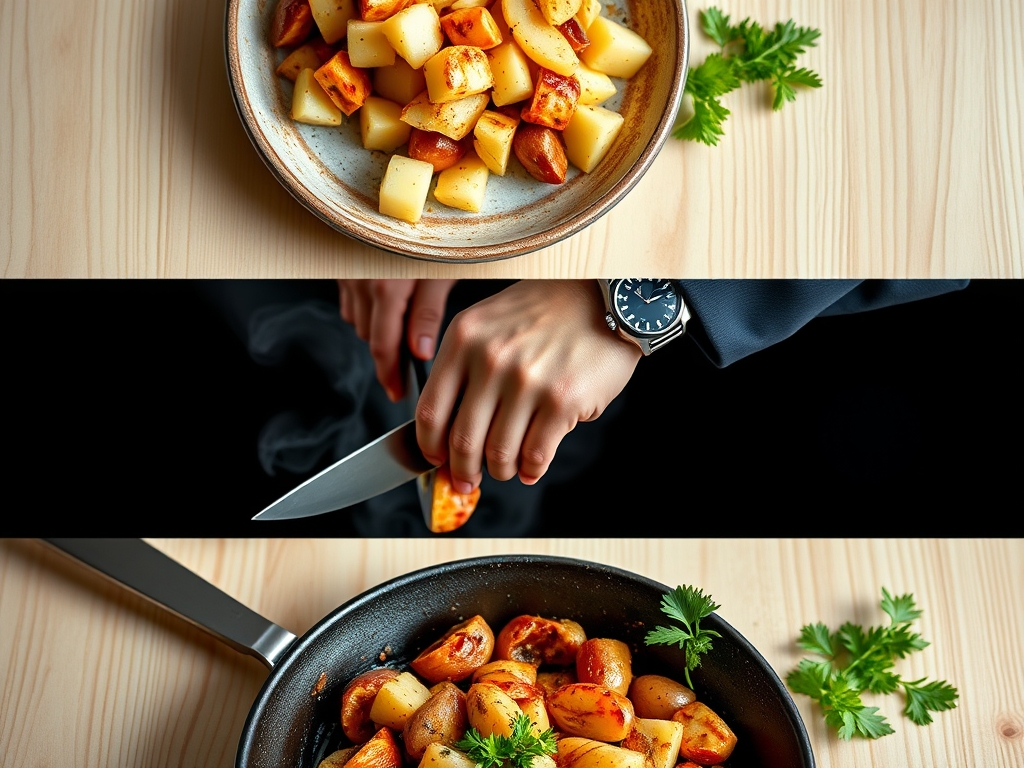
Place your potatoes in a heavy-bottomed skillet or pot and cover them with cold, heavily salted water. Starting with cold water ensures the potato cooks evenly from the outside in, preventing the exterior from turning to mush before the center is tender.
Pro Tip: This stage initiates starch gelatinization. By salting the water early, you season the potato all the way to its core through osmosis, which is impossible to achieve once the starch granules have fully swollen and set.
2. The Steam and Dry
Once the water reaches a boil, reduce to a simmer for 8 minutes. Drain the potatoes using a colander and let them sit for two minutes to "steam dry." This step is vital; any residual surface moisture will turn to steam in the oven, preventing the skin from becoming crispy.
Pro Tip: This utilizes evaporative cooling. Removing surface moisture is the only way to allow the surface temperature to rise above 212 degrees Fahrenheit, which is the threshold required for browning.
3. The Gentle Crush
Use a bench scraper or the bottom of a heavy glass to gently press down on each potato until the skin cracks and the potato flattens slightly. You want to increase the surface area that will make contact with the pan without completely pulverizing the tuber.
Pro Tip: Cracking the skin creates "crannies" for the fat to pool. This increases the surface area for the Maillard reaction, the chemical dance between amino acids and reducing sugars that creates savory, toasted flavors.
4. The Fat Infusion
Heat your saucier or skillet over medium-high heat and add your butter or oil. Once the fat is shimmering, add your aromatics. Let the garlic and herbs infuse the fat for 60 seconds before adding the potatoes.
Pro Tip: This is a lipid-soluble flavor extraction. Many of the aromatic compounds in herbs like rosemary are fat-soluble, meaning the oil acts as a vehicle to carry those flavors deep into the potato flesh.
5. The Golden Sear
Place the potatoes in the hot fat. Do not crowd the pan; use tongs to ensure each potato has its own space. Leave them undisturbed for 5 to 7 minutes to develop a deep, golden crust.
Pro Tip: Resist the urge to toss them immediately. Constant movement prevents the formation of a stable crust. This stage relies on conduction, where direct heat transfer creates a crisp, dehydrated exterior layer.
6. The Final Aerate
Toss the potatoes one last time with a sprinkle of fresh herbs and a zest of lemon using a microplane. This adds a hit of acidity to cut through the richness of the fats.
Pro Tip: Adding fresh herbs at the very end prevents them from burning and becoming bitter. The residual heat provides enough energy to aerate the volatile oils in the herbs without destroying their delicate chemical structure.
The Deep Dive:
When we look at the macro nutrition of creamer potato recipes, these little guys are surprisingly dense in potassium and Vitamin C. Because we keep the skins on, the fiber content remains high, which lowers the overall glycemic index compared to mashed or peeled potatoes.
For Dietary Swaps, the recipe is naturally gluten-free. For a Keto-friendly version, you can apply these same techniques to radishes or cauliflower florets, though the cooking times will decrease significantly. For Vegans, use a high-quality extra virgin olive oil or a vegan butter alternative with a high fat-to-water ratio.
The Fix-It:
- Soggy Potatoes: Usually caused by overcrowding the pan. The moisture released creates a steam tent. Fix: Roast in two batches or use a larger sheet tray.
- Burned Garlic: If your garlic turns black, it becomes acrid. Fix: Add garlic in the last 10 minutes of roasting rather than the beginning.
- Tough Skins: This happens if the potatoes are old. Fix: Add a pinch of baking soda to the boiling water to break down the pectin in the skin.
Meal Prep: To achieve "day-one" quality when reheating, avoid the microwave. The microwave agitates water molecules, making the potato gummy. Instead, use an air fryer or a hot skillet for 5 minutes to re-crisp the exterior while gently warming the center.
The Wrap-Up:
Mastering creamer potato recipes is less about following a rigid formula and more about understanding the relationship between starch and heat. By respecting the drying process and choosing the right fats, you transform a simple root vegetable into a culinary highlight. These potatoes are versatile, elegant, and scientifically designed to be the ultimate comfort food. Now that you have the secrets of the pros, go forth and crisp with confidence; your kitchen is about to smell incredible.
The Kitchen Table:
Why are my creamer potatoes always mushy?
Mushiness usually stems from over-boiling or skipping the "steam dry" phase. Ensure you drain them immediately and let surface moisture evaporate before adding them to a hot, oiled pan to lock in the structural integrity of the starch.
Do I really need to leave the skins on?
Absolutely. The skins on creamer potatoes are paper-thin and contain the majority of the vegetable's nutrients and flavor. They also provide the essential barrier needed to achieve a crispy exterior through the Maillard reaction during roasting.
Can I make these ahead of time for a party?
Yes. You can par-boil and "crush" the potatoes up to 24 hours in advance. Store them in the fridge uncovered to help them dry out further. When guests arrive, simply perform the final high-heat sear for maximum crunch.
What is the best oil for roasting potatoes?
For the best flavor and crispness, use a fat with a high smoke point and rich flavor, such as duck fat, clarified butter (ghee), or avocado oil. These allow for high-temperature roasting without the fat breaking down and becoming bitter.