
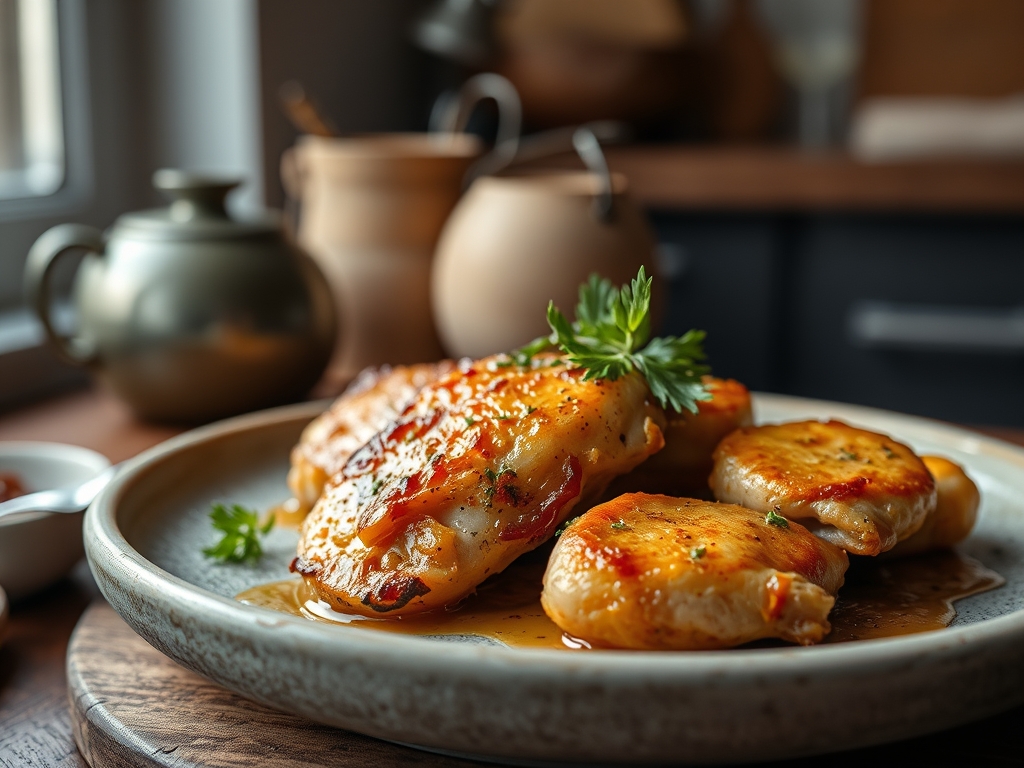
Picture the sizzle of a heavy bottomed skillet meeting cold protein; it is the sound of a perfect Tuesday night. When we talk about chicken recipes healthy easy to execute, we are not just tossing poultry into a pan and hoping for the best. We are engineering flavor through molecular chemistry and efficient kitchen flow. You deserve a dinner that feels like a decadent reward but fuels your body like high octane racing juice. Whether you are craving the piquant kick of a citrus glaze or the comforting depth of a slow roasted thigh, the secret lies in the technique. We are moving beyond the rubbery, uninspired breasts of the past. Today, we are mastering the art of the sear, the science of the marinade, and the magic of the five minute prep. Grab your favorite apron and a glass of something crisp. We are about to transform your weeknight routine into a culinary masterclass that respects your time and your palate.
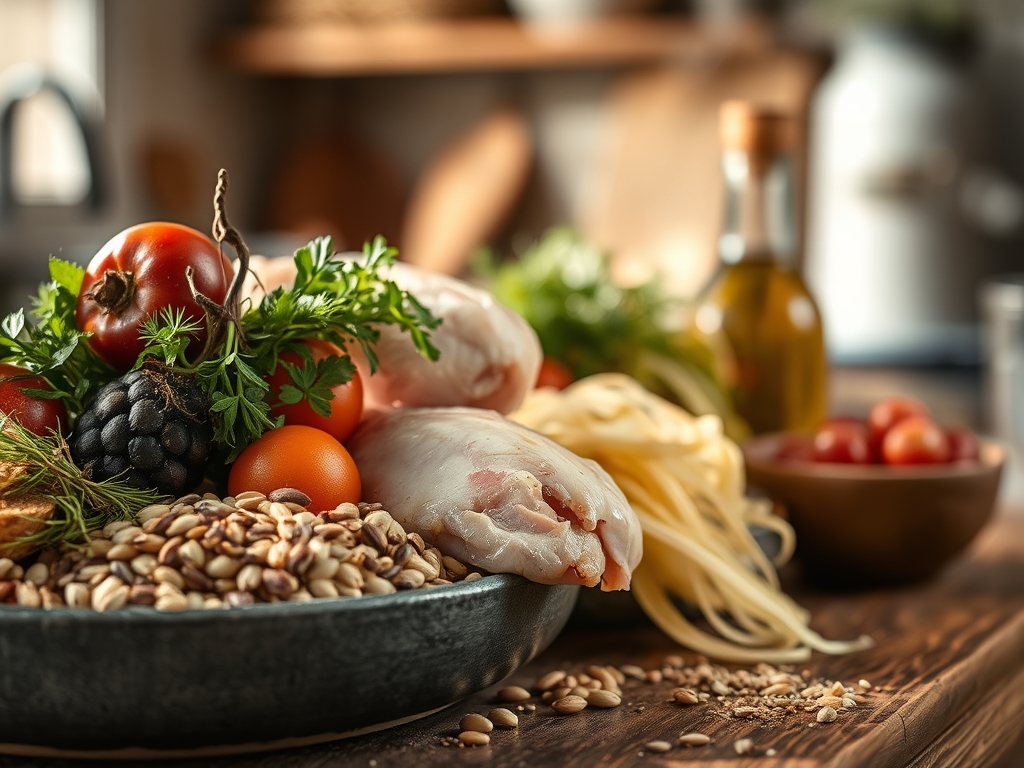
The Gathers:
To achieve excellence, your mise en place must be precise. Start with high quality air chilled chicken; it contains less water than water chilled varieties, which prevents the dreaded "steaming" effect in the pan. You will need a digital scale to ensure consistent portioning and a microplane for extracting essential oils from citrus rinds without the bitter pith. Our flavor profile relies on viscous liquids like raw honey and cold pressed olive oil to create emulsions that cling to the meat.
Smart Substitutions are the hallmark of a savvy cook. If you are watching your sodium, swap traditional soy sauce for liquid aminos or coconut aminos to maintain that savory umami depth. Instead of heavy creams, use Greek yogurt or blended silken tofu to achieve a velvety mouthfeel with a fraction of the saturated fat. For crunch, skip the breadcrumbs and reach for crushed pepitas or almond flour; these provide healthy fats and a nutty complexity that elevates the dish. Always have a bench scraper handy to move your aromatics from the cutting board to the pot without losing a single drop of precious juice.
The Clock
Efficiency in the kitchen is about the Chef's Flow. This is the rhythmic transition from prep to heat that ensures nothing sits idle for too long. For these eight recipes, prep time is capped at fifteen minutes, with cook times ranging from twelve to twenty five minutes. By utilizing a high heat sear followed by a lower heat finish, you maximize the Maillard reaction while preserving internal moisture.
The flow begins with the "Big Chop." While your skillet preheats, you process all vegetables and aromatics. Next is the "Protein Prep," where you pat the chicken dry to remove surface moisture. Finally, the "Active Cook" phase requires your full attention for the first five minutes to develop a crust, followed by a "Passive Finish" where the oven or a lid does the heavy lifting. This structured approach ensures you are sitting at the table in under forty minutes from the moment you tie your apron strings.
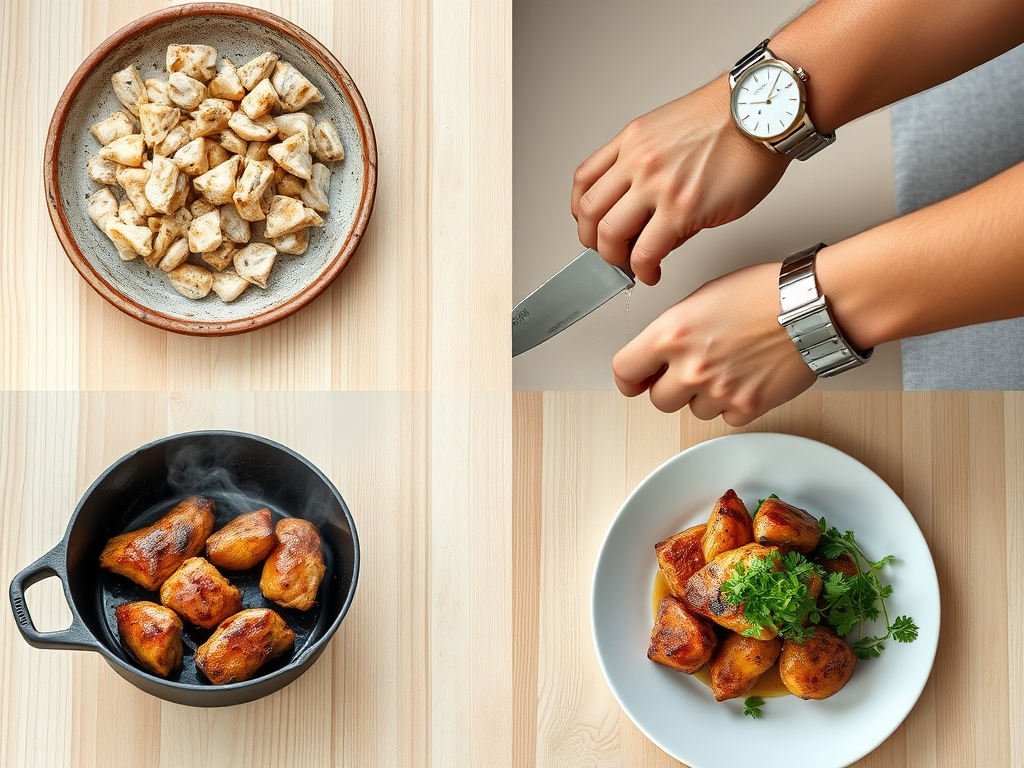
The Masterclass
1. The Perfect Sear
Place your chicken skin side down in a preheated cast iron pan. Do not move it for at least four minutes. Use stainless steel tongs to check for release; if it sticks, the proteins have not finished bonding.
Pro Tip: This is the Maillard reaction. When amino acids and reducing sugars react under heat, they create hundreds of flavor compounds. If you move the meat too early, you tear the fibers and lose that savory crust.
2. Deglazing for Depth
Once the chicken is removed, the pan will be covered in "fond," those brown bits of concentrated flavor. Pour in a splash of dry white wine or chicken stock and use a wooden spoon to scrape the bottom.
Pro Tip: Deglazing uses a solvent to dissolve the caramelized proteins. This creates a pan sauce that is naturally thickened by the gelatin released from the chicken during the initial sear.
3. Aromatics and Infusion
Lower the heat and add your minced garlic, ginger, or shallots. Stir constantly for sixty seconds until they become fragrant but not brown.
Pro Tip: Fat is a flavor carrier. By sautéing aromatics in the residual rendered fat, you infuse the entire dish with fat soluble volatile compounds that water based liquids cannot unlock.
4. The Gentle Braise
Return the chicken to the pan and add your liquid base, such as crushed tomatoes or coconut milk. Cover and simmer on low.
Pro Tip: This stage utilizes conductive heat to break down connective tissues. Keeping the temperature below boiling prevents the muscle fibers from tightening and becoming tough.
5. The Acid Finish
Just before serving, squeeze fresh lemon juice or add a teaspoon of apple cider vinegar over the dish.
Pro Tip: Acid acts as a flavor brightener. It cuts through the richness of the fats and resets the palate, making every bite taste as vibrant as the first.
6. Resting for Retention
Transfer the chicken to a warm plate and let it sit for five minutes before slicing.
Pro Tip: This allows for thermal carryover and moisture redistribution. During cooking, juices move toward the center; resting allows them to migrate back to the edges so they do not spill out on the cutting board.
7. Emulsifying the Sauce
Whisk a cold knob of butter or a spoonful of tahini into your pan sauce until it becomes glossy and opaque.
Pro Tip: This is a cold emulsion. By whisking fat into a hot liquid, you create a stable suspension of droplets that provides a luxurious, tongue coating texture.
8. The Garnish Pop
Top with fresh herbs like cilantro or parsley and a sprinkle of flaky sea salt.
Pro Tip: Fresh herbs contain delicate enzymes that are destroyed by heat. Adding them at the very end preserves their bright green color and piquant aroma.
The Deep Dive
Nutritionally, chicken is a powerhouse. A standard six ounce breast provides roughly 52 grams of protein with minimal fat, making it an ideal canvas for healthy flavors. For those following Keto, focus on skin-on thighs to increase healthy fat ratios. Vegan friends can substitute the chicken with pressed extra firm tofu or tempeh using these exact same flavor profiles. If you are Gluten Free, simply ensure your thickeners are arrowroot powder or cornstarch rather than wheat flour.
"The Fix-It" guide for common pitfalls:
- The Rubber Texture: This happens from overcooking. Fix: Use a digital thermometer and pull the chicken at 160 degrees Fahrenheit; carryover heat will bring it to the safe 165 mark.
- Bland Sauce: This is a lack of salt or acid. Fix: Add a splash of fish sauce for umami or a squeeze of lime.
- Burnt Garlic: Garlic burns faster than other aromatics. Fix: Add it in the last minute of sautéing or nestle it under the chicken to shield it from direct heat.
For meal prep, reheating is a science. Avoid the microwave, which vibrates water molecules and makes meat "rubbery." Instead, reheat in a saucier over low heat with a tablespoon of water or stock. This creates a steam tent that rehydrates the fibers, maintaining that "day one" quality.
The Wrap-Up
Cooking healthy does not mean sacrificing the bold, aggressive flavors we love. By understanding the physics of heat and the chemistry of ingredients, you can turn a simple chicken breast into a gourmet experience. These eight strategies are your toolkit for a faster, smarter, and tastier kitchen. Now, go forth and sear with confidence; your dinner table is waiting for its upgrade.
The Kitchen Table
Why does my chicken always come out dry?
Dry chicken is usually the result of overcooking or skipping the resting phase. Use a digital thermometer to hit 165 degrees Fahrenheit exactly. Resting for five minutes allows juices to redistribute, ensuring a moist and tender texture in every single bite.
Can I use frozen chicken for these recipes?
Yes, but you must thaw it completely in the refrigerator first. Cooking from frozen prevents the Maillard reaction and leads to uneven temperatures. For the best results, pat the thawed meat extremely dry with paper towels to ensure a crisp, golden sear.
What is the healthiest part of the chicken to eat?
The boneless, skinless breast is the leanest option, offering high protein with low calories. However, thighs contain more iron and zinc. If you choose thighs, trim excess visible fat to keep the dish heart healthy while enjoying the extra flavor and moisture.
How do I get the skin crispy without using too much oil?
Start with a cold, dry pan and place the chicken skin side down. As the pan heats up, the fat under the skin will slowly render out. This allows the chicken to fry in its own natural fats, resulting in a shatteringly crisp skin.
Is it safe to wash chicken before cooking?
No, health organizations recommend against washing raw poultry. Rinsing chicken can splash bacteria like Salmonella or Campylobacter onto your counters and sink. High heat during the cooking process is the only effective way to kill harmful bacteria and ensure your meal is safe.