
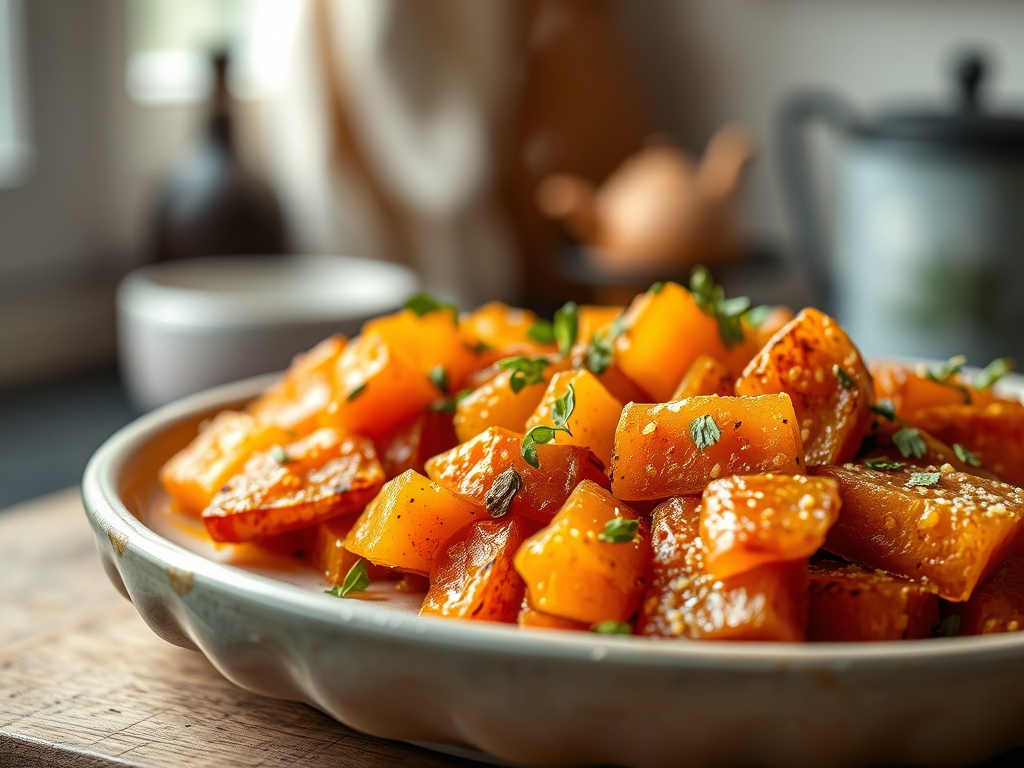
Picture this: you are standing in your kitchen at 6:00 PM, the light is fading, and your energy is plummeting. You need comfort, but you need it at the speed of light. Enter the humble freezer bag. While most people see a frozen bag of orange cubes as a sad side dish, I see a molecular goldmine. These frozen sweet potato recipes are your secret weapon for weeknight victory. We are talking about pre-blanched, flash-frozen gems that have already undergone the initial cell-wall breakdown. This means they are primed for rapid caramelization and silky textures that raw tubers simply cannot achieve in under twenty minutes.
The magic lies in the convenience of bypass-prep. When you skip the peeling and chopping, you gain the mental bandwidth to focus on the chemistry of flavor. We are going to transform these icy chunks into everything from velvety gnocchi to crispy, spiced medallions. By the time we are done, you will treat your freezer like a high-end pantry. Let's dive into the science of the spud and turn that frost into fire.
The Gathers:
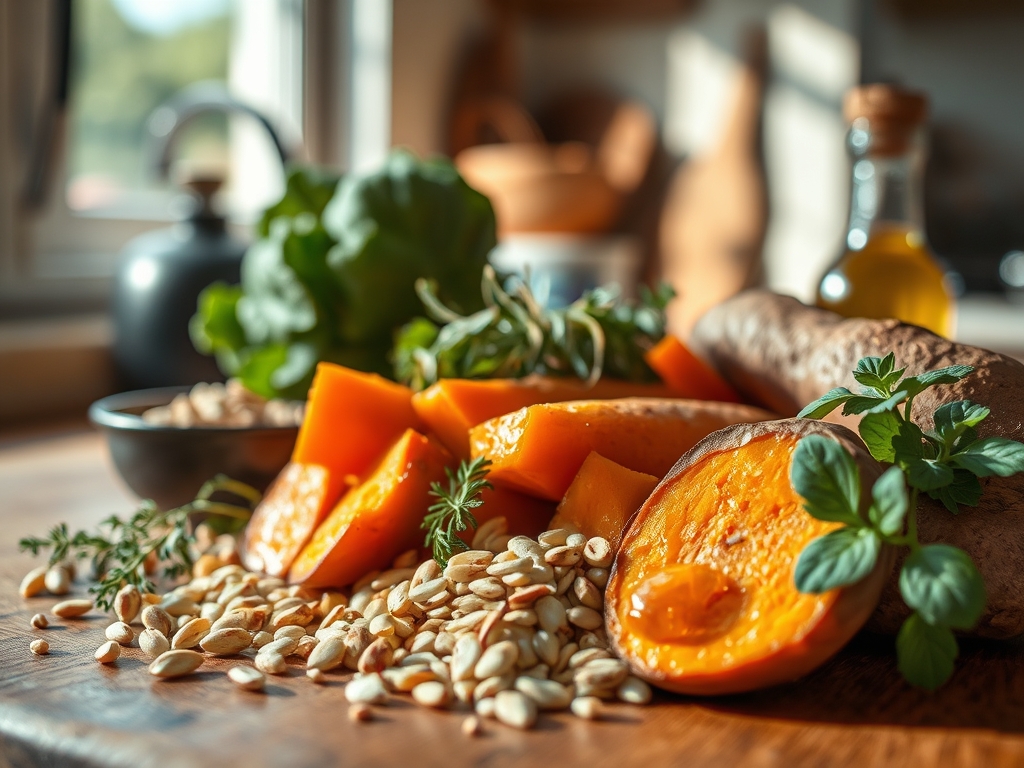
To execute these hacks, your mise-en-place must be precise. Gather your frozen sweet potato cubes or fries; look for brands that list only "sweet potato" to avoid unwanted gums or stabilizers. You will need a high-smoke-point fat like avocado oil or clarified butter to facilitate the Maillard reaction without acrid scorching. For aromatics, keep fresh rosemary, smoked paprika, and Maldon sea salt within reach.
Smart Substitutions: If you are out of fresh garlic, use a high-quality garlic oil to prevent the bitter burn of dehydrated powder. If you need a vegan binder for the more structured hacks, a "flax egg" provides the necessary mucilage to mimic protein structures. Always keep a microplane nearby; zesting citrus or grating fresh nutmeg over these recipes provides a piquant counterpoint to the tuber's natural sugars.
The Clock:
The "Chef's Flow" for frozen sweet potato recipes is all about thermal management. Total active prep time is a mere 5 minutes, with cook times ranging from 8 to 15 minutes depending on the method. We utilize high-heat intervals to bypass the "soggy phase" caused by ice crystal sublimation. By using a preheated heavy-bottomed skillet or a 425-degree oven, you ensure that moisture evaporates instantly, allowing the exterior to crisp while the interior remains viscous and creamy.
The Masterclass:
1. The Flash-Sear Medallions
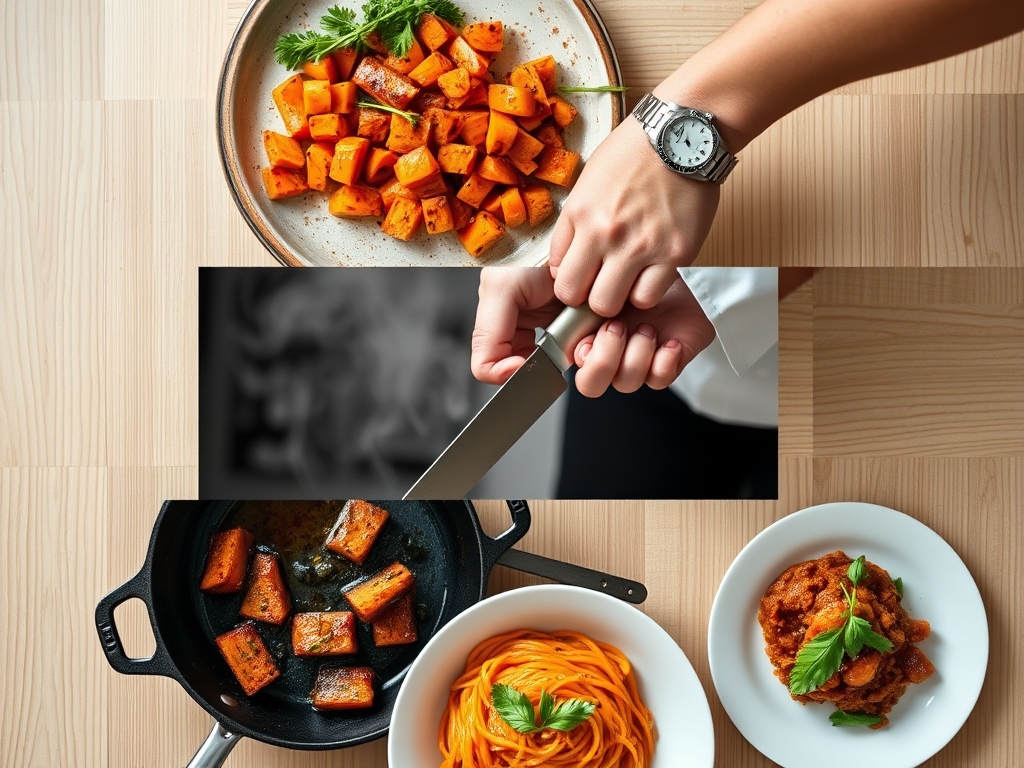
Toss your frozen cubes directly into a screaming hot heavy-bottomed skillet with a tablespoon of ghee. Do not overcrowd the pan, or you will create a steam chamber rather than a sear. Flip only once the edges show a deep amber hue.
Pro Tip: This relies on thermal carryover. If you pull the potatoes when they look "perfect," they will overcook on the plate. Remove them when they are 90% done; the internal residual heat will finish the softening process without collapsing the structure.
2. The Five-Minute Veloute
Boil frozen cubes in a saucier with just enough bone broth to cover them. Once soft, use an immersion blender to aerate the mixture with a splash of heavy cream and a pinch of cumin.
Pro Tip: Frozen potatoes are often blanched, which degrades the pectin. This makes them blend into a smoother, more viscous liquid than raw potatoes, which can sometimes turn gluey if over-processed.
3. The Air-Fryer "Glass" Fries
Coat frozen sweet potato fries in a light dusting of cornstarch and smoked paprika. Air fry at 400 degrees for 12 minutes, shaking the basket halfway through.
Pro Tip: The cornstarch acts as a secondary moisture barrier. It absorbs the escaping steam from the frozen center, creating a "glass-like" crunch through dextrinization, the process of breaking down starches into sweeter, crispier compounds.
4. Sweet Potato "Toast" Rounds
Place thick-cut frozen slices directly into a wide-slot toaster or under a broiler. Top with smashed avocado and a squeeze of lime.
Pro Tip: High-intensity radiant heat prevents the center from becoming mushy. This is a form of surface dehydration that creates a structural crust capable of holding heavy toppings.
5. The Sheet-Pan Smash
Roast frozen cubes until thawed, then use a bench scraper or the bottom of a glass to smash them flat. Drizzle with olive oil and return to a high-heat oven until the jagged edges turn dark brown.
Pro Tip: Smashing increases the surface area to volume ratio. More surface area means more room for the Maillard reaction, creating those savory, toasted flavor profiles we crave.
6. The Quick-Fix Gnocchi
Microwave frozen cubes until steaming, mash them thoroughly, and fold in flour and an egg yolk until a dough forms. Roll, cut, and boil.
Pro Tip: Use a digital scale to measure your flour. Frozen potatoes hold more moisture than roasted ones; if you guess the flour amount, you risk a gummy dough. Aim for a 3:1 potato-to-flour ratio by weight.
7. The Breakfast Hash Infusion
Sauté diced onions and peppers, then add frozen sweet potato chunks. Use a wooden spoon to deglaze the pan with a splash of apple cider vinegar once the potatoes stick.
Pro Tip: The acidity in the vinegar balances the high sugar content of the sweet potato. It also helps set the exterior starches, preventing the hash from turning into a mash.
8. Spiced Smoothie Booster
Drop three or four frozen cubes into your morning smoothie. They act as an ice replacement while adding fiber and vitamins.
Pro Tip: This is a "cold-infusion" of nutrients. Because the potatoes were blanched before freezing, the starches are already partially gelatinized, making them easier for your gut to process than raw potato.
9. The Hasselback Cheat
Take larger frozen wedges and use a sharp knife to score thin slits along the back. Stuff with sage leaves and butter before roasting.
Pro Tip: The slits allow heat to penetrate the frozen core faster. This prevents the "frozen center, burnt exterior" syndrome common when cooking dense, frozen root vegetables.
The Deep Dive:
When we look at the macro nutrition, sweet potatoes are a powerhouse of complex carbohydrates and Beta-carotene. A single serving provides over 100% of your daily Vitamin A. For those with dietary restrictions, these hacks are incredibly versatile. Vegan swaps are easy; use coconut oil or nut butters for richness. For Keto followers, keep portions small and pair with high-protein fats to blunt the glycemic response. All these hacks are naturally Gluten-Free unless you are making the gnocchi, in which case a 1-to-1 GF flour blend works beautifully.
The Fix-It:
- Soggy Texture: This happens when the pan temperature drops. Fix: Cook in smaller batches and ensure the fat is shimmering before adding the potatoes.
- Burnt Outside, Raw Inside: This is caused by heat that is too high. Fix: Lower the heat slightly and cover the pan for two minutes to allow steam to cook the center, then uncover to crisp.
- Bland Flavor: Sweet potatoes need salt and acid. Fix: Finish with a squeeze of lemon or a splash of balsamic glaze to brighten the earthy notes.
For Meal Prep, reheating is a science. Avoid the microwave for leftovers, as it makes the cell walls collapse and turn soggy. Instead, use a toaster oven or a dry skillet to render out any remaining moisture and restore the crunch.
The Wrap-Up:
There you have it; nine ways to turn a frozen bag of spuds into a culinary masterpiece. By understanding the physics of heat and the chemistry of starch, you have moved beyond basic cooking and into the realm of kitchen artistry. These frozen sweet potato recipes prove that "fast food" can be nutrient-dense, sophisticated, and incredibly satisfying. Now, grab those tongs, fire up your stove, and show that freezer bag who is boss.
The Kitchen Table:
Can I cook frozen sweet potatoes without thawing?
Yes, and you should. Cooking from frozen preserves the structural integrity of the potato. Thawing causes the ice crystals to melt into water, which often results in a mushy, waterlogged texture that ruins the sear.
Why are my frozen sweet potatoes turning brown?
This is likely enzymatic browning or over-caramelization. If it happens during storage, the seal was poor. If it happens during cooking, the natural sugars are burning. Lower your heat and use a fat with a higher smoke point.
Are frozen sweet potatoes as healthy as fresh?
Absolutely. They are flash-frozen at peak ripeness, which locks in vitamins. In some cases, the blanching process actually makes the antioxidants more bioavailable for your body to absorb compared to raw tubers.
How do I make frozen sweet potatoes crispy?
The secret is high heat and space. Use a preheated baking sheet or skillet and avoid crowding. Adding a light coating of starch, like arrowroot or cornstarch, creates an extra-crunchy exterior layer through moisture absorption.