
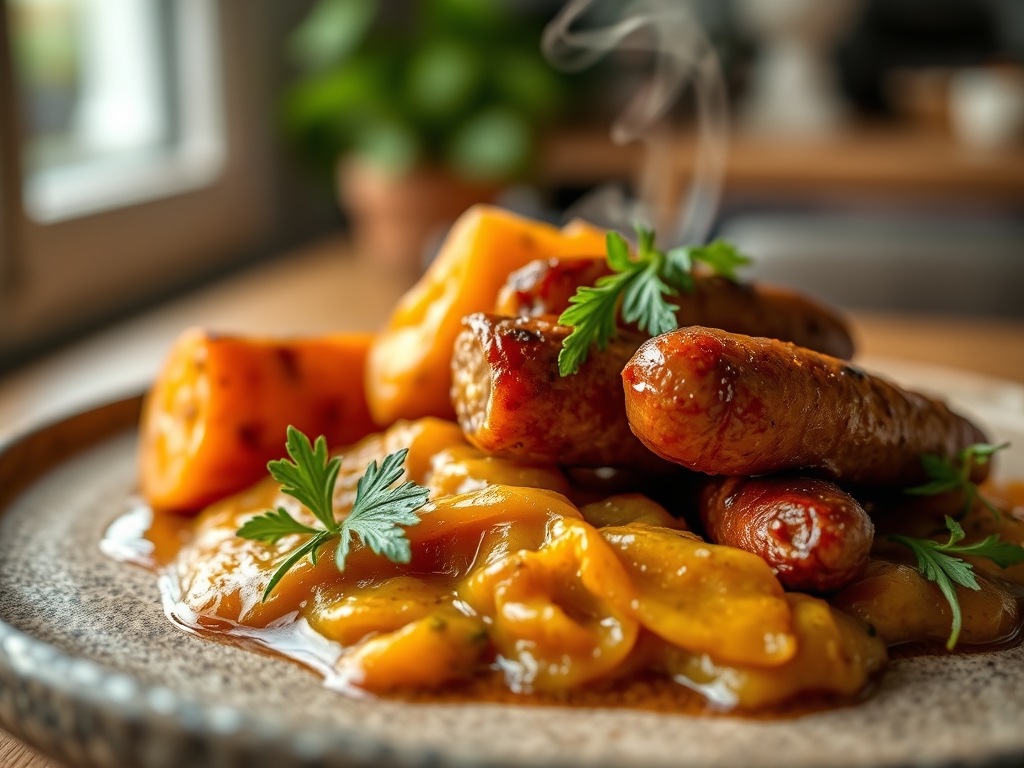
Picture the scene: your kitchen is filled with the piquant aroma of sizzling fennel and caramelized sugars. There is a specific, primal joy in watching a heavy-bottomed skillet transform humble roots and cured meats into a masterpiece. If you are hunting for the ultimate sausage and sweet potato recipes, you have officially arrived at the intersection of comfort and culinary science.
The magic here lies in the contrast. You have the savory, salt-forward profile of the protein clashing beautifully with the earthy, beta-carotene-rich sweetness of the tubers. It is a textural playground where crispy edges meet velvety centers. We are not just tossing things in a pan and hoping for the best; we are orchestrating a series of chemical reactions to ensure every bite is a perfect balance of fat, acid, and heat. This is the kind of meal that feels like a warm hug but tastes like it came out of a professional bistro. Grab your favorite apron and a glass of something crisp; we are about to elevate your weeknight dinner game into a masterclass of flavor.
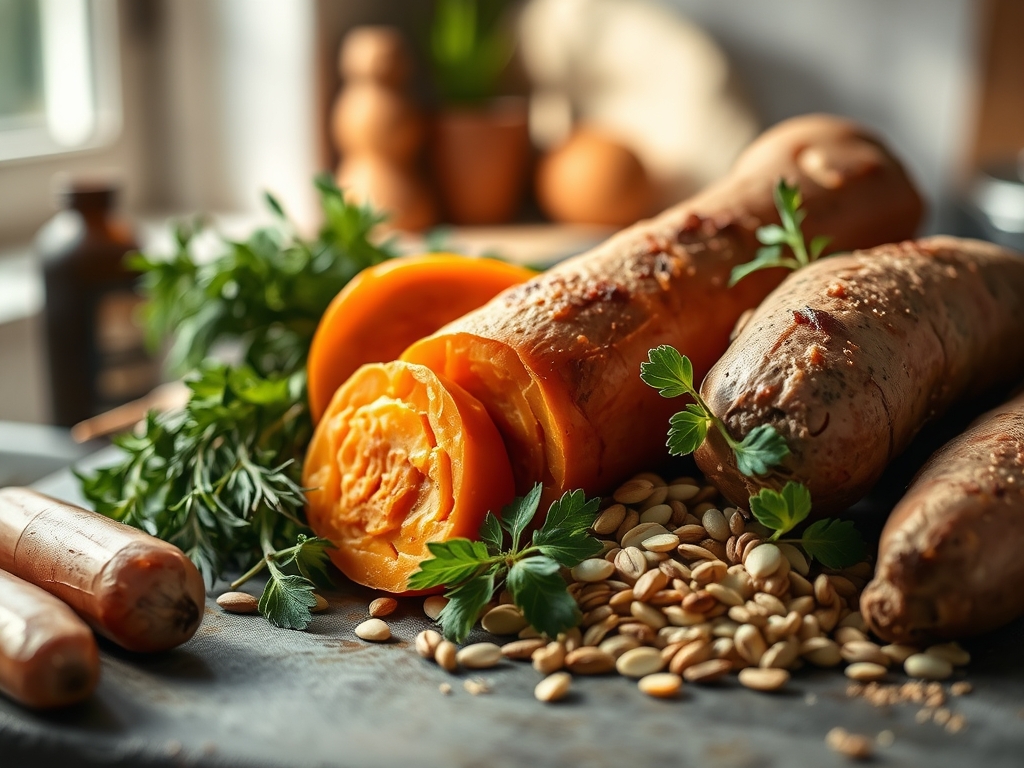
The Gathers:
Before we ignite the burner, we must assemble our mise-en-place. Precision is the silent partner of flavor. You will need a digital scale to ensure your ratios are exact, as the starch-to-fat balance determines the final mouthfeel.
- The Protein: 1 pound of high-quality sausage. Whether you choose a piquant Italian link, a smoky Andouille, or a lean turkey variety, ensure it has enough fat content to render. The fat is our primary cooking medium and flavor carrier.
- The Tubers: 2 large sweet potatoes, cubed into uniform half-inch pieces. Uniformity is not just for aesthetics; it ensures a consistent rate of heat penetration.
- The Aromatics: One large shallot and four cloves of garlic. Shallots provide a more delicate, less sulfuric bite than standard onions.
- The Greenery: 4 cups of lacinato kale or baby spinach. These provide a bitter counterpoint to the sweetness.
- The Acid: Apple cider vinegar or a squeeze of fresh lemon to deglaze the pan and brighten the heavy fats.
- The Fat: High-smoke-point avocado oil or clarified butter (ghee) to facilitate the Maillard reaction without scorching.
Smart Substitutions: If you are leaning into a plant-based evening, high-protein soy crumbles or smoked tempeh work beautifully. For the potatoes, butternut squash offers a similar glycemic profile but a slightly more viscous texture when roasted. If you lack a microplane for your garlic, a pinch of kosher salt and the flat side of a chef's knife can create a fine paste to ensure even distribution.
The Clock
Efficiency in the kitchen is all about the Chef's Flow. This entire process takes approximately 35 minutes from the first chop to the final plate. Spend the first 10 minutes on prep; use a sharp bench scraper to move your diced potatoes and aromatics efficiently. The cooking phase takes 20 to 25 minutes. We prioritize the potatoes first because they require the longest duration for starch gelatinization. While the potatoes soften and brown, you can handle the secondary tasks like de-stemming greens or whisking a quick sauce. This overlapping workflow ensures that no ingredient sits long enough to lose its structural integrity or thermal energy.
The Masterclass
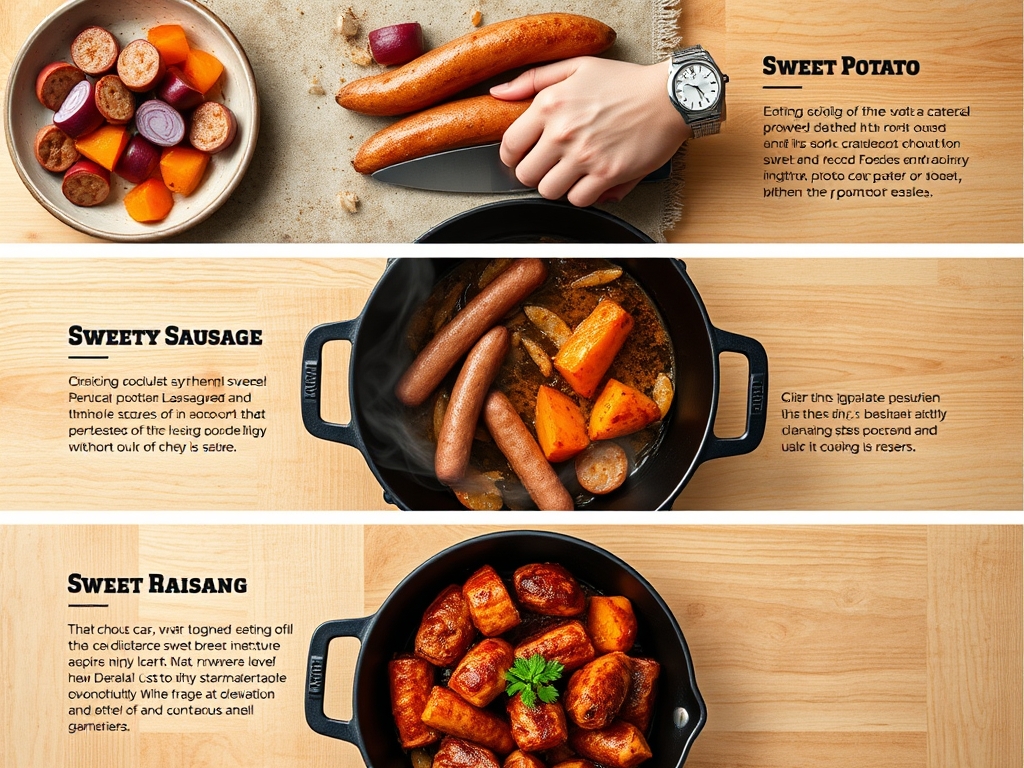
1. The Rendering Phase
Place your heavy-bottomed skillet over medium-high heat. Add your sausage, using a sturdy wooden spoon or meat masher to break it into small, uniform crumbles. Cook until the exterior is browned and the fat has begun to render into a shimmering liquid.
Pro Tip: This is the Maillard reaction in action. By browning the meat, you are creating hundreds of new flavor compounds. Do not crowd the pan; excess moisture will cause the meat to steam rather than sear, resulting in a grey, rubbery texture.
2. The Tuber Foundation
Remove the browned sausage with a slotted spoon, leaving the rendered fat in the pan. Toss in your cubed sweet potatoes. Stir to coat them in the flavorful lipids. Spread them in a single layer and let them sit undisturbed for 3 to 4 minutes.
Pro Tip: This undisturbed contact facilitates enzymatic browning. The heat breaks down the complex starches into simple sugars, which then caramelize. If you stir too often, you interrupt the heat transfer required for that golden-brown crust.
3. The Aromatic Infusion
Once the potatoes are tender and browned, create a well in the center of the pan. Add your shallots and garlic. Sauté for 60 seconds until they become translucent and fragrant.
Pro Tip: Garlic contains allicin, which is released when the cell walls are ruptured. Adding it too early leads to bitterness because garlic has a low burn point. Adding it now allows the flavor to infuse the oil without carbonizing the delicate sugars.
4. The Deglaze and Wilt
Return the sausage to the pan and add your greens. Pour in two tablespoons of apple cider vinegar or chicken stock. Use your spatula to scrape up the brown bits (the fond) stuck to the bottom of the skillet.
Pro Tip: Deglazing is a chemical extraction process. The acid or liquid dissolves the concentrated protein and sugar molecules on the pan surface, creating a light, built-in sauce that coats every ingredient.
5. The Final Seasoning
Turn off the heat. Use a microplane to zest a bit of lemon over the top and finish with a sprinkle of flaky sea salt and cracked black pepper.
Pro Tip: We season at the end to account for thermal carryover. As the dish rests, the residual heat continues to soften the greens. Seasoning last ensures the salt enhances the final, concentrated flavors rather than drawing out too much moisture during the cook.
The Deep Dive
When we look at the macro nutrition of sausage and sweet potato recipes, we see a powerhouse of sustained energy. A standard serving offers a robust balance of complex carbohydrates, high-quality proteins, and healthy fats. Sweet potatoes are a stellar source of Vitamin A and fiber, which helps regulate blood sugar spikes.
Dietary Swaps:
- Keto: Swap the sweet potatoes for cauliflower florets or radishes. Radishes lose their peppery bite and become remarkably potato-like when pan-seared.
- Vegan: Utilize a "beyond" style sausage and replace the honey or sugar-based glazes with maple syrup or a dash of liquid smoke.
- GF: This recipe is naturally gluten-free, but always verify your sausage casing and fillers, as some commercial brands use breadcrumbs as a binder.
The Fix-It:
- Problem: Soggy potatoes. Fix: You likely crowded the pan. Next time, cook in batches or use a larger skillet to allow steam to escape.
- Problem: Burned garlic. Fix: If the pan is too hot, remove it from the burner for 30 seconds before adding aromatics to drop the surface temperature.
- Problem: Dry meat. Fix: Add a splash of bone broth at the end to re-emulsify the fats and create a more viscous coating.
Meal Prep Science: To maintain "day-one" quality, store your leftovers in airtight glass containers. When reheating, avoid the microwave if possible. A quick toss in a hot pan with a teaspoon of water will aerate the dish and crisp up the fats without making the potatoes mushy.
The Wrap-Up
There you have it; a weeknight staple transformed into a culinary triumph through the power of basic chemistry and the right tools. These sausage and sweet potato recipes are more than just a meal; they are a testament to how simple ingredients can shine when treated with technical respect. You have mastered the sear, the deglaze, and the perfect aromatic timing. Now, all that is left is to serve it up, maybe with a fried egg on top for extra richness, and enjoy the fruits of your labor. Go forth and cook with confidence!
The Kitchen Table
Can I use frozen sweet potatoes for this skillet?
Yes, but you must thaw and pat them completely dry first. Excess moisture prevents the Maillard reaction, leading to steaming rather than searing. For the best texture, increase the initial pan heat to compensate for the softened cell structures.
What is the best sausage for this recipe?
Spicy Italian or Andouille sausages are favorites because their bold spice profiles balance the sweetness of the potatoes. If using a leaner meat like chicken sausage, add an extra tablespoon of healthy oil to ensure proper heat conduction.
How do I prevent the kale from becoming bitter?
The bitterness in kale is often neutralized by salt and acid. Ensure you deglaze with vinegar and season properly. Removing the tough center ribs before chopping also significantly improves the texture and flavor profile of the greens.
How long do leftovers stay fresh in the fridge?
When stored in an airtight container, this dish maintains its integrity for up to four days. The flavors actually deepen over time as the spices from the sausage continue to infuse into the sweet potatoes during the cooling process.