
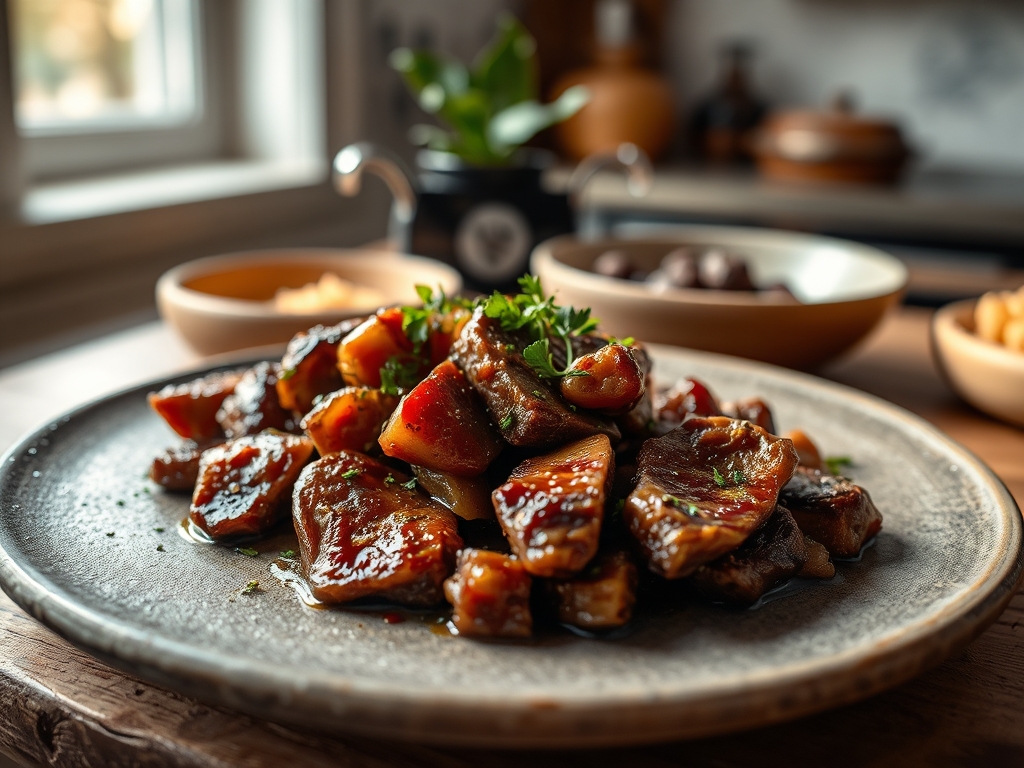
Imagine the sharp, floral sting of freshly cracked peppercorns meeting the heavy, iron-rich scent of searing flank steak. It is a kitchen alchemy that turns a Tuesday night into a high-end bistro experience. Finding the perfect black pepper beef recipes is not just about heat; it is about balancing the piquant bite of Piper nigrum against the deep, savory umami of a well-rendered glaze.
The secret to a truly transformative stir fry lies in the friction between the spice and the protein. When you master these black pepper beef recipes, you are learning to control the Maillard reaction while managing the volatile oils of the spice. We are going for that specific, glossy sheen that clings to the meat without feeling greasy. It is sophisticated, bold, and surprisingly easy once you understand the molecular dance happening in your heavy-bottomed skillet.
Whether you are craving a classic Cantonese style stir fry or a modern, butter-basted fusion, the foundation remains the same. We are looking for high-heat caramelization and a sauce that achieves perfect viscosity. Grab your apron and your favorite chef's knife; we are about to turn up the heat and dive into the science of the sear.
The Gathers:
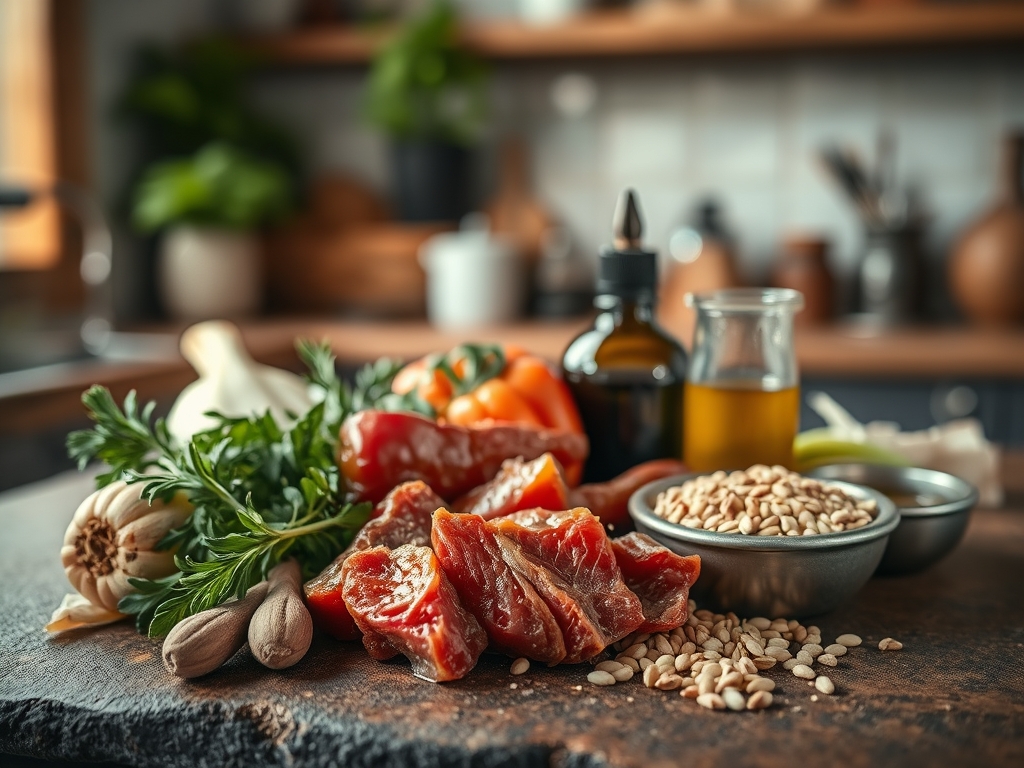
To execute these black pepper beef recipes with precision, your mise-en-place must be impeccable. Start with your protein. I recommend flank steak, skirt steak, or ribeye for their high fat-to-fiber ratio. You will need a digital scale to ensure your ratios are exact. For the aromatics, gather fresh garlic, ginger, and scallions. The star, however, is the peppercorn. Do not use the pre-ground dust from a tin. You need whole Tellicherry peppercorns that you will crack yourself to release the piperine and essential oils.
The liquid base requires a high-quality oyster sauce, dark soy sauce for color, and Shaoxing wine to deglaze the pan. You will also need a neutral oil with a high smoke point, such as grapeseed or avocado oil, to handle the intense heat required for a proper sear.
Smart Substitutions:
If you are avoiding gluten, swap the soy sauce for liquid aminos or tamari. For those who find black pepper too aggressive, a 50/50 split with white pepper offers a more nuanced, earthy heat. If you cannot find Shaoxing wine, a dry sherry provides a similar acidic profile to cut through the richness of the beef.
The Clock
Efficiency in the kitchen is about the Chef's Flow, the art of overlapping tasks to minimize downtime. For most black pepper beef recipes, the active prep time is approximately 20 minutes, while the cooking time is a lightning-fast 6 to 8 minutes.
The "Flow" begins with the marinade. Beef needs at least 15 minutes to undergo velveting, a technique using cornstarch and alkaline agents to tenderize the fibers. While the beef rests, use your bench scraper to organize your chopped aromatics. The goal is to have every ingredient within arm's reach before the first drop of oil hits the pan. Because stir-frying is a high-kinetic activity, you cannot stop to chop once the heat is on.
The Masterclass
1. The Precision Cut
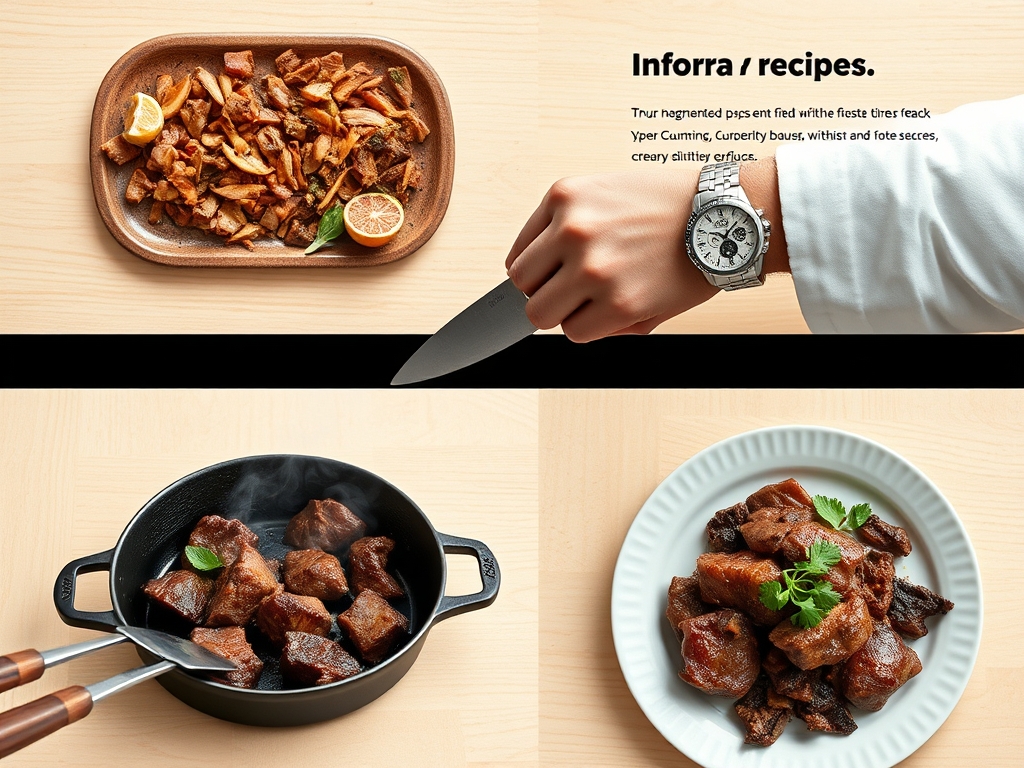
Slicing the beef against the grain is non-negotiable. By cutting perpendicular to the muscle fibers, you shorten them, ensuring the meat is tender rather than chewy. Use a sharp honed chef's knife to create uniform 1/4-inch strips.
Pro Tip: Place your beef in the freezer for 15 minutes before slicing. This firms up the lipids, allowing for much cleaner, more surgical cuts that ensure even cooking.
2. The Velveting Process
In a stainless steel bowl, toss the beef with cornstarch, a splash of soy sauce, and a pinch of baking soda. This creates a protective alkaline barrier that prevents the proteins from tightening and squeezing out moisture during the sear.
Pro Tip: This is known as enzymatic tenderization. The baking soda raises the pH level on the meat's surface, making it difficult for the proteins to bond tightly, resulting in a "silky" texture.
3. Cracking the Spice
Use a mortar and pestle or a dedicated spice grinder to crack your peppercorns into a coarse meal. You want varying textures, from fine powder to larger, crunchy fragments that provide bursts of heat.
Pro Tip: To maximize the infusion, toast the whole peppercorns in a dry pan for two minutes before grinding. Heat activates the volatile oils, making the spice more aromatic and less bitter.
4. The High-Heat Sear
Heat your heavy-bottomed skillet or wok until a drop of water flicked onto the surface dances and evaporates instantly. Add the oil and then the beef in a single layer. Do not crowd the pan; work in batches if necessary.
Pro Tip: Avoid the urge to stir immediately. Letting the meat sit for 60 seconds facilitates the Maillard reaction, creating a complex crust of sugars and amino acids that provides deep flavor.
5. Aerating the Aromatics
Push the beef to the edges and drop your garlic, ginger, and the white parts of the scallions into the center. Use tongs to toss them quickly until they become fragrant, usually about 30 seconds.
Pro Tip: This step is about flash-frying. The high heat allows the aromatics to release their flavor into the oil, which then coats every other ingredient in the pan.
6. The Sauce Emulsification
Pour in your pre-mixed sauce (oyster sauce, soy, wine, and sugar). As the liquid hits the hot pan, it will bubble vigorously. Use a saucier whisking motion or a quick toss to coat the beef.
Pro Tip: The cornstarch from the velveting process acts as a thickener here. As the liquid reduces, the starch granules swell and trap moisture, creating a viscous glaze that clings to the meat.
7. The Final Tempering
Turn off the heat and toss in the green parts of the scallions and an extra dusting of fresh black pepper. The residual heat is enough to wilt the greens without turning them to mush.
Pro Tip: This utilizes thermal carryover. The internal temperature of the beef will continue to rise by a few degrees even after leaving the heat, ensuring it reaches the perfect medium-rare to medium finish.
8. The Rest and Plate
Transfer the beef to a warm platter immediately. Let it rest for two minutes before serving. This allows the juices to redistribute through the muscle fibers rather than pooling on the plate.
Pro Tip: Resting is a thermodynamic necessity. It allows the capillary action within the meat to pull the flavorful sauce into the center of each slice.
The Deep Dive
From a nutritional standpoint, black pepper beef recipes are a powerhouse of protein and essential minerals like zinc and B12. A standard serving contains roughly 350 calories with 30 grams of protein. To keep it Keto-friendly, replace the sugar with a monk fruit sweetener and swap cornstarch for xanthan gum. For a vegan twist, king oyster mushrooms or seitan provide a remarkably similar "meaty" texture and absorb the pepper sauce beautifully.
The Fix-It:
- Tough Beef: If the meat is chewy, you likely skipped the velveting or sliced with the grain. Fix it by simmering the beef in the sauce for an extra few minutes with a splash of broth to break down the collagen.
- Bitter Sauce: This happens if the pepper or garlic burns. Balance the bitterness with a teaspoon of honey or brown sugar.
- Thin Sauce: If the glaze is watery, mix a teaspoon of cornstarch with cold water (a slurry) and whisk it into the boiling sauce to achieve the desired viscosity.
Meal Prep:
When reheating, avoid the microwave if possible, as it can make the beef rubbery. Instead, use a small skillet over medium heat with a tablespoon of water. This creates steam that gently rehydrates the sauce and warms the protein without overcooking it.
The Wrap-Up
Mastering black pepper beef recipes is a rite of passage for any home cook looking to bridge the gap between "home-cooked" and "restaurant-quality." It is a dish that demands respect for heat and timing, but rewards you with a symphony of textures and a bold, lingering spice. Once you understand the science of the sear and the power of freshly cracked pepper, you will find yourself reaching for that skillet again and again. Go ahead, get that pan screaming hot; your kitchen is about to smell incredible.
The Kitchen Table
What is the best cut of beef for black pepper recipes?
Flank steak or top sirloin are ideal because they are lean yet tender. Ribeye is a luxurious alternative if you prefer a higher fat content for more flavor. Always slice against the grain for maximum tenderness.
How do I make the sauce extra glossy?
The "restaurant sheen" comes from a combination of cornstarch in the marinade and a final toss with a teaspoon of sesame oil or butter. This creates a stable emulsion that reflects light and clings to the meat.
Can I use pre-ground black pepper?
You can, but the flavor will be flat and dusty. Freshly cracked peppercorns contain volatile oils like piperine that provide a floral, complex heat which pre-ground pepper loses during its long shelf life.
How do I prevent the beef from steaming instead of searing?
Ensure your pan is smoking hot and do not overcrowd it. If you add too much meat at once, the temperature drops, and the beef releases moisture, boiling in its own juices rather than browning.
Is black pepper beef gluten-free?
Standard recipes use soy sauce and oyster sauce, which contain wheat. To make it gluten-free, substitute with tamari or coconut aminos and ensure your oyster sauce is specifically labeled gluten-free.