
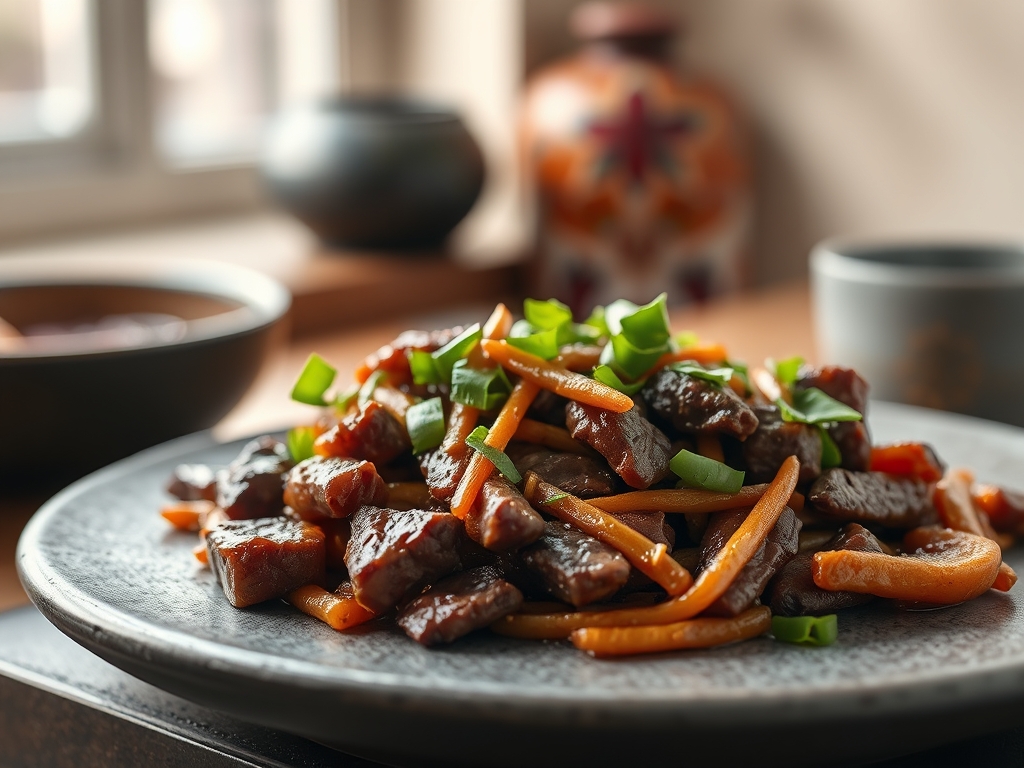
Picture the scene: a Tuesday night, the neon glow of the local takeout joint, and that specific, savory aroma drifting from a white cardboard box. You know the one. It is the scent of high-heat alchemy and soy-glaze perfection. But let's be honest; more often than not, that takeout beef is a gamble. Sometimes it is succulent; other times, it is a workout for your jaw. If you have been searching for the ultimate chinese stir fried beef recipes to recreate that restaurant magic at home, you have likely hit a wall of chewy disappointment. I am here to tell you that the secret is not a secret at all. It is pure, glorious chemistry. We are going to master the art of the wok, the science of the marinade, and the physics of the sear to ensure your kitchen becomes the best bistro in town.
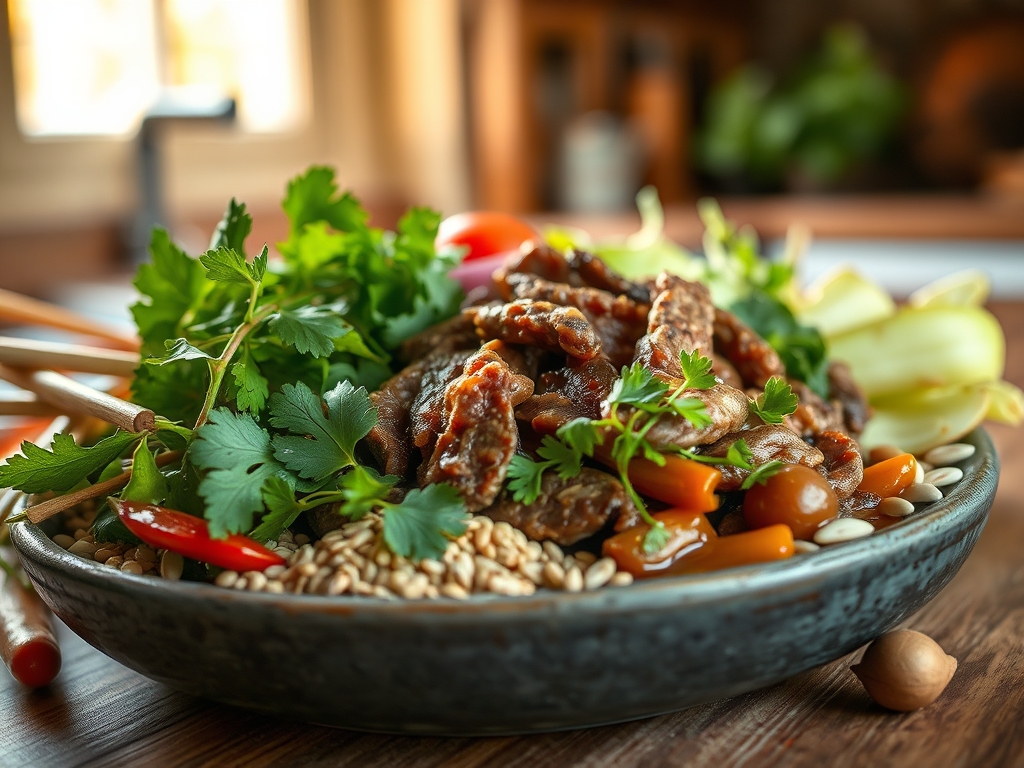
The Gathers:
Before we ignite the burner, we must assemble our mise-en-place. For the protein, skip the expensive ribeye. We want flank steak or top sirloin; these cuts have long muscle fibers that, when handled correctly, offer the perfect chew-to-tenderness ratio. You will need a digital scale to measure out 500 grams of beef. For the marinade, gather high-quality light soy sauce for salt, dark soy sauce for that deep mahogany hue, and toasted sesame oil to infuse the meat with nutty lipids.
The "Smart Substitutions" are where your inner chef shines. If you lack Shaoxing wine, a dry pale sherry is a piquant alternative that mimics the fermented depth. No cornstarch? Arrowroot powder provides the same viscous coating without the chalky aftertaste. For the aromatics, use a microplane to grate fresh ginger and garlic into a fine paste; this increases the surface area, allowing the flavors to aerate and distribute evenly through the sauce. Finally, ensure you have a neutral oil with a high smoke point, such as grapeseed or peanut oil, to facilitate a proper render of the beef fat without scorching.
The Clock
Efficiency in the kitchen is about the Chef's Flow. Stir-frying is a high-velocity sport; once the heat is on, you will not have time to chop a single scallion.
- Prep Time (25 Minutes): This includes 10 minutes of precision slicing and 15 minutes of "velveting" time.
- Cook Time (5 Minutes): The actual thermal application is lightning-fast.
- The Flow: Slice while the beef is slightly frozen for cleaner cuts. Marinate. While the beef rests, whisk your sauce in a small saucier and chop your vegetables. By the time your heavy-bottomed skillet or carbon steel wok is smoking, every component should be within arm's reach of your tongs.
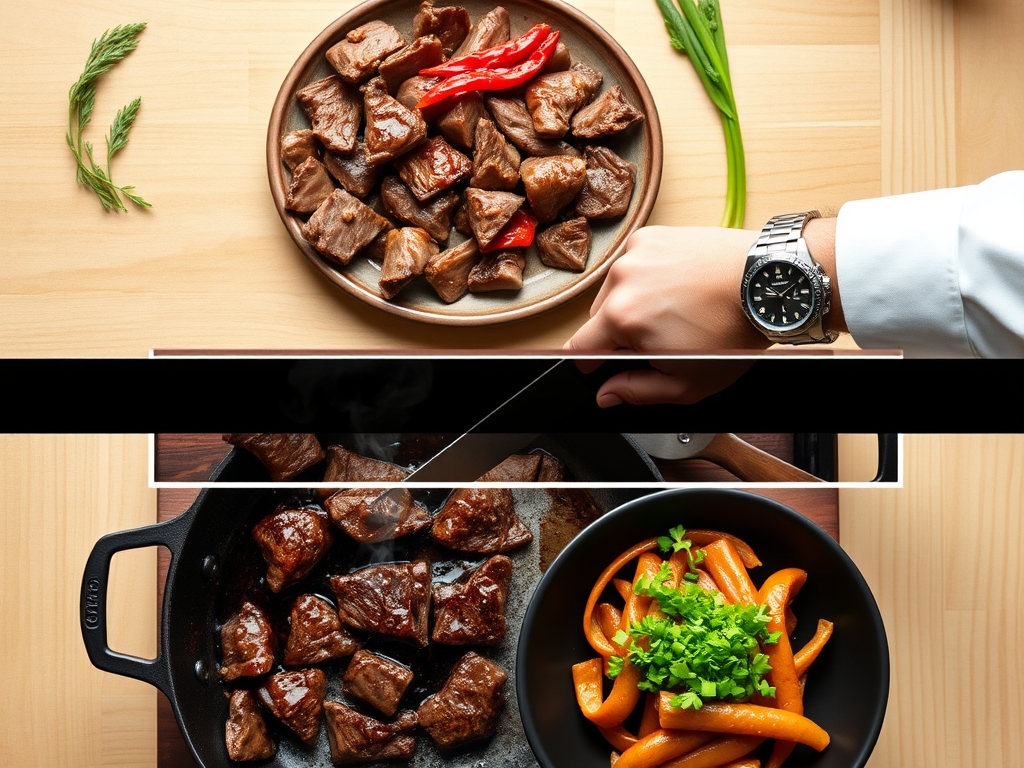
The Masterclass
1. The Geometry of the Cut
Using a sharp chef knife, slice the beef against the grain into 1/8-inch strips. Look for the parallel lines of muscle fiber and cut perpendicular to them.
Pro Tip: Cutting against the grain shortens the muscle fibers. This reduces the mechanical work required during mastication, ensuring the meat feels tender rather than stringy.
2. The Velveting Protocol
Toss the beef with baking soda, cornstarch, and soy sauce. Let it sit for 15 minutes. This is the hallmark of all professional chinese stir fried beef recipes.
Pro Tip: Baking soda raises the pH level on the meat's surface. This chemical shift inhibits proteins from bonding too tightly when heated, preventing the beef from becoming tough.
3. The Searing Phase
Heat your wok until a drop of water flicked onto the surface dances and evaporates instantly. Add oil, then the beef in a single layer. Do not crowd the pan.
Pro Tip: Crowding the pan leads to a temperature drop, causing the meat to steam in its own juices rather than undergo Maillard reaction. You want browning, not boiling.
4. Deglazing the Aromatics
Push the beef to the sides and drop your garlic and ginger into the center. Once they become fragrant (about 30 seconds), toss them with the meat.
Pro Tip: The moisture in the aromatics helps deglaze the flavorful browned bits (fond) stuck to the bottom of the pan, integrating that savory depth back into the dish.
5. The Emulsion of the Sauce
Pour your pre-mixed sauce down the sides of the wok. The liquid should bubble immediately as it hits the hot metal.
Pro Tip: Pouring down the sides creates a "singed" flavor profile known as Wok Hei. As the sauce hits the starch-coated beef, it creates a stable emulsion that clings to every crevice.
6. The Final Rest
Remove from heat immediately once the sauce has thickened to a glossy sheen. Use a bench scraper to clear the wok for the next batch if cooking in portions.
Pro Tip: Account for thermal carryover. The internal temperature of the beef will continue to rise by 5 to 10 degrees after leaving the pan. Pulling it early prevents overcooking.
The Deep Dive
Macro Nutrition: A standard serving of this beef stir-fry provides approximately 35g of protein, 12g of healthy fats, and 8g of carbohydrates. It is a powerhouse of iron and B-vitamins, making it as functional as it is delicious.
Dietary Swaps:
- Vegan: Replace beef with "meaty" King Oyster mushrooms or pressed extra-firm tofu. Use liquid aminos instead of fish or oyster sauce.
- Keto: Swap cornstarch for xanthan gum (use only a pinch) and replace sugar with a monk fruit sweetener.
- GF: Use Tamari or coconut aminos in place of traditional soy sauce.
The Fix-It:
- Too Salty: Add a splash of rice vinegar or a squeeze of lime. The acid cuts through the sodium.
- Too Watery: Create a "slurry" of 1 teaspoon cornstarch and 1 tablespoon water. Whisk it in over high heat to tighten the sauce.
- Tough Beef: You likely skipped the velveting or cut with the grain. Next time, ensure the baking soda step is not omitted.
Meal Prep & Reheating: To maintain "day-one" quality, store the beef and sauce separately from your rice. When reheating, avoid the microwave if possible. Use a small skillet with a teaspoon of water; the steam will re-hydrate the proteins without making them rubbery.
The Wrap-Up
Mastering chinese stir fried beef recipes is about more than just following a list of ingredients; it is about respecting the physics of the flame. By understanding how pH levels affect protein structure and how the Maillard reaction creates complex flavor molecules, you have graduated from a home cook to a culinary scientist. Your kitchen is now a laboratory of deliciousness. So, put down the takeout menu, grab your wok, and get ready to impress yourself. You have the tools, the technique, and the "why" behind the "how." Now, go make some magic!
The Kitchen Table
Why is my stir-fry beef always chewy?
Chewy beef usually results from cutting with the grain or skipping the velveting process. Always slice perpendicular to muscle fibers and use a cornstarch and baking soda marinade to chemically tenderize the proteins before hitting the high heat.
Can I make stir-fry in a regular non-stick skillet?
While possible, non-stick pans cannot handle the extreme heat required for authentic results. A carbon steel wok or a heavy-bottomed cast iron skillet is preferred to achieve the necessary sear and avoid steaming the meat.
What is the best oil for stir-frying beef?
Use oils with high smoke points like peanut, grapeseed, or canola oil. Avoid extra virgin olive oil or butter; they will burn and turn bitter at the high temperatures needed for a proper stir-fry.
How do I get that glossy sauce like restaurants?
The glossy sheen comes from a "slurry" of cornstarch mixed with cold liquid. When added to the hot pan, the starch granules swell and gelatinize, creating a viscous, translucent coating that clings perfectly to the beef.