
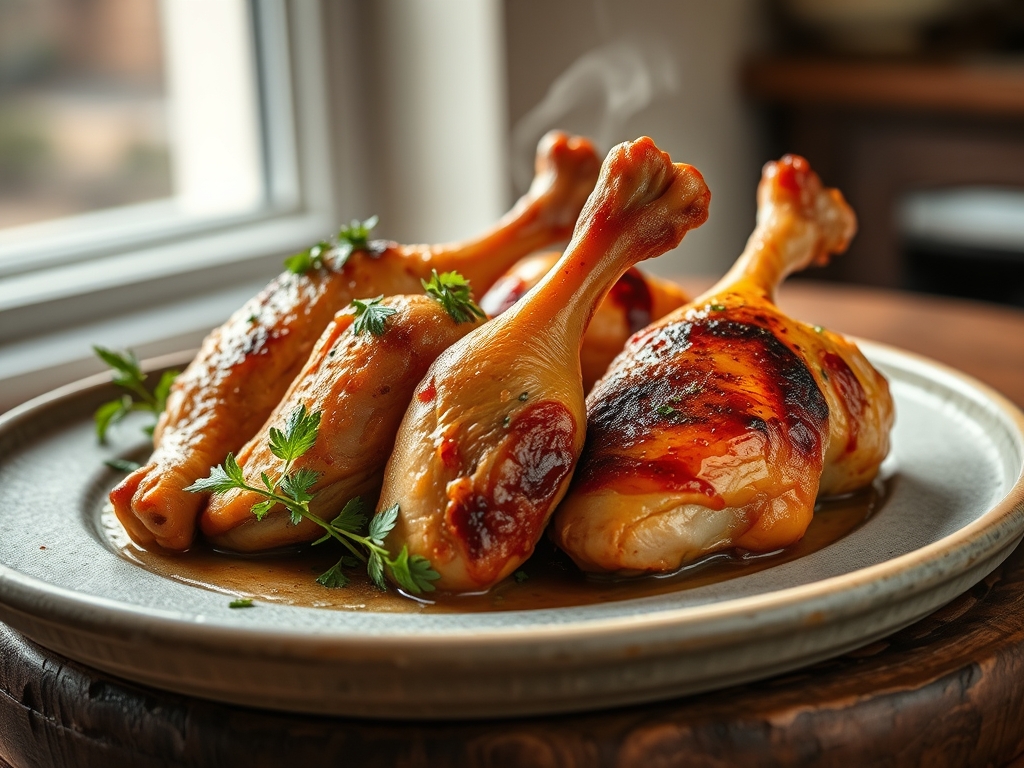
Close your eyes and listen to that specific, rhythmic sizzle as cold protein hits a searing heavy-bottomed skillet. It is the sound of a chemical transformation. When you are hunting for the ultimate chicken recipes drumsticks and thighs, you are not just looking for dinner; you are looking for that elusive intersection of crispy, lacquered skin and succulent, fall-off-the-bone meat. Dark meat is the secret weapon of the culinary world because its high collagen content provides a safety net that lean breasts simply cannot match. Whether you are craving a sticky balsamic glaze or a herb-crusted roast, the structural integrity of these cuts allows for aggressive heat and deep flavor infusion. We are going to move beyond basic roasting into a realm where we manipulate amino acids and thermal energy to create something truly spectacular. Grab your favorite apron and a glass of something crisp; we are about to turn your kitchen into a high-end bistro with these six definitive techniques.
The Gathers:
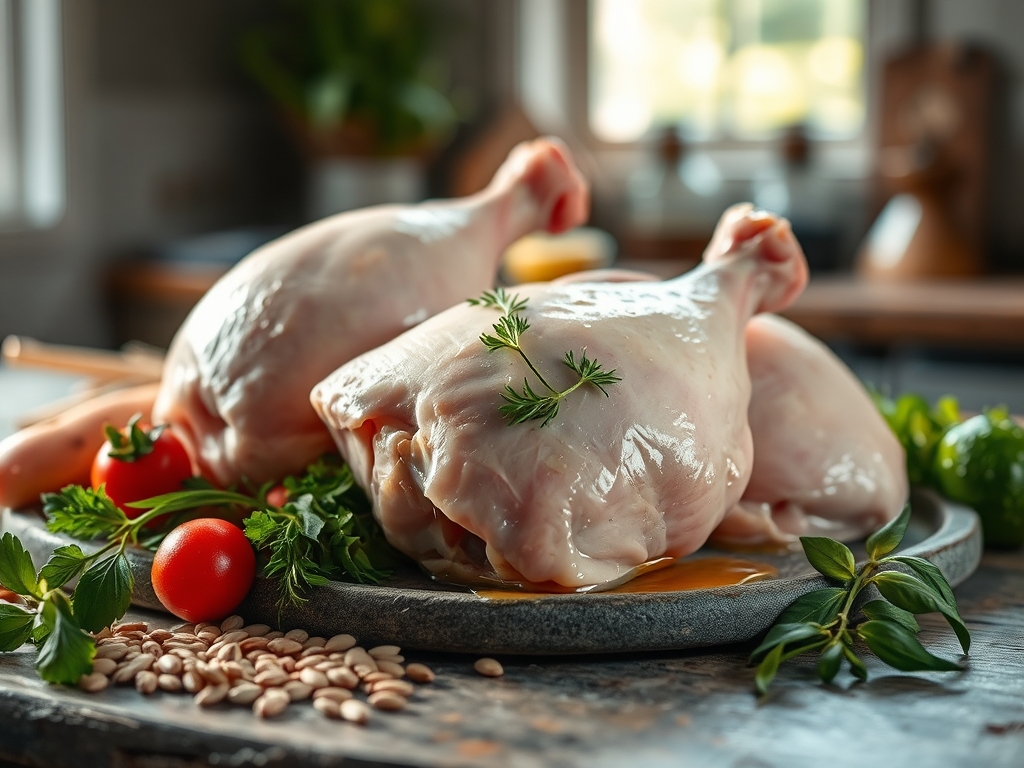
Before we ignite the burners, we must assemble our laboratory. For the perfect chicken recipes drumsticks and thighs, your mise-en-place is paramount. You will need roughly three pounds of bone-in, skin-on dark meat. Look for pieces with uniform skin coverage to ensure even rendering. Your aromatic base should include fresh garlic cloves, sprigs of woody rosemary, and perhaps a shallot or two for a more delicate, piquant profile.
For the fat component, high-smoke-point oils like avocado or grapeseed are essential for that initial sear. You will also need a high-quality sea salt (like Maldon) to draw out moisture and a microplane to zest citrus or grate fresh ginger directly into your marinades. If you are missing an ingredient, do not panic. Use a Smart Substitution: swap honey for maple syrup to achieve a similar viscous glaze, or use Greek yogurt instead of buttermilk for a tangy, enzymatic tenderizer. Always use a digital scale for your spice blends to ensure consistency; a few grams of smoked paprika can be the difference between a subtle hum and an overwhelming char.
The Clock
Efficiency in the kitchen is about mastering the Chef's Flow. This is the art of overlapping tasks so that no second is wasted. Your total active prep time should hover around 20 minutes, while the cooking duration varies from 25 minutes for a high-heat roast to 45 minutes for a gentle braise.
Start by tempering your meat; let the chicken sit at room temperature for 15 minutes. During this window, sharpen your knives and prepare your aromatics. While the oven preheats, you should be deglazing your pan or whisking your emulsions. By the time the chicken enters its final resting phase, your sides should be plated and your workstation wiped clean with a bench scraper. This synchronized timing ensures that the meat rests long enough for the juices to redistribute without the skin losing its hard-earned crunch.
The Masterclass
1. The Classic Cast Iron Sear
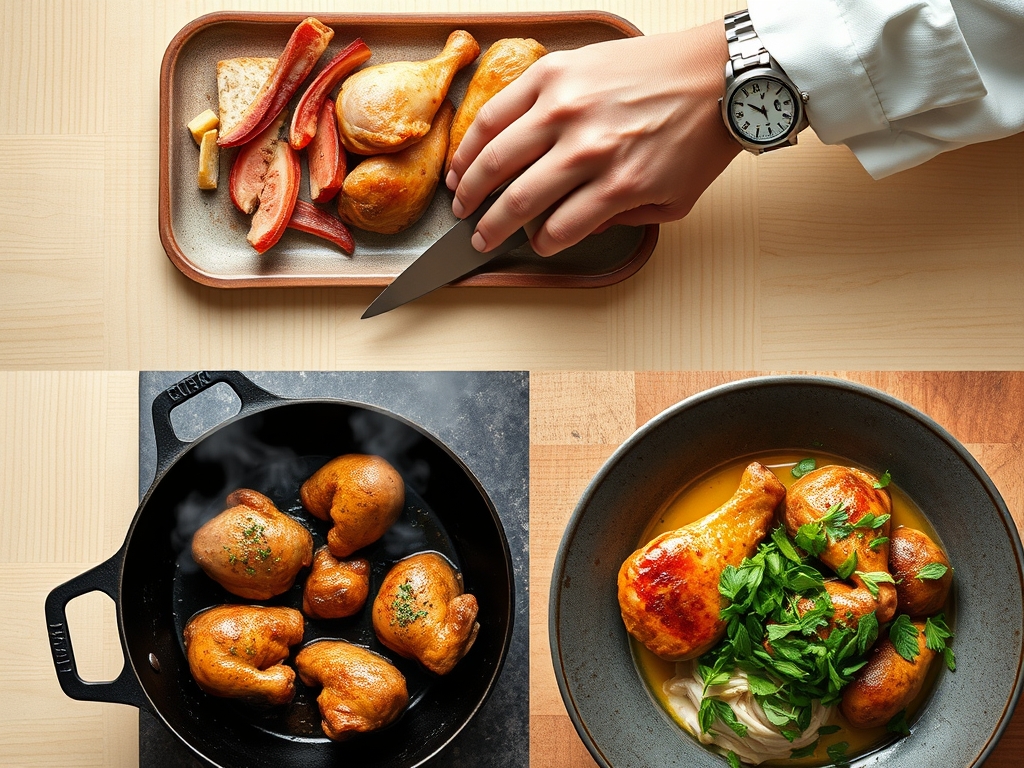
Pat the skin bone-dry with paper towels to remove every trace of surface moisture. Season aggressively with salt and pepper. Place the chicken skin-side down in a cold heavy-bottomed skillet, then turn the heat to medium-high. This allows the fat to render slowly as the pan heats up.
Pro Tip: This technique utilizes the Maillard Reaction, a chemical reaction between amino acids and reducing sugars that gives browned food its distinctive flavor. Starting in a cold pan prevents the skin from shrinking too quickly and ensures a uniform, golden crust.
2. The Low and Slow Braise
After a quick sear, submerge the bottom half of the thighs in a flavorful liquid like chicken stock or dry white wine. Use a saucier to reduce the liquid later into a thick, glossy sauce. Cover and simmer until the meat reaches an internal temperature of 175 degrees Fahrenheit.
Pro Tip: Dark meat benefits from higher internal temperatures than white meat. At 175 degrees, the collagen in the connective tissue fully breaks down into gelatin, resulting in a silky, melt-in-your-mouth texture that is impossible to achieve at lower temps.
3. The Air Fryer Crisp
Lightly coat the drumsticks in a mixture of cornstarch and spices. Arrange them in a single layer, ensuring they do not touch to allow for maximum airflow. Cook at 400 degrees, flipping halfway through with silicone-tipped tongs.
Pro Tip: The cornstarch acts as a moisture absorber and creates a brittle, glass-like crust. This is a form of dehydration synthesis where the high-velocity air strips away surface water, leaving behind a perfectly aerated crunch.
4. The Sheet Pan Roast
Toss your chicken recipes drumsticks and thighs with root vegetables and a generous glug of olive oil. Spread them out on a preheated sheet pan. The contact with the hot metal provides an immediate thermal shock to the bottom of the meat.
Pro Tip: Preheating your pan creates conduction heating from the bottom while the oven air provides convection from the top. This dual-source heating cuts cooking time by 15 percent and prevents the vegetables from becoming soggy.
5. The Honey-Garlic Glaze
Whisk together honey, soy sauce, and grated ginger in a small bowl. Brush this onto the chicken during the last 10 minutes of cooking. Use a pastry brush to ensure every crevice is coated in the viscous liquid.
Pro Tip: Sugar burns quickly. By waiting until the end of the cooking process, you avoid carbonization. The glaze undergoes caramelization, creating complex, nutty flavor compounds without the bitter notes of burnt sugar.
6. The Herb-Infused Butter Roast
Slide slices of compound butter (butter mixed with herbs and lemon zest) directly under the skin. As the chicken roasts, the butter melts and bastes the meat from the inside out.
Pro Tip: This creates a localized emulsion of fat and juices under the skin. The fat acts as a barrier, preventing the meat from drying out while the water content in the butter steams the skin from beneath, making it extra pliable before it eventually crisps.
The Deep Dive
From a nutritional standpoint, dark meat is a powerhouse of zinc, iron, and B vitamins. While it contains more fat than breasts, much of it is monounsaturated; the "healthy" kind found in olive oil. For those following specific lifestyles, these chicken recipes drumsticks and thighs are naturally Keto-friendly and Gluten-Free. To make it vegan, you can apply these same seasoning and searing techniques to oyster mushrooms or thick cauliflower steaks, though the cooking times will decrease significantly.
If you hit a snag, remember The Fix-It. If your skin is rubbery, your heat was too low; finish it under the broiler for 90 seconds. If the meat is tough, it likely did not reach the 175-degree threshold to break down the collagen. If your sauce is too thin, whisk in a cold butter pat at the very end to mount the sauce and add a professional sheen.
For meal prep, the science of reheating is key. Avoid the microwave, which vibrates water molecules and makes the skin soggy. Instead, use a toaster oven at 350 degrees to gently re-activate the fats and restore the original texture.
The Wrap-Up
Mastering chicken recipes drumsticks and thighs is about more than just following a list of steps; it is about understanding how heat, fat, and protein interact on a molecular level. By focusing on rendering fat, breaking down collagen, and encouraging the Maillard reaction, you transform a humble grocery staple into a culinary masterpiece. Don't be afraid to experiment with different aromatics or acids to brighten your dishes. Your kitchen is your playground, and these techniques are your tools. Now, go forth and sear with confidence!
The Kitchen Table
How do I get the skin extra crispy?
The secret is moisture control. Pat the chicken dry with paper towels and salt it at least 30 minutes before cooking. This draws out deep-seated moisture, allowing the skin to fry in its own rendered fat for maximum crunch.
Is it safe to eat chicken if it is slightly pink?
Color is not a reliable safety indicator for dark meat. Use a digital thermometer to check for an internal temperature of 165 degrees Fahrenheit. Pinkness near the bone is common in drumsticks due to pigment release during cooking.
Can I cook drumsticks and thighs together?
Yes, they have very similar fat contents and connective tissue structures. Since they are both dark meat, they thrive under the same thermal conditions. Just ensure they are not overcrowded in the pan to allow for proper heat circulation.
What is the best way to store leftovers?
Place the chicken in an airtight container within two hours of cooking. It will stay fresh in the refrigerator for up to four days. For the best quality, store the sauce separately to prevent the skin from becoming overly saturated.