
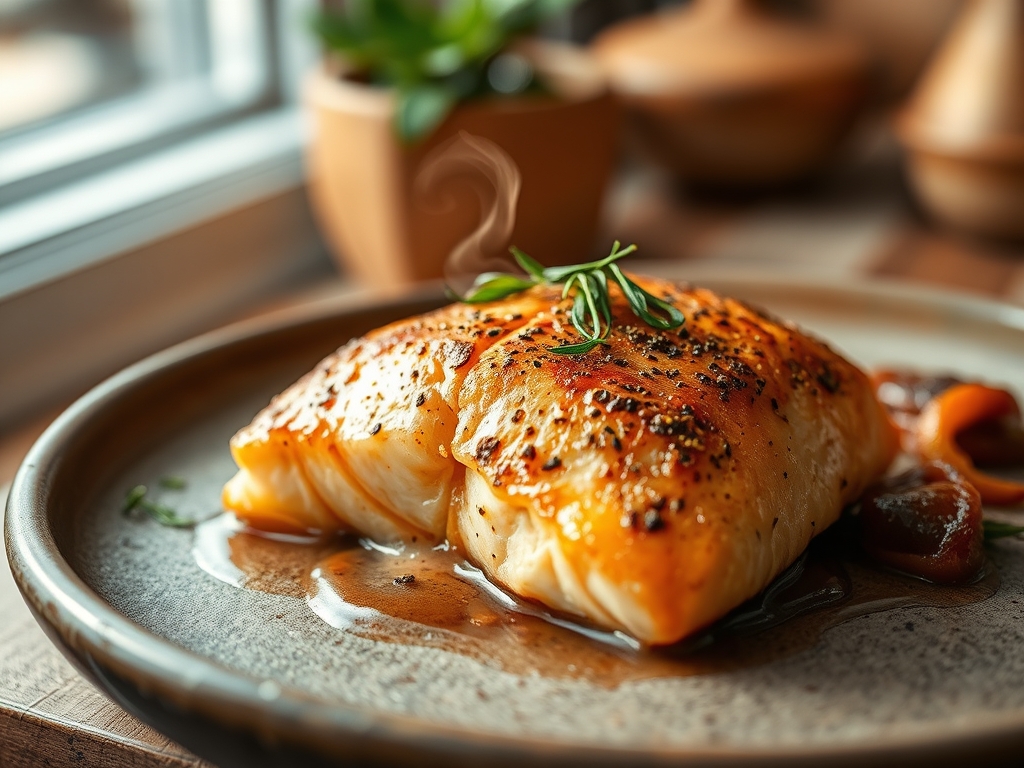
Picture this: a heavy-bottomed skillet screaming on the burner, the scent of cold-water fat hitting hot steel, and that unmistakable crackle of skin transforming into glass. We are moving far beyond the basic lemon-butter rut. If you are hunting for unique salmon recipes, you have just stepped into the laboratory of flavor where chemistry meets the dinner plate.
Most people treat salmon like a delicate flower, but it is actually a robust, fatty powerhouse capable of handling intense heat and complex, piquant glazes. The secret to a menu that turns heads is understanding how to manipulate the proteins without drying out the interior. We are talking about achieving that perfect translucent center while the exterior boasts a deep, mahogany crust. Whether you are hosting a high-stakes dinner party or just want to feel like a Michelin-starred chef in your pajamas, these techniques will redefine your relationship with this pink-fleshed predator.
Salmon is a canvas for global profiles. From the umami-heavy ferments of East Asia to the bright, acidic pops of Mediterranean citrus, the versatility of this fish is unmatched. Today, we are going deep into the mechanics of heat, the science of emulsions, and the art of the sear. Grab your apron; we are about to make your kitchen the most popular bistro in town.
The Gathers:
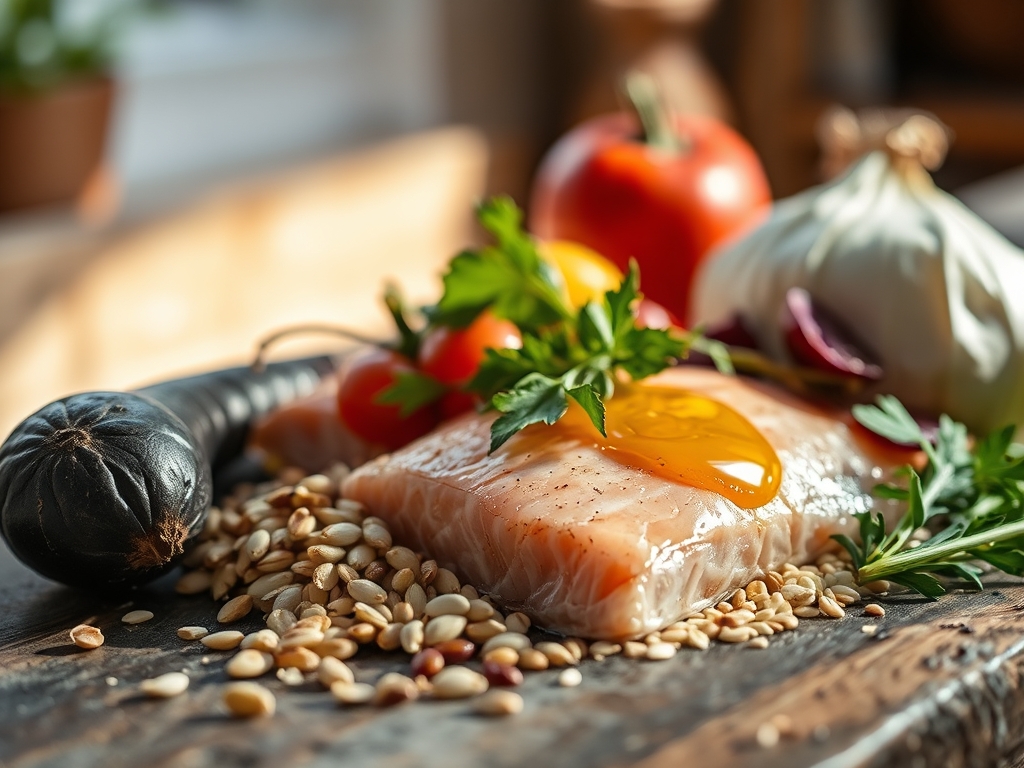
Setting your stage is more than just tidying up; it is about organizing your molecular building blocks. For our unique salmon recipes, you need high-quality Atlantic or King salmon fillets, ideally center-cut for uniform thickness. You will also need a high-smoke-point oil like avocado or grapeseed. Butter is for finishing, not for the initial sear, because the milk solids will burn before the fish is done.
Your mise-en-place should include a microplane for zesting citrus and grating fresh ginger. You will want a saucier for whisking together glazes to ensure even heat distribution. A digital scale is your best friend here; measuring your salt by weight rather than volume ensures you never over-cure the delicate flesh.
Smart Substitutions: If you are out of honey for a glaze, use maple syrup for a deeper, woodsy sweetness. If fresh ginger is missing, a splash of galangal paste provides a similar, albeit more floral, kick. For those avoiding soy, coconut aminos offer that salty, viscous base without the gluten. Always keep a bowl of ice water nearby if you are blanching greens to serve alongside; this shocks the chlorophyll and keeps the color vibrant.
The Clock
Efficiency in the kitchen is what separates the pros from the hobbyists. This is the "Chef's Flow." Total prep time for these unique salmon recipes is a brisk 15 minutes, while active cooking time rarely exceeds 12 minutes. However, the flow is non-linear.
Start by tempering your fish. Take the salmon out of the refrigerator 20 minutes before it hits the pan. If the protein is too cold, the exterior will overcook while the center remains raw. Use this "tempering window" to prepare your glazes and chop your aromatics. Once the pan is hot, the process moves fast. You are looking at 4 to 5 minutes on the skin side to render the fat, followed by a quick 2-minute flip to kiss the top with heat. Factor in a 3-minute rest period. This allows the internal juices to redistribute, ensuring every bite is succulent rather than leaky.
The Masterclass
1. The Dry Brine Technique
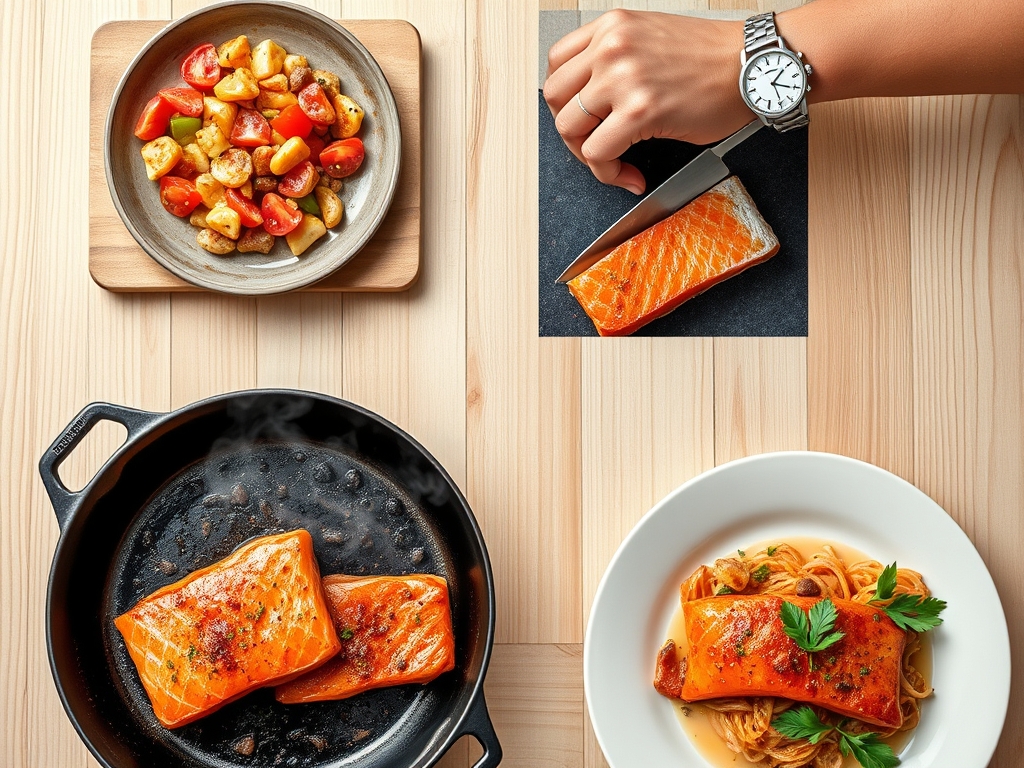
Before any heat is applied, sprinkle your fillets with a mixture of kosher salt and a touch of sugar. Let them sit for 10 minutes, then pat them bone-dry with a paper towel.
Pro Tip: This process is called osmosis. The salt draws out surface moisture and then re-absorbs into the fibers, seasoning the fish deeply while ensuring the skin is dry enough to achieve a shatter-crisp texture.
2. Cold Pan vs. Hot Pan
Place the salmon skin-side down in a cold, heavy-bottomed skillet, then turn the heat to medium-high. Use your tongs to press the fish down firmly for the first 30 seconds.
Pro Tip: Starting in a cold pan allows the subcutaneous fat to render slowly. This prevents the skin from curling and ensures the fat acts as a frying medium for the skin itself.
3. The Deglaze and Emulsify
Once the fish is flipped, toss in a knob of cold butter and a splash of white wine or citrus juice. Use a spoon to baste the fish continuously.
Pro Tip: This is butter-basting. The acid in the wine helps to emulsify the butter into a silky sauce, while the hot fat speeds up the cooking of the top layer without toughening it.
4. Infusing the Aromatics
In the final minute of cooking, add smashed garlic cloves and sprigs of thyme or rosemary directly into the bubbling butter.
Pro Tip: This is lipid-based infusion. The essential oils in the herbs are fat-soluble; they migrate into the butter and then onto your salmon, providing a layered flavor profile that salt alone cannot achieve.
5. Managing Thermal Carryover
Remove the salmon from the pan when the internal temperature hits 125 degrees Fahrenheit for a perfect medium-rare.
Pro Tip: This accounts for thermal carryover. The internal temperature will continue to rise about 5 to 7 degrees while resting. Pulling it early prevents the albumin (those white protein bubbles) from pushing out.
6. The Acidic Finish
Just before serving, use your microplane to shower the fillets with fresh lemon zest and a pinch of flaky sea salt.
Pro Tip: Heat dulls the brightness of citrus. Adding zest at the very end ensures the volatile oils are aromatic and punchy, cutting through the richness of the salmon fat.
The Deep Dive
From a nutritional standpoint, salmon is a titan. It is packed with Omega-3 fatty acids, which are essential for brain health, and provides a high-density protein source with zero carbohydrates. For those on a Keto or Paleo diet, this is the holy grail of ingredients. If you are cooking for a Vegan guest, you can apply these same glazing and searing techniques to thick slabs of "King Oyster" mushrooms to mimic the texture.
The Fix-It:
- Skin sticking to the pan? You likely tried to flip it too early. The fish will naturally release from the steel once the Maillard reaction has fully formed the crust.
- White gunk appearing? This is albumin. It means you cooked the fish too fast or too long. Lower your heat and pull the fish sooner next time.
- Soggy skin? You didn't pat it dry enough. Moisture is the enemy of crispness. Use a bench scraper to ensure the skin surface is totally clear of water before it hits the oil.
Meal Prep Science: To reheat salmon without it turning into a rubber tire, avoid the microwave. Use a low-temperature oven (275 degrees) with a splash of water in the pan, covered with foil. This creates a gentle steam environment that rehydrates the proteins.
The Wrap-Up
You are now armed with the technical prowess to turn a simple piece of seafood into a culinary masterpiece. These unique salmon recipes are about more than just following a list; they are about mastering the physics of the kitchen. Remember to trust your senses. Listen for the sear, watch for the color change, and always, always let your meat rest. Go forth and dominate that skillet!
The Kitchen Table
How do I get the skin extra crispy?
Ensure the skin is bone-dry before cooking. Use a heavy-bottomed skillet and start the fish in a cold pan to slowly render the fat. Press down with a spatula to ensure total contact with the heat source for maximum crunch.
Why does my salmon have white stuff on it?
That white substance is albumin, a protein that stays liquid when raw but solidifies when heated. It usually appears when the salmon is cooked too quickly or overdone. To prevent it, use lower heat and cook to medium-rare.
Can I use frozen salmon for these recipes?
Yes, but thaw it completely in the refrigerator first. Pat it extremely dry with paper towels to remove excess moisture from the freezing process. This ensures you still get a proper sear rather than steaming the fish in its own juices.
What is the best oil for searing salmon?
Use an oil with a high smoke point, such as avocado, grapeseed, or canola oil. Avoid extra virgin olive oil for the initial high-heat sear, as it will smoke and turn bitter. Save the butter for finishing and basting.