
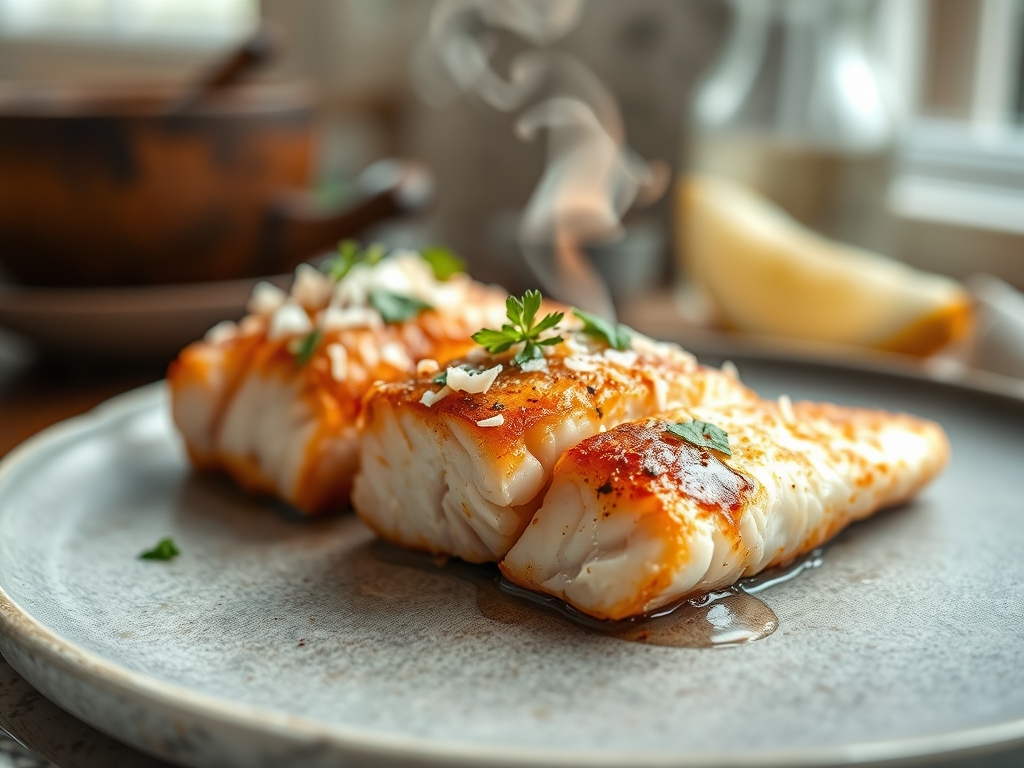
Imagine a kitchen filled with the scent of toasted nuttiness and the sharp, bright zing of lime. You are standing over a heavy bottomed skillet; the oil is shimmering just below its smoke point. When that crust hits the heat, the air transforms. We are not just making dinner; we are mastering the art of coconut salmon recipes. It is the ultimate weeknight flex that feels like a five star vacation.
The magic lies in the contrast. You want a crust so crisp it shatters, protecting a center that is buttery, translucent, and perfectly flaked. Salmon is high in fat, making it the ideal canvas for the tropical, fibrous texture of shredded coconut. This is where high end culinary technique meets pure, unadulterated comfort. Whether you are hosting a frantic Tuesday dinner or a slow Saturday date night, these hacks ensure your fish never comes out soggy or bland. We are going to dive into the chemistry of the sear, the mechanics of the binder, and the secret to keeping that coconut from burning before the fish is done. Grab your favorite apron and a glass of something crisp; we are about to turn your kitchen into the best bistro in town.
The Gathers:
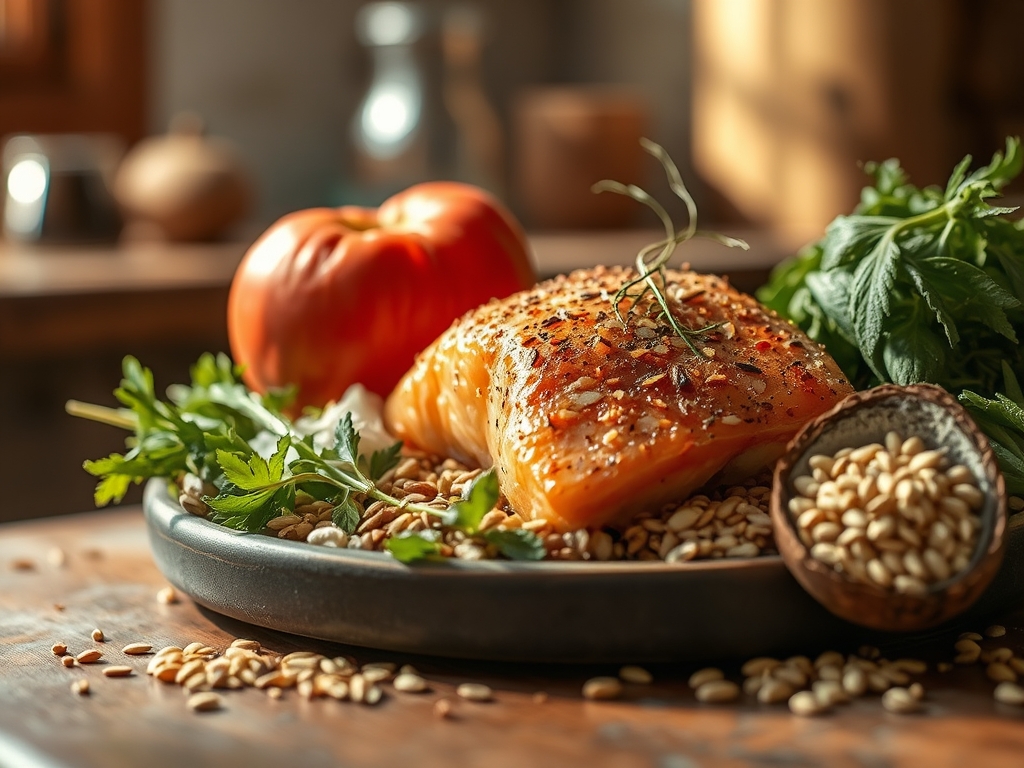
To achieve a restaurant quality result, your mise en place must be precise. Start with center cut Atlantic or King salmon fillets. You want uniform thickness so the thermal conductivity remains consistent across the pan. For the coating, you need unsweetened shredded coconut. Avoid the sweetened variety used in baking; the high sugar content will undergo pyrolysis (burning) long before the salmon reaches its internal target temperature.
Your binder is the glue. Instead of a heavy flour dredge, we use a viscous mixture of egg whites and a touch of Dijon mustard. This creates a protein based adhesive that grips the coconut without adding bulk. For the aromatics, gather fresh ginger, garlic, and lime zest. Use a microplane to grate these finely; this increases the surface area, allowing the essential oils to infuse the crust more effectively.
Smart Substitutions:
If you are avoiding eggs, a thin layer of full fat Greek yogurt or coconut cream works beautifully as a binder. For a lower carb profile, swap half of the coconut for crushed macadamia nuts. This adds a rich, fatty crunch that mimics the mouthfeel of traditional breadcrumbs while keeping the dish keto friendly. Always use a digital scale to measure your dry ingredients if you want repeatable, perfect results every time.
The Clock
Efficiency in the kitchen is about "Chef's Flow." Total active prep time is approximately 15 minutes, with a cook time of 8 to 10 minutes depending on the thickness of your fillets.
- Minutes 0-7: Pat the fish dry. This is non negotiable. Moisture is the enemy of the Maillard reaction.
- Minutes 8-12: Prepare the binder and the coconut mixture in shallow wide bowls.
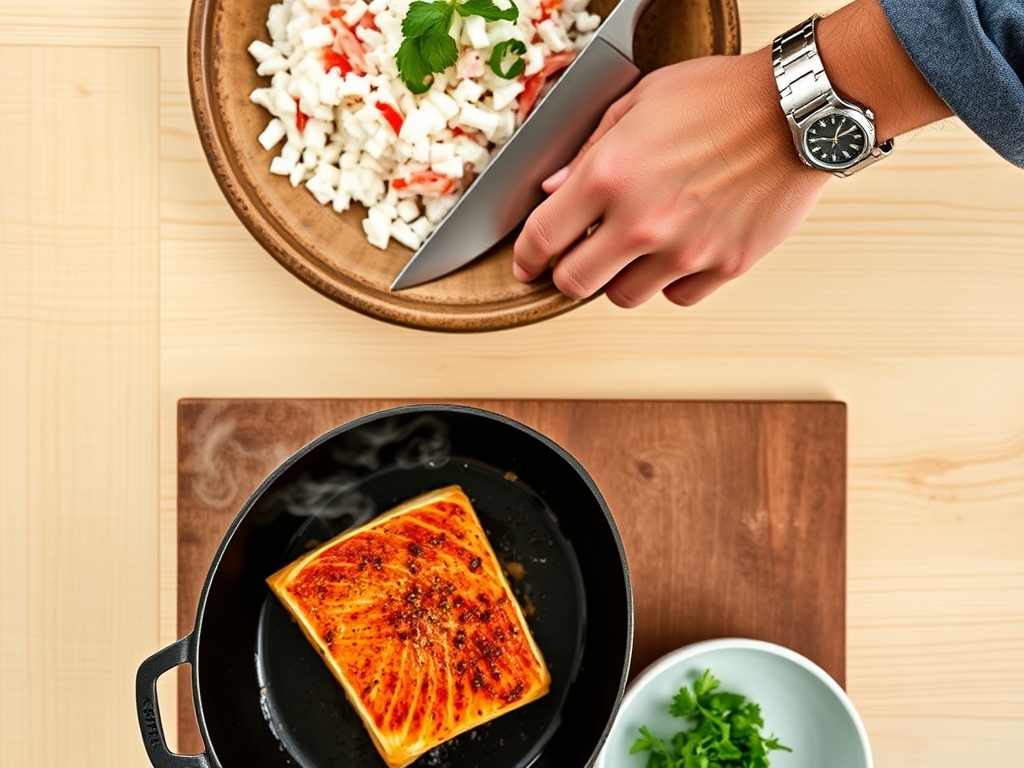
- Minutes 13-15: Heat your skillet. A heavy cast iron or stainless steel pan is best for heat retention.
- The Cook: 4 minutes on the crust side to develop that golden hue, then 3 to 4 minutes on the flip side to finish the interior.
The Masterclass
1. The Desiccation Ritual
Use a paper towel to press firmly onto the skin and flesh of the salmon. Removing surface moisture prevents the fish from steaming in the pan.
Pro Tip: This facilitates the Maillard reaction, a chemical reaction between amino acids and reducing sugars that gives browned food its distinctive flavor. Without a dry surface, the temperature cannot rise above 212 degrees Fahrenheit, and you will miss out on that savory crust.
2. The Microplane Infusion
Grate your ginger and lime zest directly into the shredded coconut. Use your fingers to massage the zest into the flakes.
Pro Tip: This process uses mechanical pressure to aerate the coconut and release the volatile oils from the citrus zest. By incorporating the aromatics into the crust rather than the binder, you prevent the flavors from being muted by the egg proteins.
3. The Precision Dredge
Dip only the top flesh side of the salmon into the egg white binder, then press it firmly into the coconut mixture. Leave the skin side bare.
Pro Tip: This creates a focused textural contrast. The bare skin side will crisp up against the pan, while the coconut side creates a protective insulation layer that keeps the delicate fats in the salmon from overcooking.
4. The Searing Strategy
Place the salmon coconut side down into a preheated skillet with a high smoke point oil like avocado oil. Use tongs to gently press the fish down for even contact.
Pro Tip: Watch for enzymatic browning. Coconut has a lower burning point than panko. By starting with a medium high heat and then dropping it slightly, you manage the heat flux to ensure the coconut golds beautifully without carbonizing.
5. The Flip and Render
Carefully flip the salmon to the skin side using a fish spatula. Allow the skin to render its fat and become glass-like.
Pro Tip: This is the "safe zone." The skin acts as a heat shield. You can finish the cooking process here without risking the delicate coconut crust on the other side.
6. The Carryover Rest
Remove the salmon from the pan when it reaches an internal temperature of 125 degrees Fahrenheit. Place it on a wire rack, not a flat plate.
Pro Tip: This accounts for thermal carryover. The internal temperature will continue to rise by 5 to 7 degrees while resting. Using a wire rack prevents steam from building up underneath, which would otherwise soften your hard earned crust.
The Deep Dive
Macro Nutrition:
Salmon is a powerhouse of Omega-3 fatty acids and high quality protein. One serving of this coconut crusted version typically contains 35g of protein, 22g of healthy fats, and only 4g of net carbs. It is a metabolic win that keeps blood sugar stable.
Dietary Swaps:
For a Vegan alternative, use this same crusting technique on thick slabs of cauliflower or firm tofu. For Gluten Free purists, ensure your mustard binder is certified GF. If you are strictly Keto, skip the honey in any side sauces and stick to a lime and chili oil drizzle.
The Fix-It:
- The Crust is Falling Off: Your binder was too thin or the fish was too wet. Ensure the fish is bone dry before dipping.
- The Coconut is Burnt but Fish is Raw: Your heat was too high. Next time, sear for 2 minutes then finish in a 375 degree oven.
- The Skin is Soggy: You likely crowded the pan. Use a larger skillet or cook in batches to allow moisture to escape as steam.
Meal Prep:
To reheat, avoid the microwave at all costs. It will turn the salmon into rubber and the coconut into mush. Instead, use an air fryer at 350 degrees for 3 minutes. This uses convection heat to re-crisp the fats in the coconut, restoring that day one crunch.
The Wrap-Up
Mastering coconut salmon recipes is about understanding the delicate balance between heat and texture. You have learned how to manage moisture, how to utilize the Maillard reaction, and how to protect the integrity of the fish through smart searing techniques. This dish is vibrant, sophisticated, and surprisingly simple once you respect the science behind the ingredients. Now, go grab those fillets and show your kitchen who is boss!
The Kitchen Table
Can I use frozen salmon for this recipe?
Yes, but you must thaw it completely in the refrigerator. Pat it extremely dry with paper towels to remove excess moisture, which can prevent the coconut crust from adhering properly during the searing process.
What is the best oil for frying coconut salmon?
Use an oil with a high smoke point, such as avocado or grapeseed oil. These oils can withstand the heat required to crisp the coconut without breaking down or adding an unpleasant burnt flavor to the fish.
How do I know when the salmon is perfectly cooked?
The salmon is done when it reaches an internal temperature of 130 degrees Fahrenheit. The flesh should be opaque on the outside but still slightly translucent and flaky in the very center.
Why is my coconut crust burning so fast?
Coconut contains natural oils and sugars that brown quickly. If it burns before the fish cooks, lower your heat or finish the salmon in the oven after an initial quick sear to develop color.