
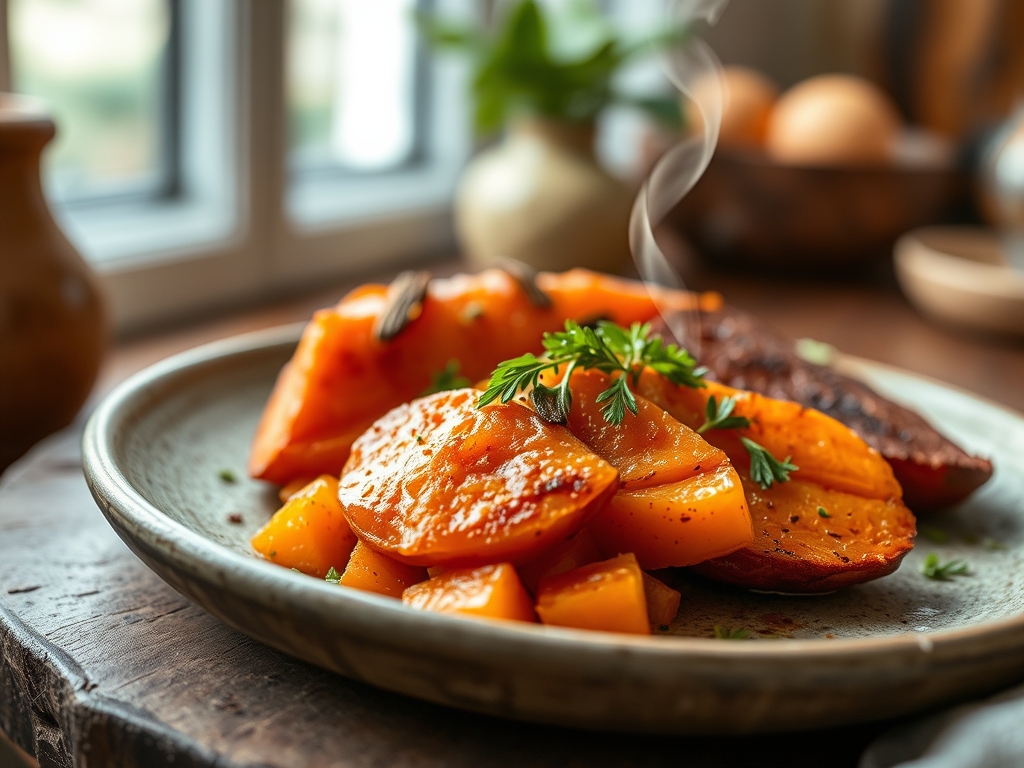
Picture a kitchen bathed in the amber glow of a late afternoon sun; the air is thick with the scent of caramelized earth and toasted cumin. You are standing over a heavy bottomed skillet, watching as a vibrant orange cube of sweet potato begins to render its natural sugars into a golden crust. Navigating a blood sugar conscious lifestyle does not mean resigning your palate to the bland or the beige. In fact, these seven sweet potato recipes for diabetics are designed to maximize cellular satisfaction while keeping your glucose curves as smooth as a well emulsified vinaigrette. We are leaning into the complex carbohydrates and high fiber content of the Ipomoea batatas to create meals that feel like a decadent indulgence but function like high performance fuel. By the time we are done, you will treat the humble tuber not just as a side dish, but as a versatile canvas for culinary innovation.
The Gathers:
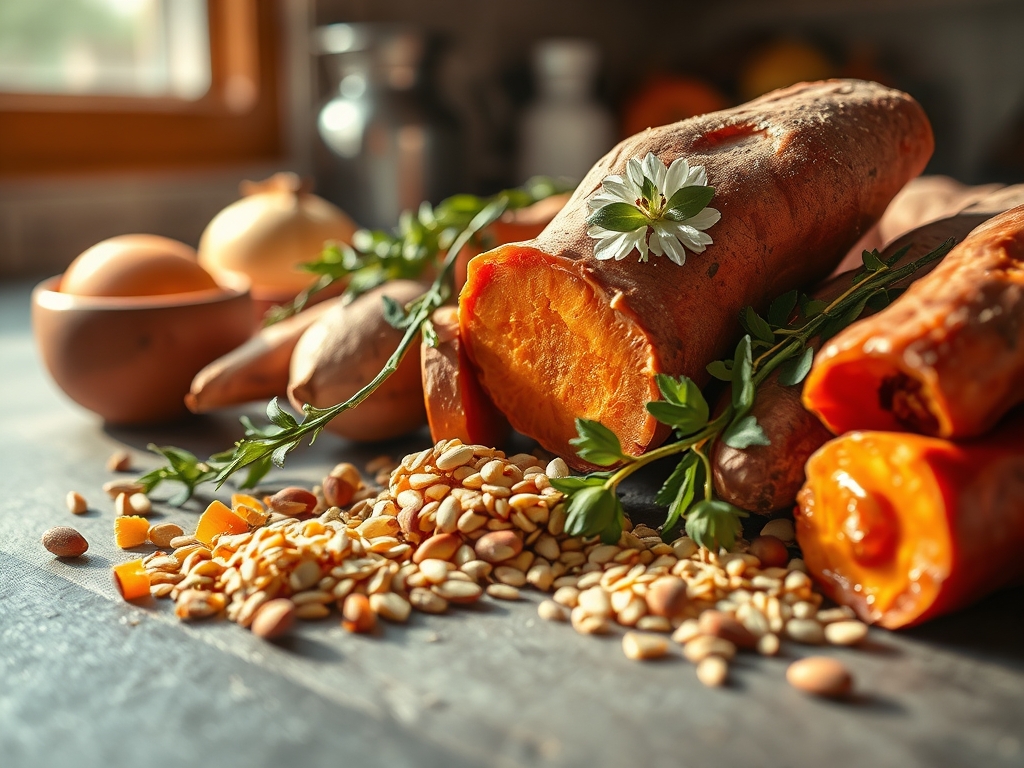
To execute these sweet potato recipes for diabetics with professional precision, your mise en place must be impeccable. Start with the star: jewel or garnet sweet potatoes, which offer a viscous texture when roasted. You will need a sharp chef's knife to ensure uniform surface area; this is critical for even heat distribution. Gather high quality fats like extra virgin olive oil or avocado oil, which have high smoke points to prevent the formation of acrolein during roasting.
For the piquant flavor profiles, keep a microplane ready for zesting limes and grating fresh ginger. We are utilizing "Smart Substitutions" to keep the glycemic load low. Instead of maple syrup, we use cinnamon and nutmeg to trick the brain into perceiving sweetness through aromatic association. Replace heavy creams with full fat Greek yogurt to add a probiotic tang and a protein punch. Essential tools for this journey include a digital scale for precise portioning, a bench scraper to move your aromatics efficiently, and a saucier for creating silk-smooth reductions.
The Clock: Timing the Chef's Flow
Efficiency in the kitchen is about managing the "Chef's Flow." Total active preparation for these seven meals spans about 45 minutes, while total cook time averages 35 minutes per dish. The secret lies in parallel processing. While your sweet potatoes are undergoing the Maillard reaction in a 400 degree oven, you should be using your mandoline to shave radishes or prepping your proteins.
Always allow for a five minute "rest period" for roasted vegetables. This allows the internal steam to redistribute, preventing the exterior from becoming soggy. If you are meal prepping for the week, roasting a large batch of tubers on Sunday takes 60 minutes but reduces your weeknight "active" time to a mere 10 minutes per meal.
The Masterclass:
1. The Precision Dice and Roast
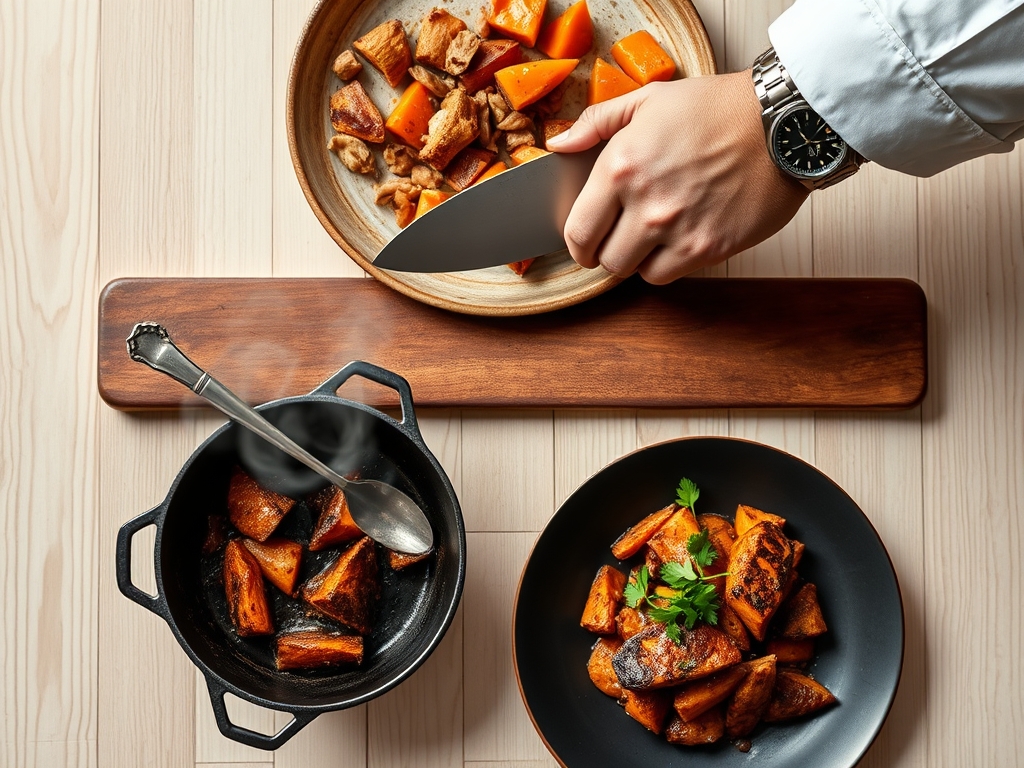
Begin by peeling your tubers and dicing them into consistent half inch cubes. Use your bench scraper to transfer them to a sheet pan. Toss with oil, salt, and smoked paprika until every surface is glistening.
Pro Tip: This prevents enzymatic browning. By coating the cut surfaces in oil immediately, you create a lipid barrier that stops oxygen from reacting with the polyphenol oxidase in the potato.
2. The Searing Phase
Heat your heavy bottomed skillet until a drop of water flicked onto the surface dances and evaporates instantly. Add the potatoes in a single layer. Do not crowd the pan, or they will steam rather than sear.
Pro Tip: This stage relies on the Maillard reaction. This chemical reaction between amino acids and reducing sugars creates the complex, savory flavors that make roasted vegetables taste "meaty."
3. The Aromatic Infusion
Once the potatoes are golden, add minced garlic, shallots, and fresh thyme. Use tongs to toss the mixture, ensuring the aromatics do not burn but instead infuse the oil.
Pro Tip: Garlic contains sulfur compounds that become bitter if overheated. Adding them during the final three minutes of cooking utilizes thermal carryover to soften their bite without scorching.
4. The Deglaze and Emulsify
Pour a splash of vegetable stock or dry white wine into the pan. Use a wooden spoon to scrape up the browned bits (the fond) from the bottom.
Pro Tip: This is called deglazing. The liquid pulls the concentrated flavor from the pan and, when swirled with a cold pat of butter or a spoonful of yogurt, creates a temporary emulsification that coats the potatoes in a velvet sauce.
5. The Protein Integration
Fold in your chosen protein; think blackened salmon, shredded rotisserie chicken, or spiced chickpeas. Use your digital scale to ensure you are hitting a 1:1 ratio of protein to starch.
Pro Tip: Combining starch with protein and healthy fats significantly lowers the glycemic index of the meal by slowing down gastric emptying.
6. The Acid Brightening
Just before serving, use your microplane to shower the dish with lemon zest and a squeeze of fresh juice.
Pro Tip: Acid acts as a flavor "highlighter." It cuts through the density of the starch and the richness of the fats, balancing the pH of the dish for a cleaner finish on the palate.
7. The Final Aeration
Gently toss the finished meal with fresh arugula or microgreens. The residual heat will slightly wilt the greens without turning them into a swampy mess.
Pro Tip: This adds volume and aeration to the plate. Increasing the physical volume of the meal with low calorie greens helps with satiety signals in the brain.
The Deep Dive: Nutrition and Troubleshooting
Technically speaking, a medium sweet potato contains about 26 grams of carbohydrates and 4 grams of fiber. For diabetics, the fiber is the hero; it acts as a metabolic speed bump. If you are looking for Dietary Swaps, vegans can substitute the Greek yogurt for a tahini based dressing to maintain that creamy mouthfeel. For those following a Keto-leaning protocol, keep the sweet potato portion to a half cup and double the cruciferous vegetables.
The Fix-It: Common Pitfalls
- Soggy Potatoes: This happens when the pan is overcrowded. The moisture escaping the potatoes creates a steam tent. Fix: Use two sheet pans or cook in batches.
- Burned Aromatics: Garlic turns acrid quickly. Fix: Always add "aromatic" ingredients during the last few minutes of high heat cooking.
- Lack of Depth: If the dish tastes flat, it usually lacks acid or salt. Fix: Add a teaspoon of apple cider vinegar or a pinch of flaky sea salt.
For Meal Prep, the science of reheating is vital. To maintain "day one" quality, avoid the microwave, which vibrates water molecules and turns starch into mush. Instead, use an air fryer or a hot skillet for three minutes to re-crisp the exterior.
The Wrap-Up:
You have now mastered the art of the diabetic friendly tuber! By focusing on the chemistry of the Maillard reaction and the structural integrity of the starch, you have transformed a simple root vegetable into a sophisticated, blood sugar stable masterpiece. These sweet potato recipes for diabetics are not just about restriction; they are about celebrating flavor, texture, and the joy of a well cooked meal. Now, grab your tongs, fire up that skillet, and let the kitchen become your laboratory of deliciousness.
The Kitchen Table:
Can diabetics eat sweet potatoes every day?
Yes, in moderation. Their high fiber content and lower glycemic index compared to white potatoes make them an excellent daily starch. Always pair them with a lean protein and healthy fat to ensure a stable blood sugar response.
What is the best way to cook them for low glucose impact?
Boiling or roasting are ideal. Boiling actually preserves more of the resistant starch; however, roasting at high heat develops more flavor. Avoid deep frying, as the oxidized oils can increase inflammation and affect insulin sensitivity.
Should I leave the skin on?
Absolutely. The skin contains a significant portion of the potato's fiber and antioxidants. Just be sure to scrub them thoroughly with a vegetable brush to remove any residual soil before dicing and roasting.
How do I prevent sweet potatoes from getting too mushy?
Start with high heat and avoid over stirring. Let the potatoes sit undisturbed in the pan for the first five minutes to develop a crust. This structural "shell" keeps the interior creamy while providing a necessary textural contrast.