
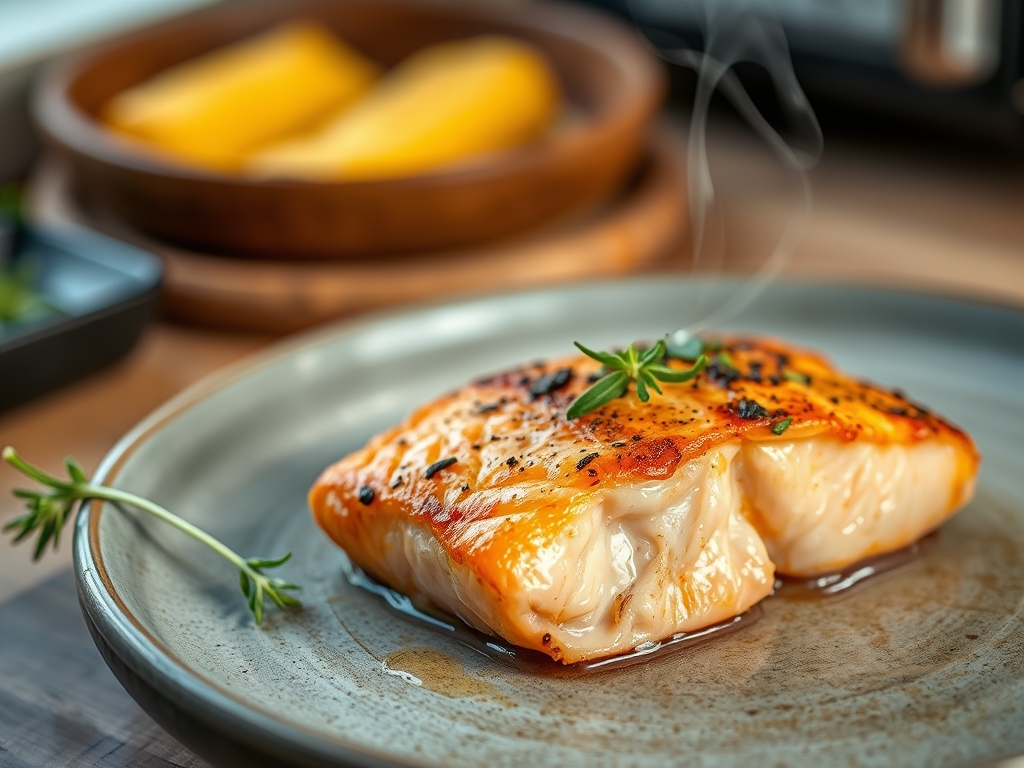
Picture this: the clock is ticking; your stomach is growling; and you are staring at a beautiful piece of Atlantic salmon that you simply do not have forty minutes to roast. You want that buttery, melt-on-the-tongue texture without the lingering scent of a fish fry in your curtains. Welcome to the revolution of microwave salmon recipes. This is not about rubbery cafeteria food; it is about precision engineering and steam-convection physics. When we treat the microwave as a high-speed steamer rather than a reheating box, we unlock a world of succulent, omega-3-rich meals that are ready in under ten minutes. We are talking about professional-grade protein that fits into your busiest Tuesday night. By leveraging the way water molecules vibrate under electromagnetic radiation, we can actually achieve a more even cook than a traditional pan-sear. It is fast, it is clean, and it is scientifically superior for preserving the delicate fats that make salmon a superfood. Let us get into the lab.
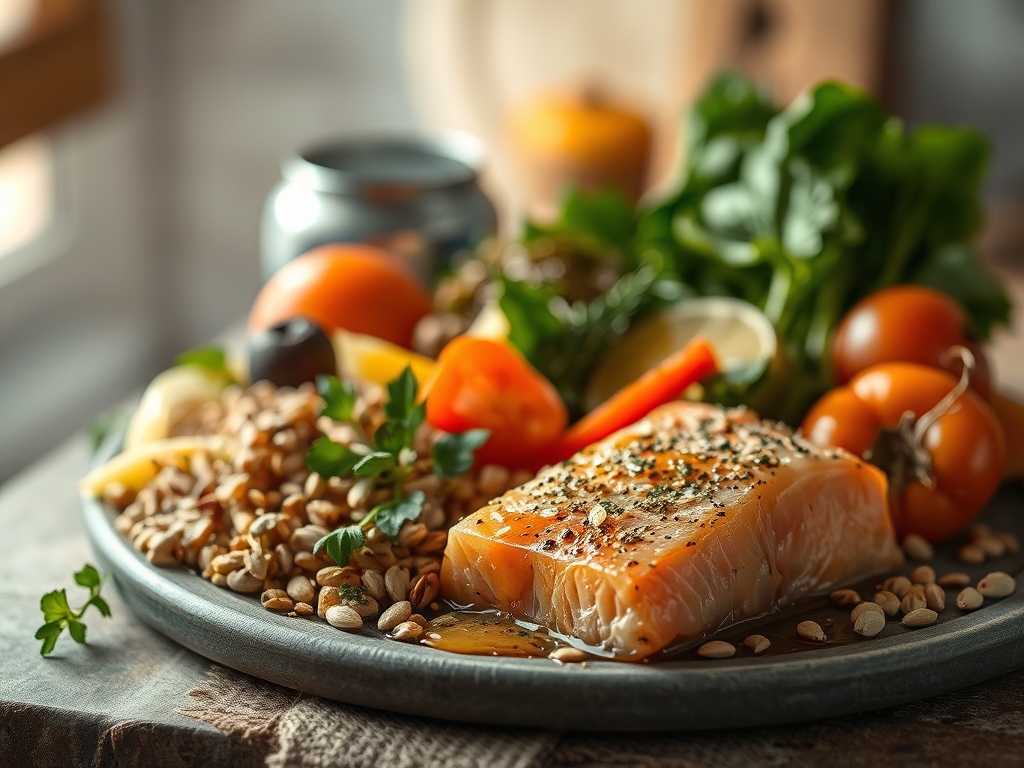
The Gathers:
To execute these microwave salmon recipes with surgical precision, your mise-en-place must be tight. Start with a six-ounce center-cut fillet; this cut is structurally superior because its uniform thickness ensures even heat distribution. You will need a viscous liquid for your glaze to prevent evaporation. Think honey, maple syrup, or a heavy-duty soy sauce. Grab your microplane to zest some fresh citrus and grate ginger; these aromatics contain volatile oils that will infuse the steam during the cooking process.
For the fat component, high-quality grass-fed butter or toasted sesame oil works best. These fats act as a thermal buffer, protecting the delicate proteins from over-coagulating. You will also need a digital scale to ensure your fillets are of equal weight, as a two-ounce difference can lead to uneven results.
Smart Substitutions: If you are dodging sodium, swap soy sauce for coconut aminos. If you lack fresh ginger, a pinch of ground galangal provides a similar piquant bite. For those avoiding dairy, a refined coconut oil offers the same mouthfeel as butter without the milk solids that can sometimes scorch in high-intensity waves.
The Clock
The beauty of this method lies in the "Chef's Flow." Total preparation time is exactly four minutes. This includes your knife work and the whisking of your glaze in a small saucier. The actual cooking time ranges from three to five minutes depending on the wattage of your appliance.
However, the most critical part of the clock is the "resting phase." You must allow for two minutes of thermal carryover after the timer dings. During this period, the internal temperature continues to rise while the moisture redistributes throughout the muscle fibers. If you cut into the fish immediately, the juices will flee, leaving you with a dry result. Total time from fridge to fork: nine minutes.
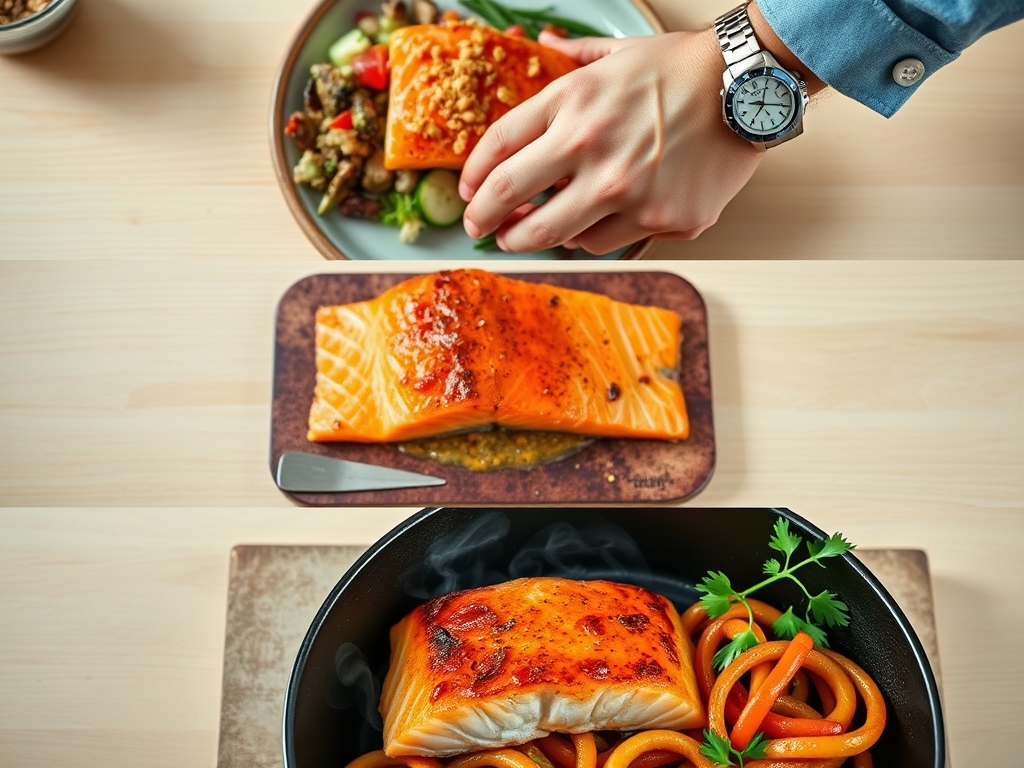
The Masterclass
1. The Parchment Envelope
Place your seasoned fillet on a large square of parchment paper. Fold the edges tightly to create a sealed pouch. This creates an enclosed steam chamber that mimics the French en papillote technique.
Pro Tip: This method utilizes latent heat of vaporization. By trapping the steam, you ensure the salmon cooks in its own juices, which prevents the albumin (the white protein) from leaking out excessively.
2. The Citrus Steam Bed
Lay three thin slices of lemon or orange on a microwave-safe plate and perch the salmon on top. Cover the dish tightly with microwave-safe plastic wrap, leaving one tiny corner open for air to aerate.
Pro Tip: The citric acid in the fruit begins a process of denaturation even before the heat hits. This pre-cooks the exterior slightly, resulting in a firmer, more "poached" texture.
3. The Glaze and Shield
Brush your fillet with a thick mixture of miso and honey. Use a silicone pastry brush to ensure every millimeter is covered. The sugars in the glaze will help attract the microwave energy to the surface.
Pro Tip: This creates a dielectric barrier. The glaze absorbs the majority of the initial energy, protecting the interior of the fish from cooking too quickly and becoming "rubbery."
4. The Water Bath Trick
Place your salmon in a shallow glass dish and add two tablespoons of dry white wine or vegetable stock. Cover with a heavy lid to create a pressurized environment.
Pro Tip: The liquid acts as a heat sink. It regulates the temperature of the dish, ensuring that no part of the salmon exceeds 212 degrees Fahrenheit, which is the boiling point of water.
5. The Butter Baste
Top your fillet with a tablespoon of compound butter. As the microwave runs, the butter will render and wash over the fish, creating a rich, silky coating.
Pro Tip: Fat is a poor conductor of electricity but a great conductor of heat. The melting butter creates a convective current that helps cook the salmon from the top down.
6. The Flash Rest
Once the timer stops, use tongs to move the salmon to a warm plate. Tent it loosely with foil for two minutes before serving.
Pro Tip: This allows for equilibrium. The concentrated heat at the edges of the fillet migrates toward the cooler center, resulting in a perfect medium-rare finish throughout.
The Deep Dive
From a macro perspective, salmon is a powerhouse. A standard six-ounce serving provides roughly 34 grams of protein and 22 grams of healthy fats. Because we are using the microwave, we are not adding the excessive oils required for pan-frying, keeping the calorie count lean and focused on nutrient density.
Dietary Swaps: For a Keto version, replace honey glazes with a mustard-heavy rub. For a Vegan "salmon" experience, this same microwave technique works wonders on thick slabs of watermelon or marinated tofu, though the cooking times will double to achieve the right texture.
The Fix-It:
- The White Gunk: If you see too much white albumin, you are cooking too fast. Lower the power level to 70 percent next time.
- The Fishy Smell: This is caused by oxidized fats. Use a splash of lemon juice or vinegar before cooking to neutralize the trimethylamine.
- The Cold Center: Your fillet was too thick. Use a bench scraper to butterfly the salmon before cooking to ensure a uniform thickness.
Meal Prep: To reheat salmon without the "fishy" office aura, use the microwave at 30 percent power in thirty-second bursts. This prevents the fats from reaching the "stink point" while gently warming the protein.
The Wrap-Up
Mastering microwave salmon recipes is like having a culinary cheat code in your back pocket. It is about respecting the biology of the fish and the physics of the appliance. You are now equipped to produce a flaky, flavorful, and incredibly healthy meal in less time than it takes to order a salad. Go ahead and use your digital thermometer to check for that perfect 145 degree internal temp; your taste buds will thank you for the precision.
The Kitchen Table
How do I stop salmon from exploding in the microwave?
Cover the dish with a vented lid or parchment paper. This traps steam and maintains a consistent pressure environment. Lowering the power level to 70 percent also prevents the rapid expansion of water molecules that causes "popping."
Is microwave salmon actually healthy?
Yes. In fact, microwaving often preserves more nutrients than boiling or frying. The short cooking time and minimal water usage prevent the leaching of water-soluble vitamins and keep the delicate omega-3 fatty acids from oxidizing under high heat.
How can I tell if the salmon is done?
Use a fork to gently press the thickest part of the fillet. If it flakes easily and the color has shifted from translucent to an opaque pink, it is ready. For precision, an internal temperature of 145 degrees is the gold standard.
Why does my salmon get tough in the microwave?
Toughness is a result of overcooking, which causes the protein fibers to contract and squeeze out moisture. Always use the "rest" period to allow for carryover cooking, and never cook on high power for more than four minutes.