
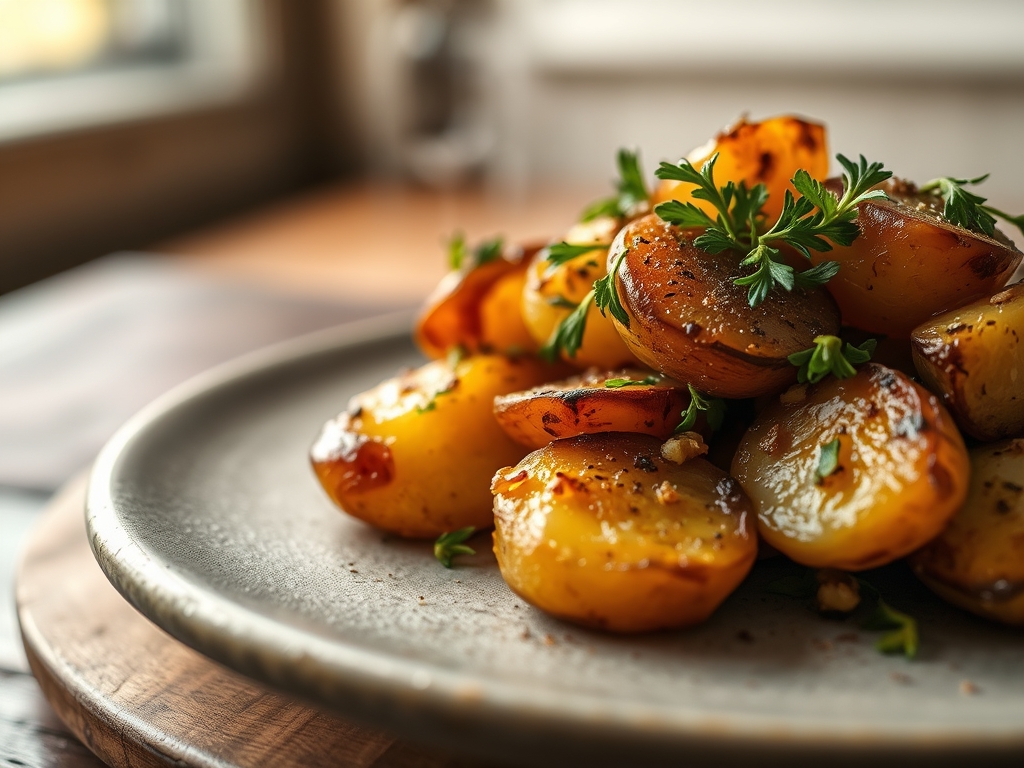
Imagine the scent of nutty, browned butter swirling through a Parisian kitchen as a cast iron skillet hisses with the promise of a golden crust. When you master traditional france potato recipes, you are not just cooking a side dish; you are conducting a symphony of starch and fat. The French have an almost spiritual relationship with the tuber, treating it with a level of reverence usually reserved for fine wine or silk. From the silkiness of a proper puree to the architectural crunch of a galette, these dishes rely on the precise manipulation of amylose and amylopectin. We are going to dive deep into the chemistry of the humble spud, ensuring every bite is a masterclass in texture. Whether you are aiming for the decadent layers of a gratin or the airy puff of a pomme soufflee, the secret lies in temperature control and moisture management. Grab your apron and your sharpest chef's knife; we are about to transform your kitchen into a high-end bistro where the potato is the undisputed star of the show.
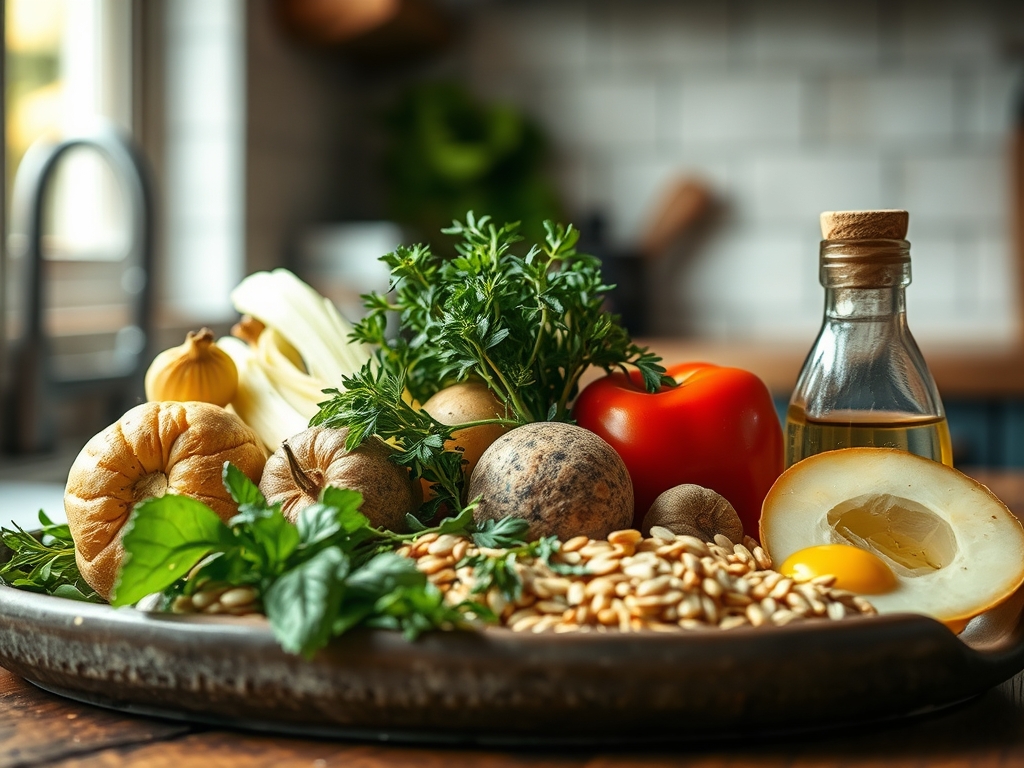
The Gathers:
To execute these france potato recipes with professional precision, your mise-en-place must be flawless. Start with the potatoes themselves. For dishes requiring structural integrity, like Pommes Anna, seek out waxy varieties like Charlotte or Yukon Gold. For the fluffiest Pommes Puree, you need the high starch content of a Russet or a Bintje. You will also need high-quality fats; specifically, European-style butter with at least 82 percent butterfat. This higher fat-to-water ratio ensures a more viscous mouthfeel and prevents your sauces from breaking.
Your aromatics should include fresh thyme, rosemary, and garlic cloves that are still tight in their skins to prevent scorching. For the dairy components, heavy cream and whole milk are non-negotiable for achieving that signature French richness. You will also want a high-quality sea salt, such as Fleur de Sel, to provide a piquant finish that cuts through the fat.
Smart Substitutions:
If you are looking for a lighter profile, you can swap heavy cream for a mixture of whole milk and a touch of Greek yogurt to maintain acidity. For a vegan approach, use a high-quality vegan butter made from cashew or coconut oil, which mimics the melting point of dairy fat. If you cannot find Yukon Golds, any yellow-fleshed potato with medium starch will suffice, though you may need to adjust your rinsing process to manage surface starch.
The Clock: Chef's Flow
Timing is the difference between a soggy mess and a culinary triumph. Prep time for these classics typically spans 30 to 45 minutes, largely depending on your knife skills. Slicing potatoes for a Gratin Dauphinois requires a mandoline for uniform thickness, which is essential for even cooking.
The cooking phase varies wildly. A simple Pomme Sarladaise might take 20 minutes in a heavy-bottomed skillet, while a slow-baked Gratin requires 60 to 75 minutes to allow the starches to fully gelatinize and the cream to reduce into a thick, savory glaze. The "Chef's Flow" dictates that you should always start with your longest-cooking item first. While the oven handles the heavy lifting, you can focus on high-heat tasks like searing or emulsifying a butter sauce. Always build in a 10-minute resting period for baked dishes; this allows the internal temperature to stabilize and the liquids to reabsorb into the potato fibers.
The Masterclass:
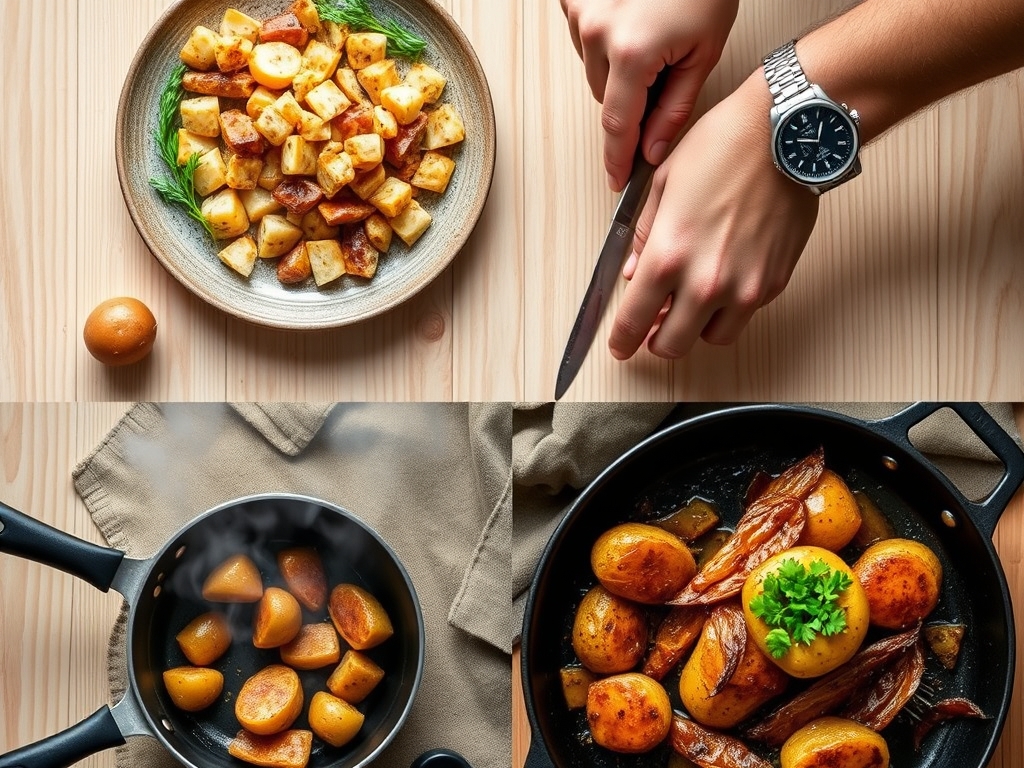
1. The Precision Slice
Using a mandoline or a very sharp chef's knife, slice your potatoes into uniform rounds, approximately 3 millimeters thick. Uniformity is not just for aesthetics; it ensures that every slice reaches the same stage of starch gelatinization at the exact same moment.
Pro Tip: Do not soak your slices in water for gratins. The surface starch acts as a natural thickener for the cream, creating a cohesive, velvety sauce through a process called starch leaching.
2. The Cold Start Infusion
Place your sliced potatoes in a saucier with cold cream, crushed garlic, and herbs. Starting in cold liquid allows the heat to penetrate the potato evenly from the outside in, preventing the exterior from falling apart before the center is tender.
Pro Tip: Heating the dairy slowly prevents the proteins from denaturing too quickly, which avoids the "curdled" look often seen in rushed potato dishes.
3. The Fat Rendering
For recipes like Pommes Sarladaise, melt duck fat in a heavy-bottomed skillet over medium-low heat. Add the potatoes and toss to coat every surface. The fat acts as a heat transfer medium, ensuring even browning without dehydrating the interior of the potato.
Pro Tip: This technique utilizes the Maillard reaction, a chemical reaction between amino acids and reducing sugars that gives browned food its distinctive flavor.
4. The Gentle Aeration
When making Pommes Puree, pass your boiled potatoes through a food mill or a ricer while they are still steaming hot. This breaks the cellular structure of the potato without overworking the starch, which would result in a gummy, glue-like texture.
Pro Tip: Working with hot potatoes allows moisture to escape as steam, making room for the butter and cream you are about to incorporate for maximum fluffiness.
5. The Emulsification Phase
Slowly whisk cold, cubed butter into your hot potato puree one piece at a time. This creates a stable emulsion where the fat is suspended in the potato solids, resulting in a sheen that is the hallmark of a professional kitchen.
Pro Tip: Use a silicone spatula to fold the butter in gently. Over-mixing at this stage can shear the starch molecules, leading to a loss of that sought-after "cloud" texture.
6. The Thermal Carryover Rest
Once your potatoes are golden and tender, remove them from the heat and let them sit for at least five minutes before serving. This allows for thermal carryover, where the residual heat finishes the cooking process in the center of the potato.
Pro Tip: Resting allows the internal steam to redistribute, ensuring the potato is moist throughout rather than dry on the edges and wet in the middle.
The Deep Dive:
Understanding the nutritional and technical aspects of france potato recipes will elevate you from a home cook to a kitchen scientist. On average, a standard serving of these classics contains about 250 to 400 calories, primarily driven by the high-quality fats used. While they are carbohydrate-dense, potatoes offer significant potassium and Vitamin C.
Dietary Swaps:
For a Keto-friendly version, consider using celery root or daikon radish, which can mimic the texture of a potato when roasted in duck fat. For a Gluten-Free guarantee, ensure your thickening agents are strictly potato starch or cornstarch, though most traditional French recipes are naturally GF as they rely on cream reduction rather than flour-based roux.
The Fix-It:
- Gummy Puree: This happens when you overwork the starch. Fix it by spreading the puree in a thin layer on a baking sheet and drying it in a low oven for five minutes, then folding in a bit more warm cream.
- Broken Sauce: If your gratin looks oily, the heat was too high. Fix it by whisking in a tablespoon of cold cream very gently to re-emulsify the fats.
- Uneven Browning: If one side is dark and the other is pale, your skillet has hot spots. Use a heat diffuser or rotate your pan every five minutes to ensure even thermal distribution.
Meal Prep:
To reheat these dishes without losing quality, avoid the microwave. Use a low oven (300 degrees Fahrenheit) and cover the dish with foil to trap moisture. This prevents the fats from separating and keeps the starches from becoming crystalline and hard.
The Wrap-Up:
Mastering france potato recipes is a journey into the heart of culinary science. By respecting the starch, choosing the right fats, and controlling your temperatures, you can turn a basic root vegetable into a sophisticated masterpiece. Remember, the key is patience; whether you are waiting for that perfect emulsion or letting your gratin rest to perfection, the results are always worth the wait. Now, go forth and whisk, sear, and bake your way to a French-inspired feast that would make any Parisian chef proud!
The Kitchen Table:
What is the best potato for French recipes?
For frying or roasting, choose waxy Yukon Golds. For purees and mashes, high-starch Russets are superior. The starch content determines whether the potato holds its shape or breaks down into a fluffy, aerated texture.
How do I prevent my potatoes from turning brown?
Keep peeled potatoes submerged in cold water to prevent enzymatic browning. This occurs when oxygen reacts with the enzyme polyphenol oxidase. Adding a splash of lemon juice to the water further inhibits this oxidation process.
Why is my potato gratin curdled?
Curdling usually happens if the oven is too hot or the cream has a low fat content. Use heavy cream and keep the temperature around 350 degrees Fahrenheit to ensure the proteins remain stable during the long bake.
Can I make these recipes ahead of time?
Yes, most French potato dishes can be prepped a day early. Store them in the refrigerator and reheat slowly in the oven. This often improves the flavor as the aromatics have more time to infuse into the starch.
Do I need to peel the potatoes?
For classic French presentation, peeling is standard to ensure a uniform color and texture. However, leaving the skins on adds rustic charm and extra fiber, provided you scrub them thoroughly with a vegetable brush first.