
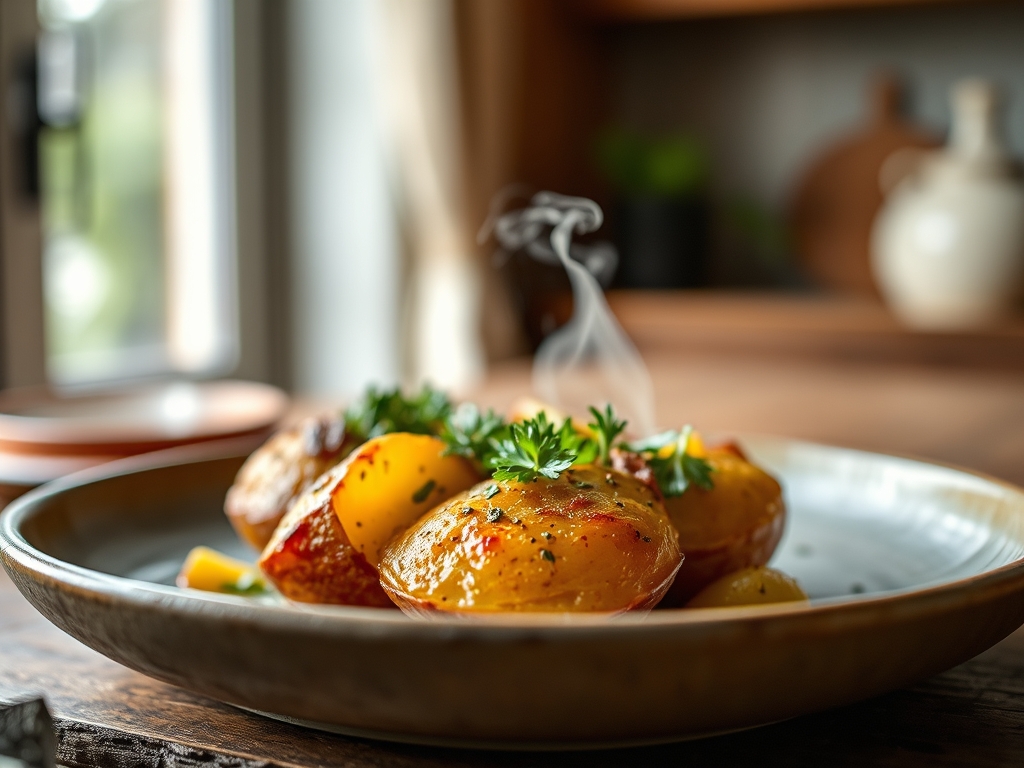
Imagine the sound of a knife slicing through a perfectly crisp, gold-burnished crust to reveal a center so light it practically defies gravity. We are not talking about basic side dishes here. When you master professional idaho potato recipes, you are essentially conducting a symphony of starch and heat. It is time to move past the grainy, heavy mashes of the past and embrace the scientific precision that turns a humble tuber into a culinary masterpiece.
The secret lies in the specific anatomy of the Idaho Russet. These beauties are high in starch and low in moisture, which is the exact chemical profile required for that coveted fluffy texture. If you have ever wondered why restaurant fries have that shatter-crisp exterior while yours turn into soggy sponges, the answer is molecular. We are going to harness the power of amylose and amylopectin to transform your kitchen into a high-end bistro. Grab your apron and your favorite heavy-bottomed skillet; we are about to dive deep into the chemistry of the perfect potato.
The Gathers:
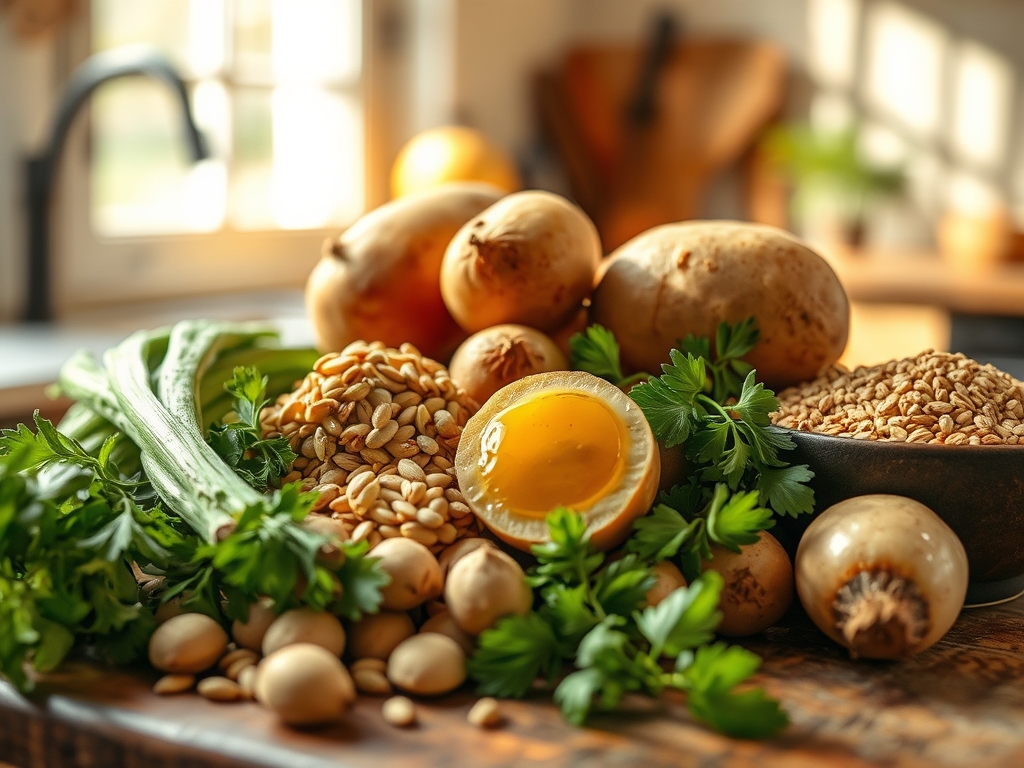
To achieve professional results, your mise-en-place must be precise. Start with five pounds of genuine Idaho Russets. You can identify them by their characteristic oblong shape and rough, netted skin. You will also need high-fat European butter (look for at least 82 percent butterfat) and heavy cream with a minimum of 36 percent milkfat. The higher fat content is crucial for creating a viscous, velvety emulsion that coats the tongue without feeling greasy.
For aromatics, gather fresh thyme, rosemary, and several cloves of garlic. We will use these to infuse our fats rather than tossing them in raw. You will also need high-quality kosher salt; its jagged crystal structure allows for better grip on the potato surface compared to fine table salt.
Smart Substitutions: If you are looking for a piquant twist, swap the heavy cream for full-fat Greek yogurt or creme fraiche to add a bright acidity. For a vegan profile, use a high-quality cashew cream and nutritional yeast to mimic the savory depth of parmesan. If you are out of fresh herbs, a pinch of ground nutmeg can enhance the earthy notes of the potato without overwhelming the palate.
The Clock
Efficiency in the kitchen is about "Chef's Flow," which means organizing your tasks so that no heat is wasted. Prep time for these idaho potato recipes usually clocks in at 20 minutes, mostly spent on scrubbing and peeling. The cooking phase takes approximately 45 to 60 minutes depending on your chosen method.
The "Flow" dictates that you should always start by heating your liquid aromatics. While your cream and butter are simmering on low, you are peeling. By the time the potatoes are boiled or roasted, your infusion is ready. This prevents the potatoes from cooling down and becoming gummy while you scramble to melt butter. Remember, once the cell walls of the potato are broken, the clock is ticking against the retrograde of starches.
The Masterclass
1. The Cold Start Method
Place your peeled and cubed potatoes in a large pot and cover them with cold, heavily salted water. Starting with cold water ensures that the exterior of the potato does not cook and disintegrate before the interior reaches the proper temperature. Bring the water to a gentle simmer rather than a rolling boil to prevent the outside from becoming waterlogged.
Pro Tip: This technique prevents enzymatic browning and ensures even heat distribution. If you drop potatoes into boiling water, the outside starch granules swell and burst immediately, creating a mealy texture before the center is even warm.
2. The Steam Dry
Once the potatoes are fork-tender, drain them immediately. Return the empty pot to the warm burner for 60 seconds. Shake the potatoes vigorously in the dry pot to evaporate every last drop of surface moisture. You should see a fine, white "dust" forming on the edges of the potatoes; this is the starch beginning to aerate.
Pro Tip: Removing excess moisture is the secret to a non-gummy mash. If water remains, it interferes with the fat's ability to emulsify with the potato solids, leading to a "broken" and watery texture.
3. The Ricer Revolution
Never, under any circumstances, use a hand mixer or a food processor. These high-speed blades shear the starch molecules, releasing a sticky glue that turns your dish into wallpaper paste. Instead, pass your dry potatoes through a stainless steel ricer or a food mill into a warm bowl.
Pro Tip: Using a ricer is a form of mechanical aeration. It separates the potato into tiny, uniform granules, allowing the fat to coat each individual grain without the need for heavy over-mixing.
4. The Fat Infusion
While the potatoes are still steaming hot, fold in your infused butter using a silicone spatula or a bench scraper. Add the butter first to coat the starch before adding any liquid. This creates a waterproof barrier that prevents the milk proteins in the cream from making the starch sticky.
Pro Tip: This process relies on lipid coating. By saturating the starch with fat before adding moisture, you ensure the texture remains light and fluffy rather than dense and elastic.
5. The Saucier Finish
For a truly professional finish, move your mixture to a saucier over low heat. Use a whisk to slowly incorporate your warm, herb-infused cream. Whisking gently incorporates air, giving the dish a cloud-like volume. Taste for seasoning and add salt only at the very end to ensure the flavor is balanced.
Pro Tip: Pay attention to thermal carryover. The potatoes will continue to thicken as they sit, so your final consistency should be slightly looser than you think is necessary.
6. The Maillard Crust
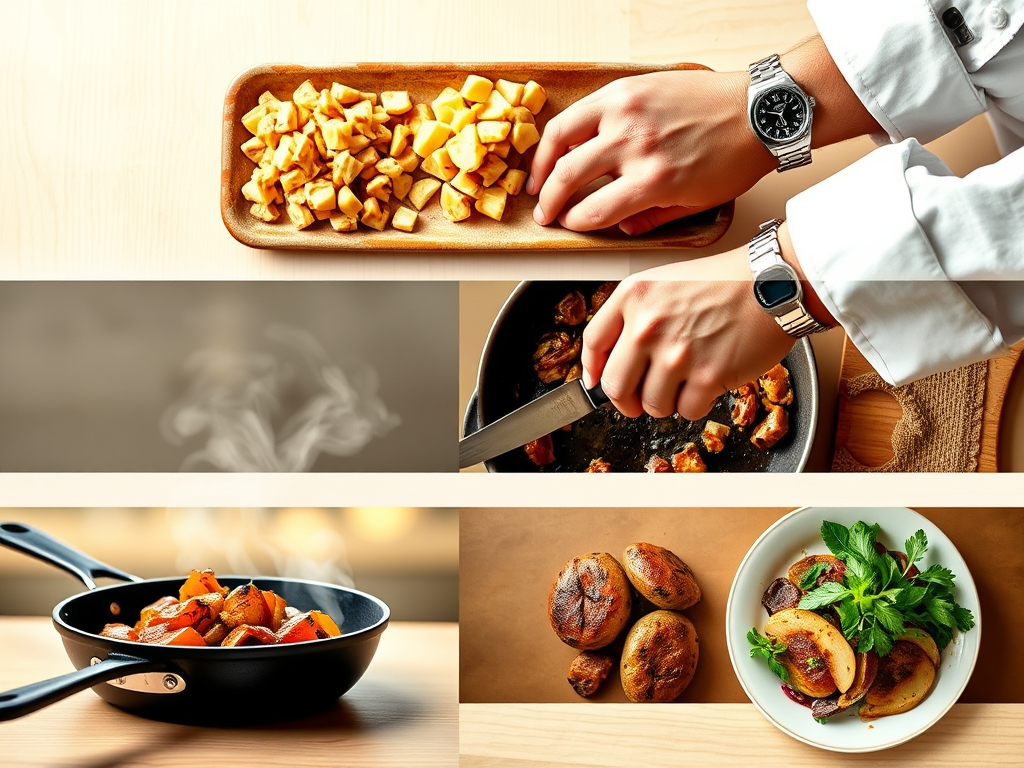
If you are roasting instead of mashing, use a heavy-bottomed skillet or a preheated baking sheet. Toss your parboiled potatoes in rendered duck fat or beef tallow. Roast at high heat until the exterior undergoes the Maillard reaction, creating a complex, savory crust that contrasts with the soft interior.
Pro Tip: The Maillard reaction occurs at temperatures above 285 degrees Fahrenheit. It is a chemical reaction between amino acids and reducing sugars that gives browned food its distinctive flavor and golden-brown hue.
The Deep Dive
From a nutritional standpoint, Idaho potatoes are a powerhouse of complex carbohydrates and potassium. One medium potato provides more potassium than a banana and is naturally gluten-free. For those following a Keto lifestyle, potatoes are generally avoided due to their high starch content; however, small portions of "smashed" potatoes can sometimes fit into a targeted carb-loading day for athletes.
The Fix-It:
- The Gluey Mess: If you over-mixed and the texture is gummy, spread the potatoes in a baking dish, top with cheese and breadcrumbs, and bake. The dry heat helps set the proteins and turns the failure into a delicious gratin.
- Too Salty: Do not add water. Instead, fold in more unseasoned mashed potatoes or a dollop of unsweetened heavy cream to dilute the sodium concentration.
- Discoloration: If your potatoes turn grey, it is likely due to a reaction between the iron in the potato and chlorogenic acid. Adding a teaspoon of lemon juice or cream of tartar to the boiling water prevents this chemical shift.
Meal Prep: To reheat idaho potato recipes with "day-one" quality, avoid the microwave. The microwave agitates water molecules and makes the starch rubbery. Instead, place them in a small saucepan with a splash of milk and heat over low, stirring gently to re-emulsify the fats.
The Wrap-Up
Mastering the art of the Idaho potato is a rite of passage for any serious home cook. By understanding the science of starch and the importance of temperature control, you elevate a simple root vegetable into something truly extraordinary. Whether you are whisking a silky mash in a saucier or achieving the perfect Maillard crunch in a cast iron pan, these techniques ensure your idaho potato recipes are the star of every meal. Go forth and cook with confidence; your kitchen is now a laboratory of flavor.
The Kitchen Table
Why are my mashed potatoes always gummy?
Gummy potatoes are caused by over-working the starch. When you use a food processor or over-mix, the starch molecules break and release amylopectin, creating a sticky, glue-like texture. Always use a ricer or food mill for a light, fluffy result.
Do I really need to start potatoes in cold water?
Yes. Starting in cold water ensures the potato cooks evenly from the outside to the center. If you start with boiling water, the exterior becomes mushy and waterlogged before the middle is cooked through, ruining the final texture.
Can I peel the potatoes ahead of time?
You can peel them up to 24 hours in advance. To prevent oxidation and browning, submerge the peeled potatoes completely in a bowl of cold water and store them in the refrigerator until you are ready to cook.
What is the best fat for roasting Idaho potatoes?
Animal fats like duck fat, lard, or beef tallow have high smoke points and provide incredible flavor. For a vegetarian option, use clarified butter or avocado oil to achieve a crisp, golden-brown crust without burning.