
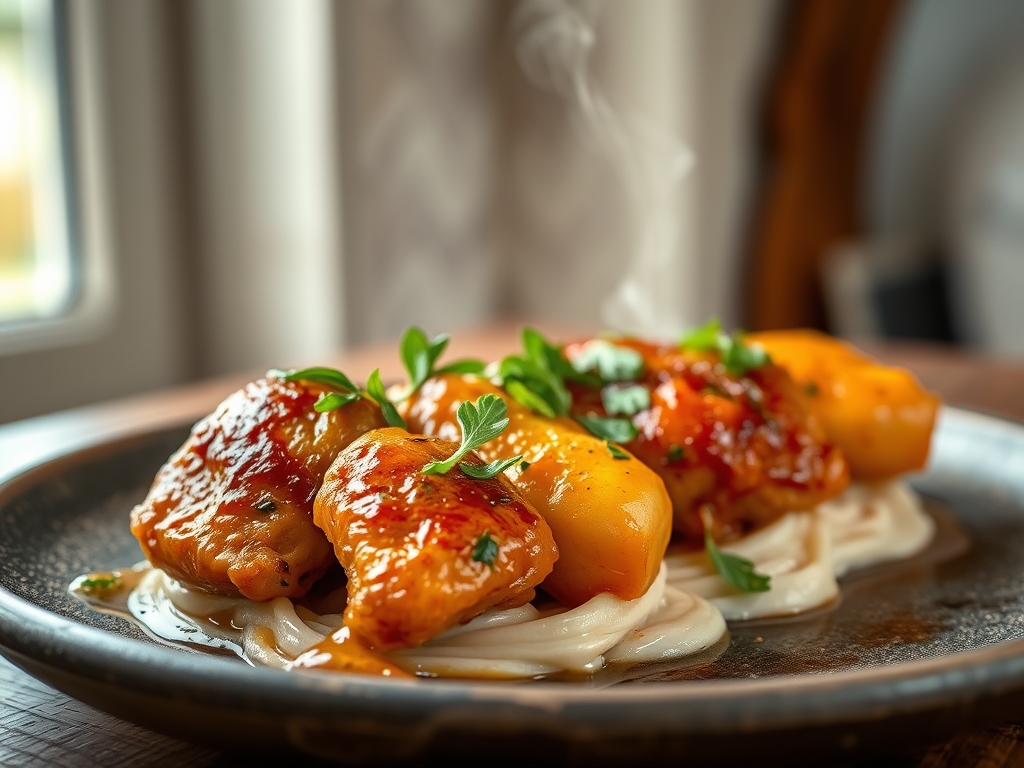
Picture the scene. The kitchen air is thick with the scent of toasted chili flakes and the deep, floral musk of wildflower honey. You pull a tray of shimmering, amber-glazed thighs from the oven; the skin is so crisp it practically shatters, yet it is cloaked in a sticky, spicy lacquer that clings to every crevice. These hot honey chicken recipes are not just food; they are a masterclass in the addictive tension between capsaicin heat and glucose-driven sweetness. We are chasing that perfect bite where the piquant sting of a habanero infusion meets the soothing, viscous embrace of a high-quality nectar. It is a sensory rollercoaster that hits every taste bud on your tongue simultaneously. Whether you are hosting a rowdy game night or just treating yourself to a solo gourmet moment, mastering this balance is your new culinary superpower. Forget those one-dimensional bottled sauces. We are going deep into the chemistry of the glaze to ensure your chicken stays juicy while the exterior achieves a level of crunch that would make a professional fryer jealous.
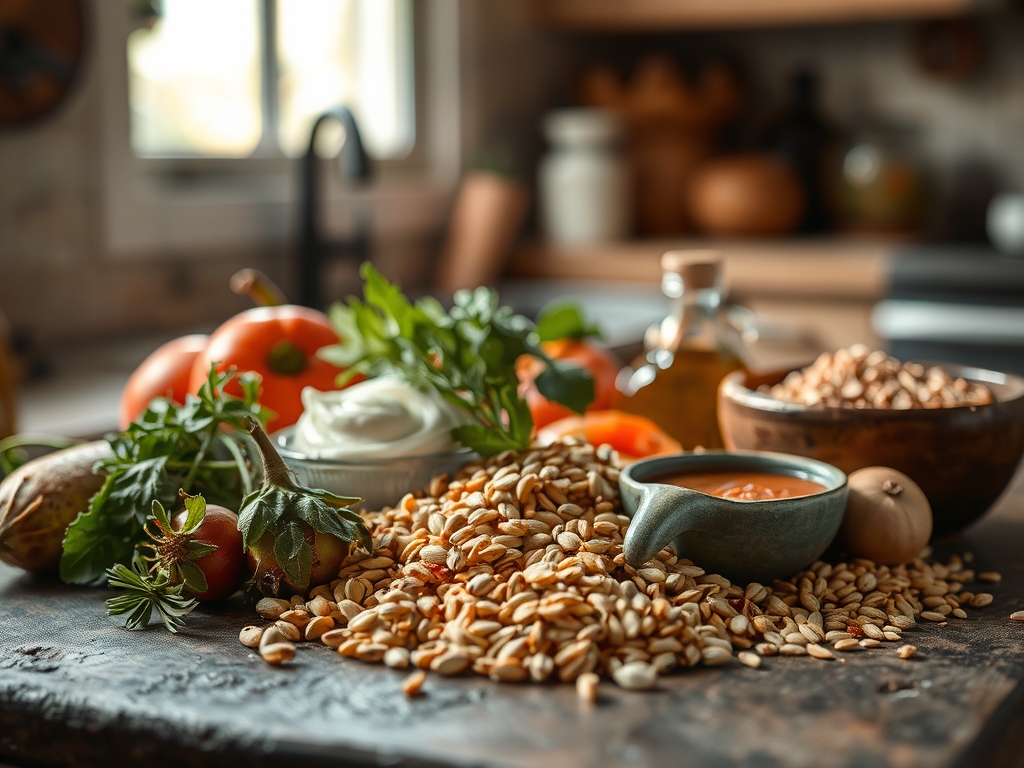
The Gathers:
To execute these hot honey chicken recipes with precision, your mise-en-place must be flawless. Start with your protein: organic, air-chilled chicken thighs or breasts. Air-chilled poultry is superior because it lacks the excess water weight found in immersion-chilled birds, allowing for better Maillard reaction efficiency. For the honey, seek out raw, unfiltered varieties; these contain complex pollen profiles that stand up to the heat of a heavy-bottomed skillet. Your heat source should be multifaceted. Use dried Aleppo pepper for a smoky, raisin-like undertone and fresh Thai bird's eye chilies for a sharp, immediate floral sting.
You will also need high-smoke-point fats like avocado oil or clarified butter (ghee). Standard butter contains milk solids that will burn before your chicken reaches the safe internal temperature of 165 degrees Fahrenheit. For acidity, keep a bottle of apple cider vinegar or a fresh lemon nearby. Acidity acts as a chemical brightener, cutting through the heavy lipids and sugars to prevent the palate from becoming fatigued.
Smart Substitutions:
If you are out of honey, maple syrup provides a thinner but equally delicious sugar base with a lower glycemic index. For a vegan alternative, use agave nectar paired with cauliflower florets or oyster mushrooms. If you lack fresh chilies, a fermented chili paste like Gochujang adds incredible depth and a boost of umami through fermentation.
The Clock:
Efficiency in the kitchen is about the "Chef's Flow." For these recipes, expect a prep time of 20 minutes and a cook time of approximately 25 to 30 minutes. The flow begins with the "Dry Brine Phase." Salting your chicken at least 30 minutes before cooking allows the salt to denature the proteins, drawing moisture in and ensuring the meat remains succulent during the high-heat application. While the chicken brines, move to the "Infusion Phase." This is when you use your saucier to gently heat the honey and spices. Never boil the honey; high heat destroys the delicate aromatics. Aim for a gentle simmer to allow the capsaicin to become fat-soluble and integrate into the honey's structure.
The Masterclass:
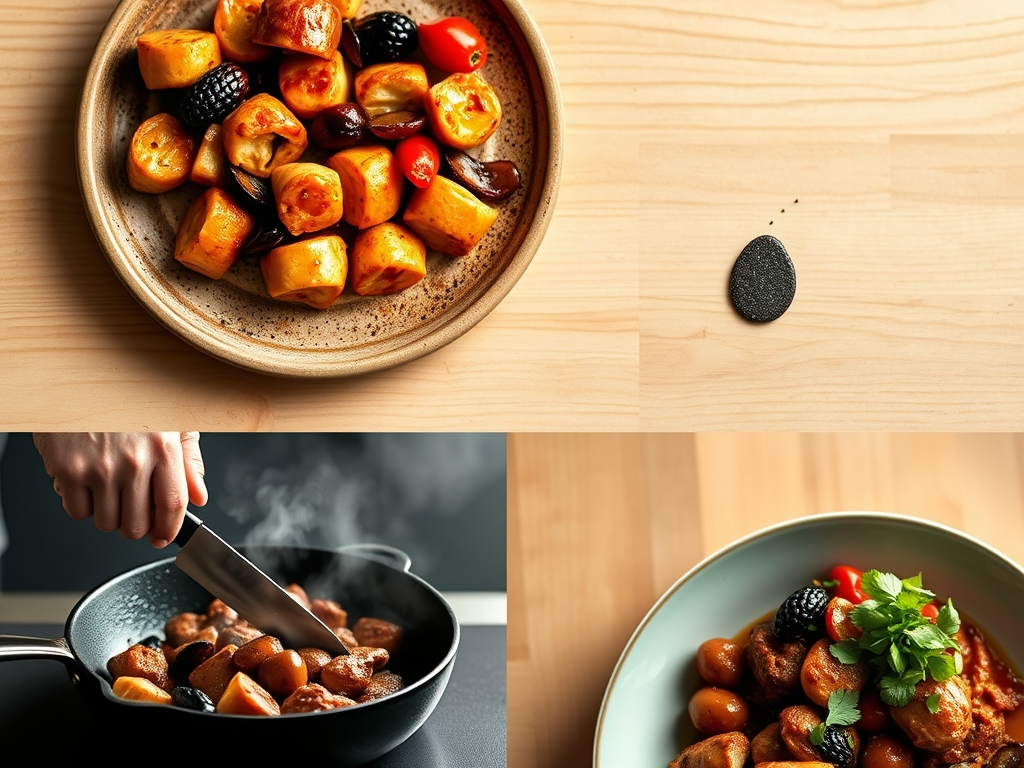
1. The Sear and Render
Place your seasoned chicken skin-side down in a cold, heavy-bottomed skillet. By starting cold, you slowly render the subcutaneous fat, resulting in a thin, glass-like skin. Use your tongs to press the chicken down, ensuring maximum surface contact for even browning.
Pro Tip: This technique exploits the Maillard reaction, a chemical dance between amino acids and reducing sugars. Starting cold prevents the skin from shrinking too quickly, which often traps unrendered fat underneath.
2. The Honey Infusion
While the chicken renders, use a microplane to zest fresh ginger into your honey. Add your chili flakes and a pinch of smoked paprika. Heat this mixture in a small saucier over the lowest setting until it becomes fluid and fragrant.
Pro Tip: This is a lipid-infusion process. Capsaicin is non-polar, meaning it dissolves better in fats or oils than in water. Adding a teaspoon of butter to your honey helps the spice "bloom" and coat the palate more effectively.
3. The Deglaze and Glaze
Once the chicken is golden, flip it and remove excess fat. Pour a splash of apple cider vinegar into the pan to deglaze, scraping up the brown bits (fond) with a wooden spoon. Pour your infused honey over the chicken, coating every inch.
Pro Tip: Deglazing utilizes solvent extraction to incorporate the concentrated flavors stuck to the pan back into your sauce, adding layers of savory complexity to the sweet glaze.
4. The Oven Finish
Transfer the skillet to a preheated oven at 400 degrees Fahrenheit. This allows for even thermal distribution, cooking the interior of the chicken without burning the sugar-heavy glaze on the outside.
Pro Tip: Watch for caramelization. Honey begins to caramelize at 320 degrees Fahrenheit. The oven's ambient heat creates a convection effect that sets the glaze into a tacky, professional-grade finish.
5. The Rest and Carryover
Remove the chicken from the heat when it hits 160 degrees Fahrenheit. Place it on a wire rack and let it rest for five minutes. The temperature will continue to rise to the target 165 degrees.
Pro Tip: This accounts for thermal carryover. Resting also allows the muscle fibers to reabsorb juices; if you cut it too soon, the moisture will escape, leaving you with dry meat.
6. The Final Garnish
Finish with a sprinkle of flaky sea salt and fresh herbs like cilantro or chives. The salt crystals provide a textural contrast and act as a flavor enhancer for both the sugar and the spice.
Pro Tip: This is about sensory layering. The large surface area of flaky salt provides immediate "flavor spikes" that prevent the honey from tasting cloying.
The Deep Dive:
From a macro perspective, hot honey chicken is a protein powerhouse. A standard serving of three ounces provides roughly 25 grams of protein. While the honey adds carbohydrates, the capsaicin in the chilies is known to slightly boost metabolic rate through thermogenesis.
Dietary Swaps:
For a Keto version, replace the honey with a monk-fruit-based maple syrup substitute. For Gluten-Free needs, ensure your spices are certified and use a cornstarch slurry if you need to thicken the glaze. Vegan enthusiasts can swap the chicken for "chicken-of-the-woods" mushrooms, which mimic the fibrous texture of poultry perfectly.
The Fix-It:
- Burnt Glaze: If the honey turns black, the heat was too high. Fix it by adding a splash of chicken stock or water to dilute the bitterness and lowering the flame immediately.
- Soggy Skin: This happens if the pan was crowded. Fix it by finishing the chicken under the broiler for 60 seconds, but watch it like a hawk.
- Too Much Heat: If the spice is overwhelming, add a dollop of Greek yogurt or a squeeze of lime. The fat in the dairy or the acid in the citrus will neutralize the capsaicin.
Meal Prep:
To maintain "day-one" quality, store the chicken and glaze separately if possible. When reheating, use an air fryer at 350 degrees for 4 minutes. This reactivates the sugars and recrisps the skin without overcooking the protein.
The Wrap-Up:
Mastering hot honey chicken recipes is your ticket to becoming the most popular cook in your circle. It is a dish that proves you understand the delicate balance of flavor chemistry and heat management. By focusing on the quality of your honey, the precision of your sear, and the science of the rest, you are elevating a simple meal into a gourmet experience. Now, grab your favorite skillet and go make some kitchen magic!
The Kitchen Table:
Can I use hot honey on fried chicken?
Yes. For the best results, toss the fried chicken in the warm glaze immediately after it emerges from the fryer. This allows the heat to "set" the sauce into the breading without making it soggy or losing the crunch.
How do I make my own hot honey?
Combine one cup of honey with two tablespoons of dried chili flakes in a small saucepan. Heat on low for ten minutes; do not boil. Strain the flakes out or leave them in for extra heat and visual texture.
What are the best sides for hot honey chicken?
Balance the heat with cooling or acidic sides. A tangy vinegar-based coleslaw, pickled cucumbers, or a creamy mac and cheese work beautifully. Roasted sweet potatoes also complement the floral notes of the honey glaze quite well.
How long does homemade hot honey last?
Stored in a sterilized glass jar at room temperature, homemade hot honey will last for several months. Do not refrigerate it; the cold temperature will cause the honey to crystallize and lose its smooth, pourable consistency.