
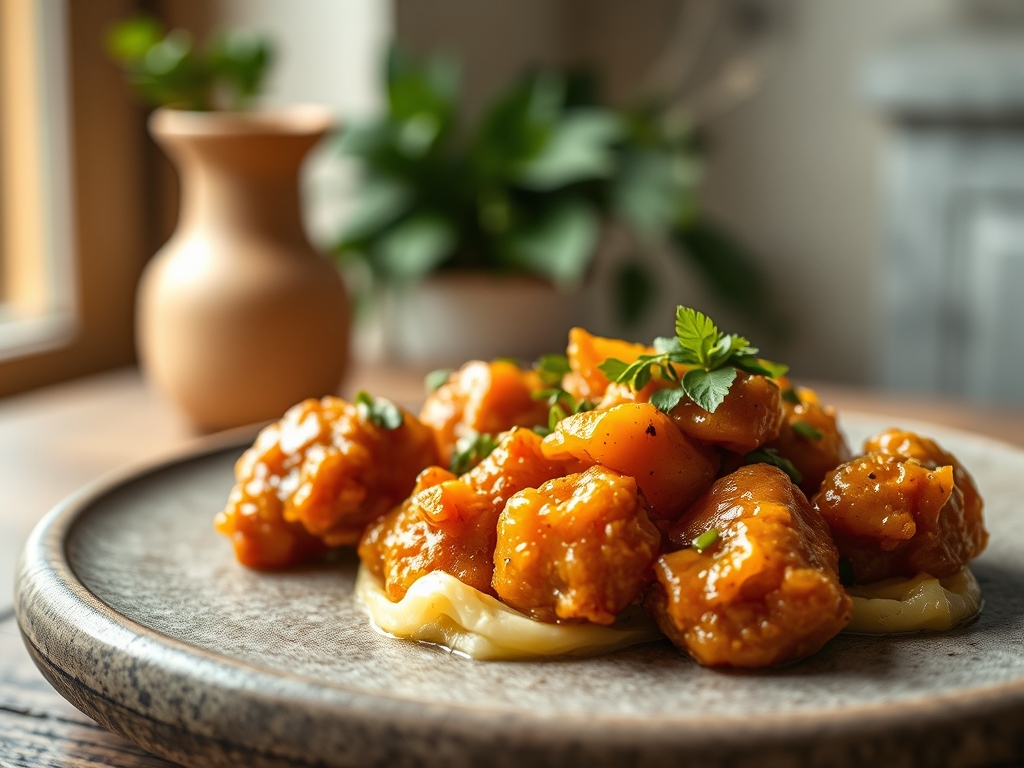
Imagine the sound of a roaring jet-engine wok as cold, marinated chicken hits shimmering oil. The air fills with a sharp, citrusy mist as orange zest meets high heat. This is the sensory peak of the best chinese orange chicken recipes; a perfect equilibrium of shattered-glass crunch and a glaze that clings like silk.
You have been there before, staring at a takeout box, wondering why the coating is soggy or the sauce tastes like bottled syrup. Today, we are changing that. We are moving beyond the basic stir-fry and entering the realm of molecular gastronomy and high-heat physics. We are going to master the art of the double-fry and the science of the reduction. Whether you want a classic spicy kick or a floral, honey-infused finish, these chinese orange chicken recipes are designed to turn your kitchen into a high-end bistro. We are talking about deep, amber hues and a piquant aroma that lingers. Grab your apron; we are about to make magic happen with a little bit of chemistry and a lot of heat.
The Gathers:
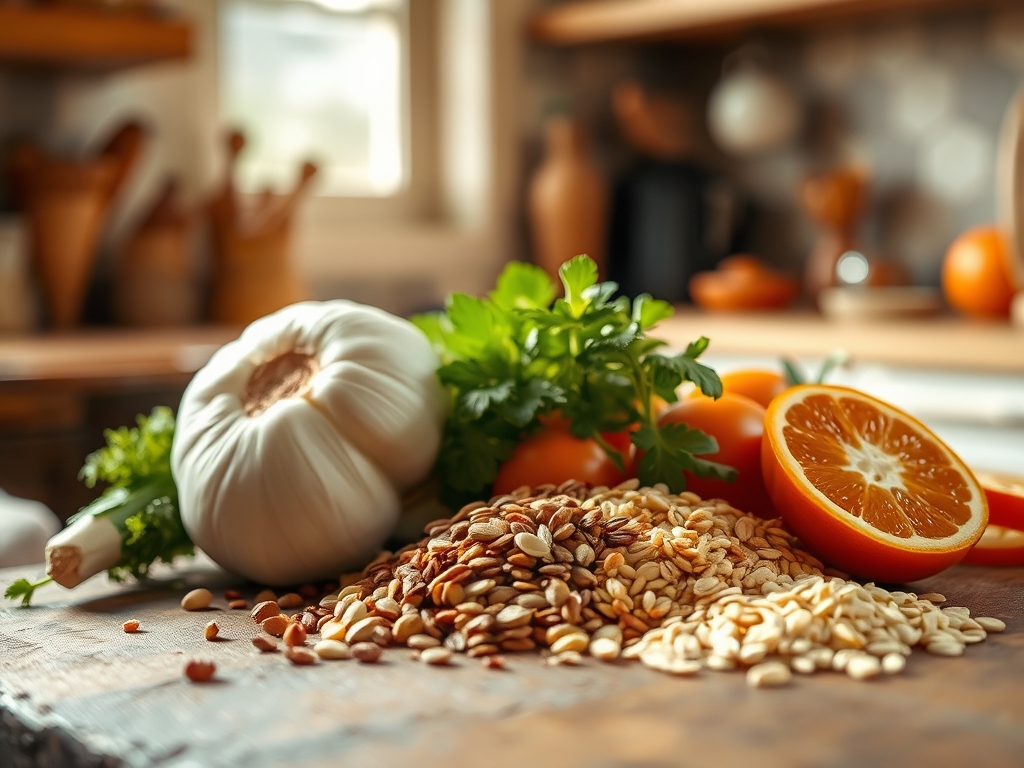
Creating the ultimate orange chicken requires a precise mise-en-place. Use your digital scale to measure 800 grams of boneless, skinless chicken thighs. Thighs are superior to breasts because they contain more connective tissue, which breaks down into gelatin, ensuring the meat remains succulent during the high-heat frying process.
For the batter, you need a 2:1 ratio of cornstarch to all-purpose flour. This creates a starchy matrix that provides structural integrity while remaining light and airy. Your liquid components include freshly squeezed cara cara or navel orange juice; avoid the carton stuff as it lacks the essential volatile oils found in fresh fruit. You will also need light soy sauce for salinity, dark soy sauce for that deep mahogany color, and rice vinegar to provide the necessary acidity to cut through the sugar.
Smart Substitutions:
If you are looking for a deeper aromatic profile, swap the rice vinegar for black vinegar (Chinkiang). It adds a malty, smoky layer. If you lack fresh oranges, a high-quality orange marmalade can work as a base, but you must reduce the added sugar to maintain the flavor balance. For a gluten-free version, replace the all-purpose flour with white rice flour; it actually increases the crunch factor due to its low protein content.
The Clock
Efficiency in the kitchen is about the Chef's Flow. Total preparation time is approximately 25 minutes, while active cooking time spans 15 minutes. However, the secret is the "resting phase." You must allow the marinated chicken to sit for at least 30 minutes. This allows the salt to penetrate the protein fibers through osmosis, seasoning the meat from the inside out.
The frying process happens in two stages. The first fry takes 4 minutes to cook the interior, followed by a 2-minute rest to allow thermal carryover to finish the job. The second fry is a 60-second flash-fry at a higher temperature to achieve maximum crispness. Total time from fridge to table is roughly 50 minutes.
The Masterclass
1. The Velveting Technique
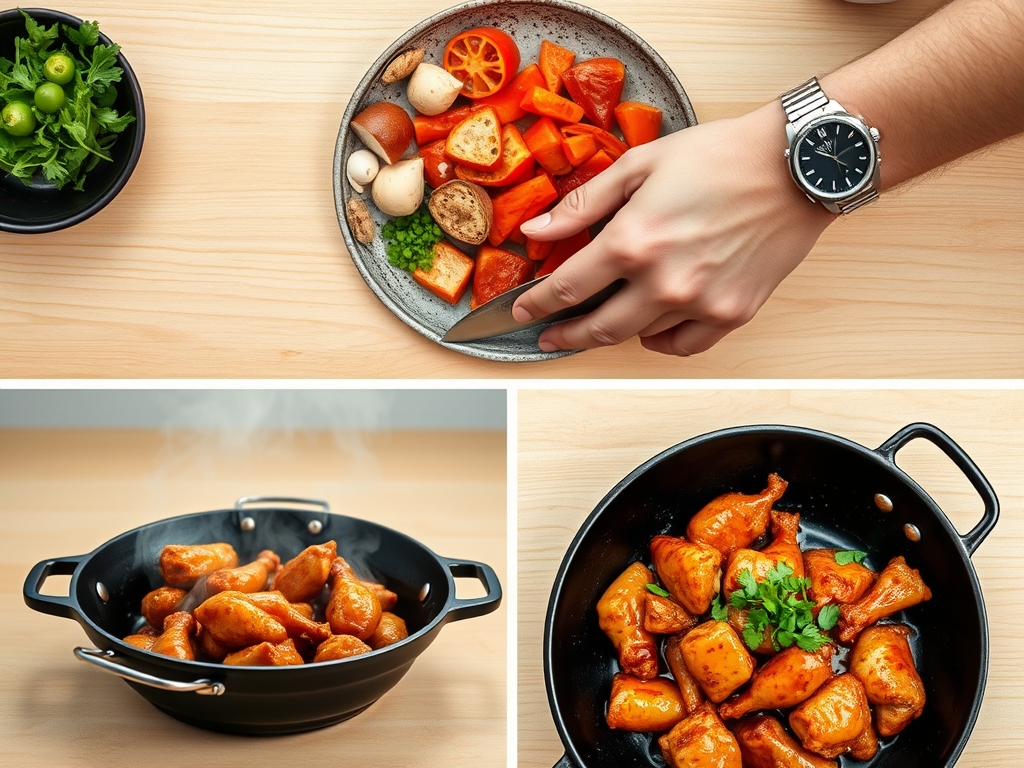
Slice your chicken into uniform 1-inch cubes. Toss them with a mixture of egg white, cornstarch, and a splash of shaoxing wine. This process, known as velveting, creates a protective barrier that prevents the meat from toughening when exposed to intense heat.
Pro Tip: The egg whites act as a leavening agent. When they hit the hot oil, the proteins expand and trap air, creating a micro-porous crust that stays crispy even after being tossed in sauce.
2. The First Deep Fry
Heat your neutral oil (peanut or canola) in a heavy-bottomed skillet or wok until it reaches 350 degrees Fahrenheit. Use a digital thermometer to ensure accuracy. Drop the chicken pieces one by one to prevent clumping. Fry until they are a pale golden straw color.
Pro Tip: Do not overcrowd the pan. Adding too much cold meat at once will drop the oil temperature, leading to oil absorption rather than searing. This results in a greasy, heavy mouthfeel.
3. The Recovery Rest
Remove the chicken with a spider strainer and place it on a wire cooling rack. Do not use paper towels, as they trap steam and soften the crust you just worked so hard to build.
Pro Tip: This rest period allows the internal moisture to redistribute. It prevents the "steaming from within" effect that often ruins fried coatings during the second stage of cooking.
4. The Citrus Reduction
While the chicken rests, use a saucier to combine your orange juice, zest, sugar, and aromatics. Bring it to a simmer over medium heat. You are looking for a viscous consistency where the sauce coats the back of a spoon (the nappe stage).
Pro Tip: Use a microplane to zest the orange directly over the pan. This captures the essential oils that usually spray onto the cutting board, intensifying the piquant aroma.
5. The Flash Fry
Increase your oil temperature to 375 degrees Fahrenheit. Carefully slide the chicken back into the oil for 60 to 90 seconds. This is where the Maillard reaction accelerates, turning the coating into a deep, shattered-glass bronze.
Pro Tip: The second fry evaporates any residual moisture that migrated to the surface during the rest, ensuring the crunch lasts for the duration of the meal.
6. The Emulsified Toss
Drain the chicken briefly, then immediately toss it into the simmering sauce. Add a slurry of cornstarch and water at the very end to bind the fats and sugars into a glossy, emulsified glaze.
Pro Tip: Adding a teaspoon of toasted sesame oil at the very end (off the heat) preserves its delicate aromatic compounds which would otherwise dissipate under high heat.
The Deep Dive
Macro Nutrition:
A standard serving of this orange chicken contains approximately 450 calories, 22g of protein, and 18g of fat. The sugar content is high due to the orange reduction, so pairing this with steamed broccoli or bok choy is essential for fiber balance.
Dietary Swaps:
For a Vegan version, use extra-firm tofu that has been pressed and frozen. Freezing changes the cellular structure of the tofu, giving it a "meaty" texture. For Keto enthusiasts, replace the sugar with allulose and use xanthan gum instead of cornstarch to thicken the sauce.
The Fix-It:
- Sauce is too thin: You likely didn't reduce the juice enough. Simmer it longer before adding the slurry, or increase the slurry concentration.
- Chicken is dry: You overcooked the first fry. Pull the meat out as soon as it hits 155 degrees Fahrenheit; the second fry will bring it to the safe 165 degree mark.
- Coating falls off: The chicken was too wet before the battering. Pat the meat dry with a bench scraper or towels before starting the velveting process.
Meal Prep:
To maintain "day-one" quality, store the sauce and fried chicken separately. Reheat the chicken in an air fryer at 400 degrees for 3 minutes to reactivate the crispness, then toss in the warmed sauce.
The Wrap-Up
Mastering chinese orange chicken recipes is a rite of passage for any home cook looking to bridge the gap between "good" and "professional." By focusing on the science of the double-fry and the aromatic power of fresh zest, you have elevated a humble takeout staple into a culinary masterpiece. Remember; cooking is a series of controlled chemical reactions. Control the heat, respect the ingredients, and always use a sharp zest. Now, go serve this up and watch everyone's jaw drop.
The Kitchen Table
How do I make orange chicken crispy?
The secret is the double-fry method. Fry once at 350F to cook the meat, let it rest, then flash-fry at 375F to create a shattered-glass texture that resists becoming soggy when sauced.
Can I use orange juice from a carton?
You can, but the flavor will be flat. Fresh oranges provide essential oils and acidity that bottled juice lacks. If using a carton, add extra zest and a squeeze of lime to brighten the profile.
Why is my orange chicken sauce too salty?
This usually happens if you use regular soy sauce instead of a combination of light and dark soy. To fix it, add a splash of water or a teaspoon of rice vinegar to balance the sodium.
What is the best chicken cut for this recipe?
Boneless, skinless chicken thighs are the gold standard. They contain enough fat and connective tissue to stay juicy during the high-heat frying process, whereas chicken breasts tend to dry out quickly.
How do I store leftovers without them getting mushy?
Store the sauce and chicken in separate airtight containers. Reheat the chicken in an air fryer or oven to restore the crunch before tossing it back into the warmed sauce for serving.