
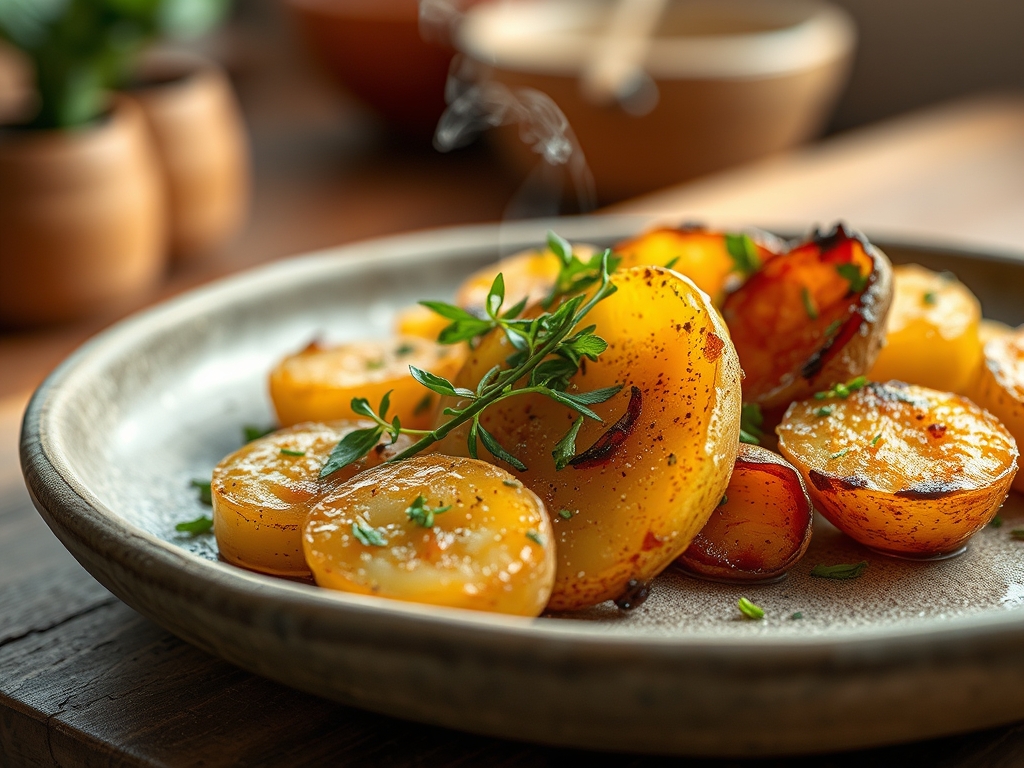
Picture this: a golden afternoon where the air is thick with the scent of blooming jasmine and the sharp, salty tang of a coastal breeze. You are lounging on the patio, drink in hand, while the grill hums a low tune in the background. Most people relegate the humble tuber to heavy winter stews; however, we are flipping the script today. These potato recipes for summer are designed to be light, acidic, and structurally sound enough to withstand a heatwave without losing their crunch. We are moving away from the gloopy, mayo-laden salads of yesteryear and stepping into a world of charred skins, herb-infused oils, and bright citrus vinaigrettes.
The potato is a culinary shapeshifter. Its high starch content allows it to act as a sponge for bold, seasonal flavors like ramp butter, preserved lemon, and smoked paprika. When treated with the right scientific approach, a simple Yukon Gold becomes a canvas for the Maillard reaction, yielding a shatteringly crisp exterior that hides a fluffy, cloud-like center. Whether you are hosting a high-energy backyard bash or a quiet sunset dinner, these eight variations will redefine your seasonal repertoire. We are going to master the art of the crisp, the cream, and the char.
The Gathers:
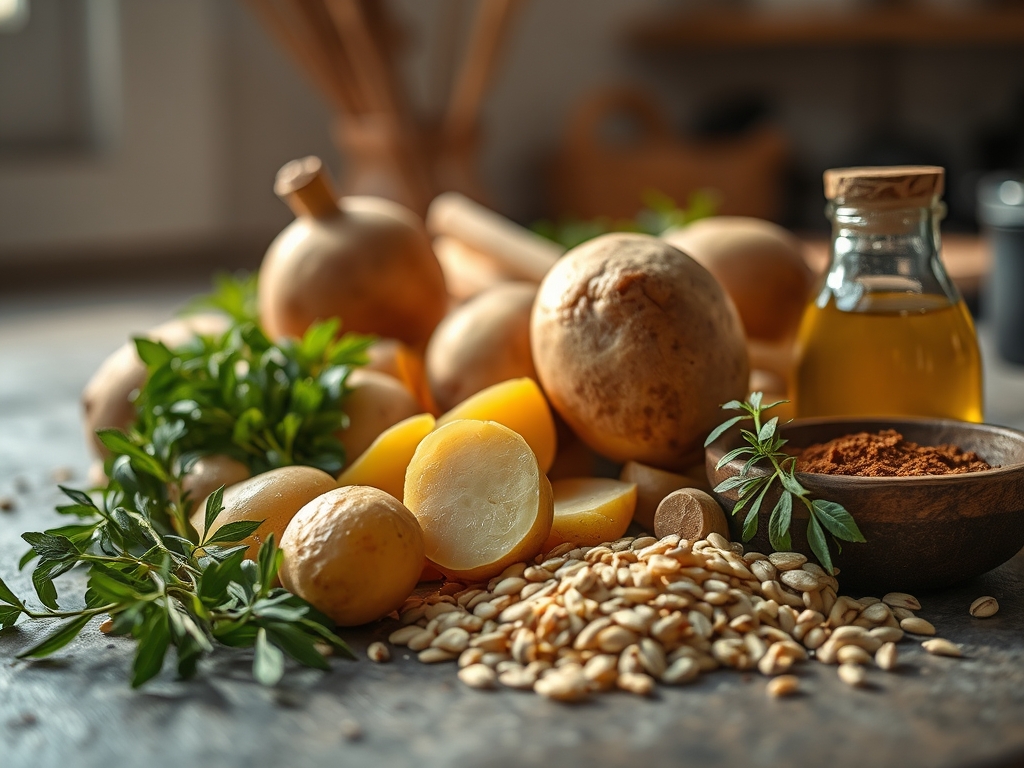
To execute these potato recipes for summer with precision, your mise-en-place must be immaculate. We are looking for high-moisture waxy potatoes like New Potatoes or Fingerlings for our salads, and high-starch Russets for anything destined for the deep fryer or the grill. You will need a digital scale to ensure your salt-to-water ratios are perfect for parboiling. Gather your aromatics: fresh mint, flat-leaf parsley, and chives. For the fats, we are using cold-pressed olive oil for its viscous mouthfeel and high-quality unsalted butter to render down for basting.
Smart Substitutions:
If you are looking to lighten the load, swap heavy cream for a Greek yogurt and tahini blend to maintain that piquant bite. Instead of traditional white potatoes, use purple Okinawan sweet potatoes for an antioxidant boost and a stunning visual pop. If you lack a saucier, a heavy-bottomed skillet will suffice for emulsifying your dressings, though the sloped sides of the former make whisking much more efficient.
The Clock
Efficiency in the kitchen is about "Chef's Flow." This means grouping your tasks by thermal intensity. Total prep time for these eight dishes spans about 45 minutes of active knife work, while cook times vary from 15 minutes for a quick sauté to 45 minutes for a slow-roasted wedge. Start by parboiling all your potatoes in one large pot of heavily salted water; this "blanching" phase sets the pectin and ensures the interiors stay intact during the secondary high-heat phase. While the potatoes undergo their first thermal transition, use your microplane to zest citrus and your bench scraper to clear your station. By the time the potatoes are fork-tender, your dressings should be fully emulsified and ready to infuse.
The Masterclass
1. The Parboil Foundation
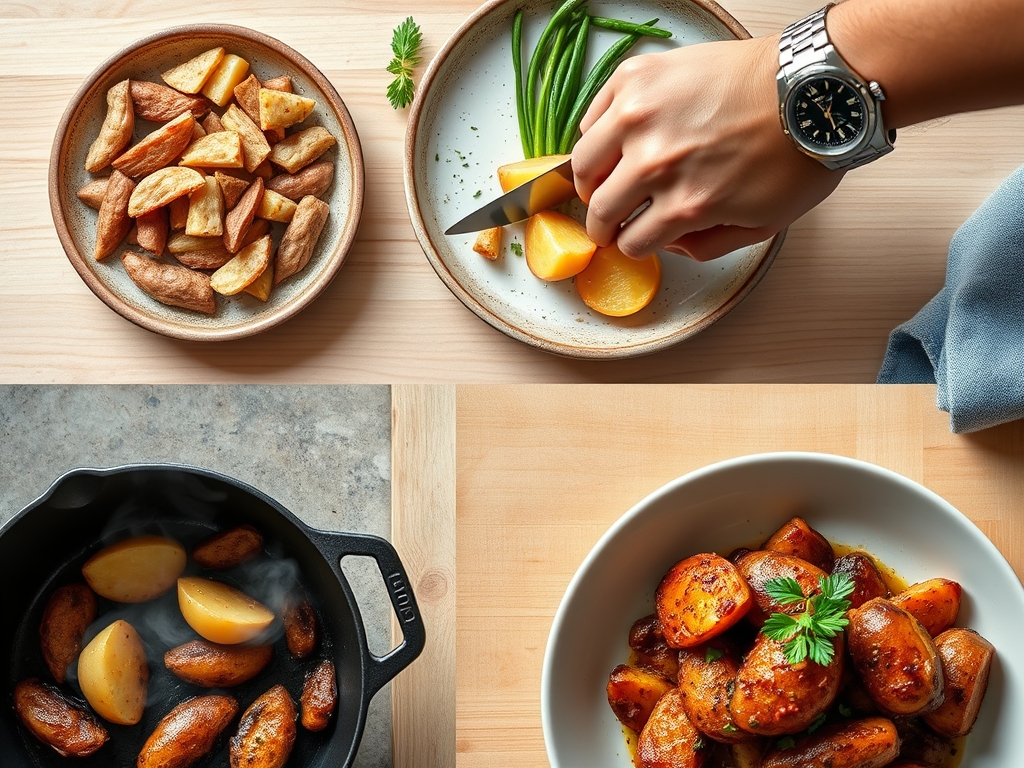
Place your scrubbed potatoes in cold, salted water and bring to a simmer. Starting in cold water ensures the potato heats evenly from the outside in, preventing a mealy exterior.
Pro Tip: This process involves starch gelatinization, where granules swell and burst. Adding a splash of vinegar to the water strengthens the cell walls (pectin), ensuring the potatoes don't fall apart.
2. The Smashed Char
Drain the potatoes and let them steam dry for five minutes. Use a heavy glass or a meat mallet to gently flatten them until the skins crack.
Pro Tip: Steam drying is essential to remove surface moisture. If the surface is wet, the energy from your pan goes into evaporation rather than the Maillard reaction, which is the chemical dance between amino acids and reducing sugars that creates browning.
3. The High-Heat Sear
Heat your heavy-bottomed skillet with a high-smoke-point oil. Place the potatoes flat-side down and do not move them for at least four minutes.
Pro Tip: Use tongs to check for a deep mahogany crust. This is the "release" point where the proteins have denatured and the potato naturally unbinds from the metal surface.
4. The Herb Infusion
Once flipped, toss in smashed garlic cloves and woody herbs like rosemary. Use a spoon to baste the hot oil over the potatoes.
Pro Tip: Fat is a flavor carrier. The volatile oils in the herbs are fat-soluble; by basting, you are performing a rapid lipid infusion that permeates the cracks of the potato.
5. The Acidic Brightness
Remove from heat and immediately toss with a lemon-shallot vinaigrette while the potatoes are still screaming hot.
Pro Tip: This utilizes thermal carryover. The heat of the potato allows the dressing to penetrate deeper into the starch structure, rather than just sitting on the surface.
6. The Aerated Garnish
Finely mince your soft herbs (mint and dill) and sprinkle them over the top just before serving.
Pro Tip: To aerate your herbs, use a very sharp chef's knife and a single-stroke motion. Bruising the herbs with a dull blade causes oxidation, turning your vibrant greens into a muddy brown.
7. The Texture Contrast
Top your warm potatoes with something crunchy, like toasted pine nuts or crispy fried shallots.
Pro Tip: Sensory perception is heightened by "dynamic contrast." The brain finds the transition from a soft, fluffy interior to a crunchy topping highly palatable.
8. The Final Emulsion
Drizzle a final touch of cold-pressed oil or a dollop of creme fraiche.
Pro Tip: This adds a layer of raw, unheated fat that provides a silky finish and balances the charred, bitter notes from the searing process.
The Deep Dive
From a macro perspective, potatoes are an incredible source of potassium and complex carbohydrates, making them the perfect fuel for summer activities. To keep these recipes Keto-friendly, you can swap the potato for roasted cauliflower florets, which mimic the texture but lower the glycemic load. For a Vegan version, replace butter with a high-quality vegan block that contains coconut oil for a similar saturated fat mouthfeel.
The Fix-It:
- Soggy Potatoes: Usually caused by overcrowding the pan. This drops the temperature and causes the potatoes to steam. Solution: Cook in batches to maintain high heat.
- Burnt Garlic: Garlic has a high sugar content and burns faster than potatoes. Solution: Only add aromatics in the last three minutes of cooking.
- Internal Rawness: Occurs when the heat is too high and the outside browns before the inside cooks. Solution: Always parboil first to ensure the core is cooked through.
Meal Prep: To reheat and maintain "day-one" quality, avoid the microwave. The microwave agitates water molecules, making the starch gummy. Instead, use an air fryer or a toaster oven at 375 degrees Fahrenheit to recrisp the exterior while gently warming the center.
The Wrap-Up
Mastering potato recipes for summer is all about respecting the science of the starch. By understanding how to manipulate pectin with acid and how to trigger the Maillard reaction with dry heat, you transform a pantry staple into a gourmet highlight. These eight methods offer a spectrum of textures and flavors that celebrate the vibrancy of the season. So, grab your digital scale, fire up your heavy-bottomed skillet, and let the aroma of charred herbs fill your kitchen. It is time to eat!
The Kitchen Table
Can I make these potato recipes for summer ahead of time?
Yes. Parboil and smash the potatoes up to 24 hours in advance. Store them in the fridge uncovered to dry the skin. This actually improves the final crunch when you sear them right before serving.
What is the best potato for grilling?
Yukon Golds are the gold standard. They possess a medium starch content that provides a creamy interior, while their thin skins crisp up beautifully without the need for peeling, saving you time and adding texture.
How do I prevent my potatoes from turning brown after cutting?
This is called enzymatic browning. To prevent it, immediately submerge cut potatoes in cold water. Adding a squeeze of lemon juice or a pinch of salt further inhibits the enzymes from reacting with oxygen.
Why do my roasted potatoes stick to the pan?
Potatoes stick when the starch has not yet formed a caramelized crust. Ensure your pan is preheated with oil before adding the potatoes, and wait for them to "self-release" before attempting to flip them with your tongs.