
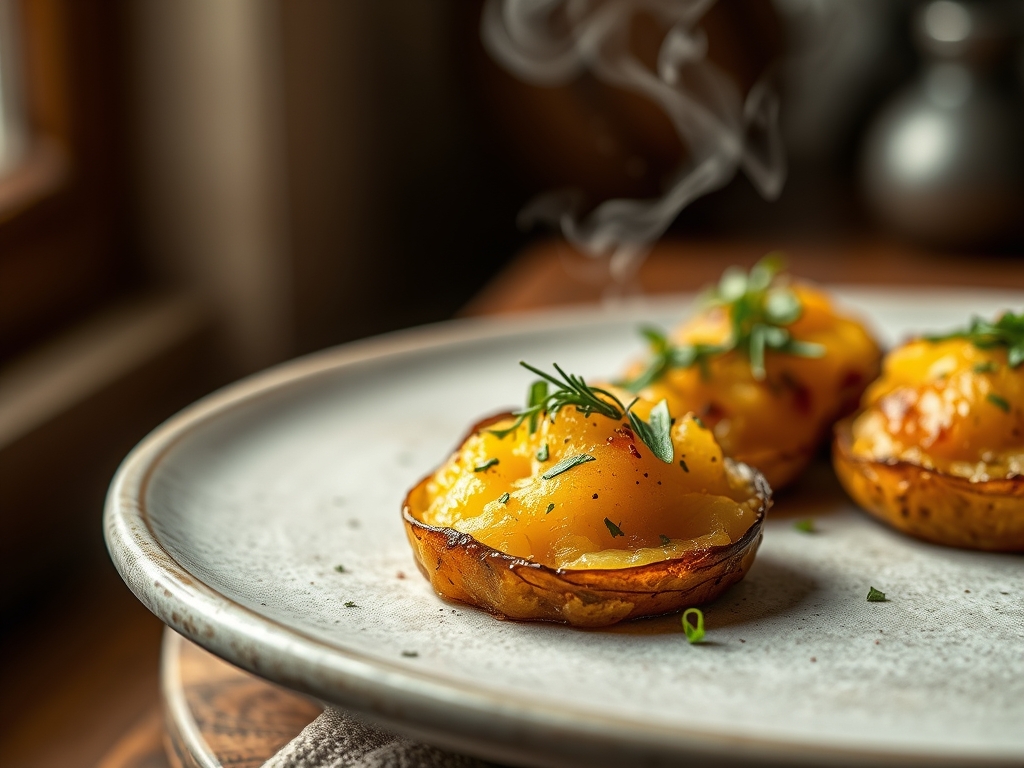
The scent of earthy, salt-crusted skins hitting a hot oven is the ultimate olfactory hug. Whether you are prepping for a frantic Tuesday or a formal Sunday feast, mastering make ahead potato recipes is the secret to reclaiming your evening. Potatoes are the workhorses of the pantry; they are reliable, comforting, and scientifically fascinating when you manipulate their starch.
Imagine a kitchen where the heavy lifting is already done. You open your refrigerator to find perfectly parboiled wedges, silky mash ready for a quick reheat, and crisp pucks of hash browns waiting for their final sear. This is not just about convenience; it is about flavor development. When we prep ahead, we allow the starch granules to retrograde, creating a superior texture that a last-minute rush simply cannot replicate.
The potato is a blank canvas for chemical transformation. From the Maillard reaction that browns the skin to the emulsification of butter into a creamy puree, every step is an opportunity to apply a little kitchen magic. Let us dive into the mechanics of the humble spud and transform your meal prep into a streamlined, professional operation.
The Gathers:
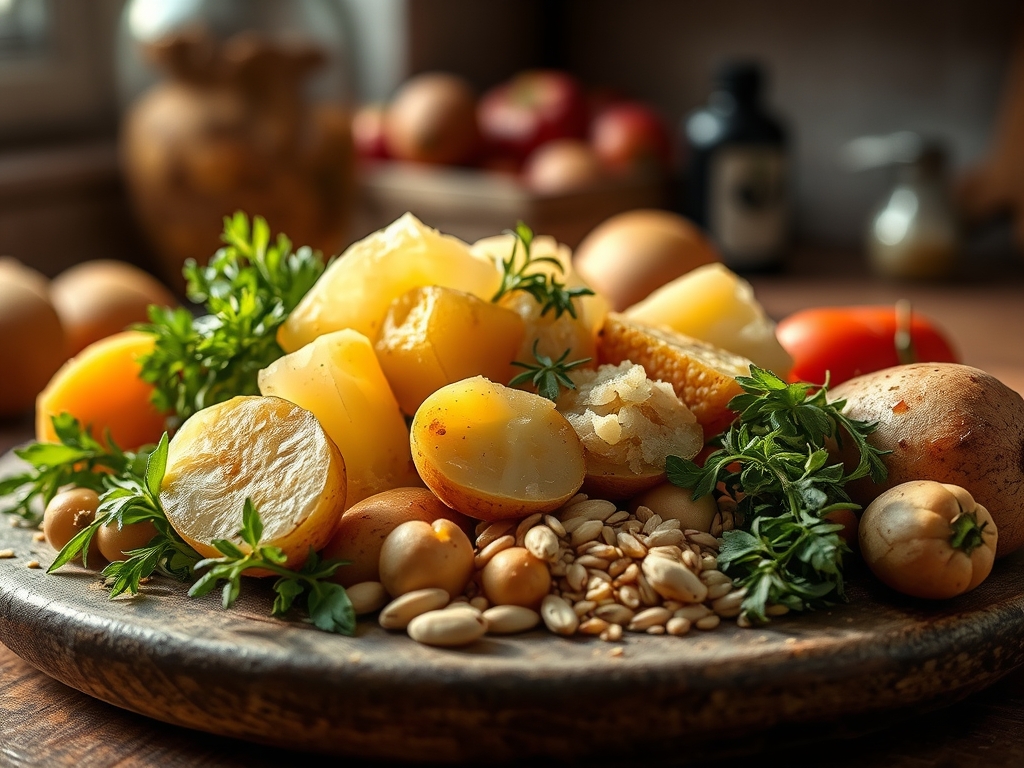
To execute these make ahead potato recipes with precision, your mise-en-place must be impeccable. Start with your primary medium: the potatoes. For high-starch applications like mashing, reach for Russets. Their high amylose content ensures a fluffy, aerated result. For salads or roasting, choose Yukon Golds or red-skinned varieties; their low-starch, high-moisture profile helps them maintain structural integrity during the reheating process.
Next, gather your fats and aromatics. You will need high-quality unsalted butter, heavy cream, and a neutral oil with a high smoke point like grapeseed or avocado oil. Aromatics should include fresh rosemary, thyme, and plenty of garlic. Use a microplane to zest lemon or grate garlic into a fine paste; this increases the surface area for flavor infusion. A digital scale is essential for consistent seasoning, ensuring a 1.5 percent salt-to-weight ratio for perfectly seasoned water.
Smart Substitutions:
If you are aiming for a lighter profile, replace heavy cream with full-fat Greek yogurt to add a piquant tang and a boost of protein. For a vegan alternative, use a high-quality coconut cream or cashew butter to achieve a viscous mouthfeel without the dairy. If you are avoiding nightshades, parsnips or celery root can be prepped using these same techniques to mimic the texture of a traditional mash.
The Clock
Efficiency in the kitchen is defined by "Chef's Flow." This is the art of overlapping tasks to minimize downtime. For these make ahead potato recipes, the clock starts with the longest thermal process: boiling or roasting.
Prep Time: 20 minutes (Peeling, dicing, and weighing).
Active Cook Time: 45 minutes (Parboiling and initial searing).
Inactive Time: 2 hours (Cooling and starch stabilization).
The goal is to move from the bench scraper to the heavy-bottomed skillet in one fluid motion. By prepping in bulk, you utilize the stove once but eat three times. This "batch-cooking" mentality reduces clean-up and ensures that your kitchen remains a sanctuary rather than a disaster zone.
The Masterclass
1. The Parboiled Roastie
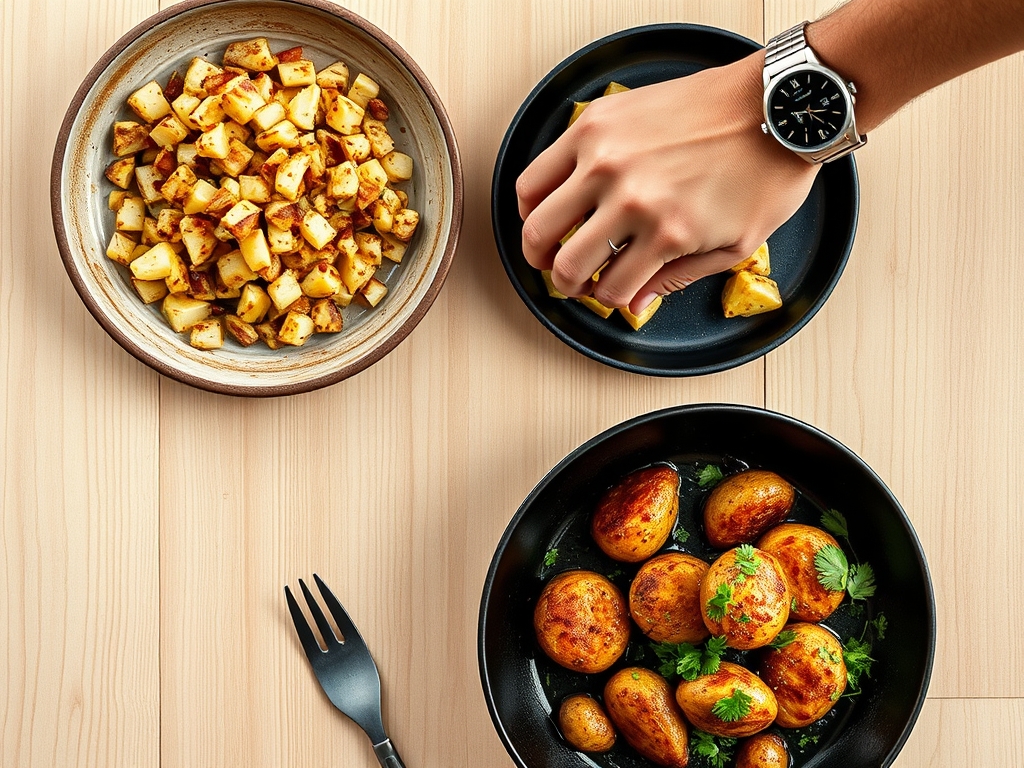
Peel and cube your potatoes, then boil them in heavily salted water until the edges are just starting to fray. Drain them and give them a vigorous shake in the pot to roughen the surface.
Pro Tip: This surface roughness increases the surface area for the Maillard reaction. By parboiling ahead of time, you allow the surface starches to gelatinize; once cooled, they form a "skin" that crisps up beautifully when roasted later.
2. The Silky Make-Ahead Mash
Boil your Russets until tender, then pass them through a ricer or food mill while hot. Incorporate your warm cream and butter immediately. Store in an airtight container with a layer of plastic wrap pressed directly onto the surface.
Pro Tip: Pressing the wrap against the mash prevents a "skin" from forming via evaporation. This technique also stops enzymatic browning, which occurs when the potato cells are exposed to oxygen.
3. The Cold-Start Potato Salad
Start your waxy potatoes in cold, salted water and bring to a simmer. Once tender, drain and toss with a splash of apple cider vinegar while they are still steaming.
Pro Tip: This is called infusion. As the potatoes cool, they contract and pull the acidic vinegar into their core. This ensures the flavor is not just on the surface but integrated throughout the entire tuber.
4. The Pre-Shredded Hash Brown
Grate your potatoes using a box grater or food processor attachment. Immediately submerge them in an ice bath to wash away excess surface starch. Drain and squeeze them bone-dry using a clean kitchen towel.
Pro Tip: Removing surface starch prevents the shreds from turning into a gummy mass. This allows for a shatter-crisp texture when you finally hit the pan with a saucier or skillet.
5. The Scalloped Base
Slice potatoes thinly using a mandoline and layer them in a baking dish with a seasoned cream sauce. Bake until the potatoes are just fork-tender, then cool and refrigerate.
Pro Tip: This relies on thermal carryover. The potatoes will continue to cook slightly as they cool. By stopping early, you prevent them from becoming mushy when you do the final bake to brown the cheese on top.
6. The Herb-Infused Confit
Submerge small, waxy potatoes in olive oil with garlic and herbs in a heavy-bottomed skillet. Simmer at a very low temperature until tender. Store the potatoes in their oil in the fridge.
Pro Tip: The oil acts as a vacuum seal, preventing oxidation and preserving the vibrant color. When you are ready to eat, simply render the oil off in a hot pan to crisp the skins.
The Deep Dive
Macro Nutrition:
Potatoes are often unfairly maligned. They are a fantastic source of complex carbohydrates, potassium, and Vitamin C. A medium potato contains about 160 calories and 4 grams of fiber. When prepped as make ahead potato recipes and cooled, they develop resistant starch, which acts as a prebiotic and has a lower glycemic index than freshly cooked potatoes.
Dietary Swaps:
- Vegan: Use nutritional yeast and olive oil for a savory, "cheesy" profile without the dairy.
- Keto: Replace 50% of the potato volume with steamed cauliflower to lower the net carb count while maintaining the "potato" experience.
- GF: Potatoes are naturally gluten-free, but ensure any thickeners used in sauces are cornstarch or arrowroot-based.
The Fix-It:
- Gummy Mash: This happens when you over-work the starch. Fix: Fold in a little extra warm cream and do not use a blender; stick to a ricer or masher.
- Discoloration: If your prepped potatoes turn grey, it is oxidation. Fix: Submerge peeled potatoes in water with a squeeze of lemon juice.
- Soggy Reheat: Moisture is the enemy of crispiness. Fix: Reheat roasted potatoes in a high-heat oven (400F) rather than a microwave to re-evaporate surface moisture.
Meal Prep Reheating:
To achieve "day-one" quality, use the oven or an air fryer. Microwaves vibrate water molecules, which can make the starch structure collapse and turn leathery. A quick 10-minute blast at high heat will reactivate the fats and restore the crunch.
The Wrap-Up
Mastering make ahead potato recipes is about more than just saving time; it is about understanding the chemistry of your food to produce better results. By utilizing techniques like parboiling, ice-bathing, and proper storage, you transform a simple root vegetable into a gourmet side dish. Your future self will thank you when dinner is served with zero stress and maximum flavor. Now, grab your tongs and get prepping!
The Kitchen Table
Can I freeze mashed potatoes?
Yes, mashed potatoes freeze beautifully due to their high fat content. Ensure they are completely cooled before bagging. To reheat, thaw in the fridge and whisk in a splash of milk over low heat to restore the emulsification.
How do I stop potatoes from browning after cutting?
Submerge the cut pieces in a bowl of cold water with a teaspoon of lemon juice or white vinegar. The acid lowers the pH level, which inhibits the polyphenol oxidase enzyme responsible for the brown color.
What is the best way to reheat roasted potatoes?
Avoid the microwave at all costs. Instead, spread them on a baking sheet and heat in a 400F oven for 10 minutes. This restores the crisp exterior by evaporating any moisture that migrated to the surface during refrigeration.
Why are my make-ahead potatoes sometimes "waxy"?
This usually occurs if you use the wrong potato variety. Russets are floury and fluffy, while Yukon Golds are naturally waxier. Ensure you match the potato type to the specific recipe's structural requirements for the best results.
How long do prepped potatoes last in the fridge?
Cooked make ahead potato recipes generally stay fresh for three to five days. Always store them in airtight containers. If they were submerged in water, change the water daily to maintain freshness and prevent bacterial growth.