
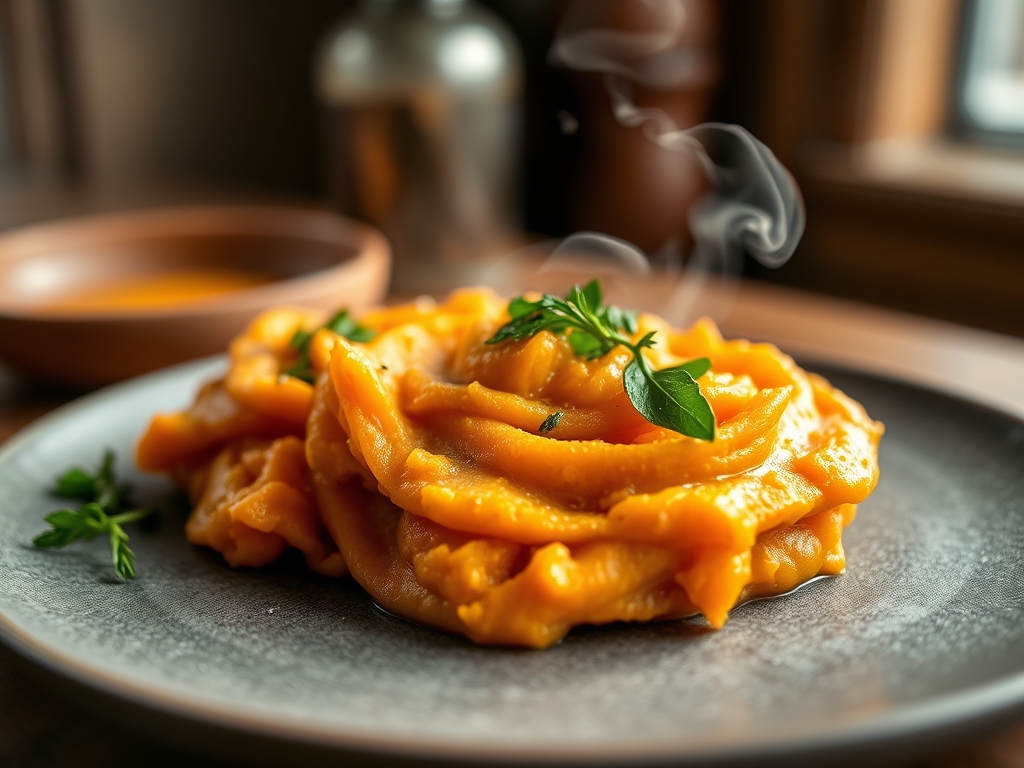
Imagine the scent of toasted sugars and earthy vanilla wafting through your kitchen as you lift the lid off a steaming pot. This is not just a side dish; it is a masterclass in texture. When you search for the best mashed sweet potato recipes, you are looking for that perfect intersection of velvet smoothness and deep, caramelized flavor.
The secret to a transformative bowl lies in the chemistry of the tuber itself. Sweet potatoes are packed with complex starches that, when treated with the right thermal application, convert into maltose. This natural sweetness means we do not need bags of marshmallows or cups of brown sugar. We are going for sophisticated, savory, and silky. Think of this as the little black dress of your dinner table: effortless, timeless, and surprisingly smart. We are going to dive into the physics of starch granules and the magic of emulsification to ensure your next batch is the talk of the neighborhood.
The Gathers:
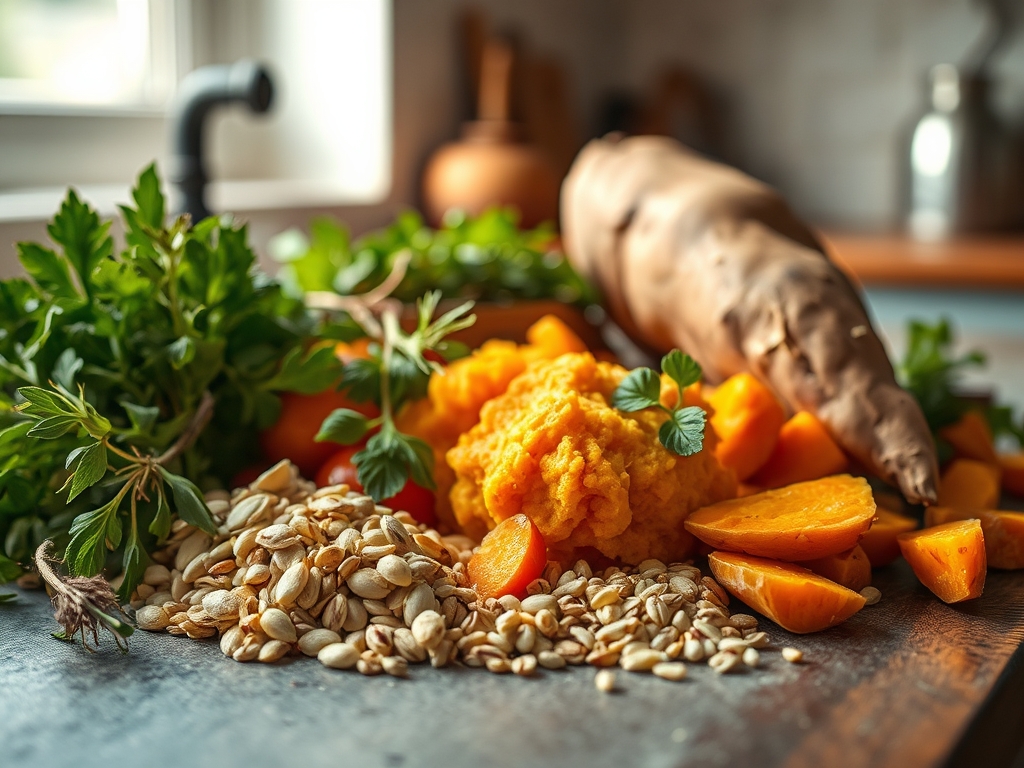
To achieve a professional grade mash, your mise en place must be precise. Start with five pounds of Beauregard or Jewel sweet potatoes. These varieties possess a high moisture content and a fibrous structure that breaks down beautifully into a viscous puree. You will also need high fat European style butter; the higher fat content ensures a tighter emulsion when folded into the warm mash.
Grab your digital scale to measure out 120 grams of heavy cream and 50 grams of maple syrup. For the aromatic profile, we are using fresh thyme sprigs and a whole head of garlic. Do not reach for the pre minced stuff. Use a microplane to grate fresh nutmeg and a pinch of Maldon sea salt for that final crunch.
Smart Substitutions: If you are leaning into a plant based profile, swap the butter for a high quality refined coconut oil. It mimics the saturated fat structure of dairy, providing that essential mouthfeel without the animal proteins. For a piquant twist, replace half the heavy cream with full fat Greek yogurt to add a bright acidity that cuts through the natural sugars.
The Clock:
Efficiency in the kitchen is about mastering the Chef's Flow. Total active prep time is approximately 15 minutes, while the thermal breakdown takes about 25 to 30 minutes.
- The Prep (0-15 min): Peeling, dicing, and setting the aromatics to infuse.
- The Simmer (15-40 min): The potatoes undergo gelatinization in the simmering liquid.
- The Finish (40-50 min): Mashing, folding, and seasoning to perfection.
By the time your main protein is resting on the bench scraper, your potatoes will be at their peak serving temperature.
The Masterclass:
1. The Uniform Cube
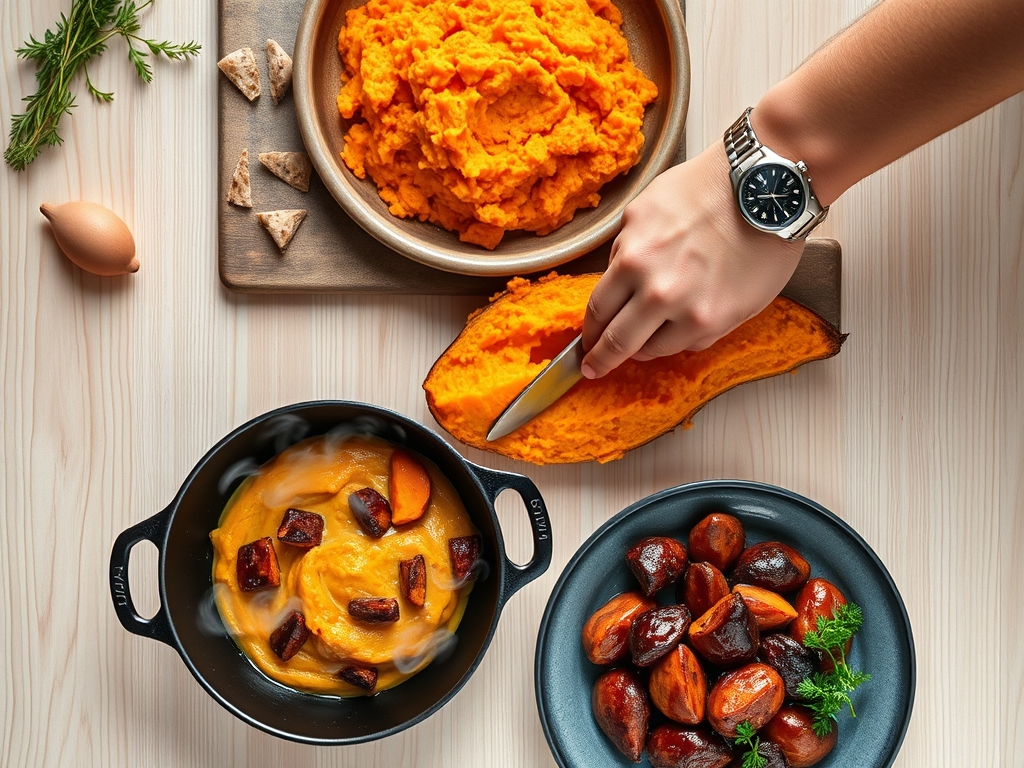
Consistency is the soul of even cooking. Use a sharp chef's knife to dice your potatoes into one inch cubes. This ensures that every piece reaches the same internal temperature at the same time, preventing a mix of mushy and hard bits.
Pro Tip: This is about surface area to volume ratio. Smaller cubes expose more starch to the heat, accelerating the breakdown of cell walls for a smoother finish.
2. The Cold Water Start
Always start your potatoes in cold, salted water. If you drop them into boiling water, the outside will overcook and disintegrate before the center is even warm.
Pro Tip: This prevents enzymatic browning. By heating the water and potatoes together, you deactivate the enzymes that cause discoloration, keeping your mash a vibrant, glowing orange.
3. The Aromatic Infusion
While the potatoes simmer, place a small saucier over low heat. Combine your butter, cream, and herbs. Let them steep like a tea. This allows the fat to render out the essential oils from the thyme and garlic.
Pro Tip: Fat is a flavor carrier. By infusing the dairy first, you distribute the aromatics evenly throughout the entire dish rather than having "hot spots" of flavor.
4. The Steam Dry
Once the potatoes are fork tender, drain them in a colander. Return them to the hot pot for sixty seconds. Shake the pot over the residual heat of the burner to evaporate any remaining surface moisture.
Pro Tip: This is the secret to a non watery mash. Removing excess water allows the starch granules to absorb the flavorful butter and cream instead of bland tap water.
5. The Ricer Revolution
Forget the electric mixer. Overworking sweet potatoes with high speed blades shears the starch molecules, resulting in a gluey, gummy texture. Use a potato ricer or a food mill for a light, aerated consistency.
Pro Tip: Using a ricer minimizes mechanical agitation. This keeps the starch granules intact, resulting in a fluffy texture that melts on the tongue.
6. The Gradual Emulsion
Slowly fold your warm, infused dairy into the riced potatoes using a silicone spatula. Do not dump it all in at once. Add it in three stages, stirring gently until the liquid is fully incorporated.
Pro Tip: This creates a stable emulsion. The fat molecules from the butter wrap around the starch, creating a silky barrier that feels luxurious.
7. The Acid Balance
Just before serving, add a teaspoon of apple cider vinegar or a squeeze of lemon. Sweet potatoes are heavy on the glycemic scale; a hit of acid provides a necessary counterpoint.
Pro Tip: Acid brightens the flavor profile by stimulating the salivary glands, which makes the savory notes of the butter pop.
8. The Fold-In
If you want to add extras like toasted pecans or goat cheese, do it now. Use a gentle folding motion to keep the texture intact.
Pro Tip: This prevents the "muddy" look. Keeping the inclusions distinct provides a visual and textural contrast that elevates the dish.
9. The Final Seasoning
Taste your creation. Adjust the salt and pepper. Remember that cold dulls salt, so if you are making these ahead, season slightly more than you think you need.
Pro Tip: This utilizes thermal carryover. The potatoes will continue to cook slightly from their internal heat, further softening the fibers as they sit.
The Deep Dive:
Let's talk numbers. Sweet potatoes are a nutritional powerhouse, offering high levels of Vitamin A and fiber. A standard serving contains about 150 calories, though our butter-rich version will be slightly higher.
Dietary Swaps: For a Keto-friendly version, swap half the sweet potatoes for steamed cauliflower. It lowers the net carb count while maintaining the bulk. For a Vegan version, use a high quality cashew cream for a nutty, rich finish.
The Fix-It:
- Too Runny? Place the mash in a heavy-bottomed skillet over medium heat. Stir constantly to cook off the excess moisture.
- Too Lumpy? Pass the entire mixture through a fine mesh sieve. It is extra work, but it guarantees a restaurant quality puree.
- Too Sweet? Increase the salt and add a pinch of smoked paprika or chipotle powder to ground the flavors in earthiness.
Meal Prep: To reheat, do not use the microwave. It creates hot spots and can "break" your emulsion. Instead, place the potatoes in a covered dish in a 300 degree oven with a splash of extra cream to restore the moisture.
The Wrap-Up:
Mastering the best mashed sweet potato recipes is about respecting the ingredient. By understanding the science of starch and the importance of temperature control, you turn a humble root vegetable into a culinary event. Whether you are hosting a holiday gala or just a cozy Tuesday night, these techniques ensure a result that is consistently perfect. Now, grab your tongs, fire up the stove, and let those aromatics fill your home.
The Kitchen Table:
How do I prevent my mashed sweet potatoes from being stringy?
Use a potato ricer or food mill. These tools catch the tough, fibrous strands that a traditional masher or blender would simply chop up and leave in the final dish.
Can I make mashed sweet potatoes ahead of time?
Yes. Store them in an airtight container for up to three days. Reheat slowly on the stovetop with a splash of milk or cream to maintain the creamy, emulsified texture.
What is the best type of sweet potato for mashing?
Jewel or Beauregard potatoes are ideal. They have a high sugar and moisture content, which leads to a much smoother, more flavorful puree compared to the drier, starchier varieties.
Why should I start sweet potatoes in cold water?
Starting in cold water ensures the potatoes cook evenly from the center out. This prevents the exterior from becoming waterlogged and mushy before the interior is fully softened and ready.
How do I fix gluey sweet potatoes?
Gluey potatoes happen from over-mixing. You cannot "undo" the starch damage, but you can transform them into a delicious gratin by spreading them in a dish and topping with breadcrumbs.