
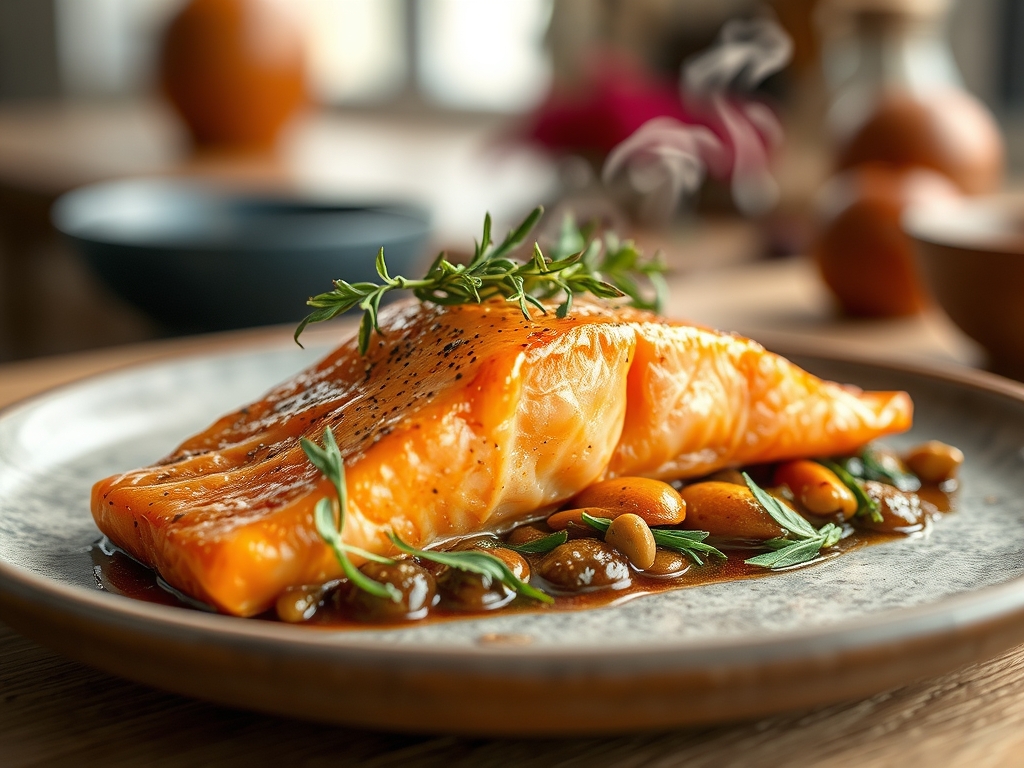
Imagine popping a tin and finding not just a pantry staple, but a canvas for culinary brilliance. Canned salmon is the ultimate undercover agent of the kitchen; it is shelf-stable, packed with omega-3 fatty acids, and ready to be transformed into a five-star meal in minutes. When you are hunting for the best canned salmon recipes, you are looking for more than just a basic patty. You want textures that shatter, flavors that sing, and techniques that elevate a humble ingredient into something truly sophisticated. We are talking about deep umami, perfectly emulsified sauces, and the kind of golden-brown crust that only science can provide.
The beauty of this ingredient lies in its versatility. Because the salmon is pressure-cooked right in the can, it retains a moisture level that fresh fish often loses during home searing. However, the challenge is managing that moisture to avoid the dreaded "mush" factor. By understanding the molecular structure of the proteins and how they interact with binders, you can create dishes that rival any bistro menu. Whether you are craving a piquant citrus-flecked salad or a rich, savory burger, the secret is in the prep. Let us dive into the chemistry of the tin and turn that pantry staple into a masterpiece.
The Gathers:
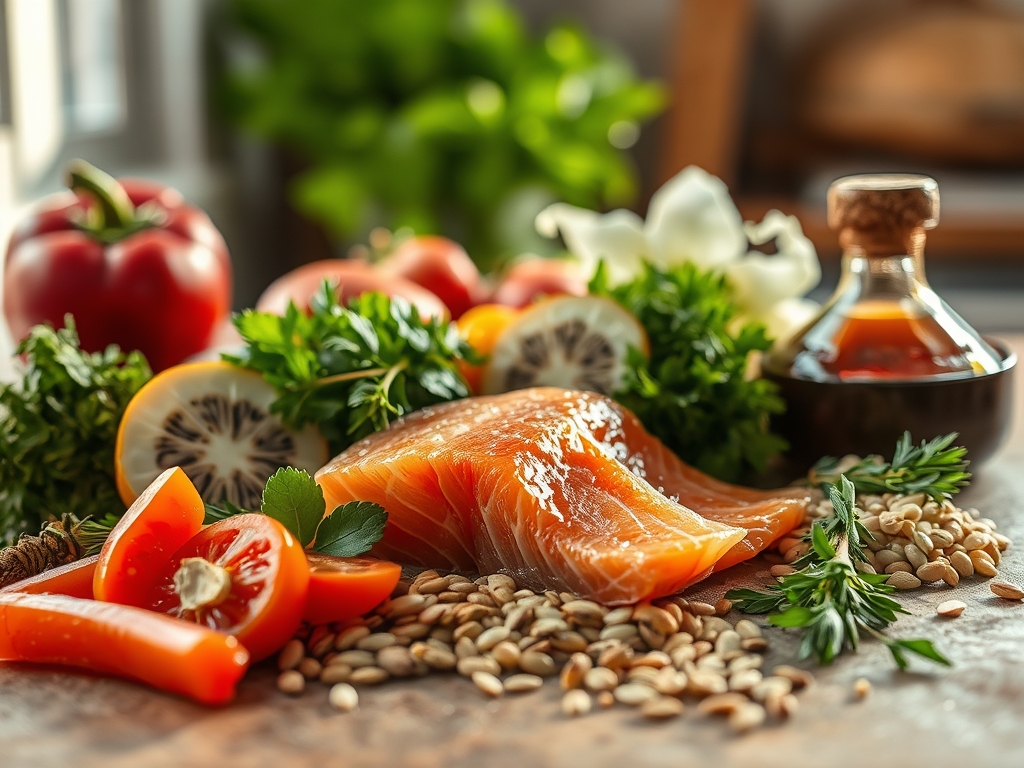
To achieve the best canned salmon recipes, your mise-en-place must be precise. Start with high-quality wild-caught pink or sockeye salmon. You will notice a viscous liquid in the tin; this is actually a protein-rich brine that can be used to infuse moisture back into the fish if it feels too lean. Gather your aromatics: shallots for a delicate bite, garlic for depth, and fresh herbs like dill or chive to provide a bright, chlorophyll-heavy contrast to the rich fats.
For binders, forget plain breadcrumbs. We are looking for aerated textures. Panko is superior because its large surface area allows for maximum crispness during the Maillard reaction. If you are looking for smart substitutions, almond flour provides a nutty, keto-friendly alternative that browns beautifully due to its natural oil content. Use a microplane to zest a lemon directly over your salmon; the essential oils in the zest are more potent than the juice and won't break your emulsion. Finally, ensure you have a high-smoke-point oil like avocado or grapeseed oil to achieve that perfect sear without the bitter notes of burnt fats.
The Clock
Efficiency in the kitchen is about "Chef's Flow." This is the logical sequencing of tasks to minimize downtime and maximize flavor development. For most salmon-based dishes, your total active prep time is roughly 15 minutes, with a cook time of 10 minutes.
The flow begins with the "Chill Phase." After mixing your ingredients, the salmon mixture needs at least 20 minutes in the refrigerator. This allows the starches in your binders to fully hydrate and the proteins to knit together, ensuring your cakes don't fall apart in the pan. While the salmon chills, you can deglaze your mind and prep a side salad or a quick remoulade. By the time your heavy-bottomed skillet is preheated, your salmon is structurally sound and ready for the heat.
The Masterclass
1. The Proper Drain and Flake
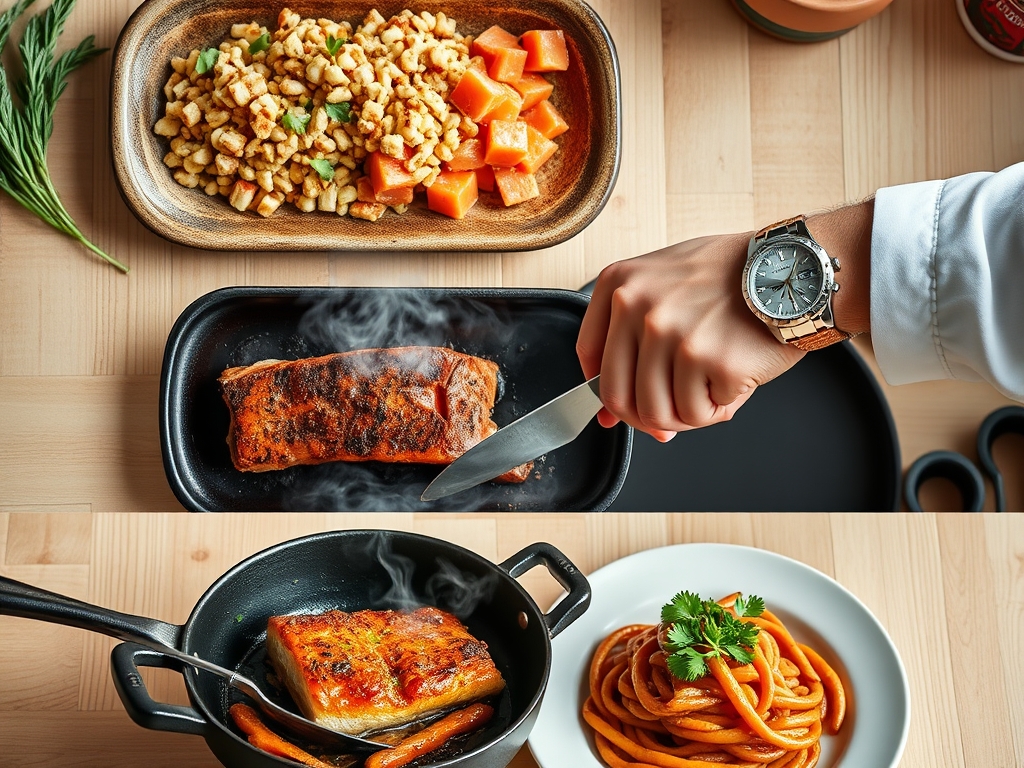
Open your tins and drain the liquid, but do not squeeze the fish dry. Use a fork to gently flake the salmon into a large bowl. You want to maintain some structural integrity rather than turning it into a paste. Look for any large bones or skin; while edible and calcium-rich, removing larger pieces creates a more refined mouthfeel.
Pro Tip: This step is about surface area. By flaking the fish into irregular shapes, you create more "nooks and crannies" for your binders and seasonings to adhere to, which prevents a dense, rubbery final product.
2. The Aromatic Infusion
Finely mince your shallots and garlic using a sharp chef's knife or a bench scraper to transfer them to the bowl. Add your herbs, lemon zest, and a hit of Dijon mustard. The mustard acts as a natural emulsifier, helping the fats and liquids in the mixture stay bonded during the cooking process.
Pro Tip: This is "cold infusion." Because canned salmon is already cooked, adding aromatics directly to the mix allows their volatile oils to permeate the fish without the harshness of raw heat, resulting in a more nuanced flavor profile.
3. Binding with Precision
Add your panko and a lightly beaten egg. Use a digital scale if you want to be truly precise; a ratio of 15% binder to 85% fish is the sweet spot for structural stability without masking the salmon flavor. Mix gently with your hands or a spatula until just combined.
Pro Tip: Over-mixing leads to protein cross-linking, which results in a tough, bouncy texture. Mix until the ingredients just hold together when pressed; this preserves the delicate flake of the salmon.
4. The Chill Factor
Form the mixture into uniform discs. Place them on a parchment-lined tray and refrigerate for 20 to 30 minutes. This is non-negotiable for the best canned salmon recipes.
Pro Tip: Cold temperatures encourage the "setting" of the fats and binders. This prevents the patties from "weeping" moisture when they hit the hot pan, ensuring the energy of the stove goes into browning rather than evaporating excess water.
5. The High-Heat Sear
Heat your heavy-bottomed skillet over medium-high heat. Add your oil and wait until it shimmers. Carefully place the salmon cakes in the pan using tongs. Sear for 3 to 4 minutes per side until a deep golden crust forms.
Pro Tip: This is the Maillard reaction in action. The amino acids and sugars in the salmon and panko react under high heat to create hundreds of different flavor compounds. Do not crowd the pan, or you will drop the temperature and steam the fish instead of searing it.
The Deep Dive
When it comes to nutrition, canned salmon is a powerhouse. It is naturally high in Vitamin D and B12, providing a massive metabolic boost. For those with dietary restrictions, the best canned salmon recipes are easily adaptable. To make this Vegan, you would swap the salmon for mashed chickpeas and hearts of palm, using a flax-egg as a binder. For Keto enthusiasts, replace panko with crushed pork rinds or parmesan cheese to maintain that crunch without the carbs.
The Fix-It: Common Pitfalls
- The Patty Falls Apart: This usually means the mixture was too wet or not chilled long enough. Add a tablespoon more of your binder and ensure a full 20-minute rest in the fridge.
- The Crust is Burnt but the Middle is Cold: Your pan was too hot. Use a saucier or a lower flame next time. To fix it now, pop the patties into a 350-degree oven for three minutes to even out the internal temperature.
- The Flavor is Bland: Canned fish needs acid. A squeeze of fresh lemon or a splash of piquant hot sauce after cooking will wake up the flavors immediately.
Meal Prep and Reheating
To maintain "day-one" quality, avoid the microwave. The high-frequency waves agitate water molecules, making the fish rubbery. Instead, reheat your salmon cakes in a toaster oven or an air fryer at 350 degrees. This restores the crispness of the exterior while gently warming the center through thermal carryover.
The Wrap-Up
You are now officially a master of the tin. By treating canned salmon with the same respect as a fresh fillet, you unlock a world of gourmet possibilities that are both budget-friendly and incredibly healthy. Remember, the secret to the best canned salmon recipes isn't just the fish; it is the science of the sear, the precision of the binder, and the brightness of the aromatics. Now, get that skillet screaming hot and show that pantry staple what you are made of!
The Kitchen Table
Can I use the skin and bones found in canned salmon?
Yes, they are completely edible and highly nutritious. The pressure-cooking process makes the bones soft and crushable; they provide an excellent source of calcium. Most people mash them directly into the mix for added texture and minerals.
How do I prevent my salmon cakes from being dry?
Ensure you do not over-drain the salmon and use a "fatty" binder like mayonnaise or a touch of Greek yogurt. These ingredients add moisture and richness that balance the lean nature of the canned fish during the searing process.
What is the best way to store leftovers?
Store cooked salmon in an airtight container in the refrigerator for up to three days. For the best texture, reheat them in a pan or air fryer rather than a microwave to preserve the crispy exterior and prevent a rubbery consistency.
Can I freeze canned salmon patties before cooking?
Absolutely. Flash-freeze the formed, uncooked patties on a tray for one hour before transferring them to a freezer bag. They will stay fresh for up to three months. Cook them directly from frozen, adding two minutes per side to the cook time.