
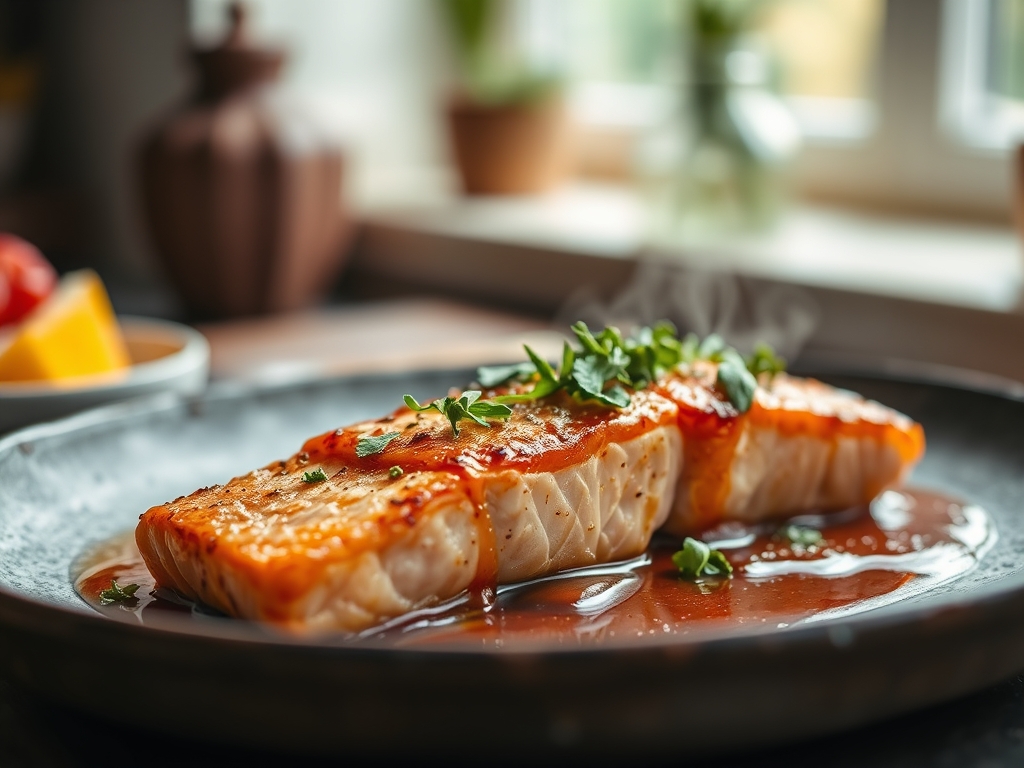
Picture a heavy-bottomed skillet shimmering with heat as a cold fillet of Atlantic salmon meets the surface with a violent, satisfying hiss. Within seconds, the kitchen fills with the scent of caramelizing sugars and the sharp, piquant sting of chili. Mastering sweet and spicy salmon recipes is not just about following a set of instructions; it is about managing a delicate chemical dance between heat and sugar. We are looking for that elusive, glass-like crust that shatters under the fork to reveal translucent, buttery flakes inside. This is the ultimate weeknight flex. It feels like high-end bistro dining, yet it relies on basic molecular principles that anyone can master with the right tools. We are going to harness the Maillard reaction to create deep umami notes while using honey or maple syrup to temper the capsaicin heat. By the time we are finished, you will understand exactly why your previous salmon attempts might have been dry or dull. Grab your apron and your favorite microplane; we are about to turn a simple piece of fish into a masterpiece of flavor architecture.
The Gathers:
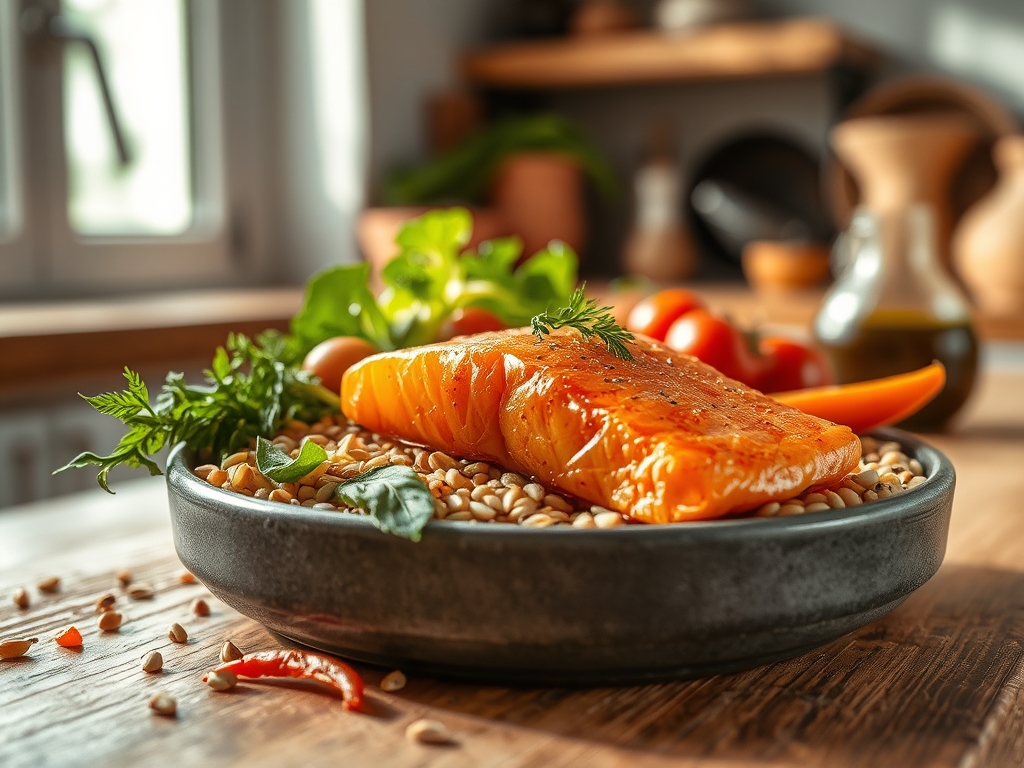
To execute this dish with precision, your mise-en-place must be flawless. Start with high-quality salmon fillets, ideally center-cut for uniform thickness. You will need a viscous sweetener like raw honey or grade A maple syrup; these provide the glucose necessary for rapid browning. For the "spicy" component, a combination of Sriracha and red pepper flakes offers both a vinegary tang and a slow-burning heat. Use a microplane to grate fresh ginger and garlic into a paste. This increases the surface area, allowing the aromatics to infuse the oil without burning. You will also need toasted sesame oil for its high smoke point and nutty depth, along with low-sodium soy sauce to provide the salinity that balances the sweetness.
Smart Substitutions: If you are watching your glycemic index, replace the honey with an monk fruit maple syrup alternative. For the heat, gochujang offers a fermented, earthy complexity that standard chili flakes lack. If you cannot find fresh ginger, a ginger paste is acceptable, but avoid the dried powder as it lacks the essential oils required for a truly vibrant glaze. Always keep a bench scraper handy to tidy your workspace as you prep; a clean station leads to a focused mind.
The Clock: Chef's Flow
Efficiency in the kitchen is about "Chef's Flow," or the logical sequencing of tasks to minimize downtime.
Prep Time: 10 minutes. This includes patting the fish dry (essential for crust formation) and whisking the glaze in a small saucier.
Cook Time: 8 to 12 minutes, depending on the thickness of your fillets.
Total Time: 22 minutes.
The flow begins with tempering your fish. Never take salmon straight from the refrigerator to the pan. Let it sit at room temperature for 15 minutes. While the fish tempers, prep your aromatics. By the time your skillet is preheated, your glaze is ready, and your salmon is at the optimal temperature for even heat distribution.
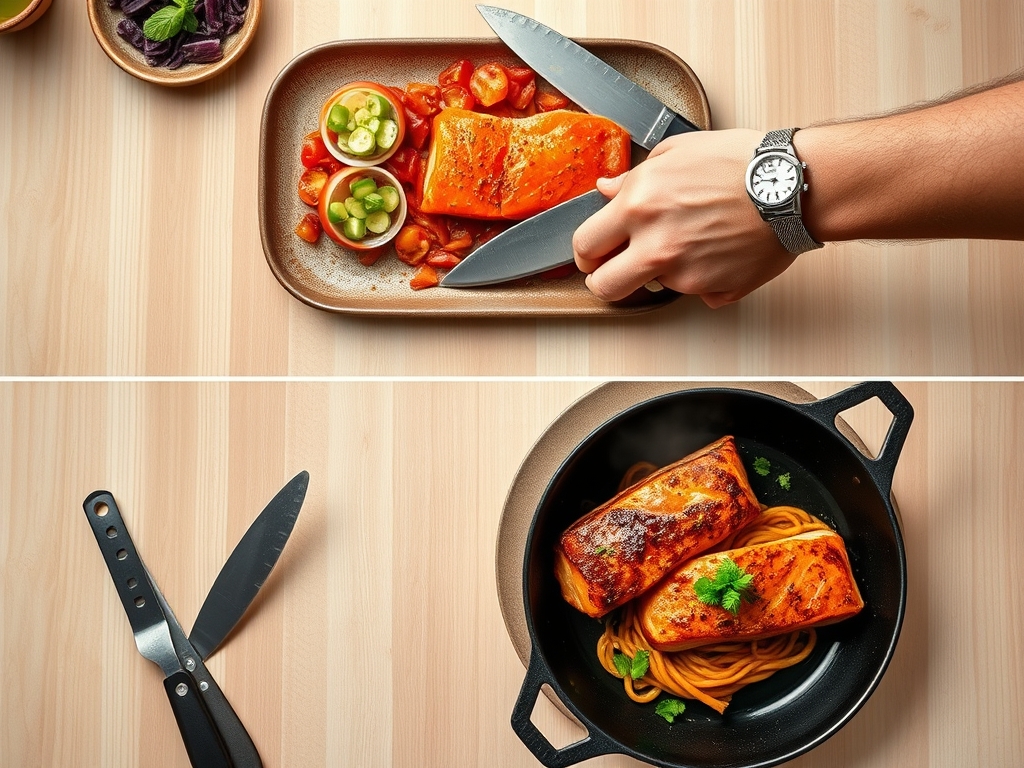
The Masterclass
1. The Desiccation Ritual
Use a paper towel to press every ounce of moisture from the skin and surface of the salmon. Moisture is the enemy of the sear; if the fish is damp, it will steam rather than fry.
Pro Tip: This is known as surface desiccation. Reducing surface moisture allows the temperature to rise rapidly above 212 degrees Fahrenheit, triggering the Maillard reaction for a savory, brown crust.
2. The Saucier Simmer
Whisk your honey, soy, ginger, and chili in a small saucier over low heat. Do not boil it; you simply want to aerate the mixture and ensure the honey is fully integrated into the soy sauce.
Pro Tip: Heating the glaze beforehand prevents "thermal shock" when you add it to the pan. Adding a cold sauce to a hot pan can cause the salmon proteins to contract violently, pushing out moisture.
3. The High-Heat Introduction
Place your heavy-bottomed skillet over medium-high heat with a tablespoon of neutral oil. Once the oil shimmers, lay the salmon skin-side down. Use tongs to press the fish firmly against the metal for 30 seconds.
Pro Tip: This initial pressure prevents the skin from curling. The skin acts as a heat shield, protecting the delicate flesh while the fat begins to render and crisp.
4. The Flip and Glaze
Flip the fish once the skin is golden and releases easily from the pan. Immediately pour your prepared glaze over the fillets. Use a spoon to continuously baste the fish as the sauce bubbles.
Pro Tip: This is called arroser. The hot glaze cooks the top of the fish while the sugars undergo enzymatic browning, creating a sticky, lacquered finish.
5. The Carryover Rest
Remove the salmon from the heat when a digital scale or thermometer reads 125 degrees Fahrenheit for medium-rare. Transfer it to a warm plate and let it rest for three minutes.
Pro Tip: This accounts for thermal carryover. The internal temperature will continue to rise by 5 to 10 degrees while resting, ensuring the center is succulent rather than chalky.
The Deep Dive
Macro Nutrition: A standard 6-ounce serving of this salmon provides approximately 34g of protein and 15g of healthy omega-3 fatty acids. The glaze adds roughly 12g of carbohydrates, mostly from natural sugars.
Dietary Swaps:
- Vegan: Use the same glaze on thick "steaks" of cauliflower or firm tofu.
- Keto: Swap honey for liquid allulose and use coconut aminos instead of soy sauce.
- GF: Ensure your soy sauce is certified gluten-free or use tamari.
The Fix-It:
- Burnt Glaze: If the sugar chars too quickly, deglaze the pan with a splash of water or rice vinegar to loosen the solids and lower the temperature.
- Stuck Skin: You likely tried to flip too early. Wait for the proteins to denature and release naturally.
- White Gunk (Albumin): This is just protein pushing out because the heat was too high. It is safe to eat, but you can minimize it by cooking at a slightly lower temperature.
Meal Prep Science: To reheat, avoid the microwave. The high-frequency waves agitate water molecules, making the fish rubbery. Instead, place it in a 275-degree oven with a teaspoon of water and cover with foil to create a gentle steam chamber.
The Wrap-Up
You now hold the keys to the kingdom of sweet and spicy salmon recipes. By understanding the relationship between surface moisture, sugar caramelization, and thermal carryover, you have elevated a simple meal into a culinary event. Remember that the best cooking is a blend of scientific rigor and sensory intuition. Use your eyes to watch the glaze thicken and your ears to listen for that perfect sizzle. Now, go grab that skillet and show that salmon who is boss.
The Kitchen Table
How do I get the skin extra crispy?
Ensure the skin is bone-dry before hitting the pan. Use a heavy-bottomed skillet to maintain consistent heat and press the fillet down with a weight or spatula for the first thirty seconds to ensure maximum surface contact.
Why is my salmon glaze too thin?
Your pan might not be hot enough to reduce the liquid. Allow the glaze to bubble and simmer until the water evaporates, leaving behind a concentrated, viscous syrup that coats the back of a spoon.
Can I use frozen salmon for this?
Yes, but thaw it completely in the refrigerator first. Pat it extremely dry with paper towels, as frozen fish tends to release more moisture, which can interfere with the searing process.
What is the best way to store leftovers?
Store in an airtight glass container for up to two days. To maintain the best texture, keep the extra glaze in a separate small jar and apply it fresh when you reheat the fish.