
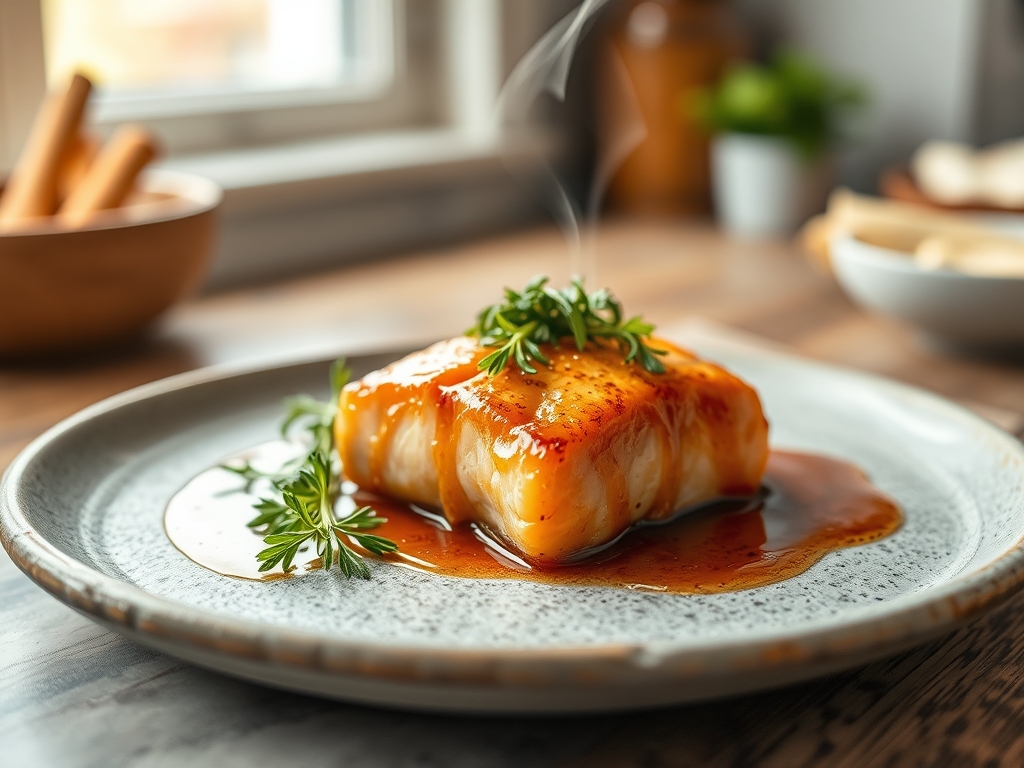
Imagine the scent of a bustling Tokyo night market colliding with the cozy warmth of your favorite neighborhood bistro. That is the magic of the best salmon recipes honey soy sauce enthusiasts swear by; it is a masterclass in the balance of umami and sweetness. When the cool, fatty flakes of a perfectly seared fillet meet the viscous, dark glaze of a reduced sauce, your kitchen transforms into a high-end atelier. We are not just making dinner here; we are orchestrating a chemical reaction that turns simple proteins into gold.
To master salmon recipes honey soy sauce, you must understand that the honey is not just a sweetener. It is a structural component that enables the Maillard reaction to occur at a lower temperature, creating that signature mahogany crust without overcooking the delicate fish. We are looking for a result that is buttery on the inside but possesses a lacquered, candy-like exterior. This balance is achieved through a precise ratio of sodium to sugar, ensuring the fish remains succulent while the exterior develops a complex profile of toasted caramel and salty depth.
The Gathers:
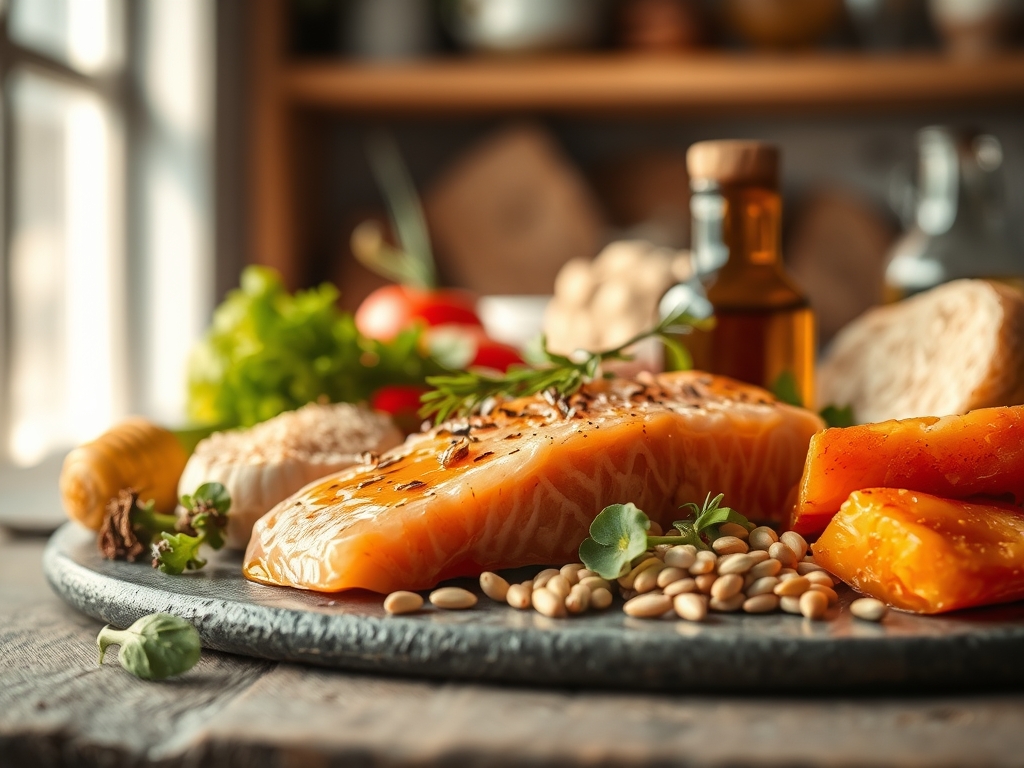
Before we touch the heat, we must organize our mise-en-place with a focus on molecular synergy. You will need four center-cut salmon fillets, ideally six ounces each, which provides the best surface-area-to-volume ratio for glazing. For the sauce, gather high-quality tamari or shoyu, raw clover honey, and freshly grated aromatics. Use a microplane to zest your ginger and garlic; this creates a fine paste that releases essential oils more effectively than mincing with a knife.
The liquid components require a saucier or a small whisk to emulsify properly. You will need 1/4 cup of soy sauce, 3 tablespoons of honey, a splash of rice vinegar for acidity, and a teaspoon of toasted sesame oil for its high-smoke point and nutty aroma. If you are feeling adventurous, a pinch of red pepper flakes adds a piquant kick that cuts through the rich omega-3 fatty acids of the fish.
Smart Substitutions: If you are watching your sodium, coconut aminos offer a similar profile with less salt. For those without honey, maple syrup provides a distinct woody sweetness, though it has a lower viscosity. If you find yourself out of fresh ginger, a half-teaspoon of ground ginger works, but you will miss the bright, enzymatic bite of the fresh root. Always use a digital scale if you want to be precise; 80 grams of honey is the sweet spot for four fillets.
The Clock
The "Chef's Flow" is all about timing the reduction of your sauce with the searing of the protein. Total preparation takes exactly 10 minutes, mostly spent on the aromatics. The cooking process is a swift 12 minutes. You want to start your sauce reduction first, as it needs to reach a specific brix level (sugar concentration) to coat the back of a spoon. While the sauce simmers, your salmon should be tempering on the counter. Cold fish hitting a hot pan causes the muscle fibers to contract violently, pushing out moisture and leaving you with a dry result. Allow the fish 15 minutes of air-time to reach room temperature before it meets the heavy-bottomed skillet.
The Masterclass
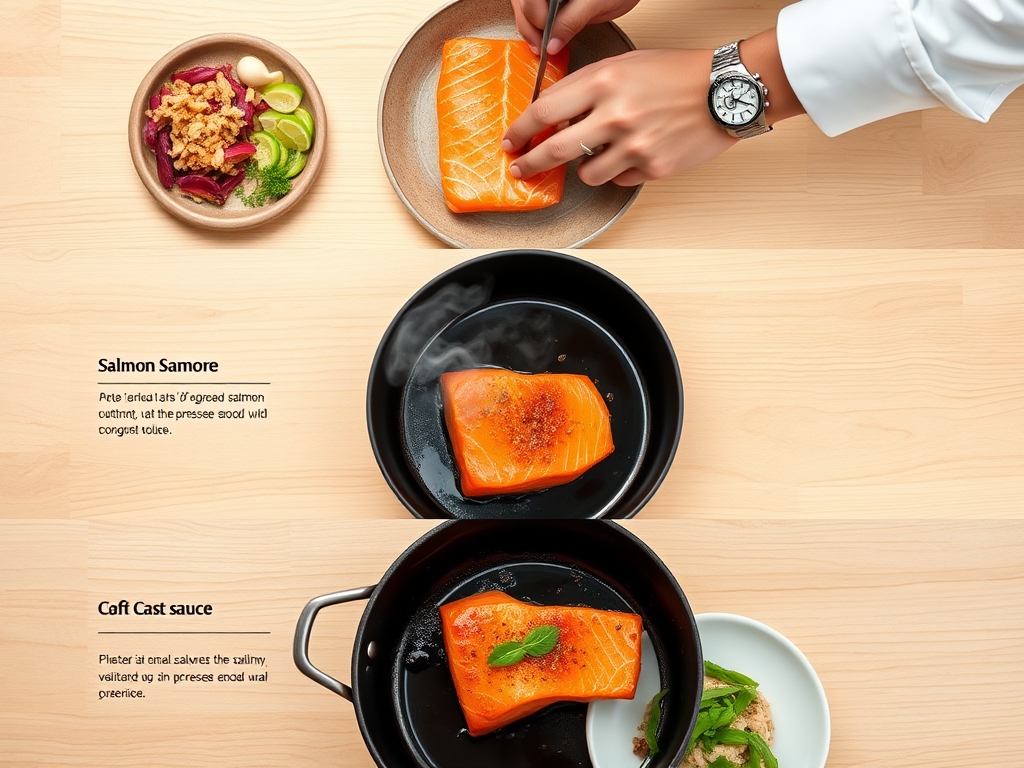
1. The Prep and Temper
Pat the salmon fillets bone-dry with paper towels. Moisture is the enemy of a good sear; if the surface is wet, the fish will steam rather than brown. Season lightly with salt, but remember the soy sauce provides significant sodium later.
Pro Tip: This step utilizes evaporative cooling prevention. By drying the skin, you ensure the heat energy goes directly into the Maillard reaction rather than wasting energy evaporating surface water.
2. The Cold-Start Reduction
Combine your soy, honey, ginger, and garlic in a small pan. Bring to a gentle simmer over medium heat until the mixture reduces by one-third. It should look glossy and feel slightly tacky.
Pro Tip: This is enzymatic browning in action. Reducing the sauce concentrates the sugars and amino acids, creating a complex flavor profile that raw soy and honey simply cannot match.
3. The Sear
Heat a tablespoon of neutral oil in a heavy-bottomed skillet until it shimmers. Place the salmon skin-side down. Press firmly with a fish spatula for 30 seconds to prevent the skin from curling.
Pro Tip: This initial pressure ensures even thermal conduction. It keeps the skin in total contact with the pan, rendering the subcutaneous fat and resulting in a "potato chip" crunch.
4. The Glaze Application
Once the salmon is 70 percent cooked through (the opaque color will move up the side of the fillet), flip it gently using tongs. Pour the reduced honey-soy mixture directly into the pan.
Pro Tip: This creates a deglazing effect. The liquid picks up the fond (browned bits) from the bottom of the pan, incorporating those deep flavors back into the sauce.
5. The Baste
Use a large spoon to continuously pour the bubbling sauce over the top of the salmon for the final 60 seconds of cooking. The sauce will thicken further as the water evaporates, creating a thick lacquer.
Pro Tip: This technique, known as arroser, uses the hot fat and sugar to gently finish the top of the fish without overcooking the center. It provides a consistent thermal envelope.
6. The Rest
Remove the salmon from the pan and place it on a warm plate. Let it sit for three minutes before serving.
Pro Tip: Thermal carryover will increase the internal temperature by about 5 degrees after you remove it from the heat. Resting allows the protein fibers to relax and reabsorb juices.
The Deep Dive
From a nutritional standpoint, this dish is a powerhouse. You are getting roughly 34 grams of high-quality protein and a significant dose of Vitamin D and B12. While the honey adds carbohydrates, the glycemic load is balanced by the healthy fats in the salmon. For a Keto version, swap the honey for a brown monk fruit sweetener and use liquid aminos. Vegan friends can apply this exact glaze technique to thick slabs of pressed extra-firm tofu or cauliflower steaks.
The Fix-It:
- Skin is soggy: You likely didn't dry the fish enough or the pan wasn't hot enough. Next time, use a bench scraper to clear the pan of excess oil before flipping.
- Sauce is too salty: Add a squeeze of fresh lime juice or a teaspoon of mirin. The acidity or extra sugar will balance the sodium perception.
- Salmon is white and chalky: This is albumin, a protein that leaches out when fish is cooked too fast or too long. Lower your heat and pull the fish when the internal temperature hits 125F.
Meal Prep Science: To reheat, avoid the microwave. The high-frequency waves agitate water molecules, making the fish rubbery. Instead, place the salmon in a covered pan with a tablespoon of water over low heat. This creates a steam chamber that gently hydrates the protein without toughening the fibers.
The Wrap-Up
You are now officially equipped to dominate the kitchen with these salmon recipes honey soy sauce secrets. By focusing on the science of the sear and the precision of the reduction, you have elevated a simple weeknight meal into a culinary event. Remember; cooking is just delicious chemistry. Grab your microplane, find the freshest fish possible, and let that honey-soy glaze work its magic. Your dinner guests (and your taste buds) will thank you for the effort.
The Kitchen Table
How do I know when the salmon is perfectly done?
The most reliable method is using a digital thermometer. Aim for an internal temperature of 125F to 130F for medium-rare. The flakes should separate easily when pressed with a fork but remain translucent in the very center.
Can I bake this instead of searing it?
Yes. Line a sheet pan with parchment and bake at 400F for 10 to 12 minutes. Brush the glaze on during the last three minutes and finish under the broiler for 60 seconds to achieve the caramelized crust.
What are the best side dishes for honey soy salmon?
Balance the richness with high-fiber greens like bok choy or broccolini. For starch, jasmine rice or quinoa works beautifully to soak up the extra glaze. A side of quick-pickled cucumbers provides a necessary acidic contrast to the fat.
How long can I marinate the salmon in soy sauce?
Limit marinating to 30 minutes. Because soy sauce is high in salt, it acts as a brine. If left too long, the salt will begin to cure the fish, changing its delicate texture from flaky to unpleasantly firm and ham-like.