
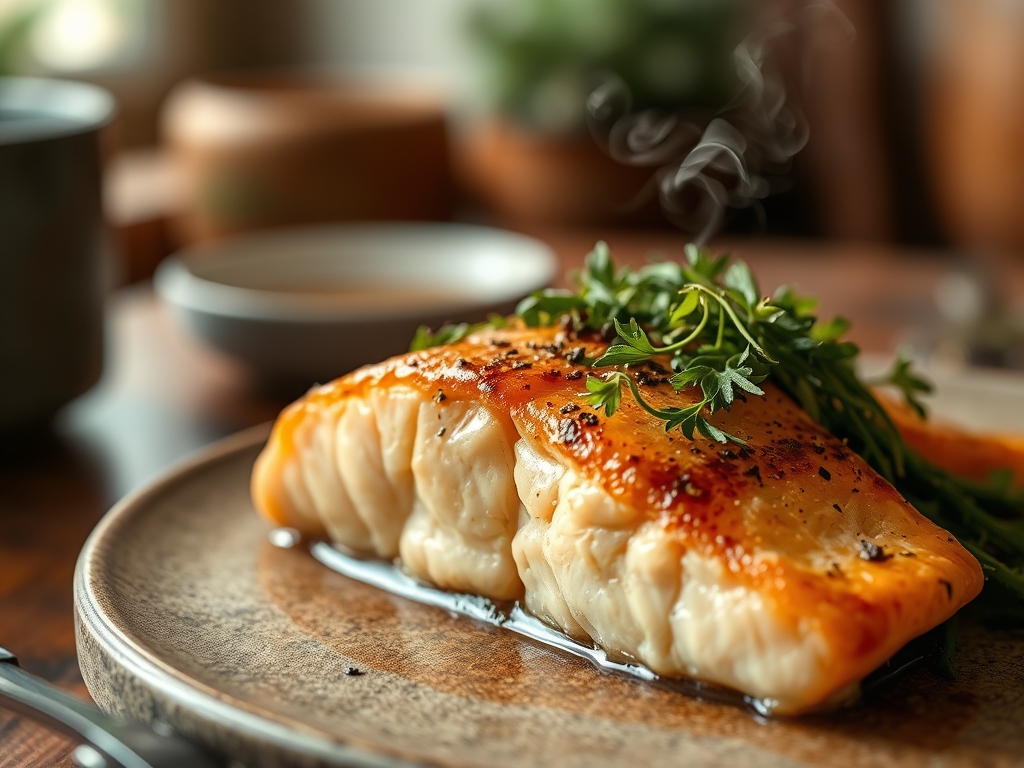
Imagine the sharp hiss of a heavy-bottomed skillet meeting cold protein. The kitchen fills with the scent of toasted fat and bright citrus as the skin transforms into a glass-like crackle. Finding delicious w w salmon recipes is about more than just counting points; it is about mastering the delicate chemistry of the sea's most versatile fish.
Salmon is a culinary marvel because its high myoglobin content and healthy fats allow it to withstand high heat while remaining buttery and succulent. We are moving beyond the bland, steamed fillets of the past. Today, we are focusing on maximizing flavor through the Maillard reaction while keeping our caloric density low. Whether you are craving a piquant glaze or a crisp, herb-crusted finish, these six variations will revolutionize your weeknight rotation. We will use precision tools and professional techniques to ensure every bite is a restaurant-quality experience that fits perfectly into your lifestyle.
The Gathers:
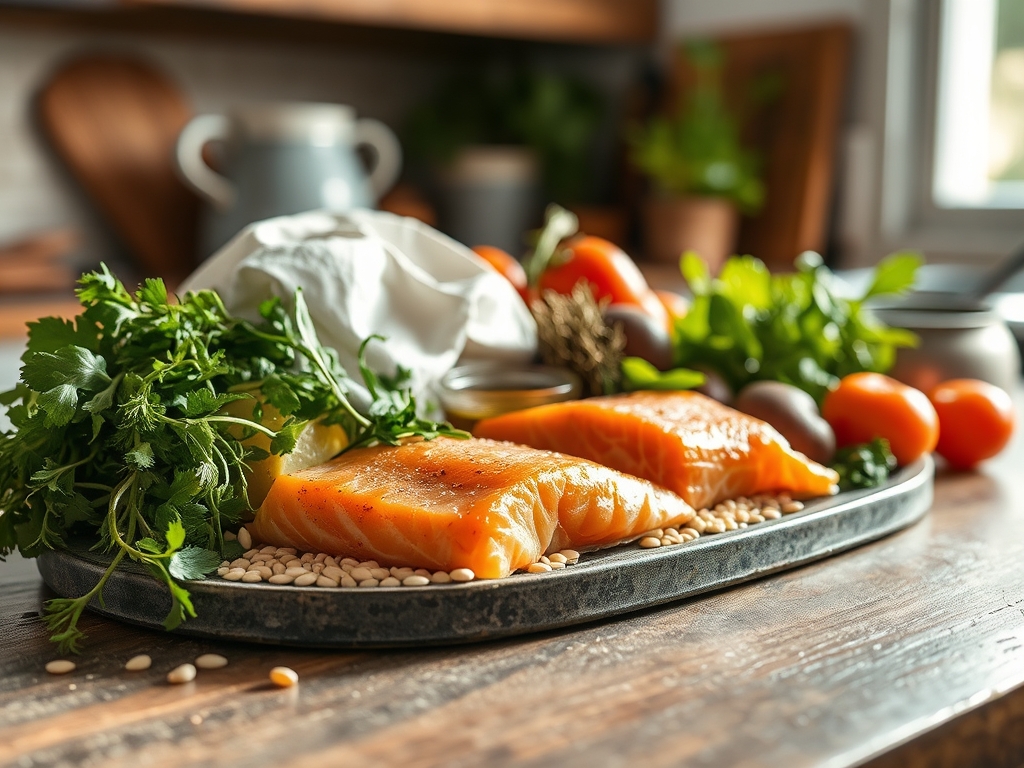
To execute these w w salmon recipes with precision, your mise-en-place must be impeccable. Start with high-quality Atlantic or Sockeye fillets; look for deep pigmentation and firm muscle fibers that spring back when pressed. You will need a microplane for zesting citrus and grating fresh ginger into a fine, aromatic paste. A digital scale is non-negotiable for accurate portioning of your honey, maple, or miso glazes to keep your points in check.
Our flavor profiles rely on viscous aromatics and fresh herbs. Gather bundles of dill, cilantro, and scallions to provide a vibrant contrast to the rich lipids of the fish. For smart substitutions, swap heavy oils for a light spray of avocado oil, which has a high smoke point of 520 degrees Fahrenheit. Use Greek yogurt instead of mayonnaise to create a creamy, protein-packed binder for crusts. Instead of refined sugars, utilize the natural sweetness of coconut aminos or a splash of fresh orange juice to infuse your marinades with depth without the caloric baggage.
The Clock
Efficiency in the kitchen is about "Chef's Flow," which means grouping tasks by their thermal requirements. Total preparation for these meals averages 15 minutes, while active cooking time spans 10 to 12 minutes. The secret to the clock is the resting period. Salmon continues to cook after it leaves the heat due to residual thermal energy. By factoring in a 3-minute rest, you prevent the muscle fibers from tightening and expelling their moisture. Always preheat your pan for at least 4 minutes; a cold pan is the enemy of a golden crust.
The Masterclass
1. The Perfect Sear
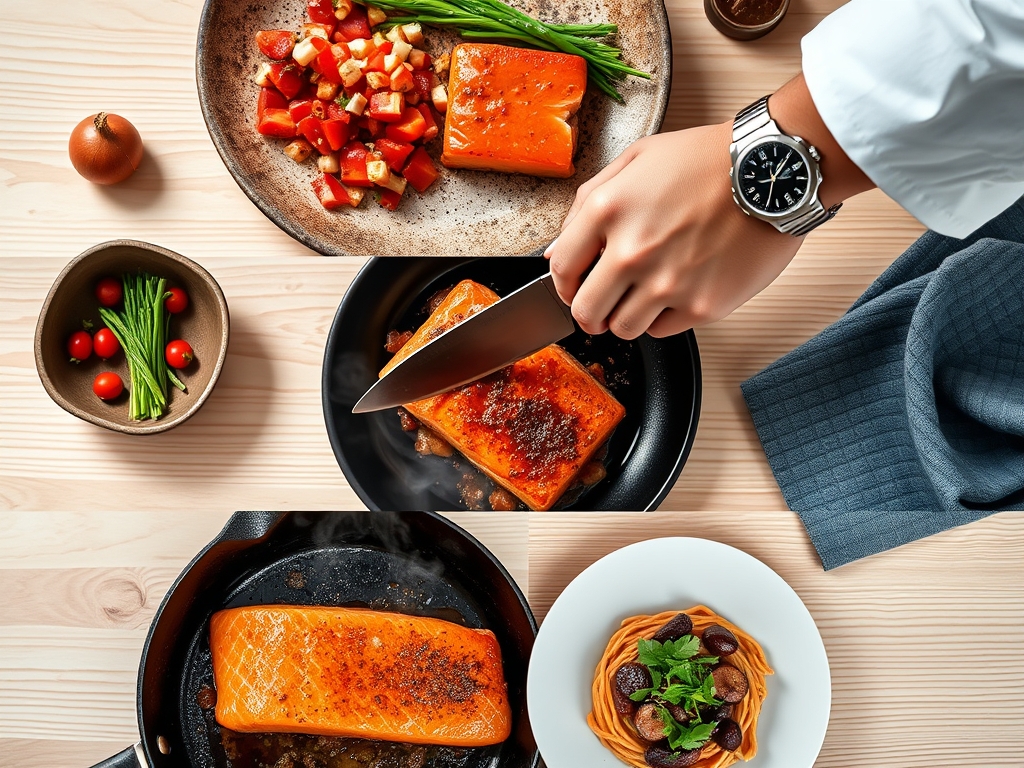
Place your fillet skin-side down in a preheated, non-stick skillet. Use tongs to press the fish gently against the surface for the first 30 seconds. This ensures maximum surface contact for even heat distribution.
Pro Tip: This technique triggers the Maillard reaction, where amino acids and reducing sugars rearrange to create hundreds of flavor compounds. If the fish sticks, the bond hasn't finished breaking; wait for the proteins to denature and release naturally.
2. The Citrus Emulsion
While the fish sears, whisk together lemon juice, a teaspoon of Dijon mustard, and a splash of vegetable stock in a saucier. Whisk vigorously to aerate the mixture until it becomes slightly thickened and opaque.
Pro Tip: Mustard acts as a natural emulsifier. The lecithin in the mustard seeds binds the water-based citrus with the fat, creating a stable, silky sauce without the need for heavy cream or butter.
3. The Glaze Application
Brush your chosen glaze (Miso-Ginger or Honey-Chipotle) onto the flesh side during the final two minutes of cooking. Use a silicone pastry brush to ensure an even, thin coating that won't pool in the pan and burn.
Pro Tip: Sugars undergo caramelization at 320 degrees Fahrenheit. By applying the glaze late, you achieve a tacky, glossy finish without the bitter notes of scorched sugar.
4. The Herb Infusion
Once the heat is turned off, toss a handful of fresh herbs and a crushed garlic clove into the pan. Tilt the skillet and use a spoon to baste the residual oil over the fish.
Pro Tip: This is called aromatic basting. The heat of the oil extracts the fat-soluble essential oils from the herbs, coating the salmon in a fragrant layer of flavor that doesn't add extra points.
5. The Internal Check
Use an instant-read thermometer to check the thickest part of the fillet. Aim for 125 degrees Fahrenheit for a medium-rare center that is moist and flaky.
Pro Tip: Thermal carryover will raise the internal temperature by another 5 to 7 degrees while the fish rests. Pulling it early prevents the albumin (the white protein) from leaking out and drying the meat.
6. The Rest and Flake
Move the salmon to a warm plate or a wooden bench scraper to rest. This allows the internal juices to redistribute through the muscle fibers rather than spilling onto the plate.
Pro Tip: Resting allows the protein structures to relax. When you finally flake the fish with a fork, the segments will separate along the natural fat lines, providing a superior mouthfeel.
The Deep Dive
From a macro perspective, salmon is a powerhouse. A 6-ounce portion typically provides 34 grams of protein and is rich in Omega-3 fatty acids, which are essential for heart health. For dietary swaps, Keto followers can increase the healthy fats by adding a sliver of avocado. For a Vegan alternative, use the same glazes on thick slabs of "Lion's Mane" mushrooms or extra-firm tofu to mimic the texture.
The Fix-It:
- Soggy Skin: Your pan wasn't hot enough or the skin was wet. Pat the fish bone-dry with paper towels before cooking.
- White Gunk (Albumin): This is a sign of overcooking. Lower your heat and pull the fish 5 degrees earlier next time.
- Bland Flavor: You likely forgot to season the flesh side. Salt your fish at least 10 minutes before cooking to allow it to penetrate the fibers.
Meal Prep: To reheat without losing quality, avoid the microwave. Use a toaster oven at 275 degrees Fahrenheit with a splash of water covered by foil. This creates a gentle steam environment that revives the lipids without making the fish rubbery.
The Wrap-Up
Mastering w w salmon recipes is your ticket to a high-energy, high-flavor lifestyle that never feels like a sacrifice. By focusing on the science of the sear and the precision of your tools, you transform a simple fillet into a culinary masterpiece. Remember, cooking is an experiment where you are the lead scientist; don't be afraid to tweak the acidity or the spice to suit your palate. Now, grab your skillet and let's get cooking!
The Kitchen Table
How do I prevent salmon from sticking to the pan?
Ensure the skillet is fully preheated and the fish skin is completely dry. Use a high-smoke-point oil and do not attempt to flip the fillet until it naturally releases from the surface through protein denaturation.
What is the best way to season salmon for Weight Watchers?
Focus on zero-point aromatics like zest, garlic, and fresh herbs. Use acidic brighteners like rice vinegar or lime juice to enhance the natural flavors of the fish without adding excess fats or sugars.
Can I cook salmon from frozen?
Yes, but for the best texture, thaw it in the refrigerator overnight. If cooking from frozen, use the air fryer at 390 degrees Fahrenheit to ensure the exterior crisps while the interior reaches a safe temperature.
How long does cooked salmon last in the fridge?
Stored in an airtight container, cooked salmon remains fresh for up to three days. For optimal quality, repurpose leftovers into a cold salad or a grain bowl to avoid the textural changes that come with reheating.