
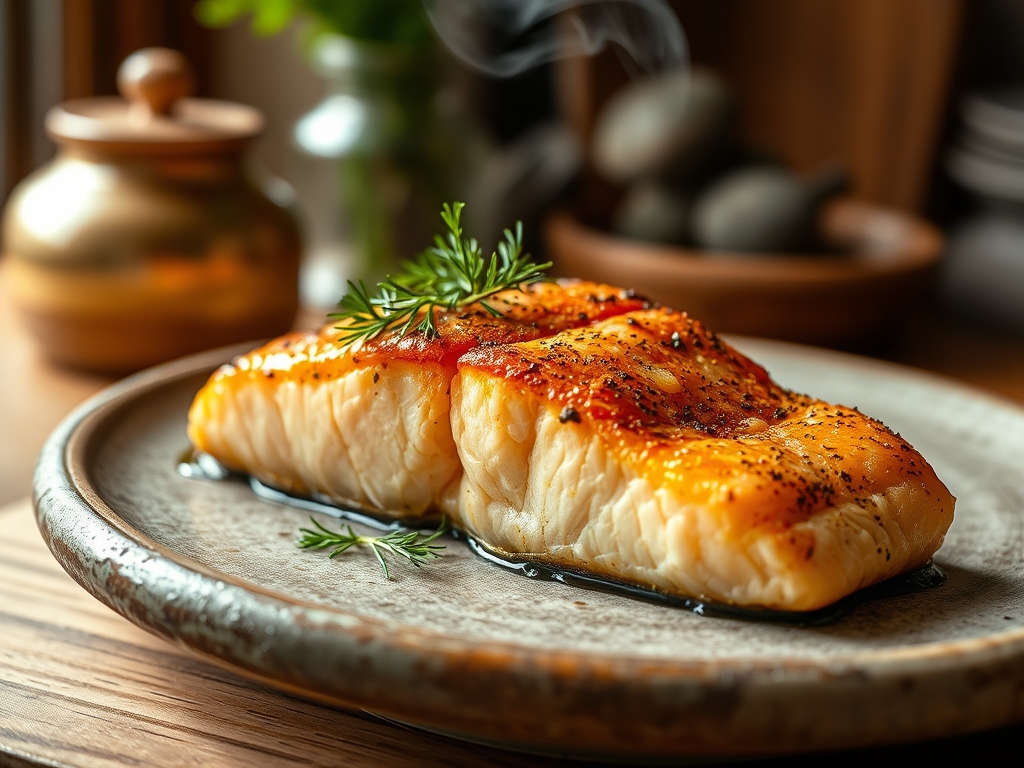
Imagine the scent of cold-pressed olive oil hitting a preheated baking sheet; it is the olfactory equivalent of a deep exhale. We are chasing that perfect, translucent flake that only comes from precision. Mastering baked salmon recipes with dill is less about following a list and more about managing moisture and aromatics. When the piquant, grassy notes of fresh dill meet the rich, omega-3 fatty acids of a wild-caught sockeye, a chemical synergy occurs. The dill contains carvone and limonene; these volatile oils cut through the heavy lipids of the fish, brightening the palate and lifting the entire dish from a simple weeknight meal to a professional-grade entree.
The secret to success lies in the thermal transition. We are not just cooking fish; we are managing protein coagulation. If you have ever seen that white substance (albumin) seeping out of your salmon, you have pushed the muscle fibers too far, causing them to contract and squeeze out moisture. Today, we are going to treat our fillets with the scientific respect they deserve. From citrus infusions to creamy emulsified crusts, these seven variations will transform your kitchen into a high-end bistro. Grab your apron; we have some molecules to manipulate.
The Gathers:
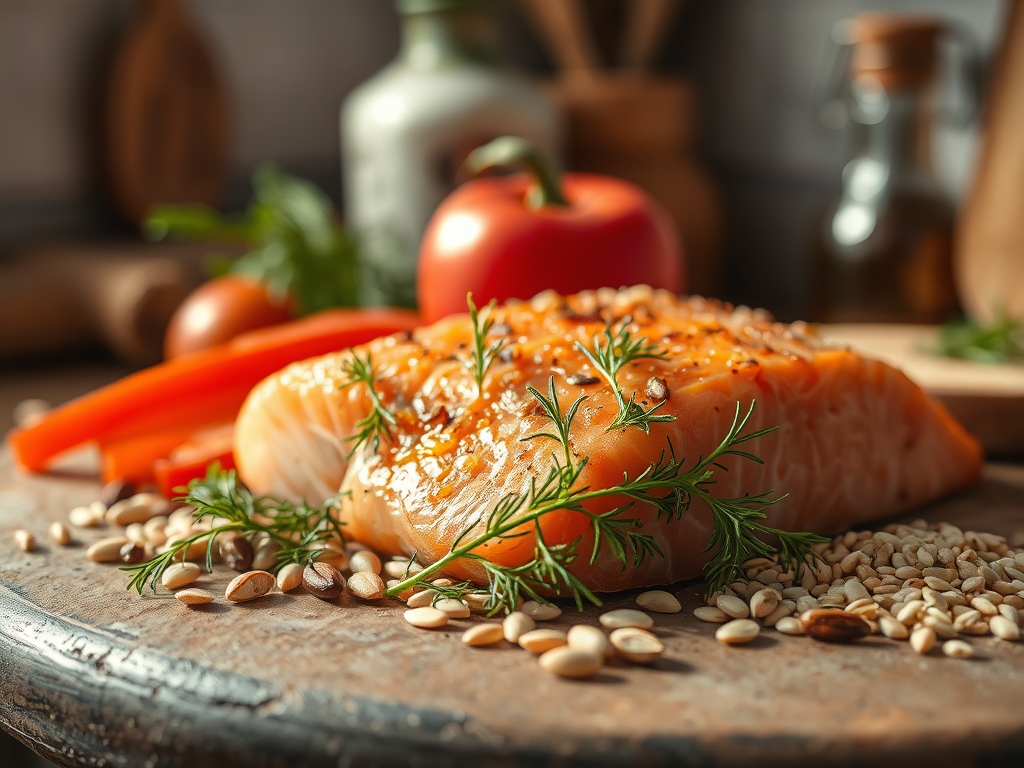
To execute these baked salmon recipes with dill, your mise-en-place must be impeccable. Start with the protein: look for fillets with high intramuscular fat, which provides a buffer against overcooking. You will need a digital scale to ensure even portioning, as thickness dictates your thermal curve.
The Essentials:
- Fresh Dill: Do not even think about the dried stuff in the back of the pantry. We need the viscous oils found in fresh fronds to truly infuse the flesh.
- Fats: High-quality unsalted butter for rendering or a cold-pressed extra virgin olive oil for a cleaner finish.
- Acid: Lemons and limes provide the necessary protons to balance the fatty acids.
- Aromatics: Garlic, shallots, and capers to add depth and piquant complexity.
Smart Substitutions:
If you are out of fresh dill, a fine dusting of fennel pollen offers a similar anise-like profile. If you require a dairy-free alternative for creamy recipes, a high-fat coconut cream or a cashew-based emulsion works beautifully. For those watching sodium, swap table salt for a flaky Maldon sea salt; the larger crystal size provides a structural crunch without over-salting the interior.
The Clock:
Efficiency in the kitchen is about "Chef's Flow." This is the art of overlapping tasks so that nothing sits idle. For these recipes, your active prep time is exactly 12 minutes. This includes using a microplane to zest your citrus and a sharp chef's knife to chiffonade your dill.
The cook time is a variable of density. At 400 degrees Fahrenheit, a standard one-inch fillet takes approximately 10 to 12 minutes to reach an internal temperature of 125 degrees. Remember to account for thermal carryover; the internal temperature will rise another 5 degrees while the fish rests on the counter. Total time from fridge to table is 25 minutes. If you are prepping for a crowd, use a bench scraper to clear your board quickly between tasks to maintain a sterile, organized workspace.
The Masterclass:
1. The Brine and Pat
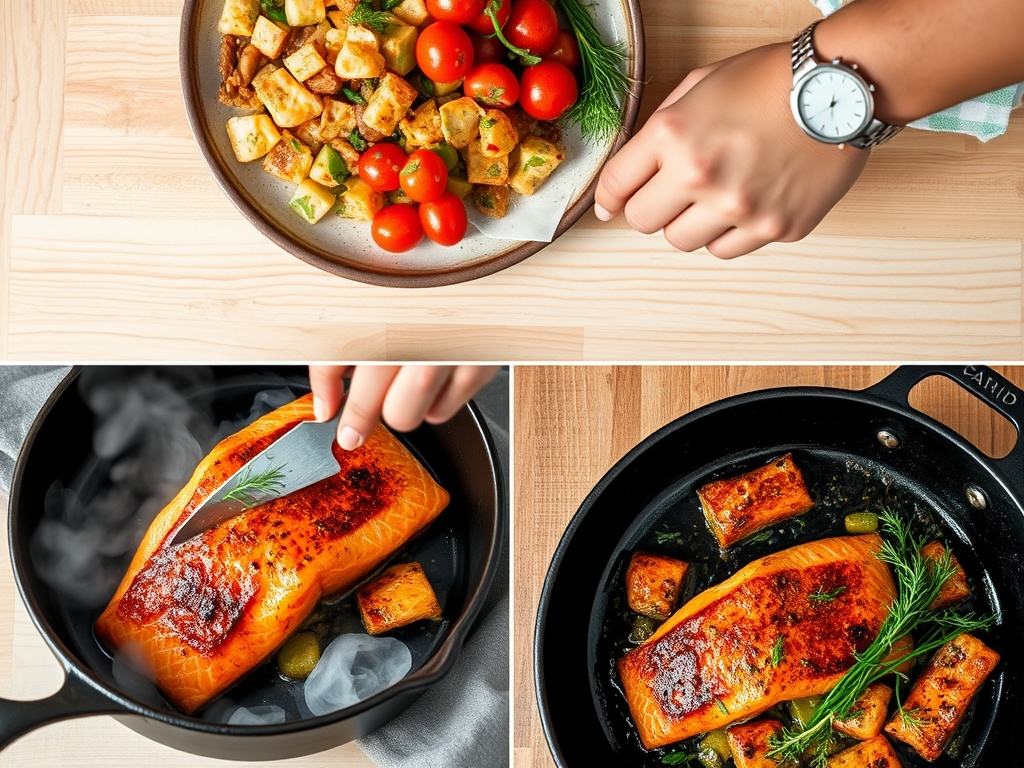
Start by dissolving sea salt in cold water and submerging the fillets for 15 minutes. This seasons the fish deeply and tightens the protein structure. Remove and use a lint-free towel to pat the skin bone-dry.
Pro Tip: This prevents the "white goo" (albumin) from surfacing. By slightly denaturing the surface proteins in a brine, they become less likely to contract violently when hitting the heat.
2. The Fat Application
Place the salmon on a heavy-bottomed sheet pan. Apply your chosen lipid; whether it is brushed-on melted butter or a drizzle of oil. Ensure the coating is even to facilitate heat transfer.
Pro Tip: Fats act as a thermal bridge. Without an even layer of oil, the hot air of the oven creates uneven dry spots, leading to localized overcooking before the center is done.
3. The Dill Infusion
Layer your fresh dill fronds directly onto the fat-coated surface. If using a crust recipe, mix the chopped dill with breadcrumbs or nuts in a small saucier before pressing it onto the fillet.
Pro Tip: Volatile aromatic compounds are fat-soluble. By placing the dill in direct contact with the oil or butter, you are creating a localized infusion that carries the flavor deep into the muscle fibers.
4. The Precision Bake
Slide the pan into the center rack of the oven. Avoid using the convection setting unless you want a crispier skin, as the moving air can dehydrate the delicate top of the fish.
Pro Tip: Use an instant-read probe thermometer. Pulling the salmon at 125 degrees Fahrenheit ensures a moist, medium-rare center. Waiting until 145 degrees (the USDA recommendation) often results in a chalky, dry texture.
The Deep Dive:
Macro Nutrition:
Salmon is a nutritional powerhouse. A 6-ounce serving provides roughly 34 grams of protein and 15 grams of healthy fats. It is naturally low in carbohydrates, making it a staple for metabolic health. The dill adds negligible calories but contributes antioxidants like quercetin.
Dietary Swaps:
- Keto: Use a heavy coating of grass-fed butter and crushed macadamia nuts for the "dill crust."
- Vegan: This flavor profile works exceptionally well on "watermelon steaks" or thick slices of roasted cauliflower.
- Gluten-Free: Use almond flour or crushed pork rinds as a binder for dill-heavy toppings.
The Fix-It:
- Soggy Skin: Your oven wasn't hot enough. Fix: Finish the fish under the broiler for 60 seconds, but watch it like a hawk.
- Bland Interior: You skipped the brine. Fix: Finish with a sprinkle of finishing salt and a squeeze of fresh lemon juice to wake up the flavors.
- Overcooked Edges: The tail section is thinner than the loin. Fix: Fold the thin tail underneath itself to create a uniform thickness before baking.
Meal Prep & Reheating:
To maintain "day-one" quality, never microwave salmon. The high-frequency waves cause the fat to oxidize and the smell to become "fishy." Instead, reheat in a 300-degree oven with a splash of water and a tight foil cover to create a steam chamber. This gently rehydrates the proteins without toughening them.
The Wrap-Up:
You are now officially a master of the salmon arts. By understanding the relationship between fat-soluble aromatics and thermal management, you have moved beyond "just cooking" into the realm of culinary science. These baked salmon recipes with dill are your foundation; feel free to iterate, experiment, and obsess over the details. Whether you are serving a quiet solo dinner or hosting a sophisticated gathering, the confidence of a perfectly flaked fillet is the ultimate kitchen flex. Now, go grab that microplane and get to work!
The Kitchen Table:
Can I use dried dill instead of fresh?
While possible, dried dill lacks the volatile oils necessary for a vibrant flavor. If you must, use one-third the amount of fresh, but expect a more muted, hay-like profile rather than the bright, piquant punch of fresh fronds.
How do I stop the salmon from sticking to the pan?
Preheat your sheet pan before adding the fish, or use a piece of parchment paper. A light coating of high-smoke-point oil on both the pan and the fish skin creates a non-stick barrier through the Leidenfrost effect.
What is the best way to tell if salmon is done without a thermometer?
Press the side of the fillet with a fork or your finger. If the muscle segments (flakes) begin to separate easily along the white fat lines, it is ready. If it feels firm and bouncy, it needs more time.
Why does my salmon have white stuff on top?
That is albumin, a liquid protein that solidifies when heated. It is perfectly safe to eat, but it indicates the fish was cooked too fast or too long. Brining the fish beforehand significantly reduces its appearance.