
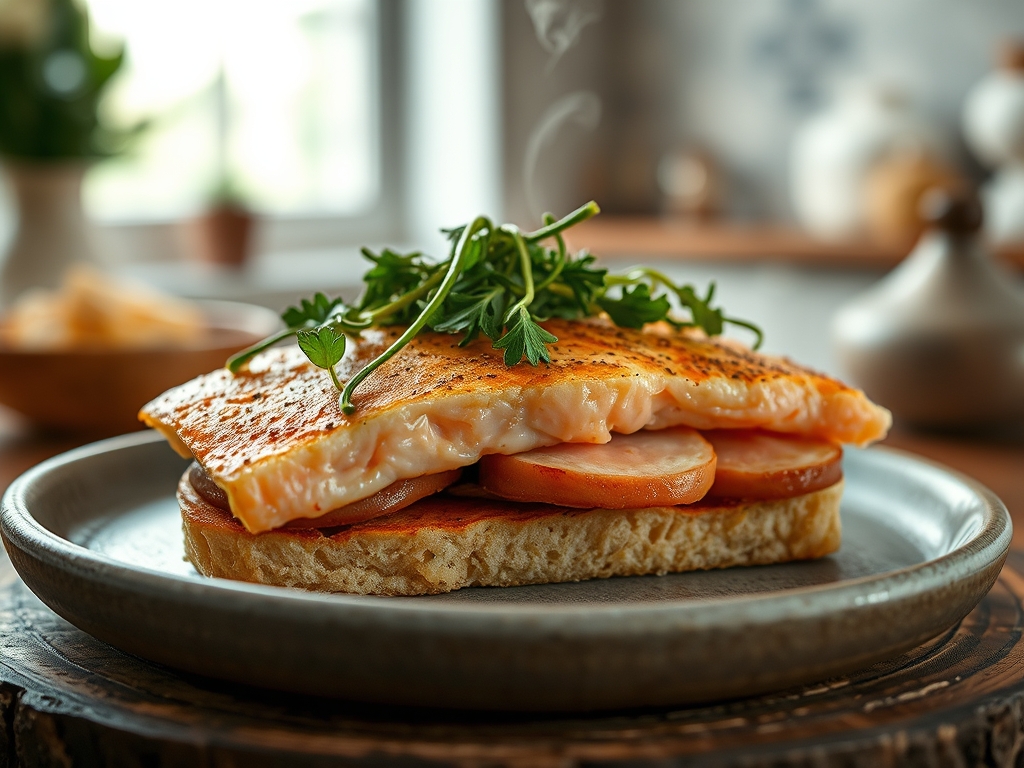
Imagine the sound of a sharp knife piercing a crusty baguette; that satisfying, percussive crackle that promises a soft, airy interior. Now, imagine filling that vessel with a protein so rich in omega-3 fatty acids and savory depth that it rivals the finest bistro fare. We are moving far beyond the sad, watery mashes of the past. When you master canned salmon recipes sandwich construction, you are engaging in a delicate dance of moisture management and textural contrast. The goal is a sandwich that feels luxurious and intentional; a balanced masterpiece of fatty acids, bright acids, and crunch. We are going to treat this humble pantry staple like the premium sockeye it truly is. By the time we are done, you will understand how to manipulate proteins and lipids to create a lunch that feels like a decadent secret. This is not just a meal; it is an exercise in culinary physics where every ingredient serves a structural and flavorful purpose. Grab your apron, because your kitchen is about to smell like a coastal summer.
The Gathers:
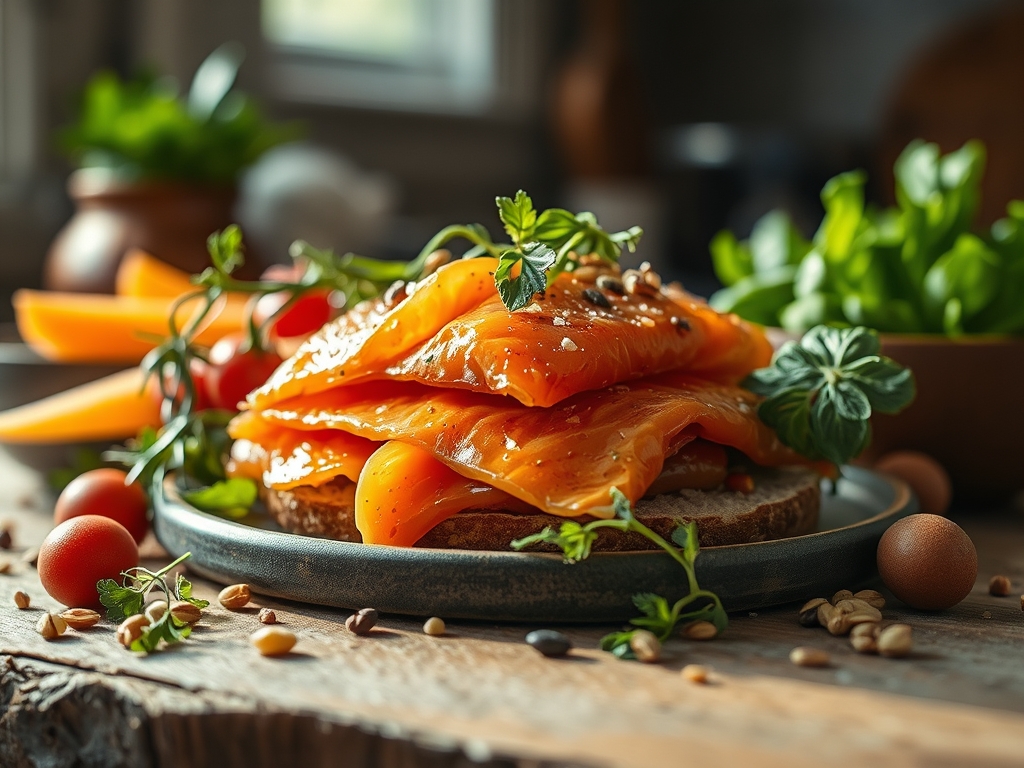
To begin our assembly, we must curate a mise-en-place that respects the delicate flake of the fish. You will need six ounces of high-quality canned wild-caught salmon; look for brands that pack in water or natural juices to maintain a clean flavor profile. For our binding agent, we require a viscous, high-fat mayonnaise. This provides the lipid base necessary to carry fat-soluble flavor compounds across the palate. Add to this one tablespoon of piquant capers, finely minced shallots for a sharp aromatic bite, and a bunch of fresh dill.
For the structural elements, select a sturdy sourdough or a ciabatta roll. These breads possess the crumb strength to hold moisture without disintegrating. You will also need a microplane for zesting citrus and a digital scale to ensure your protein-to-binder ratio is perfect.
Smart Substitutions: If you are looking to lighten the profile, Greek yogurt can replace half the mayonnaise, though you must add a teaspoon of olive oil to maintain the mouthfeel. For those avoiding gluten, large butter lettuce leaves or a sturdy radicchio cup offer a vibrant, bitter contrast that mimics the snap of toasted bread.
The Clock: Chef's Flow
Efficiency in the kitchen is about the "Chef's Flow," which is the art of overlapping tasks to minimize downtime. The total active preparation time for this recipe is exactly twelve minutes.
First, spend three minutes on your knife work. Use a sharp chef's knife to achieve a fine brunoise on your aromatics. The next four minutes are dedicated to the "Cold Infusion" phase, where the salmon and seasonings meld. While the flavors marry, spend five minutes on the "Thermal Phase." This involves toasting your bread in a heavy-bottomed skillet with a touch of unsalted butter. By the time the bread has achieved a golden-brown hue, the salmon mixture has reached its peak osmotic balance. This synchronized timing ensures the bread is hot and the filling is chilled; a temperature contrast that is essential for a high-end sensory experience.
The Masterclass:
1. The Moisture Extraction
Drain the salmon thoroughly using a fine-mesh sieve. Press down lightly with a spoon to remove excess brine.
Pro Tip: Removing surface moisture is critical because of capillary action. If the fish is too wet, the water molecules will repel the fat-based mayonnaise, leading to a soggy bread barrier and a "weeping" sandwich.
2. The Flake Preservation
Transfer the salmon to a chilled glass bowl. Use a fork to gently flake the meat rather than mashing it into a paste.
Pro Tip: You want to maintain the muscular integrity of the fish. Over-mixing breaks down the proteins into a homogenous mush, destroying the varied mouthfeel that makes a premium sandwich stand out.
3. The Aromatic Infusion
Incorporate your minced shallots, capers, and dill. Use a microplane to shower the mixture with lemon zest.
Pro Tip: Citrus zest contains essential oils like limonene. These oils are more potent than the juice alone and provide a bright, top-note aroma that cuts through the heavy lipids of the salmon.
4. The Emulsion Bind
Fold in the mayonnaise and a teaspoon of Dijon mustard using a silicone spatula.
Pro Tip: This is a "cold emulsion." The mustard acts as a secondary emulsifier, helping the fats from the mayo and the natural oils from the fish to bond into a smooth, creamy coating.
5. The Maillard Toast
Heat your heavy-bottomed skillet over medium heat. Apply a thin layer of butter to the bread and toast until mahogany.
Pro Tip: This is the Maillard reaction in action. The heat reorganizes amino acids and sugars, creating hundreds of new flavor compounds and a crisp texture that protects the crumb from the filling.
6. The Structural Layering
Place a layer of crisp greens on the bottom slice of bread before adding the salmon mixture.
Pro Tip: This serves as a hydrophobic barrier. The waxy surface of the lettuce prevents moisture from the salmon from migrating into the toasted bread, keeping it crunchy for longer.
7. The Acid Balance
Squeeze a few drops of fresh lemon juice directly onto the salmon just before closing the sandwich.
Pro Tip: Acid triggers salivation, which enhances your perception of all other flavors. It acts as a "flavor highlighter" for the fatty sockeye.
8. The Compression
Gently press the top slice of bread down to settle the ingredients.
Pro Tip: Controlled compression creates surface tension within the sandwich, ensuring that the filling stays put when you take your first bite.
9. The Final Cut
Use a serrated bread knife to slice the sandwich on a bias.
Pro Tip: Cutting on a bias increases the visible surface area of the interior. This allows the olfactory system to engage with the aromas before the first bite, heightening the overall taste.
The Deep Dive:
From a macro nutrition perspective, this sandwich is a powerhouse. A standard serving provides approximately 35 grams of high-quality protein and a significant dose of Vitamin D and B12. The omega-3 fatty acids are essential for cognitive function and reducing systemic inflammation.
Dietary Swaps: For a Keto-friendly version, ditch the bread and use a bench scraper to pile the salmon onto sliced cucumbers or into a hollowed-out bell pepper. For a Vegan alternative, mashed chickpeas can mimic the texture of salmon; simply add a sheet of crumbled nori to provide that essential "sea" flavor.
The Fix-It:
- Too Salty: If your canned salmon is overly brined, fold in a tablespoon of unsweetened Greek yogurt to dilute the sodium concentration.
- Too Dry: Add a teaspoon of olive oil or a splash of pickle juice to rehydrate the protein fibers.
- Falling Apart: Your binder is too thin. Add a small amount of breadcrumbs or more mayo to increase the viscosity and "clinging" power of the mixture.
Meal Prep: To maintain "day-one" quality, store the salmon mixture and the bread separately. Reheat the bread in a toaster oven to restore the crispness, then assemble. Never microwave the salmon; the high heat will denature the proteins too quickly, resulting in a rubbery texture and a strong, "fishy" odor.
The Wrap-Up:
You have officially graduated from basic pantry meals to a master of canned salmon recipes sandwich engineering. By focusing on moisture control, lipid emulsions, and the Maillard reaction, you have transformed a simple tin of fish into a gourmet experience. Remember that great cooking is as much about physics as it is about flavor. Now, take that beautifully sliced sandwich, find a sunny spot, and enjoy the fruits of your scientific labor. You have earned every crunchy, savory bite.
The Kitchen Table:
How do I make canned salmon taste less "fishy"?
Rinse the salmon in cold water and pat dry. Adding high-acid ingredients like lemon juice, vinegar, or capers neutralizes the trimethylamine (TMA) compounds responsible for that strong aroma, leaving you with a clean, savory flavor.
Can I use canned salmon with bones and skin?
Yes, the bones are soft and provide a massive calcium boost. Use a fork to mash them thoroughly into the meat until they disappear. The skin contains the highest concentration of omega-3 oils and should be incorporated for nutrition.
What is the best bread for a salmon sandwich?
Choose a bread with a high structural integrity, such as sourdough or a dense rye. These breads handle the moisture of the salmon mixture without becoming soggy, providing a necessary textural contrast to the creamy filling.
How long does salmon salad stay fresh in the fridge?
When stored in an airtight glass container, the salmon mixture will maintain optimal quality for up to three days. Ensure your refrigerator is set below 40 degrees Fahrenheit to prevent bacterial proliferation and maintain freshness.