
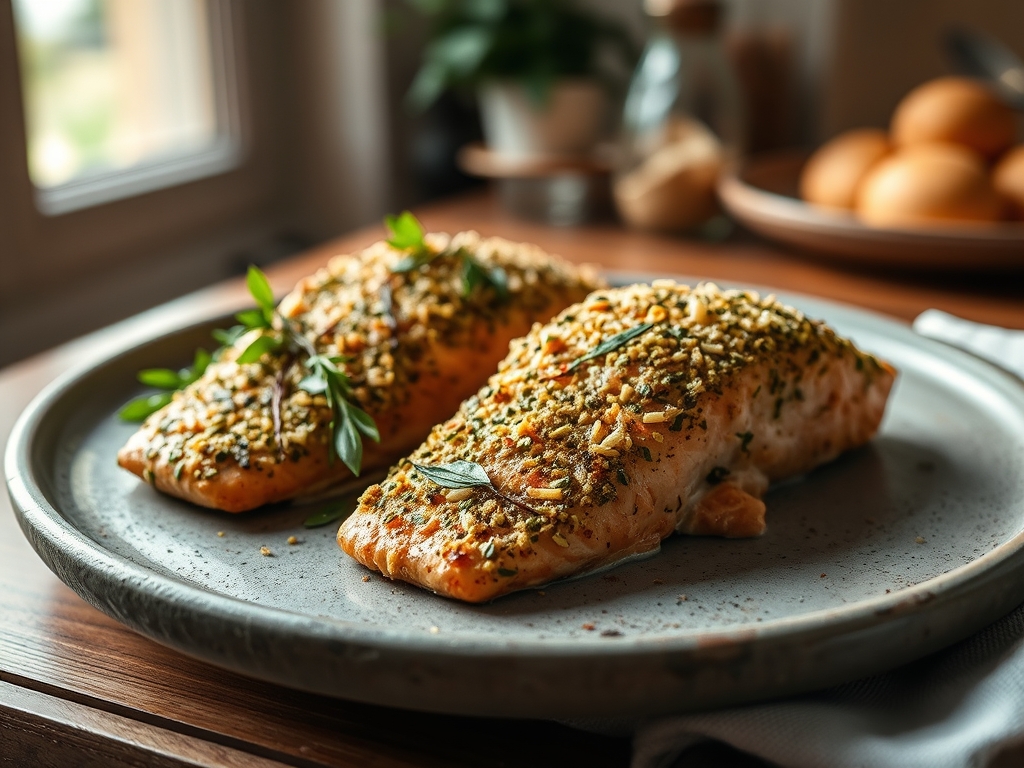
Imagine the sound of a heavy bottomed skillet meeting a high flame; it is the rhythmic percussion of a kitchen that knows exactly what it is doing. There is a specific, intoxicating magic that happens when cold, fatty Atlantic fillets meet the bright, volatile oils of fresh rosemary and thyme. If you have been searching for the ultimate herb crusted salmon recipes, you have finally arrived at the intersection of molecular science and pure, unadulterated comfort. We are not just tossing dried flakes onto a fish; we are engineered to create a structural, flavor dense barrier that locks in moisture while providing a satisfying, piquant crunch. This is the dish that makes you look like a Michelin star prodigy while you are secretly just leveraging the power of high heat and aromatic chemistry. Grab your microplane and your favorite apron. We are about to transform a simple protein into a textural masterpiece that will have your guests asking for your secret before they even finish their first bite.
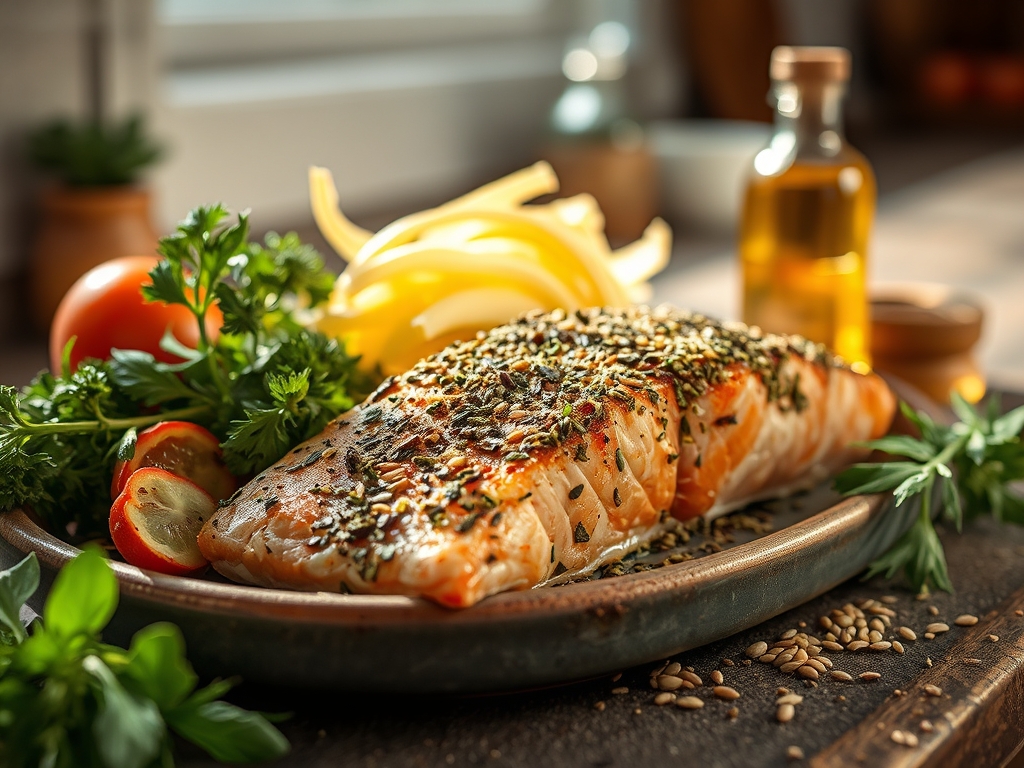
The Gathers:
To achieve the perfect crust, your mise en place must be precise. Start with high quality salmon fillets, preferably center cut for uniform thickness. You will need a bouquet of fresh herbs: flat leaf parsley for its clean bitterness, dill for its grassy notes, and chives for a subtle, onion like bite. The "crust" component requires panko breadcrumbs or crushed pork rinds for a keto twist; these provide the surface area needed for the Maillard reaction to thrive. Do not forget the binding agent. A high quality Dijon mustard acts as a viscous glue, while its acidity cuts through the salmon's natural fats.
For the technical tools, keep a digital scale nearby to ensure your herb to crumb ratio is balanced. You will also need a sharp chef's knife to finely mince the herbs without bruising the delicate cell walls, which can lead to oxidation and a bitter aftertaste.
Smart Substitutions:
If you are out of panko, toasted almond flour offers a nutty, gluten free alternative that browns beautifully. No Dijon? A thick Greek yogurt or a smear of miso paste provides the same structural integrity with a unique, savory depth. If fresh herbs are scarce, use a third of the amount in dried form, but rehydrate them in a teaspoon of olive oil first to wake up those dormant essential oils.
The Clock
Efficiency in the kitchen is all about the Chef's Flow. This entire process takes exactly 25 minutes from fridge to table. You will spend 10 minutes on the "prep phase," which includes mincing your aromatics and patting the fish bone dry. The "active phase" lasts 12 to 15 minutes depending on the thickness of your fillets.
The flow is simple: while the oven preheats to a precise 400 degrees Fahrenheit, you are building your crust. By the time the oven chime sounds, your fillets should be dressed and ready for the heat. This synchronization prevents the salt in the crust from drawing out too much moisture from the raw fish, which would result in a soggy base rather than a crisp finish.
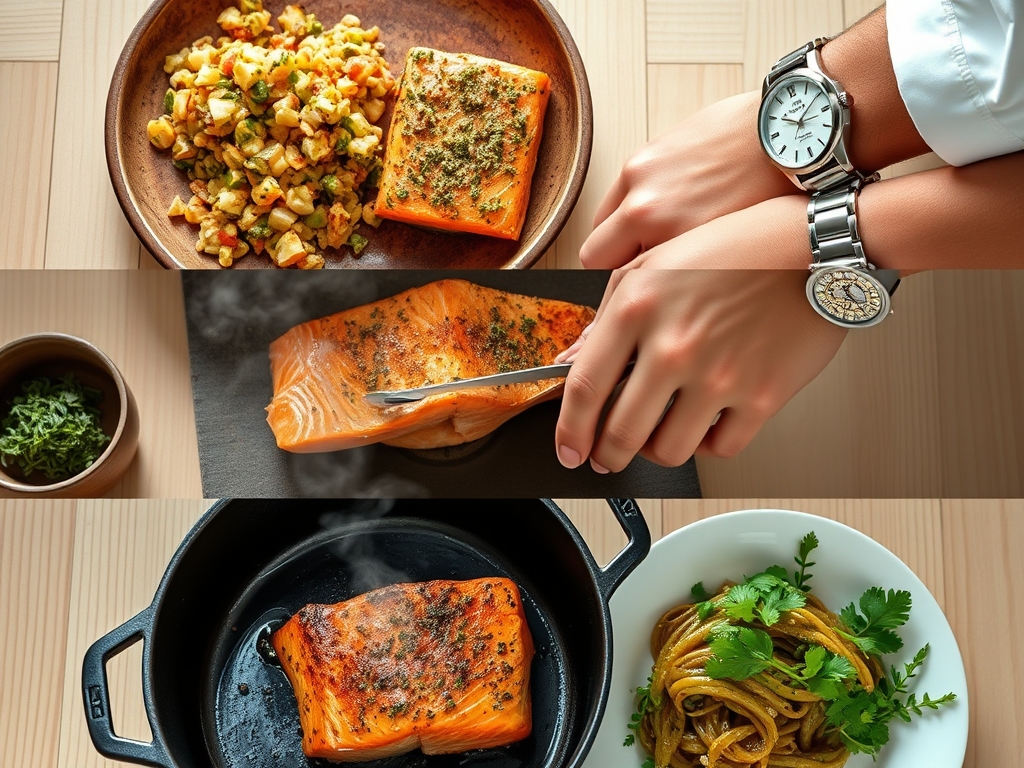
The Masterclass
1. Prep the Protein Surface
Use a lint free paper towel to pat the salmon fillets until they are completely dry to the touch. Moisture is the enemy of a crisp crust; if the surface is damp, the fish will steam rather than sear.
Pro Tip: This prevents the Leidenfrost effect, where a layer of vapor forms between the fish and the heat, preventing the crust from adhering properly to the skin or flesh.
2. Create the Aromatic Binder
In a small bowl, whisk together your Dijon mustard, a squeeze of lemon zest, and a pinch of kosher salt using a small saucier whisk. Apply a thin, even layer to the top of each fillet using a silicone pastry brush.
Pro Tip: The mustard acts as an emulsifier, bridging the gap between the watery protein of the fish and the dry, oily herb crust, ensuring the topping does not slide off during service.
3. Build the Herb Matrix
Combine your finely minced herbs with the panko and a drizzle of melted butter or olive oil. The crumbs should look like wet sand. Press this mixture firmly onto the mustard coated salmon.
Pro Tip: Adding fat to the breadcrumbs facilitates conduction, allowing the heat of the oven to penetrate the crumbs evenly and achieve a uniform golden brown color.
4. The Thermal Transition
Place the fillets on a parchment lined baking sheet. Slide them into the center rack of the oven. This position ensures even air circulation around the entire fillet.
Pro Tip: Avoid the top rack initially to prevent the herbs from burning before the fish reaches its internal target temperature. This is known as managing the thermal gradient.
5. Monitor the Internal Temp
Use a digital probe thermometer to check the thickest part of the salmon. You are looking for 125 degrees Fahrenheit for a perfect medium rare.
Pro Tip: Remember thermal carryover. The internal temperature will continue to rise by 5 degrees after you remove the fish from the oven as the residual heat moves toward the center.
6. The Final Rest
Transfer the salmon to a warm plate and let it sit for three minutes before serving. This allows the muscle fibers to relax and reabsorb the internal juices.
Pro Tip: Resting prevents syneresis, which is the sudden expulsion of liquid that happens if you cut into the protein too quickly, leaving the fish dry and the plate messy.
The Deep Dive
From a nutritional standpoint, herb crusted salmon recipes are a powerhouse. A standard 6 ounce serving provides roughly 34 grams of high quality protein and a significant dose of Omega 3 fatty acids, which are essential for brain health.
Dietary Swaps:
For my Keto friends, swap the panko for crushed macadamia nuts. For the Vegans, use a thick "flax egg" or tahini as the binder and apply the herb crust to a thick slab of cauliflower or firm tofu. If you are Gluten Free, certified GF breadcrumbs or crushed rice cereal work wonders.
The Fix-It:
- The Soggy Bottom: If your fish is wet underneath, you likely overcrowded the pan. Use a wire rack set over the baking sheet to allow air to circulate under the fish.
- The Burnt Crust: If the herbs are darkening too fast, tent the fish loosely with foil. This reflects radiant heat while allowing the conductive heat to finish cooking the center.
- The Albumin Bleed: If you see white goo seeping out, you have overcooked the fish. That is albumin, a protein that pushes out when muscle fibers contract too tightly from excess heat.
Meal Prep:
To reheat without losing the crunch, avoid the microwave. Place the salmon in a toaster oven at 300 degrees Fahrenheit for 5 minutes. This gently warms the fats without denaturing the proteins further, maintaining that "day one" flake.
The Wrap-Up
Mastering the art of the herb crust is like learning a new language; once you understand the grammar of moisture control and heat management, you can say anything. These herb crusted salmon recipes are your ticket to effortless, impressive weeknight dinners. You have the tools, you have the science, and now you have the confidence to execute a flawless meal. Go ahead, get that skillet screaming hot and let the herbs do the heavy lifting. Your kitchen is now a laboratory of flavor, and you are the lead scientist.
The Kitchen Table
How do I keep the herb crust from falling off?
Ensure the salmon surface is bone dry before applying the binder. Use a viscous agent like Dijon mustard or honey to act as a culinary glue, and press the herb mixture firmly into the fillet using the flat of your hand.
Can I use dried herbs instead of fresh?
Yes, but use one third of the amount. Dried herbs are more concentrated. To maximize flavor, rub them between your palms to release oils or bloom them in a small amount of warm oil before mixing with your breadcrumbs.
What is the best way to tell if salmon is done?
The most reliable method is using a digital thermometer to reach 125 to 130 degrees Fahrenheit. Alternatively, press the top of the fillet; if the flakes begin to separate easily along the white fat lines, it is ready to rest.
Why is my salmon crust not getting crispy?
This usually happens due to excess moisture or low oven temperatures. Ensure you pat the fish dry and that your oven is fully preheated. Adding a small amount of fat, like melted butter, to the crumbs also encourages browning.