
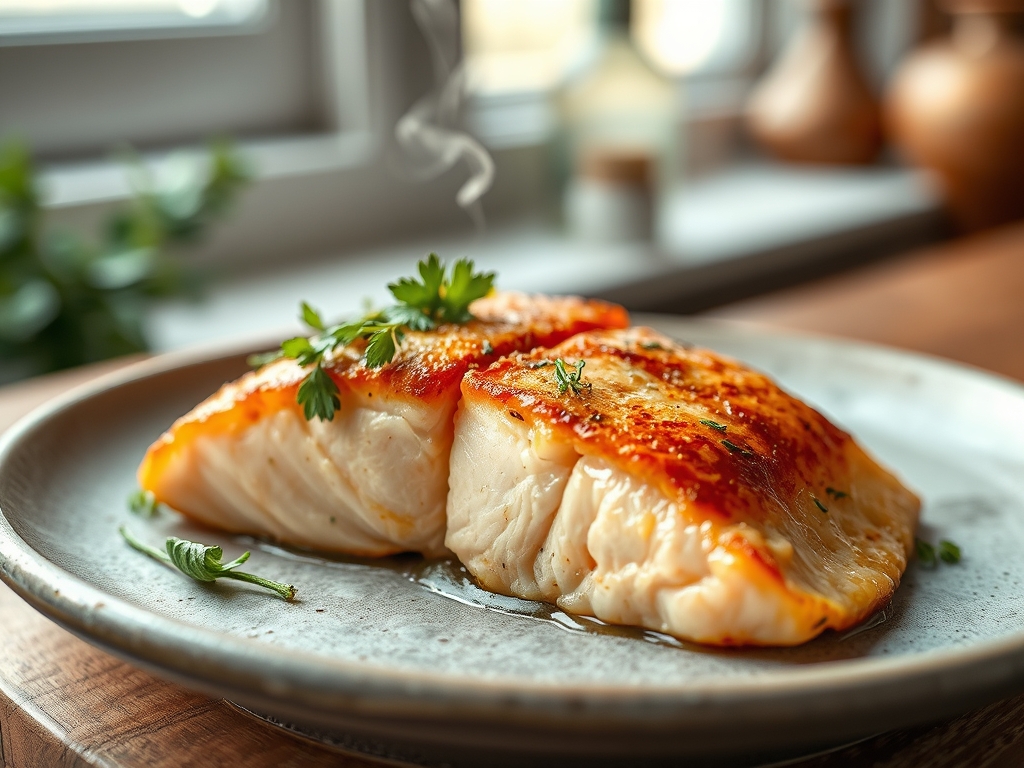
Imagine a heavy-bottomed skillet shimmering with a whisper of olive oil as a cold fillet of wild-caught sockeye hits the surface. The sound is an immediate, aggressive sizzle; it is the song of the Maillard reaction beginning its work. We are not just cooking dinner tonight. We are engineering a cardiovascular masterpiece using heart healthy salmon recipes that bridge the gap between clinical nutrition and pure, unadulterated decadence. Salmon is the undisputed king of the sea for a reason. Its fat is not just flavor; it is a high-viscosity delivery system for Omega-3 fatty acids that sweep through your arteries like a sophisticated cleaning crew. When you learn to manipulate this protein, you are mastering the art of the sear and the science of cellular health. We are moving past the days of dry, chalky fish. Today, we focus on the alchemy of moisture retention, the precision of thermal control, and the piquant brightness of fresh aromatics. Grab your favorite apron and a glass of something crisp; we are about to turn your kitchen into a high-performance wellness lab.
The Gathers:
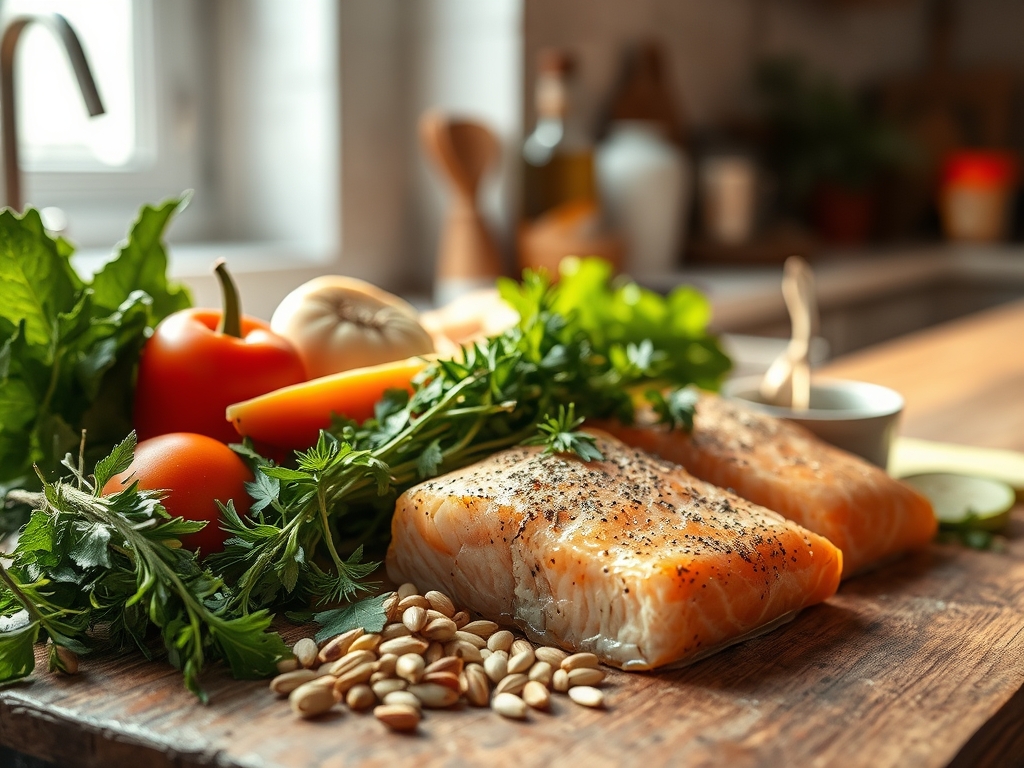
The mise-en-place for world-class heart healthy salmon recipes requires more than just ingredients; it requires an understanding of molecular synergy. Your primary subject should be firm to the touch, with a vibrant, saturated hue that indicates high astaxanthin content. You will need a high-precision digital scale to ensure consistent portioning, as thickness dictates your thermal trajectory. Gather fresh aromatics: sprigs of woody thyme, cloves of garlic with the skins still on to prevent scorching, and lemons that feel heavy for their size, indicating a high juice yield.
For the supporting cast, look for fiber-dense companions. Think of cruciferous vegetables like broccolini or lacinato kale that provide a bitter structural contrast to the fatty fish. Use a microplane to zest your citrus; this tool captures the volatile oils in the flavedo without hitting the bitter white pith. Smart Substitutions are your best friend here. If you are avoiding sodium, replace soy sauce with liquid aminos or a splash of coconut aminos for that deep umami profile. Instead of heavy cream for a pan sauce, use a splash of starchy pasta water and a vigorous whisking motion to create a silken, heart-healthy emulsion.
The Clock
Efficiency in the kitchen is about the "Chef's Flow," a sequence of tasks that minimizes downtime and maximizes heat management. For most heart healthy salmon recipes, the total active time is a mere 15 to 20 minutes. The breakdown is calculated: 5 minutes for the precision prep (patting the skin dry is non-negotiable), 8 to 10 minutes of active thermal application, and a mandatory 3-minute rest period.
The flow begins with the "Cold Start" prep. While your skillet preheats on medium-high, you are seasoning and zesting. By the time the oil reaches its smoke point, your fish is ready. While the salmon renders its fat in the pan, you are deglazing and preparing your greens. This overlapping timeline ensures that every component hits the plate at the peak of its sensory profile. Never rush the rest; it is the most active part of the process for the protein fibers.
The Masterclass
1. The Moisture Elimination Phase
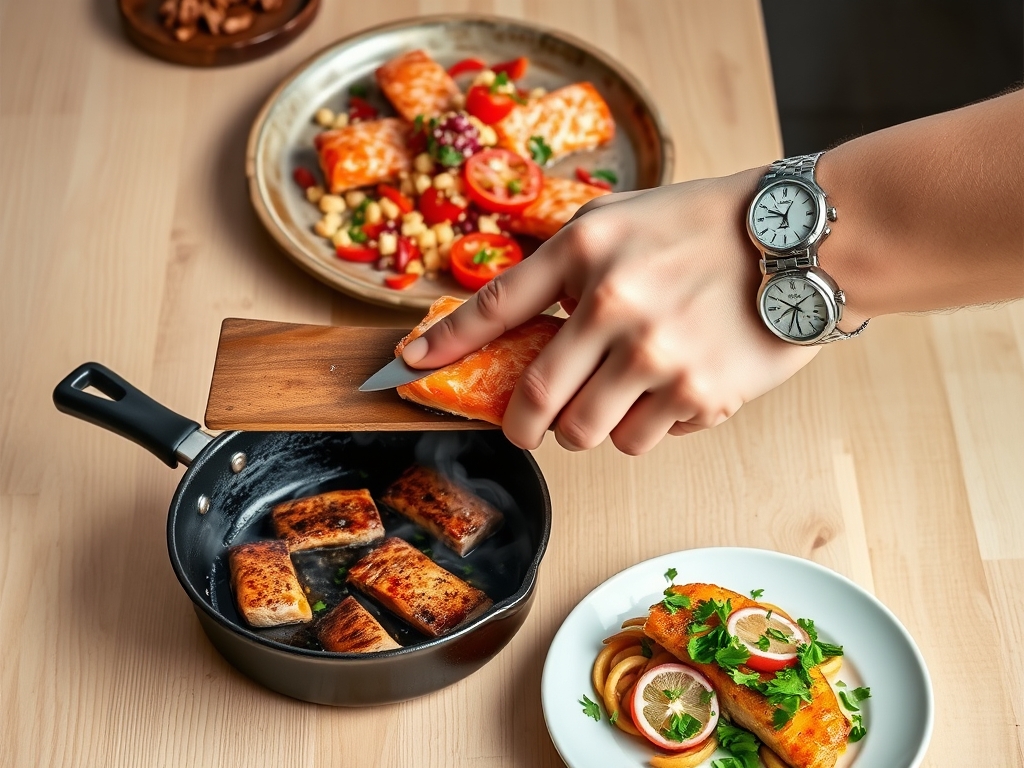
Use a clean paper towel to aggressively pat the salmon skin until it is bone dry. Moisture is the enemy of the sear. If the surface is damp, the heat energy will be wasted on evaporating water rather than browning the proteins. Pro Tip: This prevents the "steaming effect," ensuring the skin becomes a crisp, structural element rather than a rubbery barrier.
2. The Thermal Shock Entry
Place the salmon skin-side down in a preheated heavy-bottomed skillet. Use a fish spatula to apply firm, even pressure for the first 30 seconds. This prevents the protein fibers from curling as they contract under heat. Pro Tip: This initial pressure ensures maximum surface-to-metal contact, facilitating a rapid and even Maillard reaction across the entire fillet.
3. The Fat Rendering Process
Lower the heat slightly and let the fish cook 75 percent of the way through on the skin side. You will see the opaque color creep up the sides of the fillet. This allows the subcutaneous fat to render out, naturally basting the meat from the bottom up. Pro Tip: This technique utilizes conductive heat to gently cook the delicate interior while protecting it with the insulating layer of the skin.
4. The Aromatic Infusion
In the final two minutes, toss in your smashed garlic and thyme. Use a large spoon to baste the fish with the infused oil. This is where you aerate the fats, picking up the toasted notes of the garlic and depositing them into the crevices of the flakes. Pro Tip: This is a "flavor finish" that adds complex top notes without requiring high-calorie sauces or heavy butter.
5. The Carryover Rest
Remove the salmon from the pan when it is 5 degrees below your target internal temperature. Place it on a warm plate and let it sit. The residual heat will continue to move toward the center of the fish, finishing the cook perfectly. Pro Tip: Thermal carryover ensures the albumin (the white protein that leaks out) stays inside the cells, resulting in a flake that is succulent rather than dry.
The Deep Dive
When we look at the macro nutrition of these heart healthy salmon recipes, the numbers are staggering. A standard 6-ounce fillet provides roughly 34 grams of high-bioavailability protein and 13 grams of heart-protective fats. For those on specific paths, the swaps are simple. Keto followers can lean into the natural fats, while those seeking a vegan alternative can apply these same searing techniques to thick slabs of "King Trumpet" mushrooms or marinated tempeh to mimic the umami depth.
The Fix-It: If your skin sticks to the pan, do not panic. It usually means the protein hasn't finished its natural release. Wait another 30 seconds for the crust to fully form. If the fish looks "milky," you have overcooked it; next time, pull it off the heat earlier. If the center is cold but the outside is charred, your pan was too hot. Use a lower flame and a longer render time.
For meal prep, reheating is a science. Avoid the microwave, which vibrates water molecules and toughens the fish. Instead, use a low-temperature oven (275 degrees) with a splash of water in the pan, covered tightly with foil. This creates a gentle steam chamber that restores the "day-one" flake without compromising the integrity of the Omega-3s.
The Wrap-Up
Mastering heart healthy salmon recipes is about more than just following a set of instructions; it is about developing an intuition for heat and texture. By focusing on the science of the sear and the importance of the rest, you are elevating a simple piece of protein into a sophisticated wellness tool. Your heart will thank you for the healthy fats, and your palate will thank you for the complex, chef-level flavors you have unlocked. Now, go forth and sear with confidence!
The Kitchen Table
How do I know when salmon is perfectly cooked?
The most reliable method is using a digital thermometer to reach an internal temperature of 125°F for medium-rare. Alternatively, press the top of the fillet; if the flakes begin to separate easily under light pressure, it is ready.
Is wild-caught salmon really better for heart health?
Wild-caught salmon typically has a higher mineral content and a more favorable Omega-3 to Omega-6 ratio. It contains fewer calories and less saturated fat than farmed varieties, making it the superior choice for cardiovascular optimization and inflammatory reduction.
Can I eat the salmon skin on a heart-healthy diet?
Yes! The skin contains the highest concentration of Omega-3 fatty acids. When seared until crisp, it provides a satisfying texture that replaces the need for crunchy, processed toppings. Just ensure you have descaled the skin thoroughly before cooking.
What is the best oil for searing salmon?
Use oils with a high smoke point and heart-healthy fats, such as avocado oil or light olive oil. These oils remain stable at the high temperatures required for a proper sear without breaking down into inflammatory compounds.