
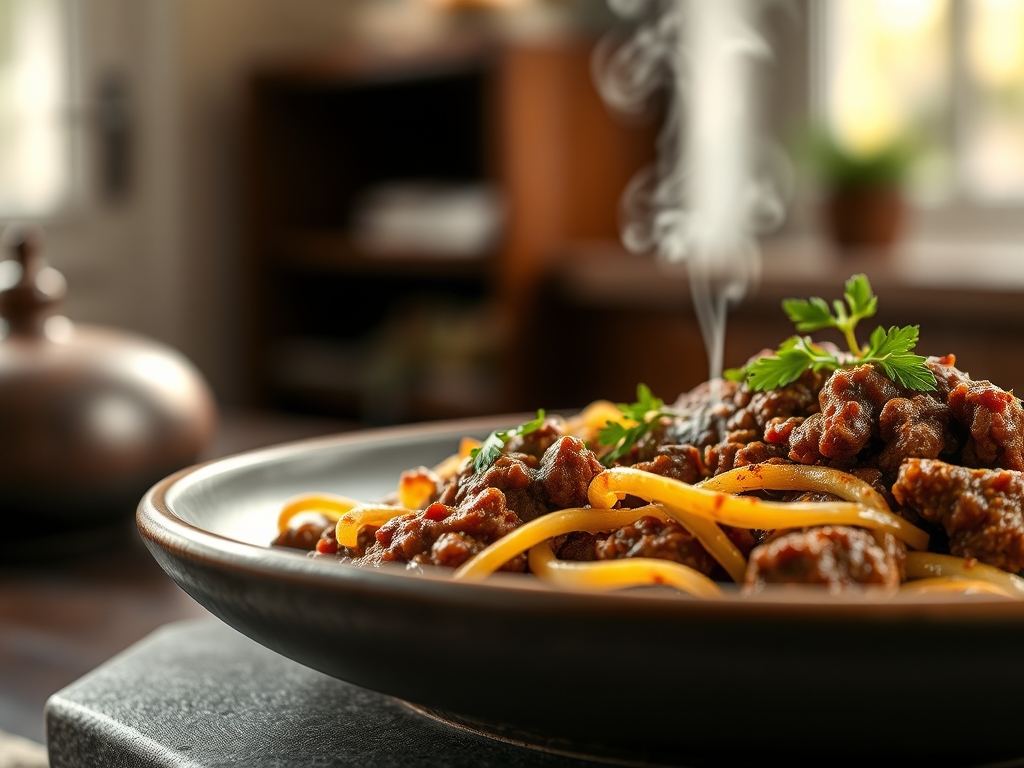
Picture this: you have just walked through the front door, the air is thick with that end of day humidity, and your internal battery is flashing red. Your family is hungry, the clock is ticking, and the lure of the takeout app is strong. But before you surrender, let me let you in on a little secret that professional chefs and savvy home cooks share. The humble pound of ground beef is actually a culinary shapeshifter capable of transforming into a gourmet meal in under thirty minutes. When you master a few quick and easy ground beef recipes for family, you are not just feeding people; you are performing edible alchemy. We are talking about deep, savory umami profiles, textures that range from crispy to velvety, and flavors that travel from the streets of Seoul to the heart of Tuscany. By understanding the molecular magic of high heat and proper seasoning, you can turn a basic protein into a rotation of six distinct, high energy dinners that will leave everyone asking for seconds.
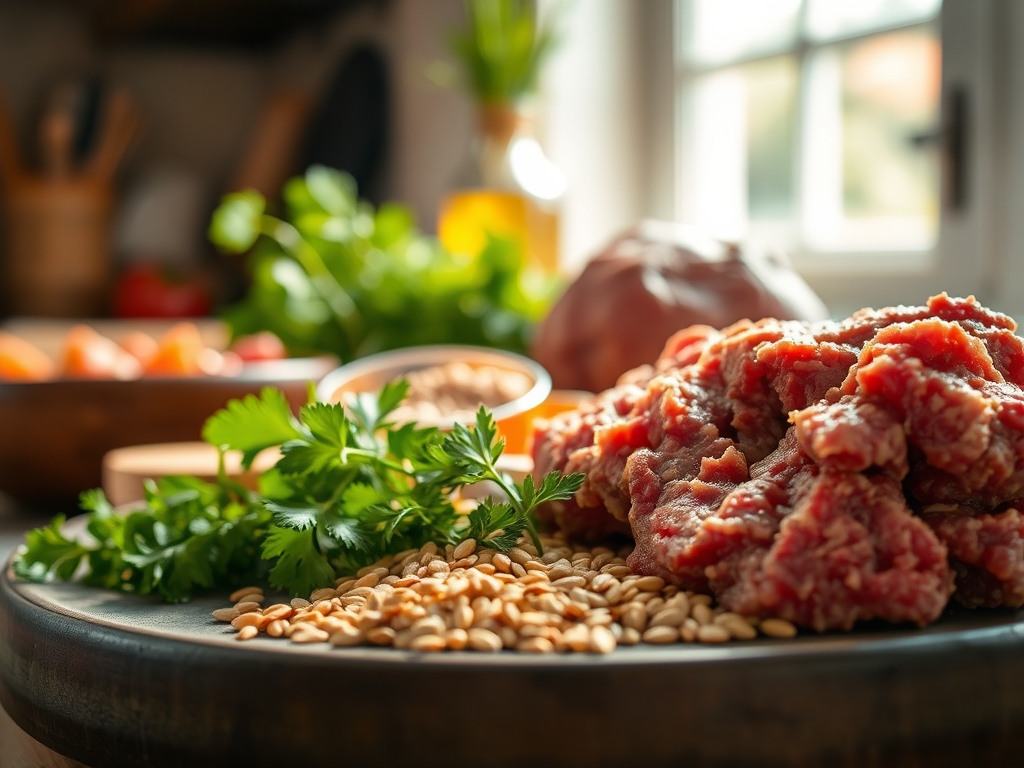
The Gathers:
Setting your stage, or mise-en-place, is the difference between a chaotic kitchen and a choreographed performance. To execute these quick and easy ground beef recipes for family, you need a specific kit. Start with a heavy-bottomed skillet or a cast iron pan; these vessels have high thermal mass, ensuring your beef sears rather than steams. You will also want a microplane for aromatics, a bench scraper for quick cleanup, and a digital scale if you are portioning for meal prep.
The ingredient list focuses on high-impact aromatics. You will need fresh garlic and ginger to provide a piquant base, along with yellow onions for their high sugar content, which aids in caramelization. For the fat profile, keep a neutral oil like grapeseed on hand for high-heat searing, and high-quality butter for finishing sauces to create a viscous, glossy mouthfeel.
Smart Substitutions: If you are looking to lighten the caloric load, you can swap traditional 80/20 beef for ground turkey or chicken, but you must add a teaspoon of Worcestershire sauce to mimic the lost beefy umami. For a plant-based twist, lentils or finely chopped walnuts can be folded into the beef to stretch the protein while adding a pleasant, earthy texture. If you find yourself out of fresh aromatics, high-quality garlic confit or freeze-dried herbs can infuse your dish with similar depth in a pinch.
The Clock:
Efficiency in the kitchen is all about "Chef's Flow," which is the art of overlapping tasks to eliminate dead time. Most of these recipes require ten minutes of active prep and fifteen to twenty minutes of cook time. While your heavy-bottomed skillet is preheating, use that time to mince your aromatics. Never wait for the pan to get hot after you have already chopped everything; the goal is to have the beef hitting the heat the moment the oil reaches its smoke point. By the time the meat is rendering its fat, you should be setting the table or whisking your finishing sauce in a saucier. This synchronized approach ensures that the entire meal hits the table in twenty-five minutes flat, maintaining the structural integrity of the vegetables and the temperature of the protein.
The Masterclass:
1. The Maillard Sear
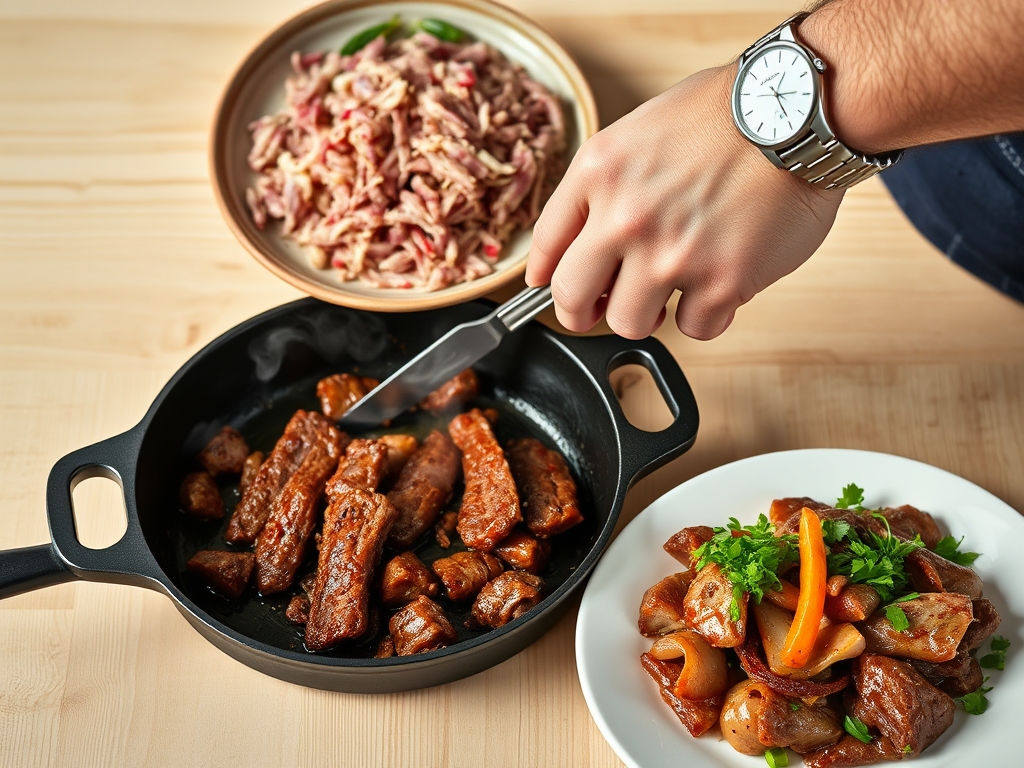
The first step in any superior beef dish is achieving a deep, mahogany crust. Pat your meat dry with a paper towel to remove surface moisture, then drop it into a screaming hot pan. Do not crowd the pan; if the meat is too close together, the released steam will turn your sear into a boil. Use a sturdy metal spatula to press the meat down, increasing surface area contact.
Pro Tip: This process is known as the Maillard Reaction, a chemical reaction between amino acids and reducing sugars that creates hundreds of different flavor compounds. If you move the meat too early, you interrupt this molecular bonding and lose that savory depth.
2. Deglazing the Fond
Once your beef is browned and removed, you will notice brown bits stuck to the bottom of the pan. This is "fond," and it is culinary gold. Pour in a liquid like beef stock, dry wine, or even a splash of vinegar. Use your tongs and a wooden spoon to scrape those bits up as the liquid bubbles.
Pro Tip: This is the process of deglazing. The liquid acts as a solvent, dissolving the concentrated proteins and sugars to create a complex, built-in sauce base that coats every morsel of meat.
3. Emulsifying the Sauce
To achieve that restaurant-quality silkiness, you need to bind your fats and liquids. Once your deglazing liquid has reduced by half, whisk in a cold pat of butter or a splash of heavy cream. Constant agitation is key here to keep the fats from separating.
Pro Tip: You are creating an emulsion. By whisking rapidly, you are suspending tiny droplets of fat within the water-based liquid. This increases the viscosity of the sauce, allowing it to cling to your pasta or rice rather than pooling at the bottom of the bowl.
4. Aerating the Aromatics
Add your garlic, ginger, or herbs during the last sixty seconds of the primary cook. If you add them too early, the high heat will burn the delicate volatile oils, turning your dish bitter.
Pro Tip: Briefly heating aromatics in fat is called blooming. This process helps to aerate and release the fat-soluble flavor compounds, ensuring the scent and taste are distributed evenly throughout the entire dish.
5. Managing Thermal Carryover
Remove your pan from the heat when the beef looks just slightly underdone. The residual heat trapped within the protein will continue to cook the meat even after it leaves the stove.
Pro Tip: This is thermal carryover. If you cook the beef until it looks "perfect" in the pan, it will be dry and overextended by the time it reaches the dinner table. Resting the meat for three minutes allows the muscle fibers to relax and reabsorb juices.
6. The Acid Finish
Right before serving, hit the dish with a squeeze of lime, a dash of vinegar, or a sprinkle of fresh zest. This provides a high-note contrast to the heavy, savory fats of the beef.
Pro Tip: Acid acts as a flavor brightener by stimulating the salivary glands and balancing the pH of the dish. It cuts through the rendered fat, making the overall flavor profile feel lighter and more sophisticated.
The Deep Dive:
When we look at the macro nutrition, ground beef is a powerhouse of bioavailable iron, B12, and zinc. A standard four-ounce serving of 90/10 beef provides roughly 22 grams of protein. To keep these meals balanced, always aim for a 1:2 ratio of beef to fibrous vegetables like bok choy, bell peppers, or broccoli.
Dietary Swaps: For a Keto-friendly version, serve your beef over cauliflower rice or inside sturdy butter lettuce cups. If you are Gluten-Free, ensure your soy sauce is swapped for tamari or liquid aminos, which provide that same salty, fermented punch without the wheat. For a vegan-adjacent "stretch," you can replace half the beef with finely minced mushrooms; their high glutamate content mimics the savory profile of meat perfectly.
The Fix-It:
- Greasy Sauce: If your sauce looks broken or oily, whisk in a tablespoon of starchy pasta water or a tiny cornstarch slurry to re-emulsify the mixture.
- Tough Meat: This usually happens from over-handling the raw beef. Next time, gently break the meat apart with a bench scraper rather than mashing it into a paste.
- Bland Flavor: You likely missed the "salt peak." Add salt in small increments at every stage of cooking, rather than all at once at the end, to build a three-dimensional flavor profile.
Meal Prep Science: To maintain "day-one" quality, store your beef in airtight glass containers. When reheating, add a teaspoon of water and cover the dish to create a steam chamber. This prevents the proteins from tightening and becoming rubbery in the microwave.
The Wrap-Up:
Mastering these quick and easy ground beef recipes for family is about more than just surviving the weeknight grind; it is about reclaiming your kitchen with confidence and scientific flair. By focusing on the Maillard reaction, proper emulsification, and the strategic use of acid, you can turn basic ingredients into extraordinary experiences. Remember, the best tool in your kitchen is your own curiosity. Don't be afraid to experiment with different aromatics or heat levels. Now, grab that heavy-bottomed skillet, fire up the burner, and show that pound of beef exactly what it is capable of becoming. Happy cooking!
The Kitchen Table:
How do I prevent ground beef from getting gray and mushy?
Ensure your pan is preheated until the oil shimmers. Pat the beef dry to remove moisture and avoid overcrowding the skillet. High heat triggers the Maillard reaction, creating a brown, flavorful crust rather than steaming the meat in its own juices.
Can I freeze these ground beef dinners for later?
Yes, ground beef dishes freeze beautifully. Cool the mixture completely before transferring to airtight bags. To preserve texture, thaw in the refrigerator overnight and reheat gently with a splash of liquid to restore the viscous consistency of the sauce.
What is the best fat percentage for quick beef recipes?
An 80/20 or 85/15 blend is ideal. The fat provides flavor and prevents the meat from drying out during high-heat searing. You can always render and drain excess fat before adding your sauces and aromatics to control the final calorie count.
How do I make the beef flavor more intense?
Use umami boosters like Worcestershire sauce, tomato paste, or soy sauce. These ingredients are high in glutamates, which enhance the natural savory notes of the beef. Always deglaze the pan to incorporate the flavorful brown bits back into your dish.