
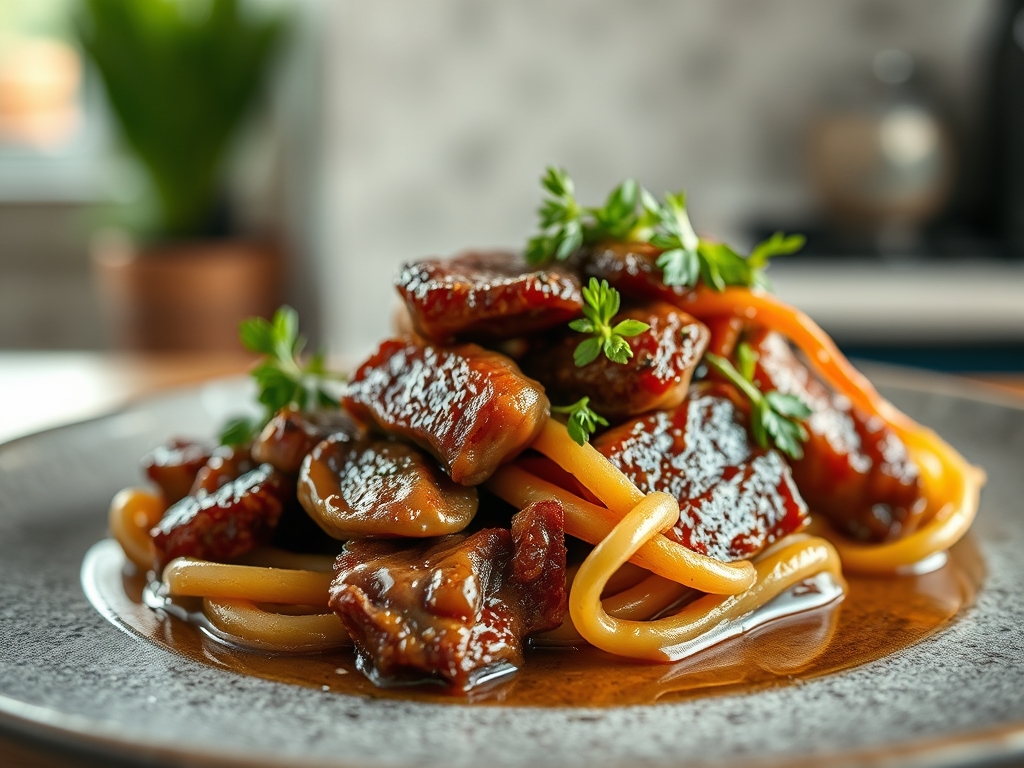
Close your eyes and listen for that specific, aggressive sizzle. It is the sound of moisture hitting hot fat and instantly transforming into a cloud of savory steam. We have all been there; you spend a fortune on a beautiful cut of meat only for it to emerge from the pan with the structural integrity of a leather boot. Mastering tenderized beef recipes is not just about heat management; it is a full scale chemical intervention. To get that melt in your mouth texture, we have to manipulate the very architecture of muscle fibers. Whether you are working with a budget friendly flank or a premium ribeye, the goal is the same: breaking down collagen and relaxing proteins before they have a chance to seize up. Today, we are moving beyond basic grilling. We are diving into the molecular mechanics of marinades, the physics of mechanical fiber disruption, and the thermal secrets that professional chefs use to keep juices locked inside the cell walls. Grab your apron because we are about to turn your kitchen into a high performance culinary lab.
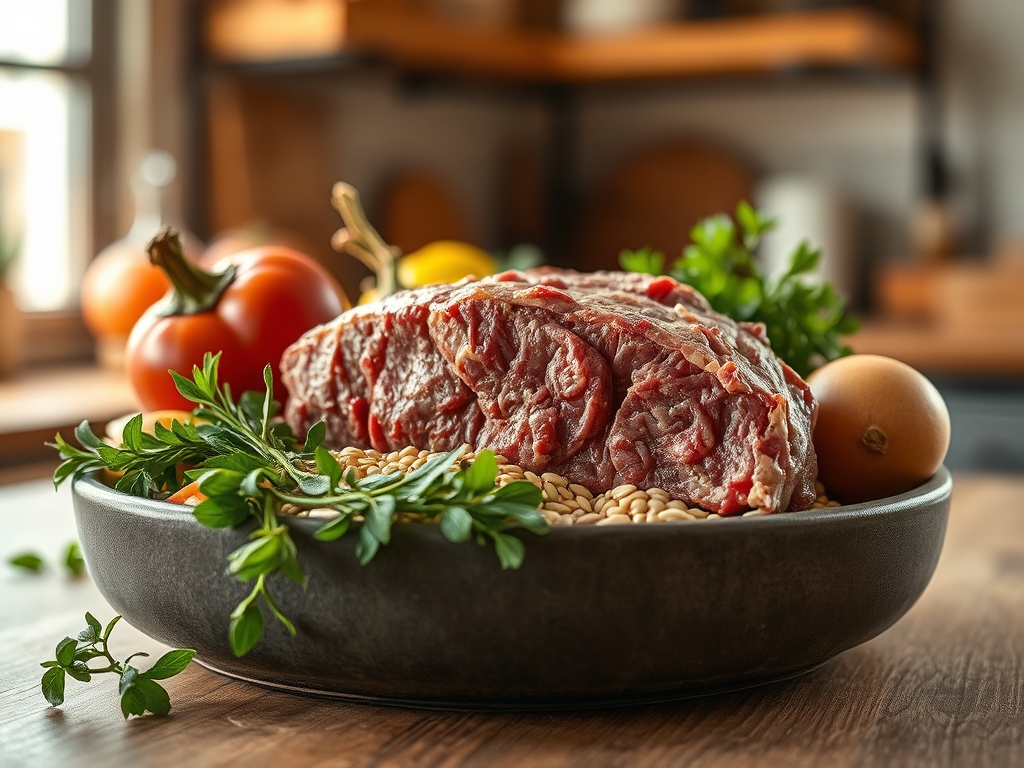
The Gathers:
Setting the stage requires more than just pulling meat from the fridge. You need a curated selection of catalysts to ensure success. Start with your protein; ideally a cut with visible intramuscular fat. You will need a high smoke point lipid, such as avocado oil or clarified butter, to facilitate the Maillard reaction without scorching. For the chemical breakdown, gather an acidic component like balsamic vinegar or a piquant citrus juice; these lower the pH to weaken protein bonds. Do not forget the enzymatic power players like fresh ginger or pineapple juice, which contain proteases that literally digest tough connective tissues.
Smart Substitutions: If you lack fresh citrus, a splash of dry sherry or rice wine vinegar provides the necessary acidity. For those avoiding soy, coconut aminos offer a viscous, savory depth with a lower glycemic index. If you do not have a heavy bottomed skillet, a cast iron press can help ensure even heat distribution across the surface of the meat.
The Clock:
Efficiency in the kitchen is all about the Chef's Flow. This is the art of overlapping tasks so no time is wasted. Total active prep time for most tenderized beef recipes sits at about 20 minutes, but the passive time is where the magic happens.
- The Marination Phase: 30 minutes to 4 hours. Do not exceed 24 hours or the acid will turn the protein mushy.
- The Tempering Phase: 20 minutes. Bringing meat to room temperature ensures even thermal penetration.
- The Sear: 3 to 5 minutes per side.
- The Rest: 10 minutes. This is non-negotiable for moisture retention.
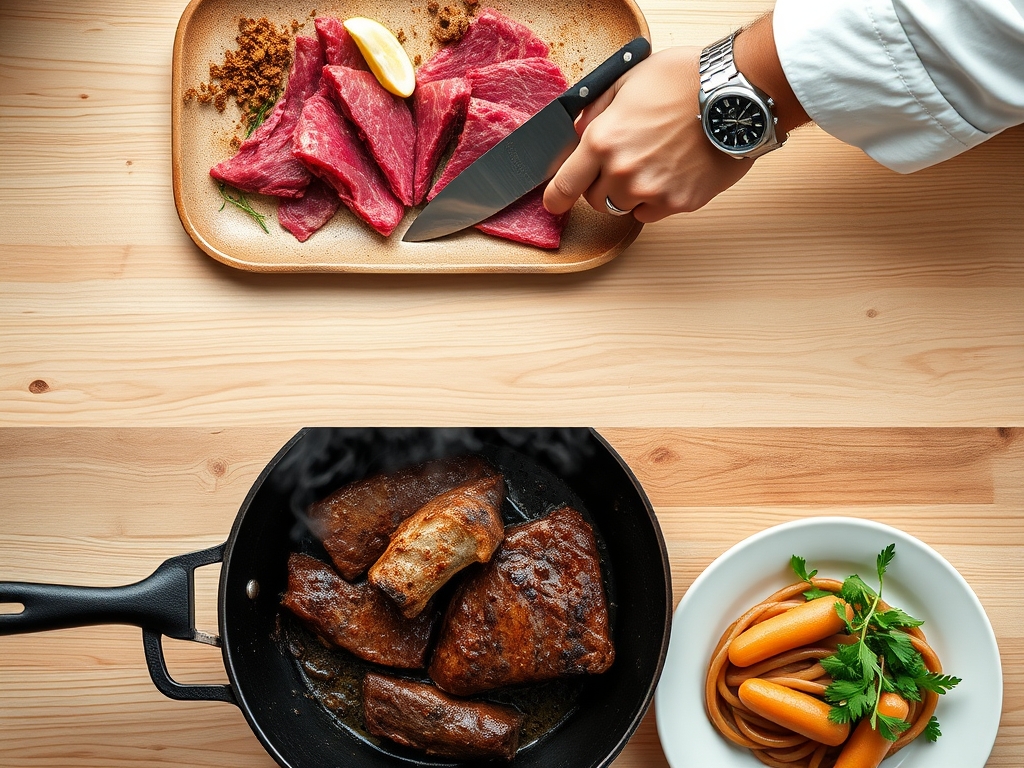
The Masterclass:
1. Mechanical Fiber Disruption
Before any heat touches the pan, use a meat mallet or a specialized bladed tenderizer to physically break the long chains of protein. This increases the surface area for marinades to penetrate.
Pro Tip: This process creates "micro-channels" in the meat. From a physics perspective, this allows for faster heat transfer to the center, reducing the total time the exterior is exposed to high heat and preventing a "grey ring" of overcooked meat.
2. The Osmotic Brine
Submerge your beef in a solution of salt, aromatics, and liquid. Salt is the only ingredient that truly penetrates deep into the muscle, denaturing the proteins so they can hold onto more water during the cooking process.
Pro Tip: This is known as denaturation. By unfolding the protein coils, you create a matrix that traps moisture. Use a digital scale to ensure a 2 percent salt concentration for the most scientifically accurate results.
3. Enzymatic Pre-Treatment
Incorporate ingredients like grated Asian pear or papaya into your marinade. These fruits contain enzymes like calpain and cathepsin which act as biological scissors, snipping through tough collagen.
Pro Tip: Enzymes are temperature sensitive. They work best at room temperature before you cook. Once the meat hits the pan, the heat will deactivate the enzymes, stopping the softening process so the meat retains its structure.
4. The High Heat Sear
Pat the meat bone-dry with paper towels. Use a heavy-bottomed skillet and wait until the oil begins to shimmer and reach its flash point. Place the beef away from you to avoid splashes.
Pro Tip: This triggers the Maillard Reaction, a chemical reaction between amino acids and reducing sugars. It creates hundreds of different flavor compounds and that iconic brown crust. If the meat is wet, it will steam instead of sear, ruining the texture.
5. Deglazing the Fond
Once the meat is removed, you will see brown bits stuck to the pan. Use a saucier to pour in a splash of wine or stock, using a wooden spoon to scrape the bottom.
Pro Tip: These bits are called fond. Deglazing incorporates these concentrated flavors into a viscous sauce, providing a piquant finish that complements the richness of the rendered fat.
6. Thermal Carryover Management
Remove the beef from the heat when it is 5 degrees below your target temperature. Use an instant-read thermometer to be precise.
Pro Tip: Carryover cooking occurs because the exterior of the meat is hotter than the center. Even off the heat, energy continues to move inward, raising the internal temperature and ensuring a perfect medium-rare without drying out the edges.
7. The Resting Period
Place the beef on a warm cutting board and tent it loosely with foil. Do not cut it immediately.
Pro Tip: As meat cooks, muscle fibers contract and push juices toward the center. Resting allows the fibers to relax and reabsorb those juices. If you cut too soon, the liquid will flood the board, leaving the meat dry and fibrous.
8. Slicing Against the Grain
Identify the direction of the muscle fibers (the grain) and use a sharp carving knife to slice perpendicular to them.
Pro Tip: By cutting across the fibers, you are shortening them to the width of the slice. This means your teeth have to do significantly less work, creating the sensation of extreme tenderness in every bite.
The Deep Dive:
Macro Nutrition: A standard 6 ounce serving of lean tenderized beef provides roughly 42 grams of protein and 12 grams of fat. It is a dense source of bioavailable iron and Vitamin B12, essential for energy metabolism.
Dietary Swaps: For a Keto profile, swap sugar-based marinades for avocado oil and heavy herbs. For a Vegan "beef" alternative, use large Portobello mushrooms or seitan, applying the same marination and searing techniques to mimic the savory depth.
The Fix-It:
- Problem: The meat is grey and chewy. Fix: Your pan wasn't hot enough. Next time, wait for the oil to smoke slightly before adding the protein.
- Problem: The marinade is too salty. Fix: Balance the pH with a touch of honey or agave; the sugar will counteract the perception of salt on the palate.
- Problem: The exterior is burnt but the inside is raw. Fix: Use the "sear and flip" method every 30 seconds to distribute heat more evenly through the thickness of the cut.
Meal Prep: To reheat without losing quality, avoid the microwave. Use a low temperature oven (250F) with a splash of beef stock to gently re-hydrate the fibers until just warm.
The Wrap-Up:
You are now armed with the molecular secrets to transform any cut of beef into a restaurant quality masterpiece. Remember, tenderization is a multi-step process that starts long before the flame is lit. It is about patience, precision, and understanding how acid, salt, and heat interact with protein. Go ahead and put these tenderized beef recipes to the test; your taste buds (and your dinner guests) will thank you for the upgrade.
The Kitchen Table:
How do I tenderize beef quickly?
Use a meat mallet to physically break fibers, then apply a heavy dusting of baking soda for 15 minutes. Rinse thoroughly before cooking. This "velveting" technique raises the surface pH, preventing proteins from bonding tightly when heated.
What is the best acid for marinades?
Balsamic vinegar or lime juice are ideal. They provide the necessary acidity to denature proteins while adding complex flavor profiles. Avoid using straight white vinegar, as it can be too harsh and chemically "cook" the exterior of the meat unevenly.
Does marinating beef overnight make it tougher?
Yes, if the marinade is highly acidic. Excessive exposure to acid can tighten protein structures too much, resulting in a mealy or mushy texture. For the best results, limit acidic marination to a window of four to six hours.
Why is my beef still tough after slow cooking?
You likely used a cut with too little connective tissue or didn't cook it long enough. Tougher cuts like chuck need time for collagen to melt into gelatin. If it is still tough, it simply needs more time at low heat.