
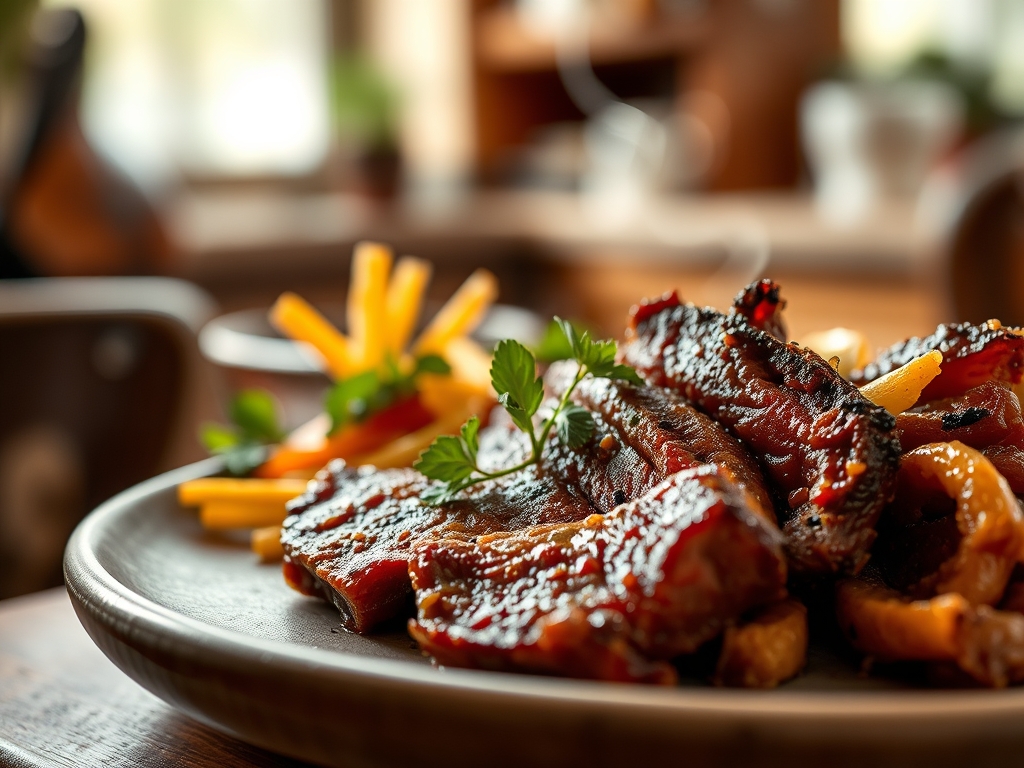
Imagine the scent of slow-roasted garlic and rendered fat wafting through your kitchen as you pull a stack of paper-thin ribbons of meat from the butcher paper. We are not just making lunch; we are engineering a sensory experience. Mastering deli roast beef recipes requires more than just piling meat on bread. It is about the architecture of flavor and the chemistry of the perfect bite. Whether you crave the sharp bite of horseradish or the silky luxury of a red wine au jus, these nine variations transform humble deli slices into a gourmet masterpiece. We are going to dive deep into the molecular magic that makes a sandwich truly iconic.
The Gathers:
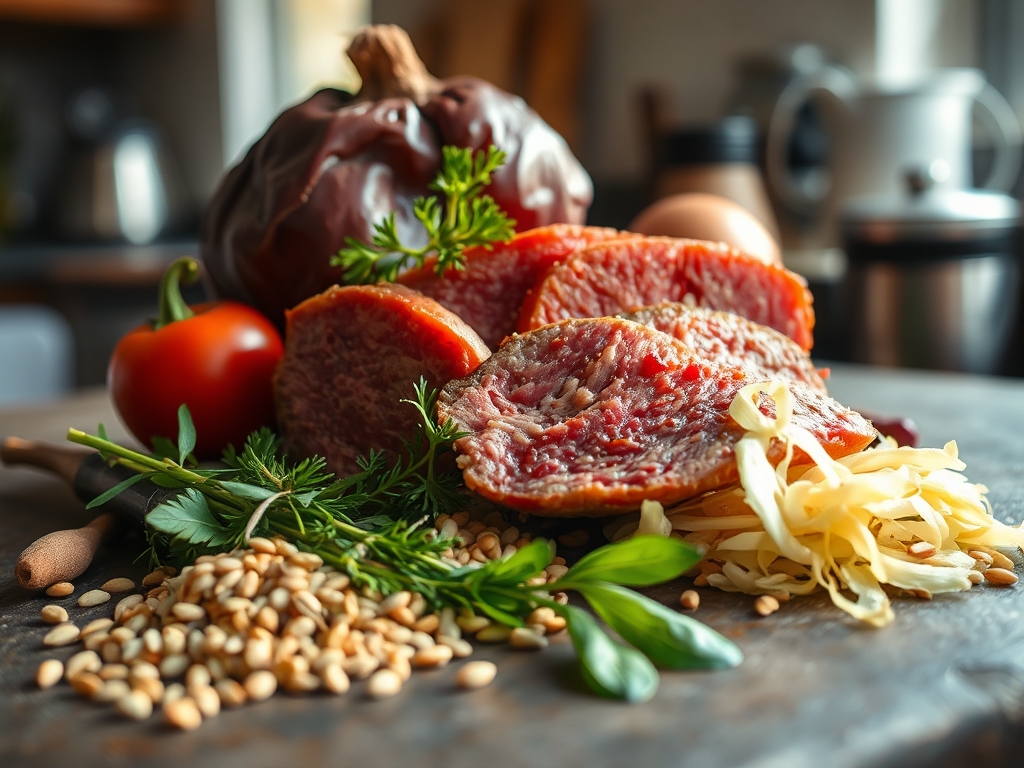
To execute these deli roast beef recipes with professional precision, your mise-en-place must be flawless. Start with the beef itself. Look for top-round or eye-of-round cuts that have been roasted to a precise internal temperature of 135 degrees Fahrenheit for that perfect medium-rare blush. You will need a high-quality digital scale to portion your meat; aim for 150 grams per sandwich to ensure the ideal protein-to-carb ratio.
For the structural components, gather artisanal sourdough, brioche buns, and crusty baguettes. Your pantry should include high-smoke-point oils like grapeseed for searing and a viscous balsamic glaze for depth. Do not forget the aromatics: fresh thyme, rosemary, and cloves of garlic. For the "Smart Substitutions," if you are out of traditional horseradish, use a microplane to zest fresh ginger into your mayo for a similar piquant heat. If you lack provolone, a young Gruyere offers a superior melt point due to its high moisture content and fat stability.
The Clock:
The "Chef's Flow" is all about overlapping tasks to minimize downtime. Total active prep time is approximately 15 minutes, with a 10-minute assembly phase. While your heavy-bottomed skillet preheats to achieve the necessary thermal mass, use your bench scraper to organize your vegetable garnishes. This prevents the bread from sitting too long and becoming a victim of moisture migration. If you are making a hot variation like a French Dip, allow 5 minutes for the jus to infuse on the stovetop. Efficiency in the kitchen is about heat management; never let your pan smoke before the fats are added.
The Masterclass:
1. Tempering the Protein
Take your roast beef out of the refrigerator 10 minutes before assembly. Cold meat shocks the palate and prevents the fats from feeling silky. By bringing the beef closer to room temperature, you allow the intramuscular fats to soften.
Pro Tip: This process is called thermal equilibrium. It ensures that when the meat hits a warm bun or hot jus, the temperature gradient is not so extreme that it toughens the protein fibers.
2. The Maillard Sear
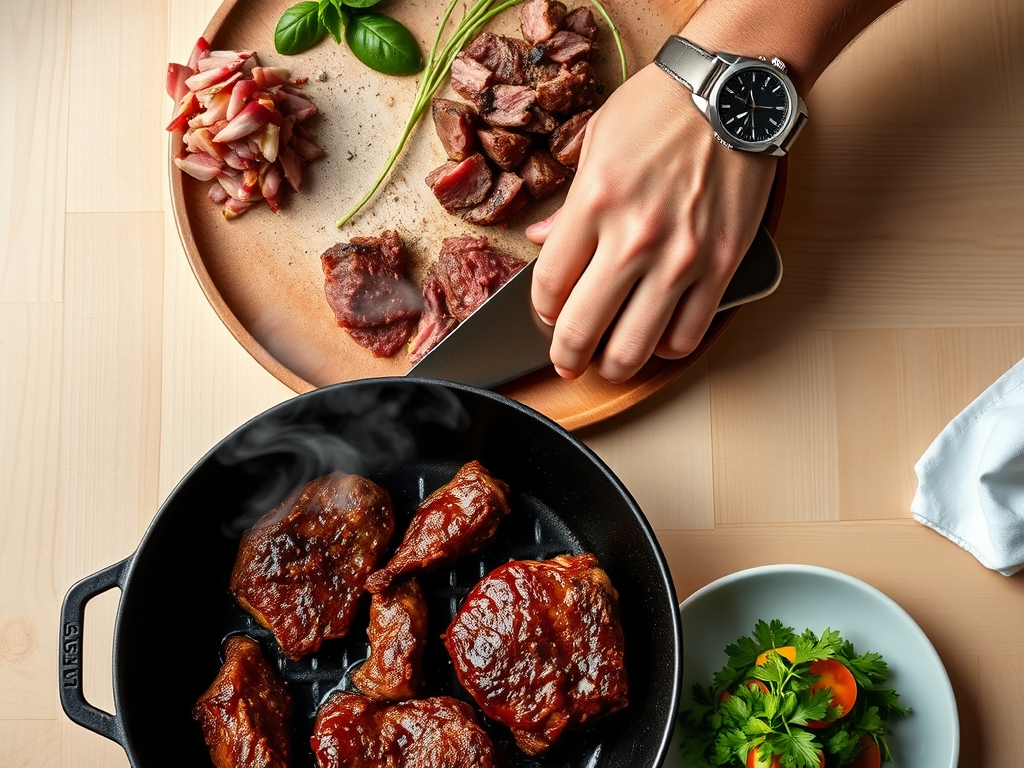
If your recipe calls for warm beef, flash-sear the slices in a saucier with a touch of butter. You are looking for a quick sear to trigger the Maillard reaction, which is a chemical reaction between amino acids and reducing sugars that creates that savory, "browned" flavor profile.
Pro Tip: Do not overcrowd the pan. Overcrowding drops the surface temperature and causes the meat to steam in its own juices rather than sear; a process that ruins the texture.
3. Emulsifying the Spreads
Whether you are making an aioli or a spicy mustard, use a small whisk to aerate and emulsify your fats. A stable emulsion ensures that the oils do not separate and soak into the bread, which would create a soggy structural failure.
Pro Tip: Adding a teaspoon of cold water to a thick mayo-based spread can help stabilize the emulsion; this creates a more viscous and creamy mouthfeel that coats the tongue evenly.
4. Structural Layering
Place your heaviest ingredients, like the beef and cheese, on the bottom. Use tongs to ribbon the meat rather than laying it flat. This creates air pockets that trap steam and flavor, making the sandwich feel lighter and more voluminous.
Pro Tip: This is known as aerated stacking. It increases the surface area of the meat that touches your taste buds, significantly enhancing the perceived flavor density of the deli roast beef recipes.
5. The Final Press
For toasted varieties, use a heavy weight or a second skillet to press the sandwich. This ensures even heat distribution and helps the cheese reach its flow point, where it acts as a culinary "glue" to hold the internal components together.
Pro Tip: Use a digital scale to apply consistent pressure. Even pressure ensures that the bread toasts uniformly without burning the edges before the center is warm.
The Deep Dive:
From a nutritional standpoint, a standard roast beef sandwich provides roughly 35 grams of protein and 12 grams of fat. To make these recipes Keto-friendly, swap the bread for large butter lettuce leaves or a fat-head dough wrap. For a Vegan alternative, thinly sliced marinated portobello mushrooms can mimic the umami profile of beef, especially when treated with liquid smoke and soy sauce to deglaze the pan.
The Fix-It:
- Soggy Bread: Apply a thin layer of butter or mayo to both sides of the bread and toast it. This creates a fat barrier that prevents moisture from the meat from penetrating the crumb.
- Tough Meat: If the beef feels "rubbery," it was likely sliced with the grain. Always slice against the grain to shorten the muscle fibers.
- Bland Flavor: Your acidity is low. Add pickled red onions or a splash of red wine vinegar to your greens to brighten the heavy fats.
For Meal Prep, store the beef and bread separately. When reheating, use a damp paper towel over the meat in the microwave for 15 seconds to create a steam chamber. This prevents the protein from dehydrating and becoming "leathery."
The Wrap-Up:
You are now armed with the technical prowess to turn simple deli roast beef recipes into a high-end culinary event. Remember that the difference between a good sandwich and a legendary one lies in the details: the temperature of the meat, the stability of the emulsion, and the crunch of the crust. Go forth, grab your tongs, and start building. Your kitchen is now a laboratory of flavor; treat every ingredient with the respect its chemistry deserves!
The Kitchen Table:
How do I keep roast beef from getting dry?
Store the beef in its own juices or a tightly sealed container. When reheating, use low heat and add a teaspoon of broth to create steam; this prevents the protein fibers from tightening and expelling their internal moisture.
What is the best cheese for roast beef?
Provolone and Swiss are classics because of their high meltability. For a sharper profile, use an aged white cheddar, but be careful; aged cheeses have less moisture and can "oil out" if overheated in the oven.
Can I freeze deli roast beef?
Yes, you can freeze it for up to three months. Wrap it tightly in plastic wrap and then foil to prevent freezer burn. Thaw it slowly in the refrigerator to maintain the structural integrity of the muscle fibers.
How do I cut roast beef for sandwiches?
Always use a very sharp carving knife or a meat slicer. Slice against the grain into paper-thin ribbons. Shaving the meat increases the surface area, which enhances the flavor and makes the sandwich much easier to chew.