
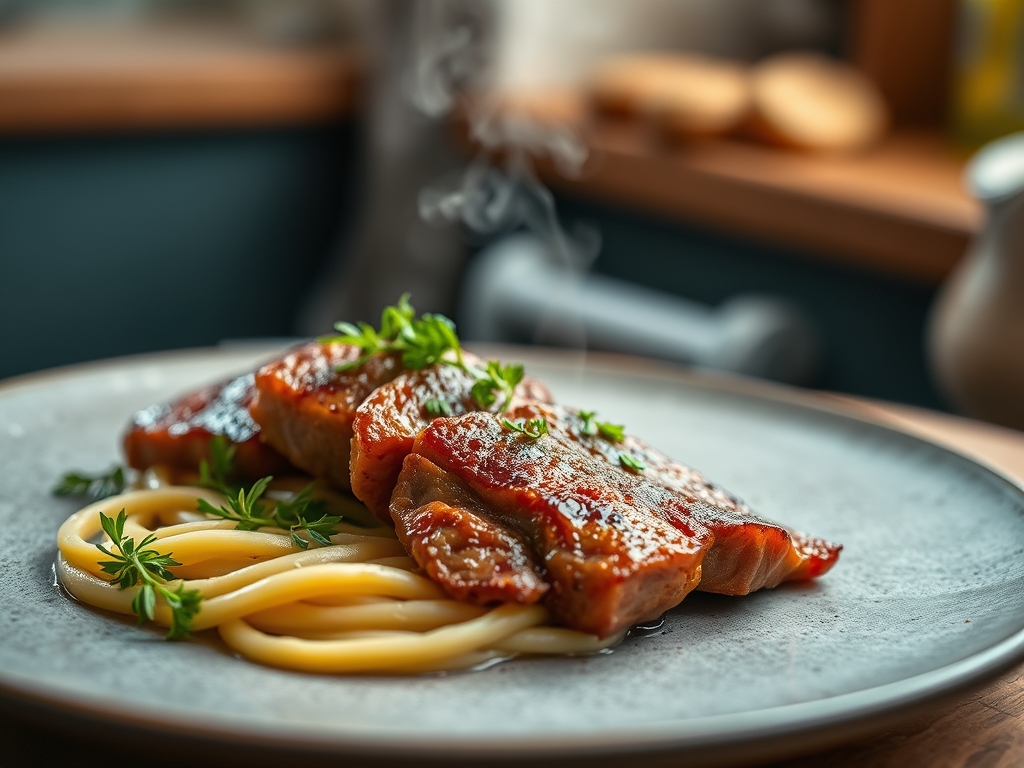
Imagine the sound of a heavy bottomed skillet hitting the burner; that rhythmic clink is the starting bell for a culinary transformation. You are standing over a marble countertop, the air thick with the scent of garlic and the deep, iron rich aroma of searing protein. Finding truly satisfying low carb beef recipes is not just about removing the bun or the pasta. It is about understanding the molecular architecture of flavor to ensure you never feel like you are missing out. We are going to elevate the humble ground chuck and the elegant sirloin into seven distinct masterpieces that defy the bland reputation of diet food.
Whether you are craving the piquant kick of a Thai basil stir fry or the velvety comfort of a slow simmered ragu over zucchini ribbons, the secret lies in the technique. We are focusing on high density nutrition and bold, aromatic profiles that satisfy the palate while keeping your insulin response steady. These low carb beef recipes rely on the chemistry of the Maillard reaction to create a savory crust that mimics the "umami" usually provided by starchy fillers. Grab your favorite apron and a glass of sparkling water; we are about to turn your kitchen into a high performance flavor laboratory where the results are as delicious as they are restorative.
The Gathers:
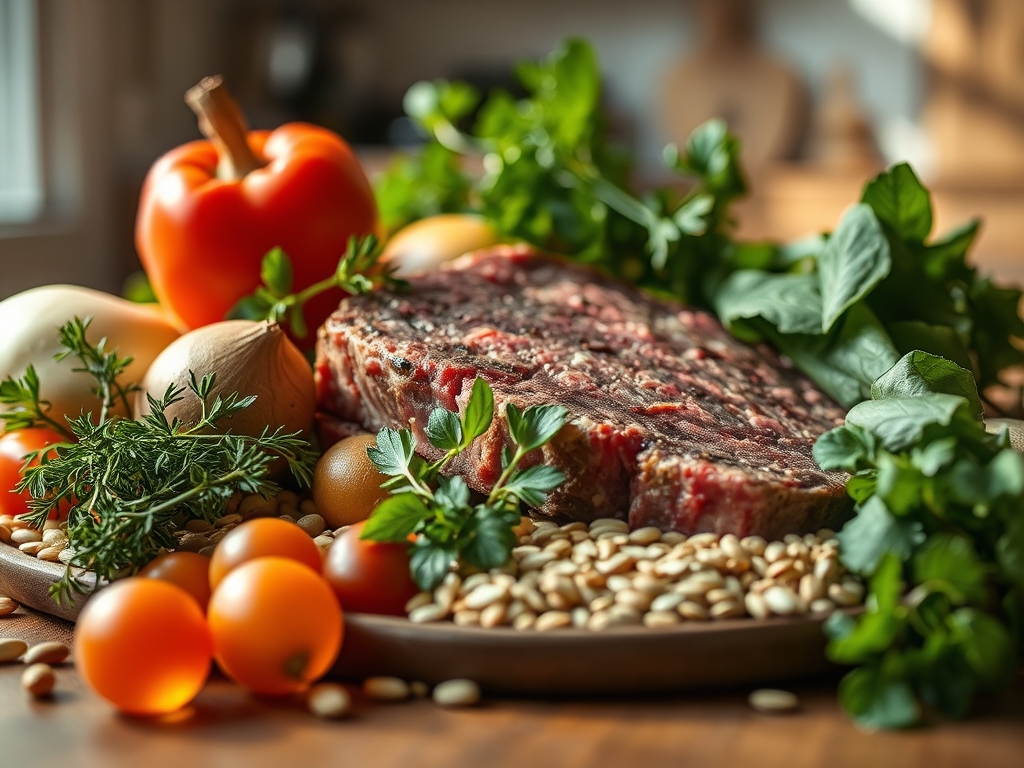
The mise en place is your roadmap to success. For these low carb beef recipes, we prioritize fats that carry flavor and vegetables that provide structural integrity without the glycemic load. You will need a digital scale to ensure precision, especially when measuring high quality fats like tallow or grass fed butter. Our primary protein stars include 80/20 ground beef for moisture, thinly sliced flank steak for quick searing, and marbled ribeye for those indulgent weekend nights.
Smart substitutions are the backbone of this collection. Instead of cornstarch to thicken your sauces, we utilize the viscous properties of xanthan gum or the reduction method in a saucier to concentrate flavors. Replace soy sauce with liquid aminos to keep the sodium in check while maintaining that deep, fermented saltiness. For crunch, we skip the breadcrumbs and reach for crushed pork rinds or toasted almond flour. Always keep a microplane handy to zest citrus or grate fresh ginger; these high note aromatics provide a sensory lift that cuts through the richness of the beef.
The Clock
Efficiency in the kitchen is about mastering the "Chef's Flow." This is the art of overlapping tasks so that no second is wasted. While your skillet preheats, you should be using a sharp chef's knife to perform a precise dice on your aromatics. Most of these low carb beef recipes require a 15 minute preparation window followed by a 10 to 20 minute cook time.
The flow works like this: start with your "long lead" items, such as reducing a balsamic glaze or sweating out mirepoix. While those soften, move to your protein. By the time the beef hits the pan, your garnish should already be prepared and sitting on your bench scraper. This synchronized approach prevents overcooking and ensures that your meal hits the table at the peak of its thermal potential. Total active time across these seven meals averages just 30 minutes, making them perfect for the high octane lifestyle of a modern professional.
The Masterclass
1. The Perfect Sear and Deglaze
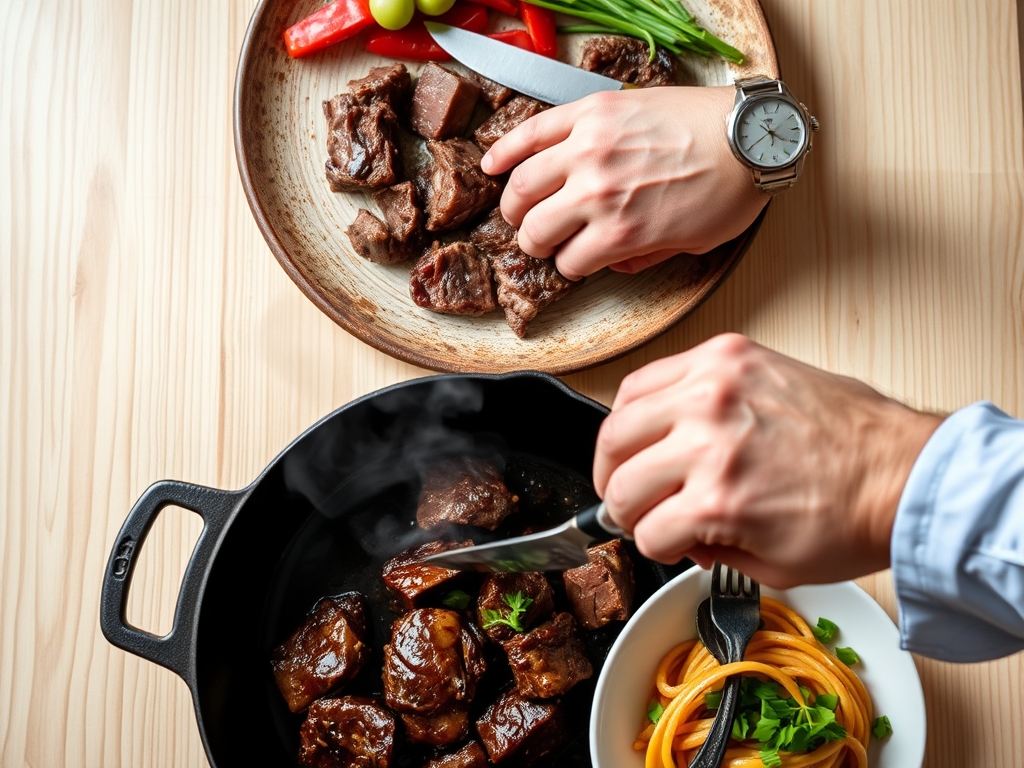
Start by patting your beef dry with a paper towel. Moisture is the enemy of the Maillard reaction. Place your steak in a screaming hot cast iron skillet. Once a deep brown crust forms, flip once. After removing the meat, immediately deglaze the pan with a splash of beef bone broth or dry red wine to lift those flavorful browned bits, known as fond.
Pro Tip: The science of enzymatic browning requires a dry surface. If the meat is wet, the energy of the pan is wasted evaporating water instead of creating flavor compounds.
2. Emulsifying the Pan Sauce
While your pan is still warm, whisk in cold cubes of butter or a dollop of heavy cream into your deglazed liquid. Use a silicone whisk to incorporate the fats into the water based broth. This creates a viscous coating that clings to your beef without the need for flour.
Pro Tip: This is the "Monte au Beurre" technique. The cold fat creates a stable emulsion that provides a luxurious mouthfeel without the carb heavy roux.
3. Aerating the Ground Beef
When cooking ground beef for tacos or bowls, do not just let it sit. Use a sturdy spatula to break the meat into uniform crumbles. This increases the surface area, allowing for even heat distribution and better fat rendering.
Pro Tip: Breaking the meat down allows steam to escape. This prevents the beef from "stewing" in its own juices, ensuring you get crispy edges instead of gray, boiled meat.
4. Infusing Aromatics
Before the final assembly, create a well in the center of your pan. Drop in your minced garlic, ginger, or chili flakes. Let them bloom in the hot fat for exactly thirty seconds until fragrant before tossing them with the beef.
Pro Tip: Fat is a flavor carrier. By heating the aromatics in oil first, you release fat soluble volatile compounds that would otherwise remain trapped inside the cell walls of the herbs.
5. Resting for Juice Retention
Once your beef reaches its target temperature, remove it from the heat and place it on a warm plate. Cover loosely with foil and let it sit for five to ten minutes.
Pro Tip: This allows for thermal carryover, where the internal temperature rises slightly while the muscle fibers relax. This prevents the juices from rushing out the moment you slice into the meat.
The Deep Dive
When we look at the macro nutrition of these low carb beef recipes, we are aiming for a ratio of 60 percent fats, 35 percent protein, and 5 percent carbohydrates. This profile supports metabolic flexibility. If you are looking for dietary swaps, the beef can be replaced with bison for a leaner profile, or firm tofu pressed and seared with the same spices for a vegetarian alternative. For those who are strictly keto, increase the fat content by adding a side of avocado or a tallow based aioli.
The Fix-It:
- Tough Steak: If your meat is chewy, you likely sliced with the grain. Always slice perpendicular to the muscle fibers to shorten them.
- Greasy Sauce: If your sauce separates, it got too hot. Remove from heat and whisk in a teaspoon of cold water to re emulsify.
- Bland Flavor: You likely under salted at the start. Salt draws out moisture and seasons the interior; adding it only at the end leaves the middle of the meat tasteless.
For meal prep, reheating beef can be tricky. To maintain "day one" quality, avoid the microwave. Instead, use a low oven or a quick flash in a hot pan with a tablespoon of broth. This prevents the proteins from tightening up and becoming rubbery.
The Wrap-Up
Mastering these low carb beef recipes is about more than just following a list of ingredients. It is about reclaiming the joy of the kitchen through scientific precision and a bit of culinary wit. You now have the tools to create restaurant quality meals that fuel your body and delight your senses. Go forth and sear with confidence; your kitchen is your kingdom and the beef is your canvas.
The Kitchen Table
Can I use frozen beef for these recipes?
Yes, but you must thaw it completely in the refrigerator first. Pat the meat extremely dry before cooking. Excess moisture from ice crystals will prevent a proper sear and lead to steaming rather than browning.
What is the best cut for budget-friendly low carb meals?
Chuck roast is excellent when sliced thin against the grain or slow cooked. It has a high fat content which provides flavor and satiety without the premium price tag of ribeye or tenderloin cuts.
How do I keep my vegetables from getting soggy?
Cook your beef first and remove it from the pan. Sauté your vegetables separately on high heat for a short duration. This ensures they maintain a "snap" and do not absorb too much liquid from the meat.
Is grass-fed beef really necessary for low carb?
While not mandatory, grass fed beef has a superior omega-3 to omega-6 ratio. It often has a more complex, mineral forward flavor profile that pairs beautifully with the simple, clean ingredients in low carb cooking.