
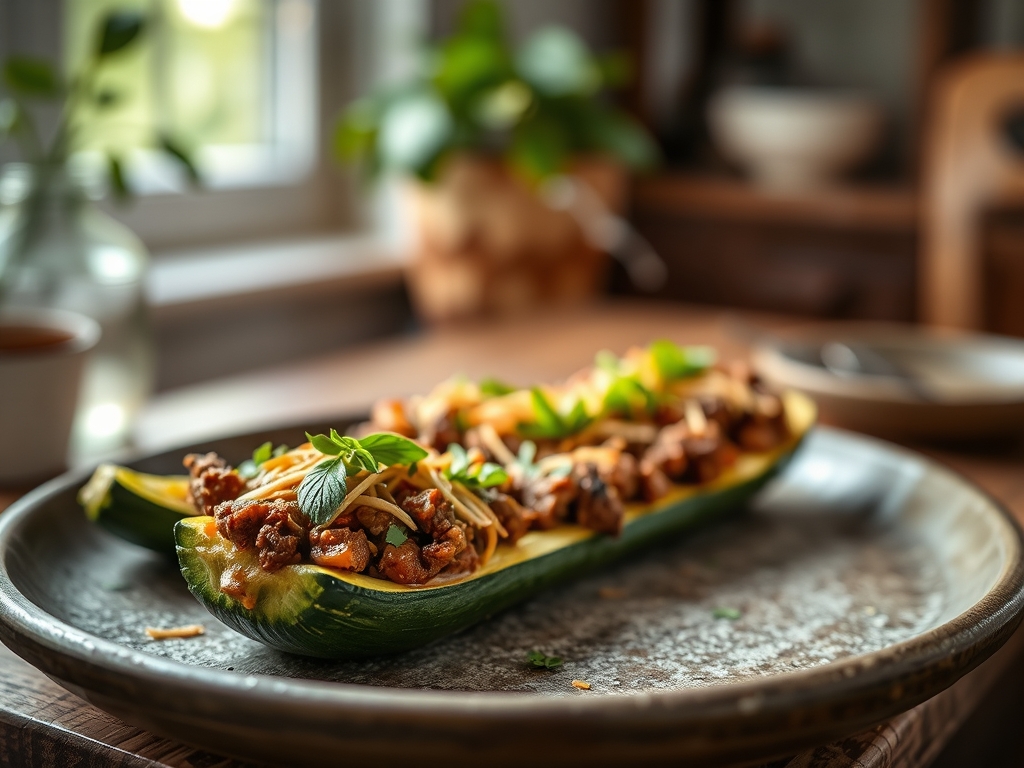
Imagine a kitchen filled with the scent of toasted cumin and searing protein. You are about to master zucchini boats ground beef recipes that defy the soggy reputation of squash. This dish is a structural marvel; it balances the high water content of summer vegetables with the rich, savory depth of Maillard-browned beef. We are turning a humble garden vegetable into a sophisticated, nutrient-dense vessel.
The secret to a perfect zucchini boat is managing moisture. Zucchini is roughly ninety-five percent water. If you do not treat it with respect, you end up with a puddle on your plate. By hollow out the centers and par-roasting them, we create a firm, caramelized cradle for our filling. This recipe yields eight servings, making it a powerhouse for a Sunday meal prep or a high-protein dinner that feels like a decadent treat. We are going to use a heavy-bottomed skillet to ensure even heat distribution and a microplane to shower our boats in sharp, aged cheese. Let us get your mise-en-place ready and dive into the chemistry of the perfect bite.
The Gathers:
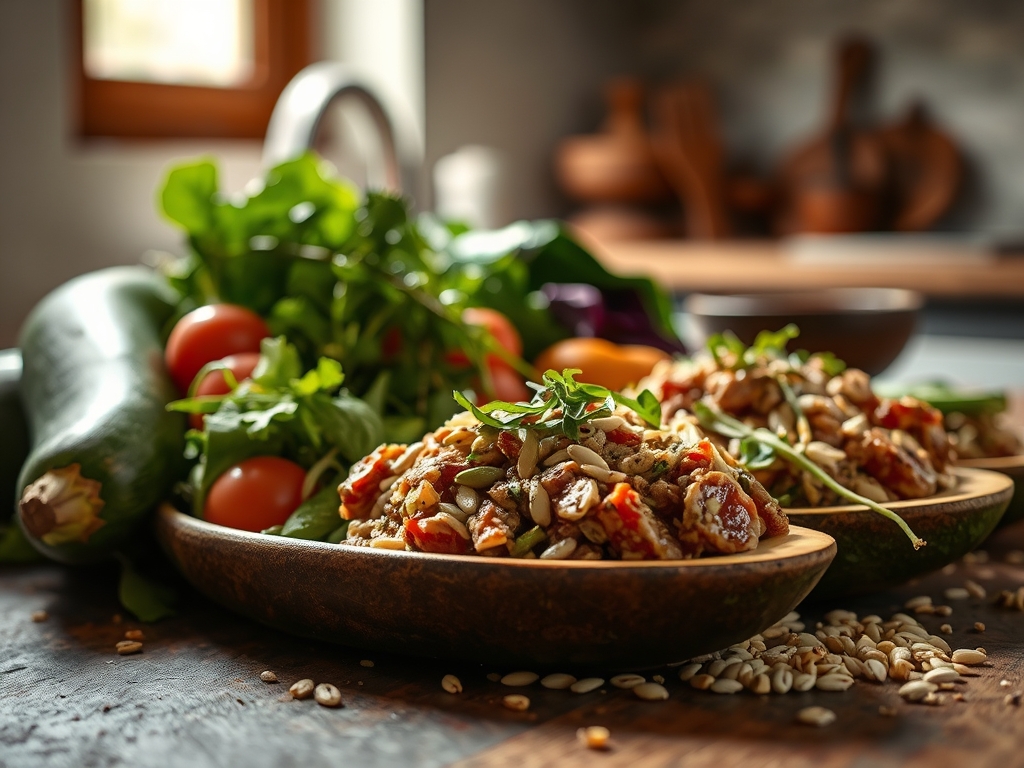
To begin, select four medium zucchinis. Look for specimens that are firm to the touch with a vibrant, glossy skin; this indicates high turgor pressure within the plant cells, which ensures they hold their shape during baking. You will need one pound of lean ground beef, preferably a ninety-ten blend. This ratio provides enough fat to render and carry flavor without turning the filling into a greasy mess.
For your aromatics, gather one small yellow onion and three cloves of garlic. We will use a bench scraper to transport these finely diced gems from the cutting board to the pan. You will also need a half-cup of crushed tomatoes to provide a viscous base for the meat, and a teaspoon each of dried oregano and smoked paprika for a piquant kick. To finish, have a half-cup of shredded mozzarella and a quarter-cup of freshly grated Parmesan ready.
Smart Substitutions: If you are looking to lighten the caloric load even further, swap the beef for ground turkey or chicken. However, because poultry has less fat, you must add a tablespoon of extra virgin olive oil to the pan to prevent the meat from becoming fibrous and dry. For a plant-based version, crumbled tempeh or a lentil-walnut blend provides a similar texture and a deep, earthy flavor profile.
The Clock
Efficiency in the kitchen is all about the Chef's Flow. This is the art of overlapping tasks so that no second is wasted.
Prep Time: 20 Minutes. This includes the surgical removal of the zucchini flesh and the fine dicing of your aromatics. Use a small metal spoon to scrape out the seeds; it is more precise than a knife and prevents you from piercing the skin.
Cook Time: 25 Minutes. This is split between the stovetop sauté and the final oven melt.
Total Time: 45 Minutes. By the time your oven has preheated to four hundred degrees Fahrenheit, your beef filling should be simmering on the stove. This synchronization ensures that the zucchini spends the minimum amount of time under heat, preserving its structural integrity.
The Masterclass
1. The Sculpting Phase
Slice each zucchini in half lengthwise. Use a spoon to carve out the center, leaving a quarter-inch thick shell. Do not discard the insides; chop them finely to be incorporated back into the filling for added fiber. Place the empty shells on a parchment-lined baking sheet.
Pro Tip: This is called osmotic dehydration. Sprinkle a pinch of salt over the empty shells and let them sit for five minutes. The salt draws out excess moisture through the cell walls, preventing a soggy boat. Use a paper towel to pat them dry before stuffing.
2. Rendering the Base
Heat your heavy-bottomed skillet over medium-high heat. Add the ground beef, breaking it apart with a wooden spoon or a meat masher. Cook until the pink color vanishes and the meat begins to sizzle in its own fat.
Pro Tip: This stage triggers the Maillard reaction. This chemical reaction between amino acids and reducing sugars creates hundreds of different flavor compounds. Do not crowd the pan; if the meat is packed too tightly, it will steam in its own juices rather than brown.
3. Infusing the Aromatics
Add the diced onions and the reserved zucchini flesh to the skillet. Sauté until the onions are translucent and the zucchini bits have softened. Add the garlic last, cooking for only sixty seconds to avoid bitterness.
Pro Tip: Garlic contains a compound called allicin, which is highly volatile. Adding it at the end of the sauté process ensures the flavor remains bright and pungent rather than becoming muted or burnt by prolonged heat exposure.
4. Deglazing and Thickening
Stir in the crushed tomatoes, oregano, and paprika. Use your spoon to scrape up any browned bits from the bottom of the pan. Let the mixture simmer for five minutes until the liquid has reduced and the sauce is thick enough to coat the back of a spoon.
Pro Tip: This process is called deglazing. Those browned bits, known as fond, contain concentrated umami. Incorporating them back into the sauce creates a complex, professional-grade flavor profile that defines high-quality zucchini boats ground beef recipes.
5. The Assembly and Melt
Spoon the beef mixture generously into each zucchini shell. Top with the shredded mozzarella and Parmesan. Slide the tray into the oven and bake for fifteen to twenty minutes, or until the cheese is bubbling and has developed golden-brown spots.
Pro Tip: This final stage utilizes thermal carryover. Even after you remove the boats from the oven, the internal temperature will continue to rise by a few degrees. Let them rest for five minutes before serving to allow the proteins to set.
The Deep Dive
From a nutritional standpoint, these boats are a powerhouse. Each serving provides approximately twenty-five grams of protein and only eight grams of net carbohydrates. The zucchini offers a significant dose of Vitamin A and potassium, while the beef provides essential B-vitamins and iron.
Dietary Swaps: To make this Keto-friendly, ensure your tomato sauce has no added sugars and increase the cheese portion for healthy fats. For a dairy-free version, swap the cheese for a sprinkle of nutritional yeast and a drizzle of tahini after baking to maintain that creamy mouthfeel.
The Fix-It:
- Soggy Boats: If your zucchini is too soft, you likely skipped the salt-sweating step. Next time, ensure you pat them bone-dry.
- Bland Filling: This usually happens if you did not season in layers. Add a splash of Worcestershire sauce or a teaspoon of balsamic vinegar during the simmering stage to brighten the flavors.
- Dry Meat: If using ultra-lean beef, add a tablespoon of tomato paste. The pectin in the tomatoes helps emulsify the juices and keeps the meat succulent.
Meal Prep Science: To reheat, avoid the microwave if possible. The microwave agitates water molecules, which can make the zucchini rubbery. Instead, use an air fryer at three hundred fifty degrees for five minutes. This recirculates hot air, re-crisping the cheese while gently warming the center.
The Wrap-Up
Mastering zucchini boats ground beef recipes is a gateway to creative, healthy cooking. You have learned how to manipulate moisture, trigger the Maillard reaction, and balance textures like a pro. These boats are not just a meal; they are a testament to how simple ingredients can be transformed through technical precision. Whether you are feeding a hungry family or prepping for a busy week, these savory vessels are guaranteed to satisfy. Now, grab your microplane and get to work; your kitchen is waiting.
The Kitchen Table
How do I prevent zucchini boats from getting watery?
Salt the hollowed zucchini for five minutes to draw out moisture through osmosis. Pat them dry with paper towels before stuffing. Also, ensure your beef filling is simmered until the sauce is thick and viscous, not runny.
Can I freeze cooked zucchini boats?
Freezing is not recommended because the cell walls of the zucchini collapse when frozen. Upon thawing, the vegetable loses its structural integrity and becomes mushy. These are best enjoyed fresh or kept in the refrigerator for up to four days.
What is the best type of beef to use?
A ninety-ten or ninety-three-seven lean-to-fat ratio is ideal. This provides enough fat to carry the fat-soluble vitamins and flavors of the spices without leaving a pool of grease in the bottom of your zucchini shells.
Do I need to peel the zucchini first?
No, keep the skin on. The skin provides the necessary structure to hold the heavy beef filling. It also contains the majority of the vegetable's fiber and antioxidants, which are essential for a healthy, balanced meal.
How do I know when the boats are finished?
The zucchini should be fork-tender but still offer a slight resistance. The cheese on top should be fully melted with localized browning, indicating the proteins have caramelized. Use a digital thermometer to ensure the beef reaches 165 degrees Fahrenheit.