
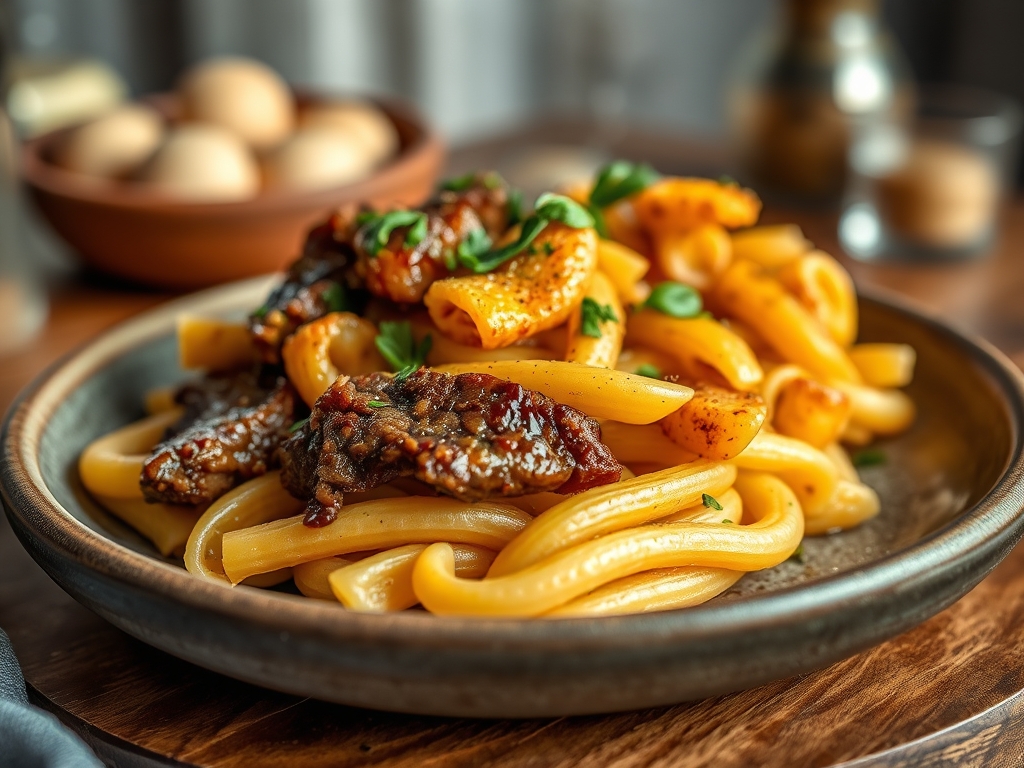
Imagine a heavy-bottomed skillet resting on a blue flame; the scent of rendered fat and toasted aromatics begins to fill the air. There is a specific, primal comfort found in the marriage of bronze-seared protein and tender pasta. When we talk about macaroni and beef recipes, we are not just discussing a Tuesday night meal. We are discussing the architecture of the ultimate comfort food. This is about that perfect bite where the sauce clings to every curve of the macaroni, delivering a piquant punch of seasoned beef and melted fat. It is nostalgia meeting high-level culinary technique. We are going to elevate the humble "goulash" or "American chop suey" into a masterclass of texture and flavor. Whether you are craving a smoky chili-mac or a classic tomato-based skillet, the secret lies in the molecular details. Let us transform these pantry staples into something truly magnificent, utilizing the same science that world-class chefs use to ensure every forkful is a balanced masterpiece of salt, fat, and acid.
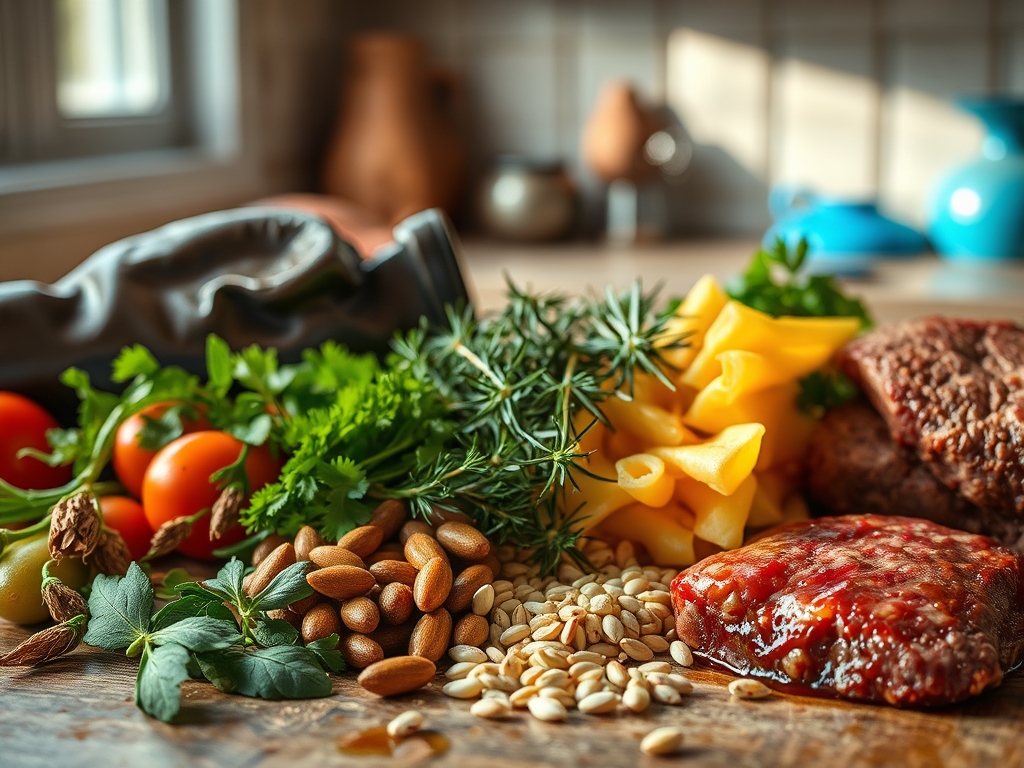
The Gathers:
To achieve the perfect results, your mise-en-place must be precise. Start with a pound of high-quality ground chuck. I recommend an 80/20 lean-to-fat ratio because the fat is where the flavor compounds live. You will need 16 ounces of elbow macaroni; look for brands with a rough, extruded texture to better catch the sauce. For the base, gather your aromatics: yellow onions, green bell peppers, and several cloves of garlic. You will also need tomato paste for depth, crushed tomatoes for body, and a splash of Worcestershire sauce to introduce umami.
Smart Substitutions:
If you want to lighten the profile, ground turkey or bison works beautifully, though you may need to add a teaspoon of neutral oil to replace the missing lipids. For a gluten-free version, choose a corn-and-rice blend pasta; these hold their structural integrity better than pure brown rice pasta when subjected to high heat. If you find yourself without tomato paste, a slow reduction of tomato sauce can mimic that concentrated sweetness. Always use a digital scale for your pasta measurements to ensure the ratio of starch to sauce remains perfectly balanced.
The Clock:
Efficiency in the kitchen is about the Chef's Flow. This entire process takes approximately 45 minutes from the first chop to the final garnish. Prep time is a brisk 15 minutes. Use a sharp chef's knife and a bench scraper to clear your board quickly. The cooking time sits at 30 minutes. The flow is simple: while the pasta water reaches a rolling boil, you are rendering the beef and softening the aromatics. By the time the macaroni is two minutes shy of al dente, your sauce should be viscous and bubbling. This overlap ensures that the pasta finishes its cooking cycle inside the sauce, allowing the starches to bond with the fats for a seamless emulsion.
The Masterclass:
1. The Maillard Foundation
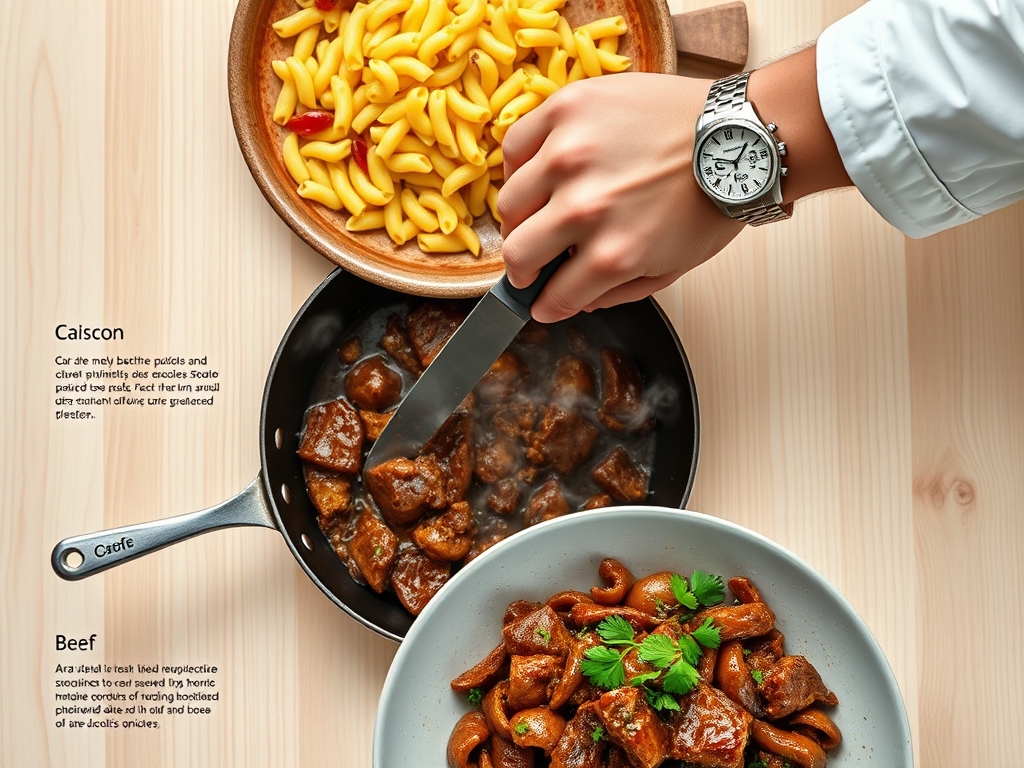
Start by heating your heavy-bottomed skillet over medium-high heat. Add the beef in chunks rather than breaking it up immediately. Let it sit undisturbed for three minutes to achieve a deep, mahogany crust. This is the Maillard Reaction, where amino acids and reducing sugars create hundreds of different flavor compounds.
Pro Tip: Do not crowd the pan. If the pan is too full, the moisture escaping the meat will steam it instead of searing it. Steamed meat is gray and lacks the complex, savory notes created by dry-heat browning.
2. Sautéing the Aromatics
Once the meat is browned, use a slotted spoon to remove it, leaving about two tablespoons of fat in the pan. Toss in your diced onions and peppers. Sauté until the onions are translucent and the peppers have softened. Use a wooden spoon to deglaze the bottom of the pan, scraping up the "fond," those little brown bits of concentrated flavor.
Pro Tip: Add your garlic and tomato paste during the last 60 seconds of this step. Toasting the tomato paste (a technique called pincé) caramelizes the sugars and removes the metallic "tinny" taste from the can.
3. The Liquid Infusion
Pour in your crushed tomatoes, beef stock, and spices. Bring the mixture to a simmer. This is where you infuse the sauce with herbs like oregano, thyme, and bay leaves. Let the sauce reduce slightly until it coats the back of a spoon.
Pro Tip: Add a pinch of baking soda if the sauce tastes too acidic. This tiny alkaline addition neutralizes the citric acid in the tomatoes without changing the flavor profile as sugar would.
4. Precision Pasta Boiling
While the sauce simmers, boil your macaroni in highly salted water. It should taste like the sea. Cook the pasta for exactly two minutes less than the package directions. This is crucial for the final texture.
Pro Tip: Do not rinse the pasta. The surface starch is the "glue" that allows the sauce to adhere to the noodles. Rinsing washes away this essential culinary tool.
5. The Emulsion Marriage
Transfer the undercooked pasta directly into the skillet using a spider strainer. Add a half-cup of the starchy pasta water to the sauce. Toss everything together over medium heat for the final two minutes of cooking.
Pro Tip: The starch in the pasta water acts as a natural emulsifier. It binds the fats from the beef and the water from the tomatoes into a silky, viscous sauce that won't break or become oily on the plate.
6. The Final Garnish
Turn off the heat and fold in a handful of fresh parsley or a sprinkle of sharp cheddar. Use a microplane to zest a little lemon or grate fresh parmesan over the top for a bright finish.
Pro Tip: Allow the dish to rest for five minutes before serving. This allows for thermal carryover, ensuring the center of the macaroni is perfectly cooked while the sauce thickens to its ideal consistency.
The Deep Dive:
When we look at the macro nutrition of macaroni and beef recipes, we see a balanced profile of carbohydrates, protein, and fats. A standard serving provides roughly 35 grams of protein and 45 grams of complex carbohydrates. For those looking for Dietary Swaps, the keto crowd can swap macaroni for roasted cauliflower florets. Vegans can utilize crumbled tempeh or lentils as a protein substitute, ensuring they use a dash of liquid smoke to mimic the depth of beef.
The Fix-It:
- The Sauce is Too Thin: Continue to simmer without a lid to evaporate excess moisture, or add a "slurry" of cold water and cornstarch.
- The Pasta is Mushy: You likely overboiled it. Next time, pull it out when it still has a "white ring" in the center. To save it now, add some toasted breadcrumbs on top for textural contrast.
- The Flavor is Flat: It needs acid. A teaspoon of red wine vinegar or a squeeze of lemon juice will "wake up" the flavors instantly.
Meal Prep:
To maintain "day-one" quality, store the sauce and pasta separately if possible. If already mixed, reheat in a saucier with a splash of beef broth. The extra liquid prevents the pasta from soaking up all the sauce and becoming dry during the reheating process.
The Wrap-Up:
You have just mastered the art of the perfect macaroni and beef. By focusing on the Maillard Reaction, the importance of pasta water, and the science of emulsion, you have elevated a simple pantry meal into a gourmet experience. This dish is hearty, soulful, and technically sound. Now, grab your favorite bowl, a heavy spoon, and enjoy the fruits of your labor. You have earned every savory bite!
The Kitchen Table:
How do I prevent the beef from being greasy?
Drain the excess fat after browning the meat, but leave about two tablespoons. This small amount of fat is necessary to sauté the aromatics and create a flavorful, cohesive sauce through proper emulsification with the pasta water.
Can I make this dish in one pot?
Yes. Increase the liquid (broth or water) by two cups and add the dry pasta directly to the simmering sauce. Cover and cook until the pasta is tender, stirring occasionally to prevent the starch from sticking to the bottom.
What is the best pasta for beef recipes?
Elbow macaroni is traditional, but shells or rotini are excellent alternatives. Their unique shapes and ridges are designed to trap thick, meat-based sauces, ensuring you get a high ratio of sauce in every single bite.
How long does macaroni and beef last in the fridge?
When stored in an airtight container, it remains delicious for up to four days. The flavors often deepen overnight as the spices continue to infuse the sauce. Always reheat with a splash of liquid to restore the texture.