
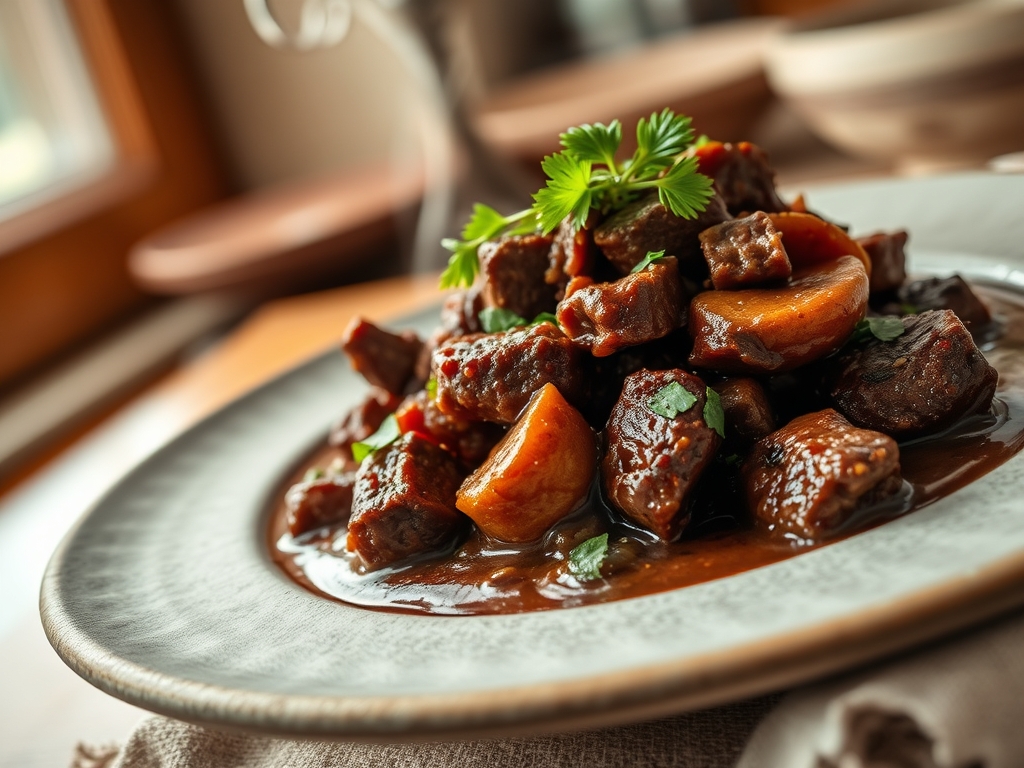
Imagine the scent of scorched sugar and allspice hitting a heavy bottomed skillet at high noon. That is the soul of the islands. When you are hunting for the most authentic stew beef recipes caribbean style, you are not just looking for a meal; you are looking for a transformation of tough muscle into velvet. The air in your kitchen should turn thick with the aroma of thyme, scotch bonnet, and the deep, earthy hum of browning beef. This is a slow dance between heat and collagen that requires patience and a little bit of chemistry. We are going to take that humble pack of chuck and turn it into a masterpiece that clings to your spoon and warms your spirit. It is about more than just tossing things in a pot. It is about the specific sequence of searing, the precise moment of deglazing, and the "burnt sugar" technique that defines the region. Grab your apron and your favorite wooden spoon; we are going into the heart of the Caribbean.
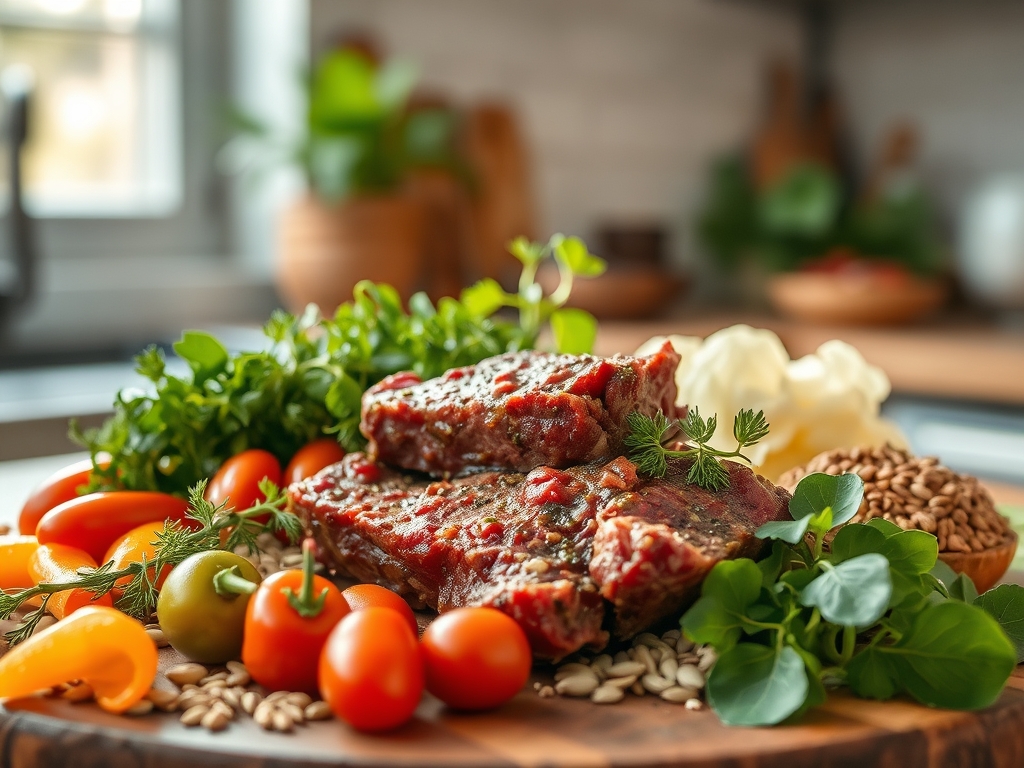
The Gathers:
To execute this properly, your mise-en-place must be impeccable. You will need three pounds of bone-in beef chuck or shank. The bone is non-negotiable because the marrow will infuse the liquid with gelatin, creating a viscous mouthfeel that boneless cuts simply cannot replicate. You will also need "Green Seasoning," which is a vibrant slurry of culantro, scallions, garlic, and ginger processed in a high-speed blender until it is a vivid emerald green.
For the "burnt sugar" base, keep two tablespoons of dark brown sugar ready. The aromatic profile requires whole pimento berries (allspice), sprigs of fresh thyme, and a whole scotch bonnet pepper. Do not slice the pepper unless you want a volatile level of heat; keeping it whole allows the oils to permeate the stew without the capsaicin overwhelming the palate.
Smart Substitutions: If you cannot find culantro, use a mix of cilantro and a hint of celery leaf. If you are avoiding refined sugar for the browning process, use a tablespoon of high-quality molasses. For the beef, if chuck is unavailable, oxtail is a luxurious alternative, though it will require a longer render time to break down the connective tissue. Use a microplane to grate your ginger and garlic fresh; the increased surface area ensures the flavor compounds distribute evenly through the fat.
The Clock
Efficiency in the kitchen is about "Chef's Flow." Expect a 30-minute active prep time to wash, trim, and marinate the beef. The actual cooking time will span 2.5 to 3 hours if using a traditional heavy-bottomed skillet or Dutch oven. If you choose a pressure cooker, you can collapse this to 45 minutes, but you sacrifice some of the complex flavor development that comes from slow evaporation.
The flow is simple: Marinate the meat for at least four hours (overnight is better), sear in batches to maintain high surface temperature, and then allow the slow simmer to do the heavy lifting. While the beef simmers, you have a 90-minute window to prepare your sides, such as coconut rice and peas or fried plantains. This is the time to clean your station with a bench scraper and prep your garnishes.
The Masterclass
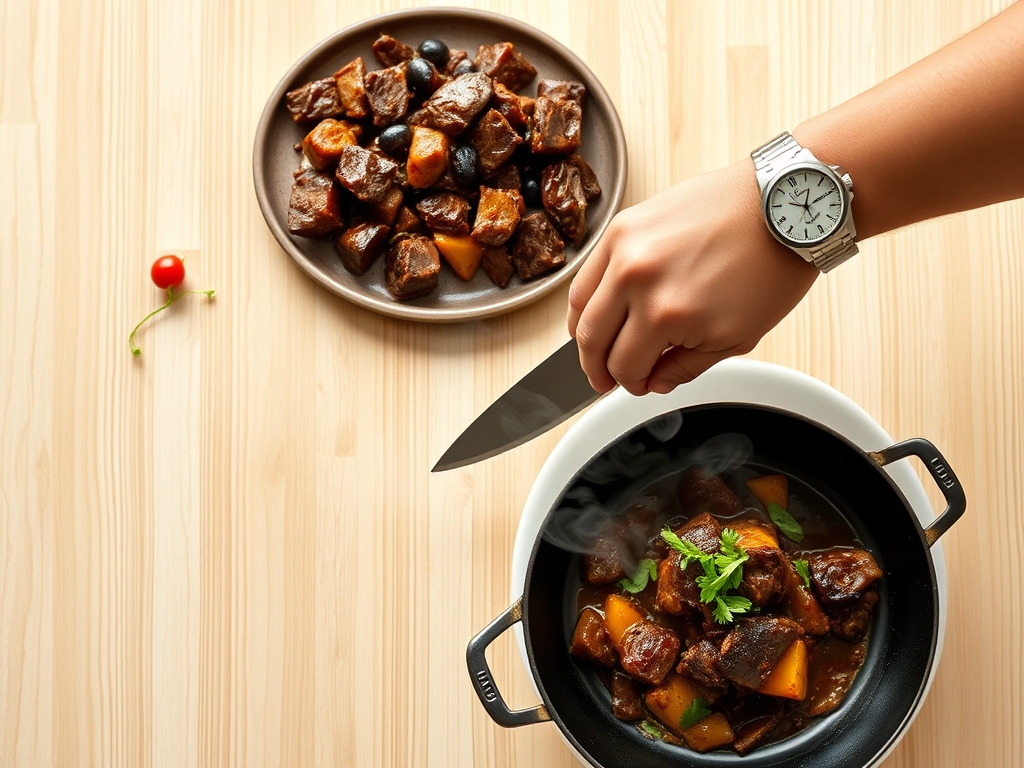
1. The Acid Wash and Marinate
Clean your beef with lime juice and water to remove any surface impurities. Pat the meat bone-dry with paper towels before applying your green seasoning, salt, and black pepper.
Pro Tip: This is about enzymatic tenderization. The citric acid in the lime juice begins to break down surface proteins, allowing the aromatics in the green seasoning to penetrate deeper into the muscle fibers during the resting period.
2. The Browning (Browning the Sugar)
Heat oil in your pot until it shimmers. Sprinkle in the sugar and watch it closely. It will melt, bubble, and turn a deep, dark amber before it starts to smoke.
Pro Tip: This is the Maillard reaction on steroids. You are looking for the "hard crack" stage of caramelization where the sugar molecules break down into complex, bitter-sweet compounds that give Caribbean stews their signature mahogany color and depth.
3. The Sear
Add the beef in batches. Do not crowd the pan. Use tongs to turn each piece until it is crusted and dark.
Pro Tip: Crowding the pan causes the temperature to drop, leading the meat to "stew in its own juices" rather than sear. Maintaining a high temp ensures you create a crust that locks in moisture through thermal carryover later in the process.
4. The Deglaze
Once the meat is removed, the bottom of your pot will be covered in "fond," those delicious brown bits. Pour in a splash of beef stock or water and scrape the bottom vigorously.
Pro Tip: Deglazing is a chemical extraction. The liquid acts as a solvent, lifting the concentrated proteins and sugars from the pan and incorporating them back into the sauce for maximum umami.
5. The Long Simmer
Return the beef to the pot, add your aromatics (thyme, pimento, scotch bonnet), and cover with stock. Bring to a boil, then immediately drop to a whisper of a simmer.
Pro Tip: You are waiting for collagen conversion. At approximately 160 degrees Fahrenheit, tough collagen begins to melt into gelatin. This process is time-dependent, not just heat-dependent; rushing it results in dry, stringy meat.
6. The Vegetable Integration
In the final 45 minutes, add your carrots and potatoes. These act as natural thickeners as they release starches into the liquid.
Pro Tip: The starch granules swell and burst, a process called starch gelatinization. This naturally thickens the stew without the need for a flour-based roux, keeping the flavors clean and bright.
7. The Final Reduction
Remove the lid for the last 15 minutes. Increase the heat slightly to let the liquid reduce until it coats the back of a spoon.
Pro Tip: This concentrates the flavors through evaporation. Use a saucier or a wide spoon to check the viscosity. If it is too thin, mash one potato against the side of the pot to release extra starch.
The Deep Dive
Macro Nutrition: A standard serving of this stew is protein-dense, offering roughly 35g of protein and 15g of fat. It is rich in iron and Vitamin B12. To keep it lean, trim the exterior fat cap from the chuck before searing.
Dietary Swaps:
- Vegan: Substitute beef with large chunks of king oyster mushrooms or "meaty" jackfruit. Use vegetable bouillon and a dash of liquid smoke.
- Keto: Omit the potatoes and sugar. Use erythritol for the browning process (carefully) and swap potatoes for cauliflower florets added in the last 10 minutes.
- GF: This recipe is naturally gluten-free as it relies on starch reduction rather than flour for thickening.
The Fix-It:
- Too Salty? Drop in a raw, peeled potato for 20 minutes. It will act as a sponge for excess sodium.
- Too Bitter? If you burnt the sugar too far, add a teaspoon of apple cider vinegar or a squeeze of lime to balance the pH.
- Too Thin? Take a cup of the liquid, whisk in a teaspoon of arrowroot powder, and stir it back in. It will clear up and thicken instantly.
Meal Prep: This stew is actually better on day two. As it cools, the flavors continue to aerate and meld. When reheating, add a splash of water or stock to loosen the gelatin. Use a low heat setting to avoid toughening the beef fibers again.
The Wrap-Up
Mastering stew beef recipes caribbean style is a rite of passage for any serious home cook. It teaches you the importance of patience, the magic of the Maillard reaction, and the delicate balance of tropical aromatics. When you pull that pot off the stove and the meat falls apart at the mere suggestion of a fork, you will know you have nailed it. Serve it hot, serve it with pride, and maybe keep a little extra scotch bonnet on the side for those who like to live dangerously. Your kitchen now holds the secrets of the islands.
The Kitchen Table
Can I make this in a slow cooker?
Yes, but you must sear the meat and brown the sugar in a separate skillet first. Transfer everything to the slow cooker and cook on low for 8 hours. The flavor depth depends entirely on that initial sear.
What is the best cut for stew beef?
Beef chuck is the gold standard due to its high fat and connective tissue content. It breaks down into tender morsels. Shank or short rib also works beautifully if you want a richer, more gelatinous sauce.
How do I keep the scotch bonnet from exploding?
Place the pepper gently on top of the liquid and do not stir aggressively. Use a slotted spoon to remove it before serving. If it punctures, the heat level will increase significantly throughout the entire pot.
Why is my beef still tough after two hours?
It likely hasn't reached the temperature where collagen melts. Check your simmer level; if it is too low, the meat won't tenderize. Give it another 30 minutes. Some cuts of grass-fed beef simply require more time.