
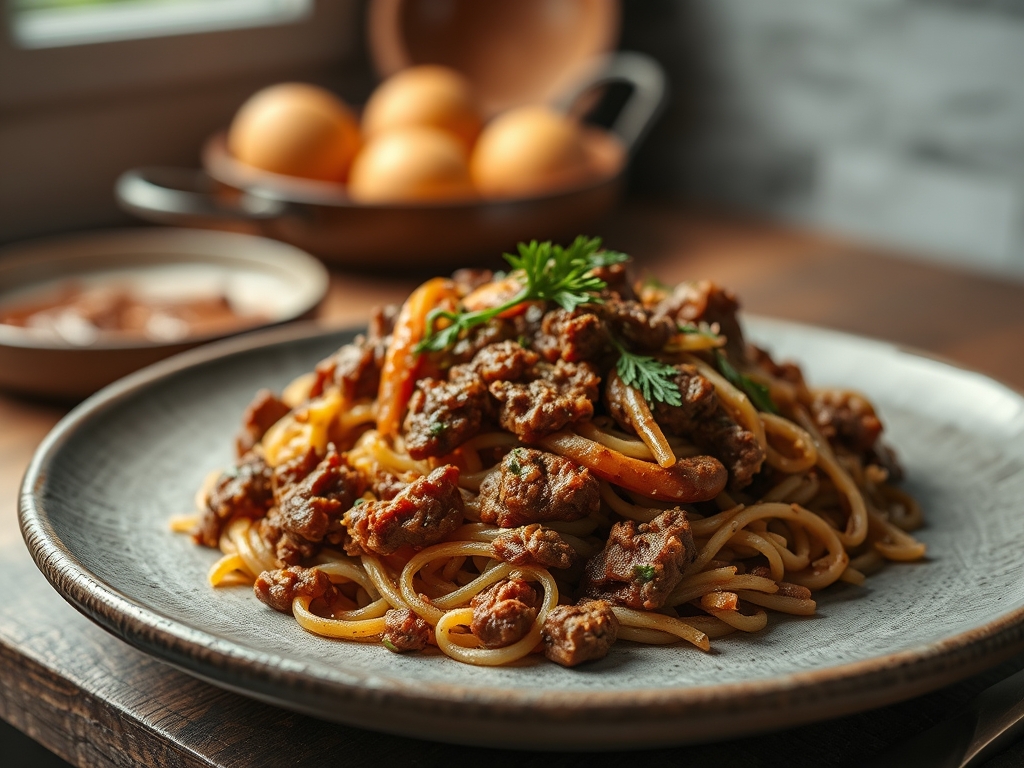
Imagine the sound of a heavy bottomed skillet hitting the burner; a resonant, metallic ring that signals the start of something spectacular. You are tired, the clock is ticking, and your appetite is demanding something more sophisticated than a cold sandwich. This is where orzo ground beef recipes save the evening. We are talking about that magical intersection of silky, rice shaped pasta and deeply savory, browned protein. It is the ultimate weeknight flex because it feels like a slow cooked labor of love but actually comes together in less time than it takes to scroll through your delivery apps. Within twenty minutes, you can transform a humble pound of chuck into a glossy, restaurant quality masterpiece that clings to every grain of pasta. This is not just food; it is a tactical strike against a boring dinner routine. We are going to harness the power of rapid starch gelatinization and the Maillard reaction to create ten distinct flavor profiles, ranging from Mediterranean lemon zest to a spicy, smoky Southwestern char.
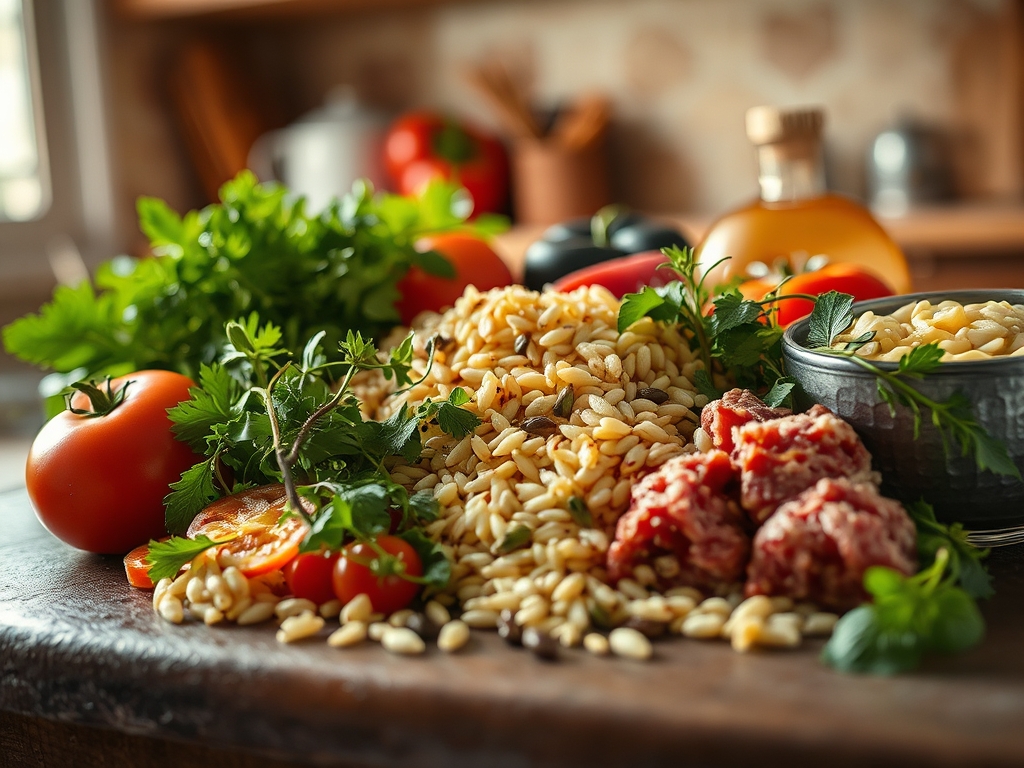
The Gathers:
To master these orzo ground beef recipes, your mise en place must be precise. Start with high quality ground beef, ideally an 80/20 blend. This ratio is critical because the rendered fat acts as the primary cooking medium for the dry orzo, essentially toasting the pasta before any liquid is added. You will need a reliable saucier or a wide skillet to maximize surface area. Gather your aromatics: yellow onions for their high sugar content, garlic cloves ready for the microplane, and fresh herbs like oregano or parsley to provide a piquant finish.
For the liquid component, keep a carton of low sodium beef bone broth nearby. The collagen in the broth provides a viscous mouthfeel that water simply cannot replicate. Do not forget the acids; a splash of dry white wine or a squeeze of fresh lemon juice is necessary to cut through the richness of the beef.
Smart Substitutions:
If you are looking to lighten the profile, ground turkey or lean bison works beautifully, though you may need to add a teaspoon of olive oil to compensate for the lower fat content. For those avoiding gluten, chickpea based orzo is a fantastic alternative that holds its structural integrity well under heat. If you find yourself out of beef broth, a combination of water and a tablespoon of Worcestershire sauce can mimic that deep, umami profile.
The Clock
Efficiency in the kitchen is about the Chef's Flow. This is the art of overlapping tasks so that no second is wasted. For these recipes, the total time from fridge to table is roughly 25 minutes.
The first five minutes are dedicated to the prep: dicing aromatics with a sharp chef's knife and measuring out your dry goods. The next ten minutes involve the high heat work. You will render the beef and sauté the vegetables simultaneously. The final ten minutes are the "simmer and set" phase. While the orzo absorbs the broth, you have a window to toss a quick side salad or pour a glass of wine. By the time the liquid has reduced to a glossy glaze, the pasta will be perfectly al dente. This workflow ensures that you are never standing idly by the stove; every movement is purposeful and calculated.
The Masterclass
1. The Sear and Render
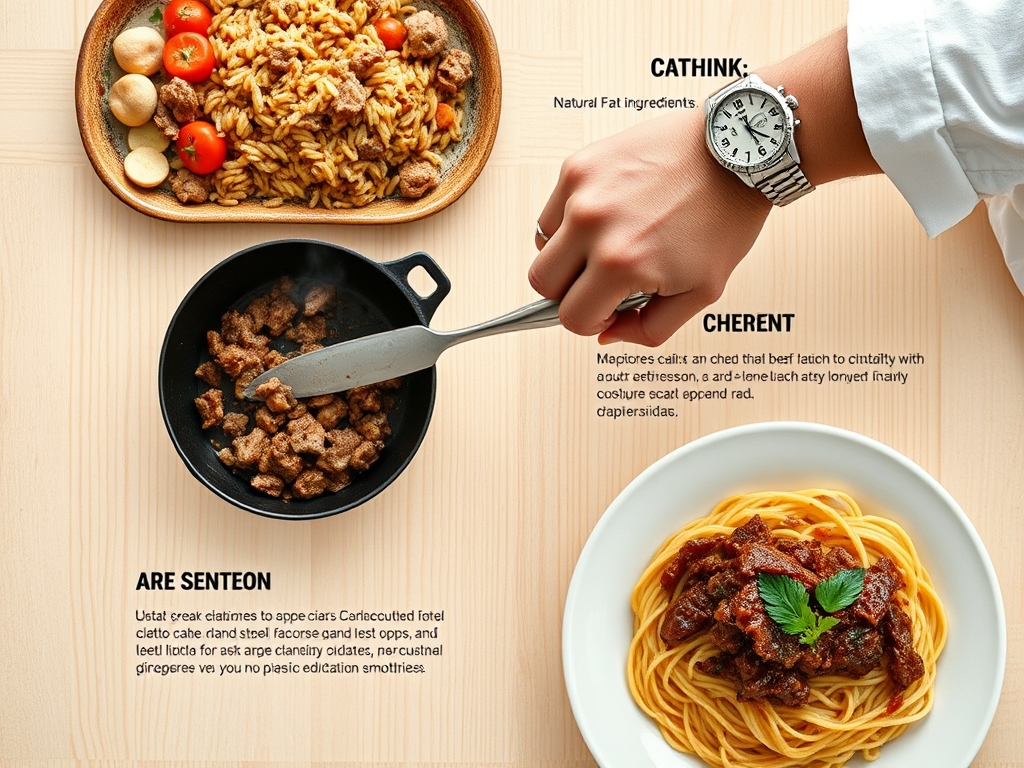
Place your skillet over medium high heat. Once the pan is shimmering, add the ground beef. Use a wooden spoon or a stiff spatula to break the meat into small, uniform crumbles. Do not move the meat too much at first; let it sit for two minutes to develop a deep brown crust.
Pro Tip: This is the Maillard reaction in action. By allowing the beef to remain in contact with the hot surface without constant stirring, you are creating complex flavor compounds through the chemical reaction between amino acids and reducing sugars.
2. The Aromatic Infusion
Once the beef is mostly browned, push it to the perimeter of the pan and add your diced onions and garlic to the center. Use the rendered beef fat to soften the vegetables until they are translucent and fragrant.
Pro Tip: Adding aromatics to the fat rather than the meat ensures that the fat becomes infused with flavor. This is known as "blooming" the aromatics, which distributes the taste more evenly throughout the entire dish.
3. Toasting the Orzo
Add the dry orzo directly into the pan with the beef and vegetables. Stir constantly for two minutes until the edges of the pasta turn slightly golden and give off a nutty aroma.
Pro Tip: Toasting the pasta creates a protective starch barrier. This prevents the orzo from becoming mushy and helps it maintain a distinct, firm texture even after it has been simmered in liquid.
4. The Deglaze and Simmer
Pour in your broth and any acidic components. Use your spatula to scrape up the browned bits from the bottom of the pan. Cover the skillet and reduce the heat to a simmer.
Pro Tip: Those browned bits are called "fond." Deglazing the pan incorporates this concentrated flavor back into the sauce, ensuring that no depth of taste is left behind on the metal surface.
5. The Final Emulsification
Once the liquid is absorbed, remove the lid. Stir in a knob of butter or a handful of parmesan cheese. Stir vigorously for thirty seconds to create a creamy, cohesive sauce.
Pro Tip: This is mechanical emulsification. By stirring quickly, you are suspending the fats within the remaining starchy liquid, resulting in a velvety sauce that coats every single grain of orzo perfectly.
The Deep Dive
When we look at the macro nutrition of these orzo ground beef recipes, we see a balanced profile. A standard serving provides approximately 35 grams of protein, 40 grams of carbohydrates, and 15 grams of fat. It is a fuel dense meal that supports muscle recovery and provides sustained energy.
Dietary Swaps:
For a keto friendly version, replace the orzo with riced cauliflower; just be sure to reduce the liquid volume by half. To make it vegan, swap the beef for crumbled tempeh or lentils and use a rich vegetable bouillon. For the gluten free crowd, high quality corn or rice based orzo is now widely available and performs similarly to wheat pasta.
The Fix-It:
- Too Salty: If you went overboard with the seasoning, add a splash of heavy cream or a dollop of Greek yogurt. The fats will coat the tongue and dampen the perception of salt.
- Mushy Pasta: This usually happens if there is too much liquid or the heat was too low. Next time, ensure you are measuring your broth to pasta ratio at exactly 2:1.
- Bland Flavor: If the dish lacks "pop," it is likely missing acid. Add a teaspoon of red wine vinegar or lemon zest right before serving to brighten the entire profile.
Meal Prep Science:
Orzo is a champion of leftovers. When reheating, add a tablespoon of water or broth before microwaving. This creates a small steam chamber that rehydrates the starches, preventing the pasta from becoming a solid, dry block. This "day-one" quality is why these recipes are staples for professional meal preppers.
The Wrap-Up
Mastering orzo ground beef recipes is like having a secret weapon in your culinary arsenal. It is fast, it is scientifically sound, and it is incredibly satisfying. Whether you are cooking for a crowd or just treating yourself after a long day, these techniques ensure a perfect result every single time. So, grab your skillet, trust the process, and enjoy the delicious rewards of your kitchen chemistry.
The Kitchen Table
What is the best beef to pasta ratio?
For the perfect balance, use one pound of ground beef for every eight ounces of dry orzo. This ensures every bite has a generous amount of protein while allowing the pasta to soak up all the savory juices without becoming dry.
Can I cook the orzo separately?
While you can, it is not recommended. Cooking the orzo directly in the skillet with the beef and broth allows the pasta to absorb the flavors of the meat and aromatics, resulting in a much deeper and more cohesive flavor profile.
Why is my orzo sticking to the pan?
Sticking usually occurs if there is not enough fat or if the heat is too high during the simmering phase. Ensure you have enough rendered fat to coat the pasta and keep the heat at a gentle, consistent simmer.
How do I store leftovers?
Store your orzo in an airtight container in the refrigerator for up to four days. To maintain texture, avoid freezing, as the pasta can become grainy and lose its signature bite once thawed and reheated.