
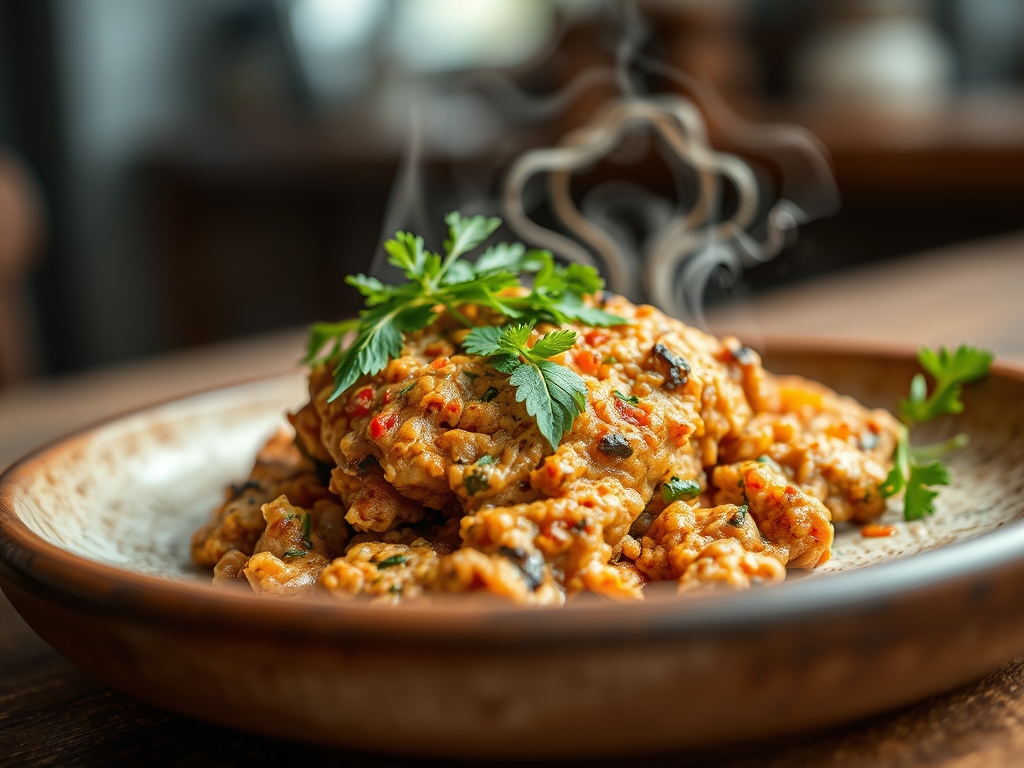
Picture this: the sizzle of a heavy-bottomed skillet meeting cold protein; the sharp, piquant aroma of garlic hitting hot oil; and the realization that your weeknight dinner rut is officially over. Finding truly inspired healthy ground chicken recipes is often a struggle because most people treat this lean protein like a boring afterthought. We are going to change that by mastering the science of moisture and the art of the sear.
Ground chicken is the ultimate blank canvas for the modern kitchen. Unlike beef, it possesses a delicate fat profile that allows it to absorb aromatic infusions without becoming greasy or heavy. Whether you are craving the snap of a ginger-soy glaze or the earthy warmth of Mediterranean herbs; these nine dishes utilize professional techniques to ensure every bite is succulent. We are moving beyond the basic burger and into a world of high-velocity flavor where healthy meets decadent. By understanding the molecular behavior of lean poultry, you will transform a simple package of meat into a rotating gallery of gourmet meals that satisfy your macros and your soul.
The Gathers:
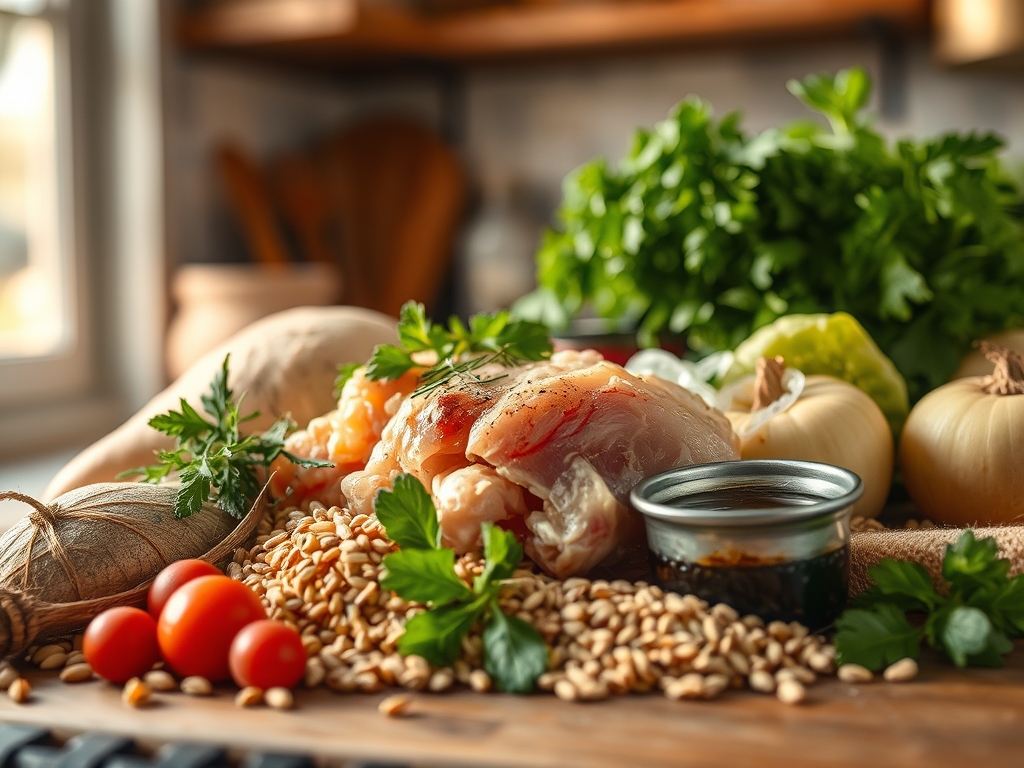
To execute these healthy ground chicken recipes with precision, your mise-en-place must be impeccable. Start with high-quality ground chicken; ideally a 93/7 blend of breast and thigh meat. This ratio provides enough lipids to facilitate the Maillard reaction while keeping the caloric density low. You will need a digital scale to ensure portion accuracy and a microplane for aerating citrus zest and ginger.
Smart Substitutions are your secret weapon for nutritional density. Instead of traditional breadcrumbs, which can lead to a gummy texture if over-hydrated, use almond flour or finely pulsed cauliflower rice to provide structure without the refined carbohydrates. For a viscous, umami-rich binder, swap heavy creams for Greek yogurt or a splash of coconut aminos. Always keep a bottle of high-smoke-point oil, like avocado or grapeseed, nearby. These oils allow you to render fat and brown the meat at high temperatures without the oil breaking down into bitter compounds. Finally, gather your aromatics: shallots, lemongrass, and Fresno chilies will provide the piquant foundation for our global flavor profiles.
The Clock
Mastering the "Chef's Flow" is about overlapping tasks to minimize downtime. For these nine recipes, the total active prep time averages twenty minutes, with cook times hovering around fifteen. The secret is the "Rest and Prep" method. While your heavy-bottomed skillet preheats (a crucial step to prevent sticking), you should be using your bench scraper to organize your chopped aromatics.
The total time from fridge to table is roughly thirty-five minutes. However, the internal clock of the meat is what matters most. Chicken cooks quickly, and because it lacks the connective tissue of tougher cuts, it can transition from juicy to fibrous in a matter of seconds. By prepping all sauces and garnishes before the protein touches the heat, you ensure that the meal is served the moment it reaches its thermal peak.
The Masterclass
1. Temper and Season
Remove your chicken from the refrigerator fifteen minutes before cooking. Use a digital scale to portion the meat, then season generously with kosher salt and cracked black pepper. Tempering the meat ensures that the center reaches the safe internal temperature of 165 degrees Fahrenheit without the exterior becoming overcooked and dry.
Pro Tip: This is called thermal equilibrium. If you throw ice-cold meat into a hot pan, the muscle fibers contract violently, squeezing out precious moisture and resulting in a rubbery texture.
2. The High-Heat Sear
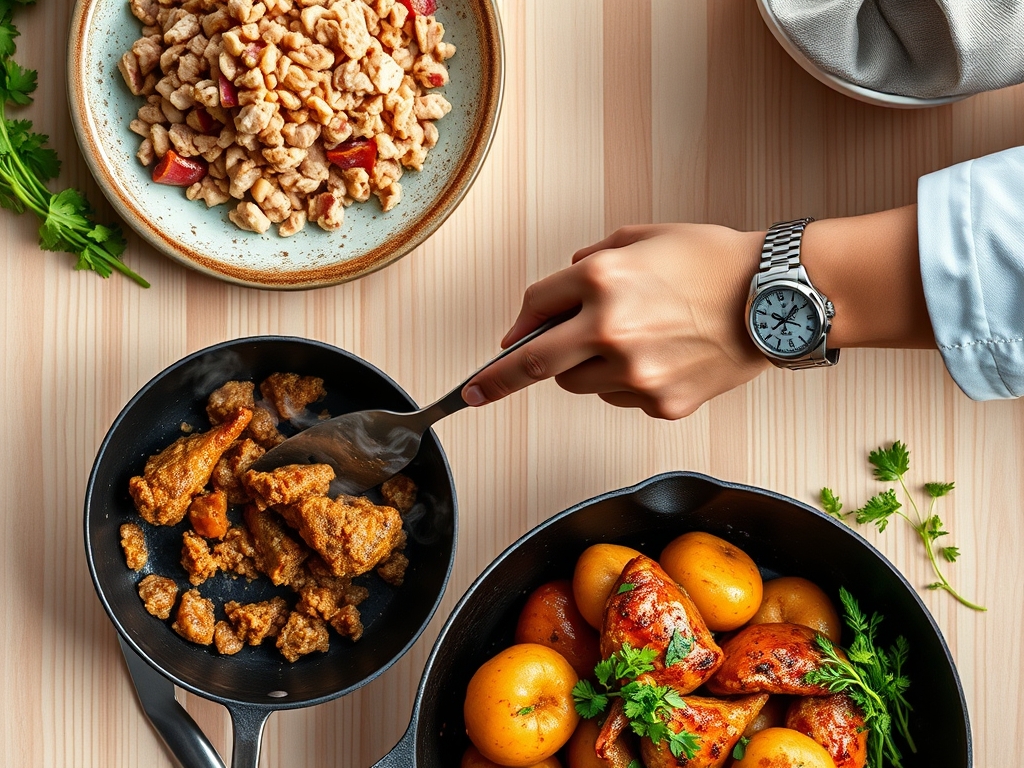
Heat your skillet until a drop of water dances on the surface. Add your high-smoke-point oil and then the chicken. Do not crowd the pan; work in batches if necessary. Use a sturdy metal spatula to press the meat down, maximizing surface contact.
Pro Tip: This facilitates the Maillard reaction, a chemical reaction between amino acids and reducing sugars that gives browned food its distinctive flavor. Without this sear, your chicken will merely steam in its own juices.
3. Deglaze and Infuse
Once the meat is browned, remove it and add your aromatics. After they soften, use a liquid like chicken bone broth, white wine, or lime juice to deglaze the pan. Use your spatula to scrape up the "fond," those delicious brown bits stuck to the bottom.
Pro Tip: Deglazing is a kinetic process that incorporates concentrated flavor back into your sauce. The acidity in the liquid also helps to tenderize the protein fibers through mild enzymatic breakdown.
4. Emulsify the Sauce
Return the chicken to the pan and add your viscous elements, such as coconut milk or a cornstarch slurry. Stir constantly with a saucier or whisk to combine the fats and liquids into a smooth, cohesive glaze that coats every morsel.
Pro Tip: Emulsification prevents the sauce from "breaking" or separating into oily and watery layers. This ensures a luxurious mouthfeel without the need for excessive butter or cream.
The Deep Dive
When we look at the macro nutrition of these healthy ground chicken recipes, the profile is impressive. A standard four-ounce serving provides approximately 22 grams of protein with only 8 grams of fat. This makes it a powerhouse for muscle recovery and satiety. For those following specific dietary protocols, these recipes are incredibly flexible. For Keto, replace all starches with leafy greens or zucchini noodles. For Vegan guests, you can swap the chicken for a pulsed mushroom and walnut blend, which mimics the texture of ground poultry while offering a rich, earthy flavor.
Even the best chefs encounter pitfalls. If your chicken feels dry, it is likely overcooked; the "Fix-It" is to fold in a tablespoon of avocado oil or a splash of warm broth to rehydrate the fibers. If the meat is gray instead of brown, your pan wasn't hot enough; next time, wait for the oil to shimmer. If the flavor is flat, you likely need more acidity; a squeeze of fresh lemon or a dash of apple cider vinegar will brighten the entire dish.
For meal prep, reheating is a science. Avoid the microwave, which vibrates water molecules and toughens the protein. Instead, reheat your chicken in a covered skillet over low heat with a teaspoon of water. This creates a gentle steam environment that restores "day-one" quality.
The Wrap-Up
You are now equipped with the technical prowess to turn a humble package of poultry into a week of culinary triumphs. These healthy ground chicken recipes are more than just fuel; they are an exploration of texture, temperature, and timing. By respecting the science of the sear and the importance of the deglaze, you have elevated your kitchen game to a professional level. Go forth, grab your tongs, and start creating meals that are as smart and vibrant as you are. Your dinner table is about to become the most popular spot in the house.
The Kitchen Table
How do I keep ground chicken from sticking to the pan?
Preheat your heavy-bottomed skillet until it is hot before adding oil. Use a high-smoke-point oil like avocado oil. This creates a hydrophobic barrier that prevents the lean protein from bonding to the metal surface of the pan.
Can I substitute ground turkey for chicken in these recipes?
Yes, ground turkey is a functional substitute. However, turkey has a more pronounced, gamey flavor and slightly different fat content. Ensure you monitor the internal temperature closely, as turkey tends to dry out even faster than chicken when overcooked.
What is the best way to flavor ground chicken?
Focus on aromatics and acidity. Use a microplane to grate fresh ginger, garlic, and citrus zest directly into the meat. Finish the dish with a splash of rice vinegar or lime juice to highlight the delicate flavors of the poultry.
Is ground chicken actually healthier than ground beef?
Ground chicken is typically lower in saturated fat and calories than traditional ground beef. By choosing a lean chicken blend, you can significantly reduce your caloric intake while maintaining high protein levels, making it ideal for weight management and heart health.