
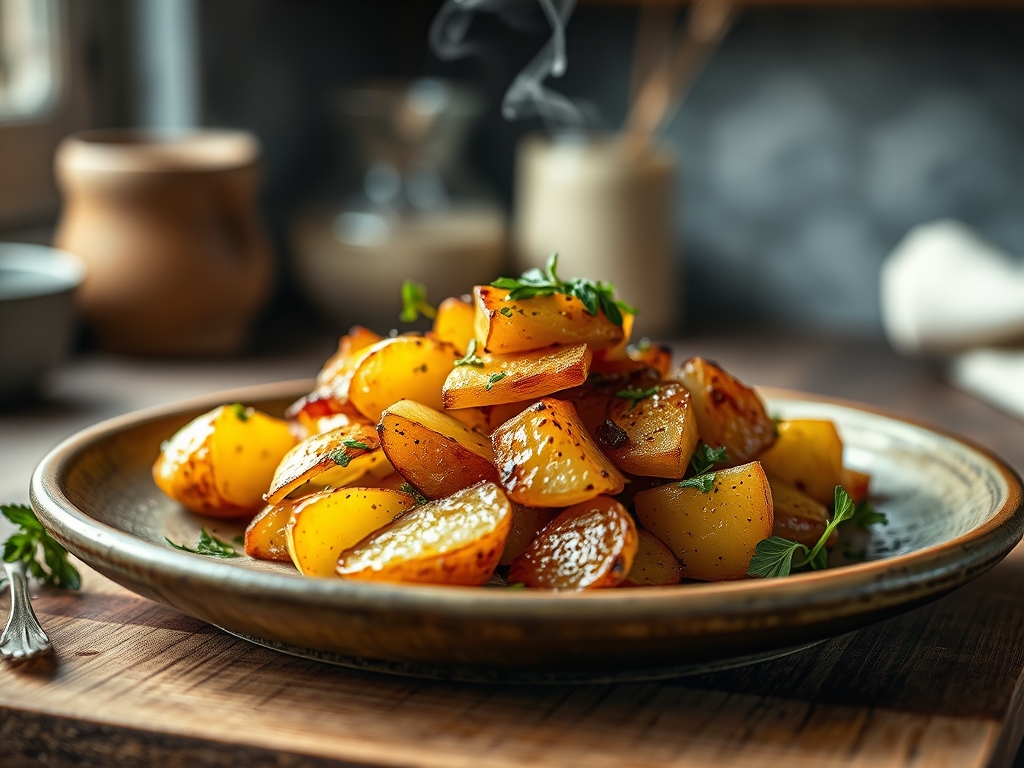
Imagine the scent of bubbling Gruyere and roasted garlic wafting through your hallway as the doorbell rings. It is the ultimate host flex. When you master these seven company potato recipes, you are not just serving a side dish; you are offering a masterclass in comfort. These dishes transform the humble tuber into a golden, buttery centerpiece for your next dinner party.
We have all been there. You want a dish that feels elevated but does not require you to be chained to the stove while your guests are sipping prosecco in the living room. The secret lies in the starch. By understanding how to manipulate amylose and amylopectin, you can create textures ranging from a silk-like puree to a shatteringly crisp gratin. We are going to dive deep into the molecular magic that makes a potato go from "Tuesday night dinner" to "Company is coming over." Get your mandoline ready because we are about to redefine the spud.
The Gathers:
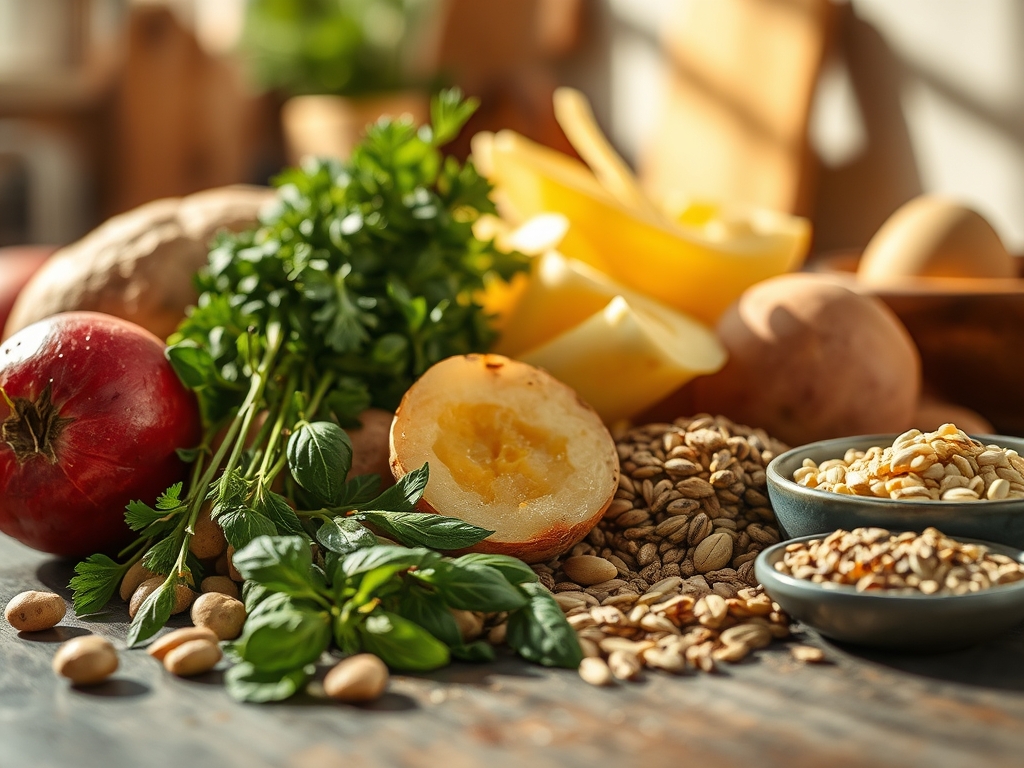
To execute these company potato recipes with precision, your mise-en-place must be impeccable. Start with the foundation: the potato itself. For high-moisture applications like a classic "Funeral Potato" or a cheesy casserole, reach for the Yukon Gold. Its medium starch content provides a naturally viscous texture that holds its shape while absorbing fats. If you are aiming for maximum crispness, the Russet is king due to its high starch-to-water ratio.
You will also need a high-quality fat source. Do not settle for grocery store butter. Opt for a European-style butter with at least 82 percent butterfat to ensure a richer mouthfeel. For the aromatics, gather fresh thyme, rosemary, and whole garlic cloves. Use a microplane to zest lemon or grate nutmeg directly into your cream bases; this releases volatile oils that pre-ground spices simply cannot match.
Smart Substitutions:
If you need to lighten the profile without sacrificing the "company" feel, swap heavy cream for a mixture of whole milk and Greek yogurt. The acidity in the yogurt provides a piquant counterpoint to the starch. For a dairy-free crowd, coconut milk offers the necessary saturated fats to mimic the richness of traditional recipes. Always keep a high-quality sea salt and a pepper mill nearby. Freshly cracked tellicherry peppercorns offer a floral heat that elevates the dish instantly.
The Clock: Timing the Chef's Flow
Efficiency in the kitchen is about managing "The Clock." For most company potato recipes, you are looking at a 20-minute prep window followed by 45 to 60 minutes of thermal processing. The "Chef's Flow" dictates that you should prepare your potatoes first. If they are being sliced for a gratin, keep them in a bowl of cold water to prevent enzymatic browning, though you must pat them bone-dry before cooking to avoid steaming.
While the oven preheats to 375 degrees Fahrenheit, use this time to infuse your cream or melt your butter with aromatics in a saucier. This layering of flavor happens while the potatoes are idle. Once the dish is in the oven, the "active" work is done. This allows you to focus on your protein or, more importantly, your guests. Remember to account for a 10-minute rest period after the potatoes leave the oven. This allows the starches to set, ensuring clean slices rather than a structural collapse on the plate.
The Masterclass:
1. The Precision Slice
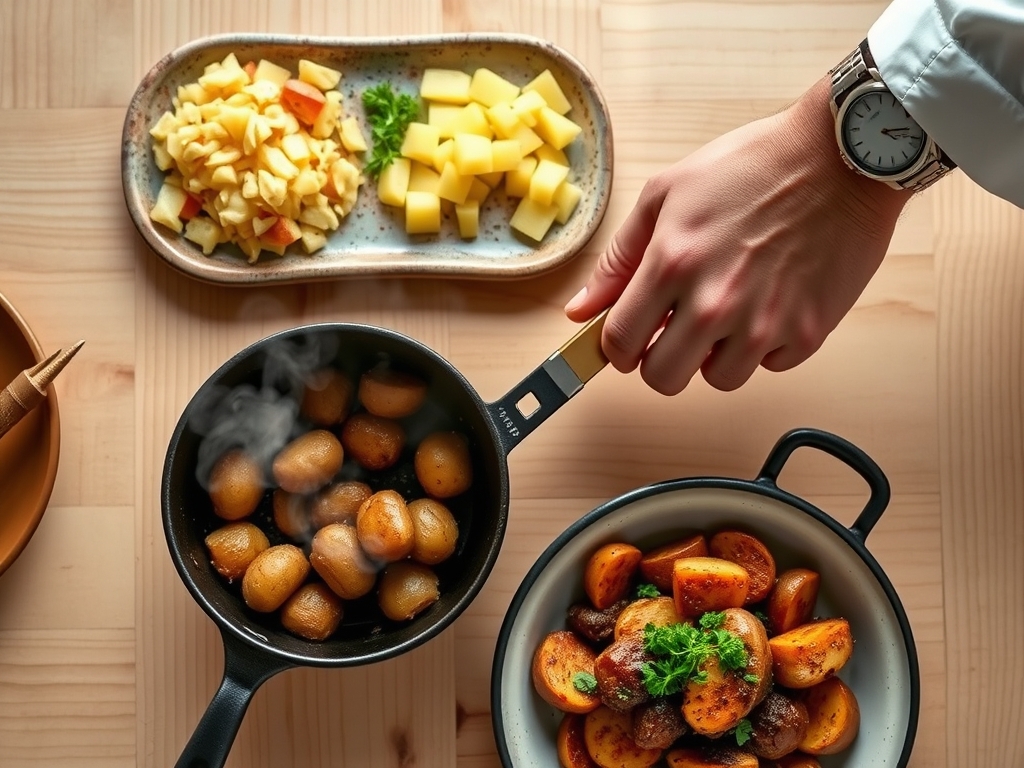
Using a mandoline or a very sharp chef's knife, slice your potatoes into uniform 1/8-inch rounds. Consistency is not just for aesthetics; it ensures every piece reaches the same level of gelatinization at the same time.
Pro Tip: Uniformity prevents "crunchy centers." The science of thermal conductivity means thinner, even slices allow heat to penetrate the starch granules quickly and evenly.
2. The Infusion Phase
In a heavy-bottomed skillet, gently heat your cream, smashed garlic, and herbs. Do not let it boil. You want to render the aromatic compounds into the fat molecules of the cream.
Pro Tip: This is called fat-soluble flavor extraction. Many of the flavor compounds in herbs like thyme are not water-soluble, so they require the lipids in cream or butter to travel.
3. The Aeration Fold
If you are making mashed company potatoes, use a ricer instead of a masher. Once riced, use a bench scraper or a silicone spatula to fold in your warm cream and cold butter cubes.
Pro Tip: Over-working potatoes develops gluten-like elasticity. By ricing and folding, you avoid shearing the starch cells, which prevents a gluey, "wallpaper paste" texture.
4. The Maillard Crust
For roasted or scalloped varieties, ensure the top layer is exposed to dry, radiant heat. Sprinkle a hard cheese like Parmigiano-Reggiano over the top during the last 15 minutes of baking.
Pro Tip: The Maillard reaction occurs between amino acids and reducing sugars at high temperatures. This creates the savory, "browned" flavors and the golden crust guests crave.
5. The Thermal Carryover Rest
Remove the dish from the oven when the internal temperature hits 205 degrees Fahrenheit. Let it sit on a wire rack for at least ten minutes before serving.
Pro Tip: Thermal carryover will continue to cook the center of the dish. Resting allows the pectin in the potato cell walls to re-solidify, giving the dish structural integrity.
The Deep Dive: Science and Solutions
From a macro perspective, potatoes are a powerhouse of potassium and complex carbohydrates. However, company potatoes are often calorie-dense due to the added fats. To balance this, you can integrate cauliflower florets into your mashes or gratins; they provide a similar texture with a lower glycemic index. For a keto-friendly swap, use daikon radish or turnips, though you will need to increase your seasoning to compensate for their milder flavor profiles.
The Fix-It: Common Pitfalls
- Curdled Sauce: This usually happens when the acid (from sour cream or cheese) hits high heat too fast. Fix it by tempering your dairy; whisk a little hot potato liquid into your cold cream before adding it to the main dish.
- Greasy Top: If your butter separates, it is likely because the oven was too hot. Use a digital scale to ensure your fat-to-starch ratio is exact. To fix a greasy top, blot gently with a paper towel and add a dusting of breadcrumbs to absorb excess lipids.
- Discoloration: If your potatoes turn gray, it is oxidation. Always keep peeled potatoes submerged in water or toss them in a mild acid like lemon juice immediately after cutting.
Meal Prep and Reheating:
To achieve "day-one" quality when reheating, avoid the microwave. The microwave agitates water molecules unevenly, leading to soggy spots. Instead, use a low oven (300 degrees Fahrenheit) and cover the dish with foil to retain moisture. This allows the fats to re-melt and the starches to soften without drying out the edges.
The Wrap-Up:
Mastering company potato recipes is about more than just following a list of ingredients. It is about understanding the physics of heat and the chemistry of starch. When you combine high-quality fats with precision cutting and a bit of patience, you create a dish that is the highlight of the meal. Whether you are serving a silky puree or a crispy, layered gratin, your guests will taste the effort and the science behind every bite. Now, go grab your favorite saucier and start cooking; your perfect dinner party side dish is only a few potatoes away.
The Kitchen Table:
Why do my potatoes turn gummy?
Gummy potatoes are caused by over-working the starch. When cells are ruptured by over-mashing or using a food processor, they release excess amylose. Use a ricer and a gentle folding motion with a spatula to keep the texture light and fluffy.
Can I make these recipes ahead of time?
Yes. Assemble the dish and par-bake it for 30 minutes. Cool it completely and refrigerate. On the day of your event, finish baking at 375 degrees Fahrenheit until the center is hot and the top is golden and bubbling.
What is the best potato for a gratin?
Yukon Golds are the gold standard for gratins. They have a creamy texture and a natural buttery flavor. Their medium starch content allows them to hold their shape while still absorbing the cream and cheese for a cohesive, decadent dish.
How do I prevent the cream from curdling?
Avoid boiling the sauce once dairy is added. High heat causes proteins in the cream to denature and clump. Use full-fat dairy, as the higher fat content acts as a stabilizer against heat and acidic ingredients like cheese or wine.