
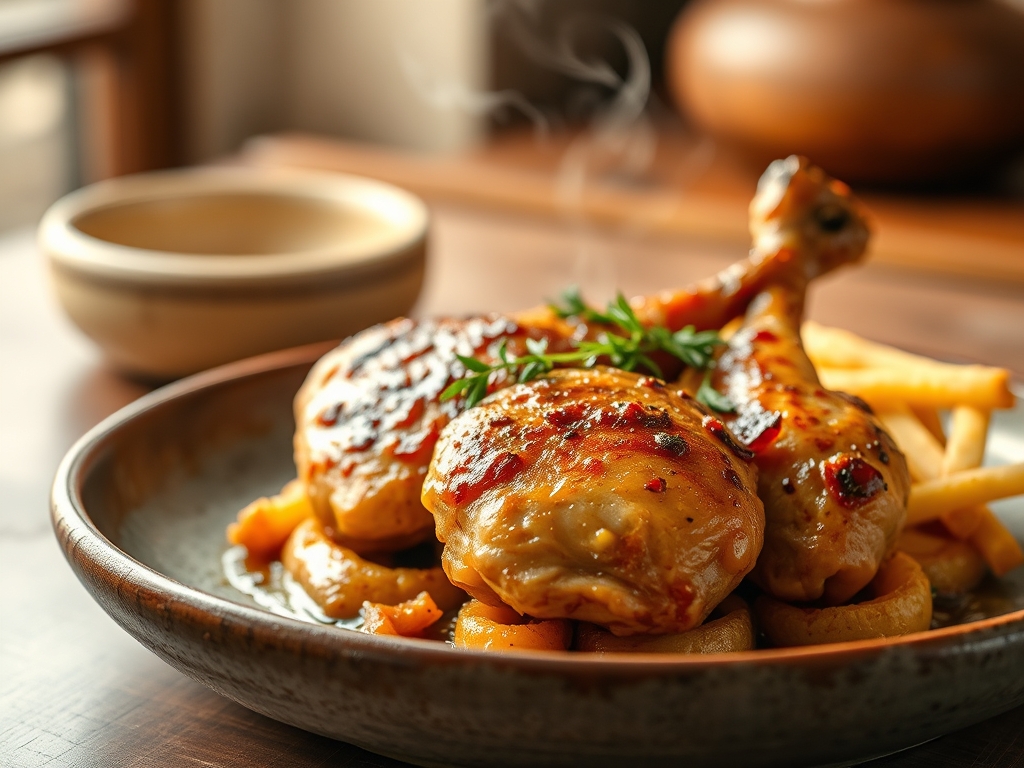
The moment chicken thighs hit a preheated cast-iron skillet at 232°C (450°F), fat renders into golden pools while the Maillard reaction builds a mahogany crust that crackles under the slightest pressure. That sear, that aroma of caramelizing proteins and browning alliums, forms the foundation of good chicken recipes for dinner that transform weeknight routines into restaurant-caliber experiences. Whether you're working with bone-in breasts, boneless thighs, or a spatchcocked whole bird, mastering heat control and flavor layering separates mediocre plates from meals your family requests on repeat.
Chicken's mild canvas absorbs marinades, spice rubs, and pan sauces with remarkable efficiency, but only when technique aligns with biology. Myoglobin content, lower in poultry than red meat, means less margin for error: overcook by three minutes and you're chewing sawdust. Undercook by two degrees and you're flirting with pathogens. The sweet spot lives at 74°C (165°F) for white meat, 77°C (170°F) for dark meat, where collagen softens into silky gelatin and juices redistribute through resting. These seven recipes exploit every advantage chicken offers: quick cooking times, universal flavor compatibility, and forgiving fat content in dark meat cuts that stay moist even when your timer runs long.
The Gathers
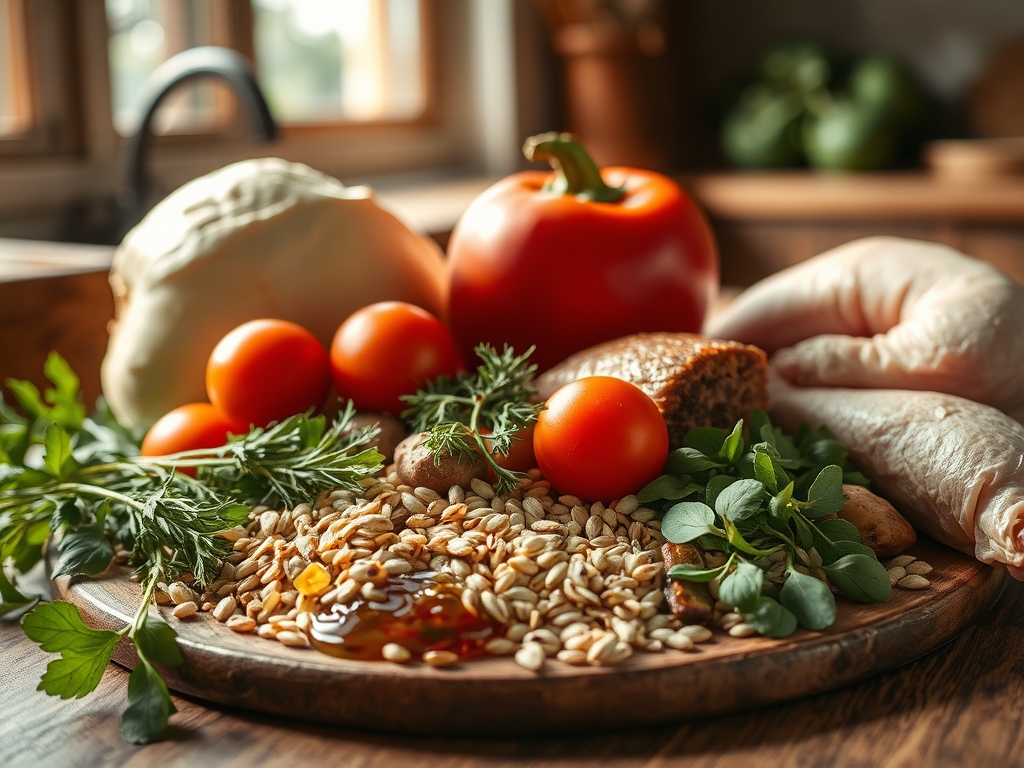
As you see in the ingredient spread below, bone-in, skin-on chicken thighs anchor five of these recipes because intramuscular fat and connective tissue deliver superior moisture retention. Grab eight thighs weighing 170-200g each. For the pan-seared breast variation, choose airline breasts with the first wing joint attached for built-in handle andeven thickness.
Aromatics form the flavor scaffold: two heads of garlic (yes, entire heads), four medium yellow onions, three shallots, and a knob of ginger the size of your thumb. Fresh thyme, rosemary, and oregano contribute volatile oils that survive high heat, while smoked paprika and ground cumin add depth without the vegetal bite of raw spices.
Acid and fat balance each dish. Stock unsalted chicken stock (homemade or low-sodium boxed), dry white wine (Sauvignon Blanc or unoaked Chardonnay), full-fat coconut milk, and unsalted butter (European-style with 82% butterfat). Kosher salt and whole black peppercorns stay within arm's reach; fine table salt dissolves too quickly and creates localized salinity spikes.
Smart Substitutions: Swap thighs for drumsticks if you prefer higher bone-to-meat ratio. Replace white wine with additional stock plus one tablespoon apple cider vinegar. Coconut milk trades seamlessly for heavy cream in non-Asian preparations. Ghee works when dairy-free is essential but you need clarified milk solids' nutty notes.
The Clock
Prep time: 22 minutes. Cook time: 38-45 minutes depending on recipe. Total time: 60-67 minutes from fridge to fork.
Chef's Flow optimizes every minute. While your oven preheats, dry-brine chicken with kosher salt (1% of meat weight) and let it rest on a wire rack at room temperature for 15 minutes. This brief brine draws surface moisture out then reabsorbs it with dissolved salt, seasoning the interior while drying the skin for superior crisping. Meanwhile, prep aromatics in sequence: onions first (they oxidize slowly), then garlic (oxidizes faster), finally herbs (volatile oils evaporate quickly). Measure liquids into a single spouted vessel so you're not fumbling with multiple bottles over high heat. Preheat your skillet during the last five minutes of brining; a properly heated pan eliminates sticking and jump-starts the Maillard reaction the instant protein makes contact.
The Masterclass
Step 1: The Sear
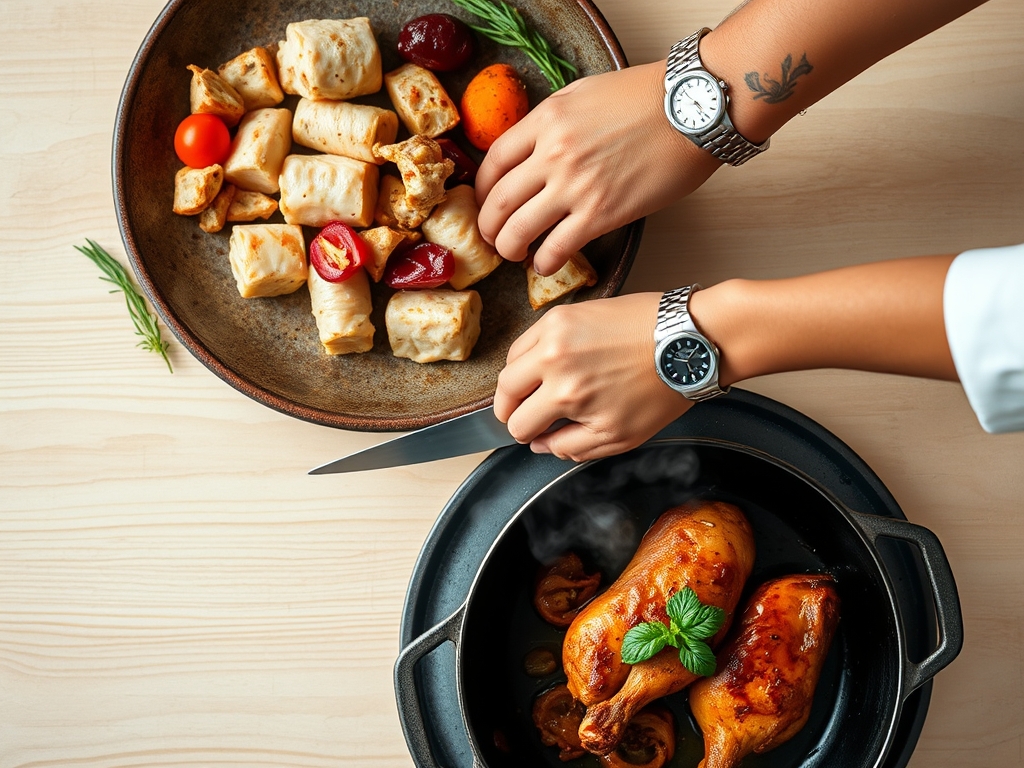
Pat chicken completely dry with paper towels, focusing on skin crevices where moisture hides. Heat two tablespoons neutral oil (grapeseed or avocado) in a 30cm cast-iron skillet over medium-high until it shimmers and a water droplet vaporizes instantly. Lay thighs skin-side down without crowding; they should sizzle loudly within one second. Press gently with a spatula for ten seconds to ensure full skin contact. Sear undisturbed for 6-7 minutes.
Chef's Secret: Resist the urge to peek. Proteins release from metal only after sufficient crust formation; premature flipping tears skin and wastes precious browning. Note the texture shown in the step-by-step photos: that mahogany lacquer forms when surface sugars and amino acids recombine above 154°C (310°F), creating hundreds of new flavor compounds absent in pale, steamed chicken.
Step 2: The Flip and Baste
Flip thighs skin-side up. Reduce heat to medium. Add four smashed garlic cloves and three thyme sprigs to the pan perimeter. Tilt the skillet and use a spoon to baste chicken with garlic-infused oil for 90 seconds.
Why it Works: Basting transfers heat and flavor simultaneously. Hot fat convects around every curve, cooking faster than oven air while garlic's sulfurous compounds infuse the meat. This technique shaves three minutes off roasting time while layering complexity.
Step 3: The Deglaze
Transfer chicken to a plate. Pour off all but one tablespoon fat. Return pan to medium-high heat and add one finely diced shallot. Sauté 45 seconds, scraping browned bits (fond) with a wooden spoon. Add 120ml dry white wine.
Chef's Secret: Wine's acidity dissolves caramelized proteins stuck to the pan, suspending them in liquid where they contribute savory depth. The alcohol cooks off in 90 seconds at a vigorous simmer, leaving fruity esters and zero boozy harshness.
Step 4: The Braise
Add 240ml chicken stock, one teaspoon smoked paprika, and half a teaspoon kosher salt. Return chicken skin-side up (submerging skin makes it flabby). Bring to a simmer, then transfer to a 177°C (350°F) oven uncovered for 28 minutes.
Why it Works: Gentle oven heat cooks evenly from all directions while exposed skin continues crisping. Collagen in thigh meat converts to gelatin between 71-77°C, creating that spoon-tender texture impossible with lean breasts.
Step 5: The Finish
Remove pan from oven when an instant-read thermometer reads 77°C (170°F) in the thickest part. Rest chicken on the counter for 5 minutes. Meanwhile, return the pan to high heat and reduce sauce by half, about 3 minutes. Swirl in two tablespoons cold butter cubed.
Chef's Secret: Cold butter stirred into hot liquid creates an emulsion, thickening the sauce and adding silky mouthfeel without flour or cornstarch. The process, called monter au beurre, requires the butter to stay below 70°C to prevent fat separation; constant swirling suspends fat droplets in the aqueous phase.
Nutritional Info
Per serving (one thigh with sauce): 290 calories, 18g fat (6g saturated), 24g protein, 4g carbohydrates, 0g fiber, 480mg sodium. Dark meat's higher fat content provides iron (1.2mg) and zinc (2.4mg), both essential for immune function. The rendering process eliminates roughly 30% of subcutaneous fat, reducing initial calorie load.
Dietary Swaps
Keto: This recipe already sits at 4g net carbs. Eliminate wine and use bone broth exclusively for <2g carbs per serving.
Gluten-Free: Confirm stock and spices contain no wheat-based anti-caking agents. Otherwise, naturally compliant.
Dairy-Free: Skip the butter finish and mount the sauce with two tablespoons coconut cream instead. Slight coconut flavor emerges; balance with a squeeze of lime.
Serving & Presentation
Rustic Farmhouse: Plate chicken atop creamy polenta in a shallow bowl. Ladle sauce over. Garnish with crispy fried sage leaves and cracked pepper.
Modern Minimalist: Center the thigh on a white plate. Streak sauce in a diagonal line using the back of a spoon. Add three roasted baby carrots and a quenelle of cauliflower puree.
Family-Style Abundance: Arrange all thighs on a large platter over roasted fingerling potatoes. Pour sauce into a warmed ceramic pitcher for guests to control their portions.
The Pro-Dodge
Pitfall 1: Soggy Skin. Moisture is the enemy. Always dry-brine and pat completely dry before searing. Immediate fix: If skin refuses to crisp, transfer chicken to a baking sheet and broil skin-side up for 2 minutes.
Pitfall 2: Sauce Separation. Butter added to boiling liquid breaks into greasy pools. Immediate fix: Remove pan from heat, add an ice cube, whisk vigorously until emulsion rebuilds, then reheat gently.
Pitfall 3: Overcooked Meat. Carryover cooking adds 2-3°C after removal from heat. Immediate fix: Pull chicken at 74°C (165°F) instead of 77°C. Rest in a warm (not hot) spot to coast to final temp.
The Meal Prep Corner
Storage: Cool chicken completely before refrigerating in airtight containers with sauce separated. Maintains peak quality for four days.
Reheating: Preheat oven to 163°C (325°F). Place chicken skin-side up on a wire rack over a baking sheet. Tent loosely with foil. Heat 12 minutes, then remove foil and blast under the broiler for 90 seconds to re-crisp skin. Reheat sauce separately in a small pot over low heat, whisking constantly. Microwaving turns crispy skin into rubber and splits emulsified sauces.
Freezing: Freeze chicken and sauce separately in vacuum-sealed bags for up to three months. Thaw overnight in the fridge before reheating as above.
The Wrap-Up
These seven approaches to good chicken recipes for dinner share a common backbone: respect for protein science, aggressive browning, and layered flavor construction. Master the foundational sear-braise-rest technique detailed here, then pivot seasonings toward Moroccan tagine spices, Thai lemongrass and chili, or Italian lemon-caper brightness. Every variation reinforces the same principles: control heat, build fond, deglaze smartly, finish with fat.
Your kitchen deserves recipes that work the first time and improve with repetition. Try one this week, then report back in the comments: Which flavor profile became your new weeknight standard?
The Kitchen Table
Q: Can I use boneless, skinless thighs?
Absolutely, but reduce cook time to 22 minutes and accept less richness. Boneless thighs lack collagen-rich connective tissue that creates silky sauce body. Compensate by whisking one teaspoon cornstarch into cold stock before adding it to the pan.
Q: What if I only have chicken breasts?
Pound breasts to 2cm even thickness. Sear 4 minutes per side, then bake only 12 minutes at 177°C (350°F). Pull at 74°C (165°F) internal temp. Brining becomes critical; breasts dry out faster than thighs due to lower intramuscular fat.
Q: Can I make this in a slow cooker?
Sear chicken in a skillet first to develop fond, then transfer everything to a slow cooker on low for 4 hours. You'll sacrifice crispy skin entirely but gain hands-off convenience. Finish the sauce on the stovetop to reduce and concentrate flavor.
Q: How do I scale this for a crowd?
Work in batches. Searing eight thighs at once drops pan temperature too dramatically, causing steaming instead of browning. Sear four at a time, set aside, then combine all chicken in a large roasting pan with sauce for the oven braise.
Q: What wine works best for deglazing?
Crisp, unoaked whites with high acidity: Sauvignon Blanc, Pinot Grigio, or dry Riesling. Avoid Chardonnay aged in oak; woody tannins turn bitter during reduction. If you wouldn't drink it, don't cook with it.