
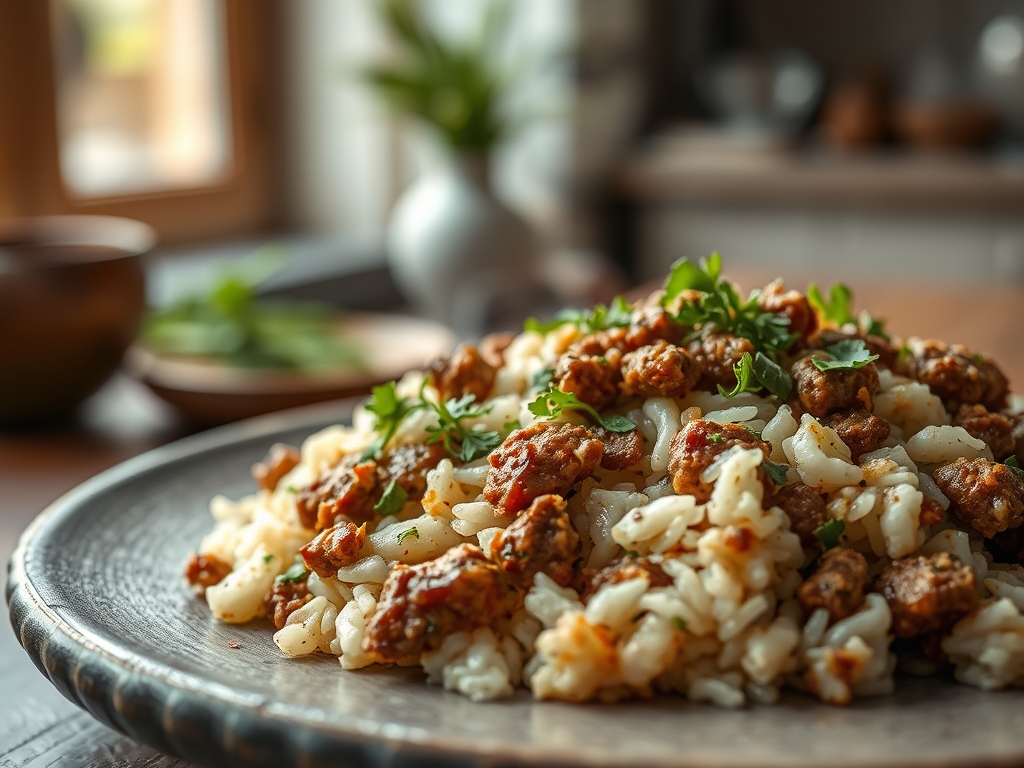
The sizzle of protein hitting a heavy bottomed skillet is the universal soundtrack of a successful Tuesday night. When you are craving comfort but your brain is fried from a long day, easy rice and ground beef recipes are the ultimate culinary lifeline. We are talking about salty, savory, and deeply satisfying meals that bridge the gap between gourmet technique and pantry staple reality.
Imagine the aroma of rendered fat mingling with toasted grains. It is a scent that triggers a primal hunger response. By mastering a few fundamental techniques, you can transform these humble ingredients into six distinct global profiles. Whether you want a spicy Korean inspired bowl or a classic Mediterranean skillet, the secret lies in the Maillard reaction and the perfect starch to protein ratio. We are going to elevate your weeknight rotation from "just okay" to "restaurant quality" using tools you already own and science you can taste.
The Gathers:
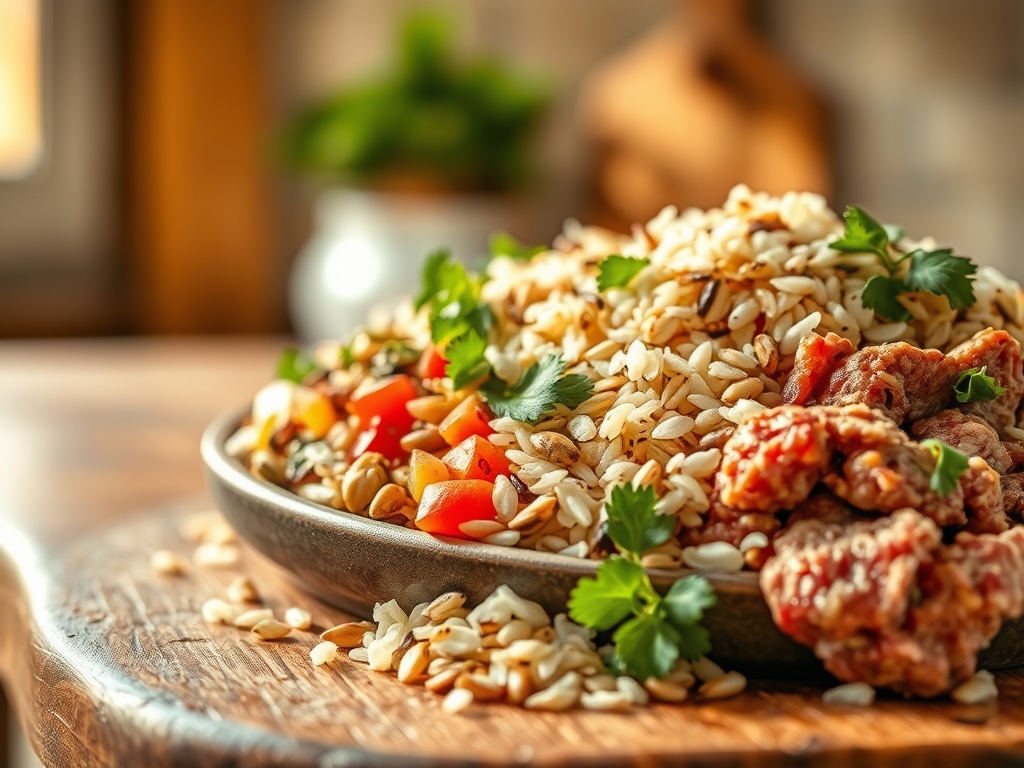
Before we ignite the burner, we must respect the mise en place. Start with high quality ground beef; ideally an 80/20 blend. This ratio ensures enough fat to render out, providing a viscous medium to toast your aromatics. For the rice, long grain varieties like Basmati or Jasmine offer the best individual grain definition, preventing the dreaded "mush" factor. Use a digital scale to measure your grains for consistent hydration levels every single time.
Your aromatics are the soul of these easy rice and ground beef recipes. You will need fresh garlic, ginger, and onions. Use a microplane to grate your ginger into a fine paste; this increases surface area and allows the essential oils to infuse the fat instantly. If you are looking for smart substitutions, consider swapping white rice for cauliflower rice to lower the glycemic index, or use ground turkey with a splash of Worcestershire sauce to mimic the umami depth of beef. For a piquant kick, keep a jar of gochujang or red curry paste in the fridge. These fermented additions provide a complex acidity that cuts through the richness of the meat.
The Clock: Mastering Chef's Flow
Efficiency in the kitchen is about overlapping tasks, a concept professional chefs call "The Flow." For these easy rice and ground beef recipes, the total active time is roughly 15 minutes, with a total "plate to table" time of 30 minutes. The trick is to start your rice first. While the grains undergo gelatinization in the pot, you tackle the protein.
Use a bench scraper to quickly clear your cutting board of chopped onions and peppers, moving them directly into the hot skillet. By the time the beef has achieved a deep, mahogany crust, your rice will be ready to fluff. This synchronized timing ensures that neither component sits long enough to lose its structural integrity. If you are using a rice cooker, you gain an extra five minutes of "buffer time" to deglaze your pan and build a pan sauce.
The Masterclass:
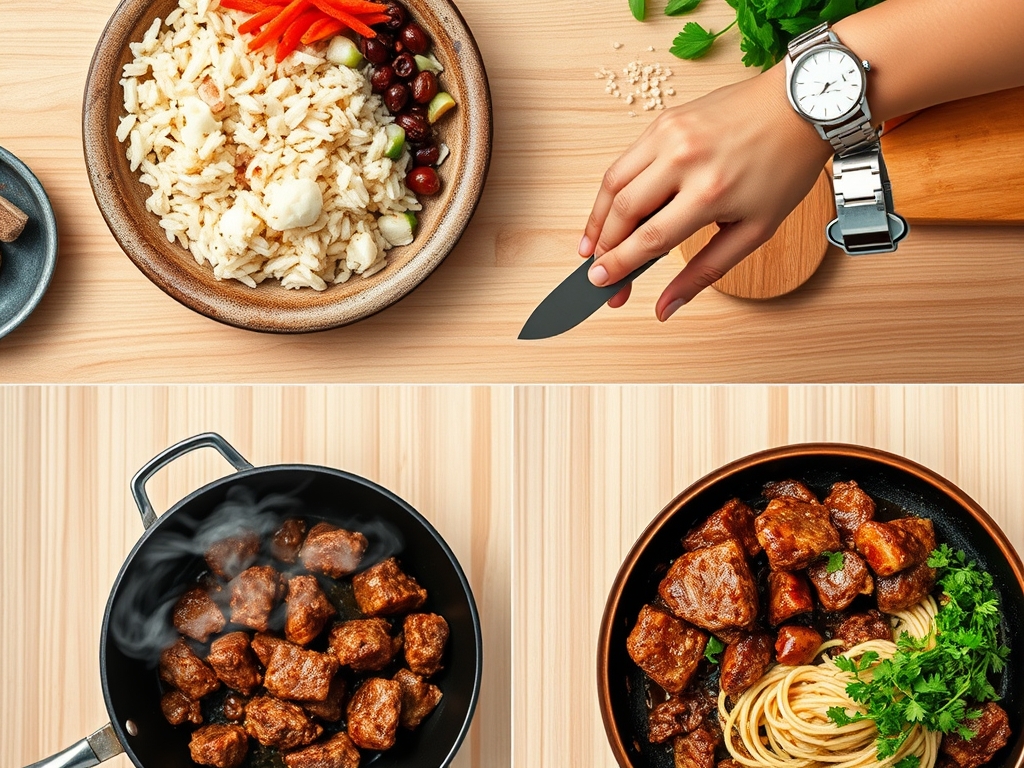
1. The Sear and Render
Place your heavy bottomed skillet over medium high heat until a drop of water dances and evaporates instantly. Add the beef in a flat disc rather than a clump. Let it sit undisturbed for three minutes to encourage enzymatic browning.
Pro Tip: This is the Maillard reaction at work. Resisting the urge to stir allows amino acids and reducing sugars to create hundreds of flavor compounds that simply do not exist in steamed meat.
2. The Aromatic Infusion
Once the meat is browned, push it to the perimeter and add your aromatics to the center. Use a wooden spoon to scrape the fond (the brown bits) from the bottom of the pan.
Pro Tip: Fat is a flavor carrier. By sautéing aromatics in the rendered beef tallow, you are using "lipid mediated extraction" to pull fat soluble flavors out of the spices and into the entire dish.
3. The Deglaze
Pour in a splash of liquid; broth, wine, or even a bit of soy sauce. Use your spatula to incorporate all that concentrated flavor back into the mixture. This creates a piquant base for your sauce.
Pro Tip: Deglazing drops the pan temperature slightly, which prevents the garlic from burning while simultaneously dissolving the caramelized proteins back into a liquid state.
4. The Starch Integration
Add your cooked rice to the skillet. Use a folding motion rather than stirring to avoid breaking the delicate grains. You want each grain to be lightly coated in the seasoned fats.
Pro Tip: This step utilizes "surface tension" to coat the starch. The fat creates a barrier that prevents the rice from absorbing too much moisture and becoming soggy.
5. The Emulsified Finish
Turn off the heat and add a cold pat of butter or a splash of heavy cream. Stir vigorously to create a glossy, viscous sauce that clings to the beef and rice.
Pro Tip: This is cold emulsification. The mechanical action of stirring incorporates the fat into the remaining liquid, creating a velvety texture without breaking the sauce.
6. The Aerated Fluff
Transfer the mixture to a serving bowl and use a fork to aerate the dish. This allows steam to escape, which prevents the rice from overcooking via thermal carryover.
Pro Tip: Thermal carryover can raise the internal temperature of your food by 5 to 10 degrees after it leaves the heat. Aerating stops this process, preserving the "al dente" bite of the grain.
The Deep Dive:
From a macro nutrition perspective, these easy rice and ground beef recipes are incredibly balanced. A standard serving provides roughly 25g of protein, 35g of carbohydrates, and 15g of fat. To make this Keto friendly, swap the rice for riced broccoli and use a higher fat beef blend. For a vegan twist, crumbled tempeh or lentils provide a similar texture, though you will need to add a touch of liquid smoke to replicate the beefy depth.
The Fix-It: Common Pitfalls
- The Mushy Mess: If your rice is gummy, you likely skipped the rinse. Always wash your rice until the water runs clear to remove excess surface starch.
- The Gray Meat: If the beef is steaming rather than searing, your pan was too crowded. Cook in batches to maintain high heat.
- The Bland Bite: If it tastes flat, it needs acidity. A squeeze of lime or a teaspoon of rice vinegar will "brighten" the flavors instantly.
For meal prep, the science of reheating is key. Rice loses moisture in the fridge through a process called retrogradation. To restore that "day one" quality, add a teaspoon of water and cover the dish with a damp paper towel before microwaving. This creates a mini steam chamber that re-hydrates the starch molecules.
The Wrap-Up:
Mastering easy rice and ground beef recipes is like having a secret weapon in your culinary apron. You now understand that it is not just about throwing things in a pan; it is about heat management, fat extraction, and starch preservation. These six variations will keep your palate excited and your kitchen smelling like a professional bistro. Go forth, grab your favorite skillet, and turn those basic ingredients into a masterpiece. You have the science, the tools, and the flavor profiles to dominate dinner tonight.
The Kitchen Table:
How do I keep ground beef from getting dry?
Avoid overworking the meat and cook it over high heat to sear the exterior quickly. Retaining the rendered fat in the pan also provides a protective coating that keeps the protein hydrated and flavorful during the final assembly.
What is the best rice for beef skillets?
Long grain Jasmine or Basmati rice is superior because the grains remain distinct and fluffy. Short grain rice contains more amylopectin, which creates a sticky, starchier texture that can turn the dish into a heavy porridge.
Can I freeze rice and ground beef meals?
Yes, but ensure the mixture has cooled completely to prevent ice crystals. Store in airtight containers for up to three months. When reheating, add a splash of broth to restore the moisture lost during the freezing process.
How do I add more flavor without more salt?
Use "umami bombs" like tomato paste, dried mushrooms, or a splash of fish sauce. These ingredients provide deep, savory notes that trick the tongue into perceiving richness and saltiness without actually increasing the sodium content significantly.