
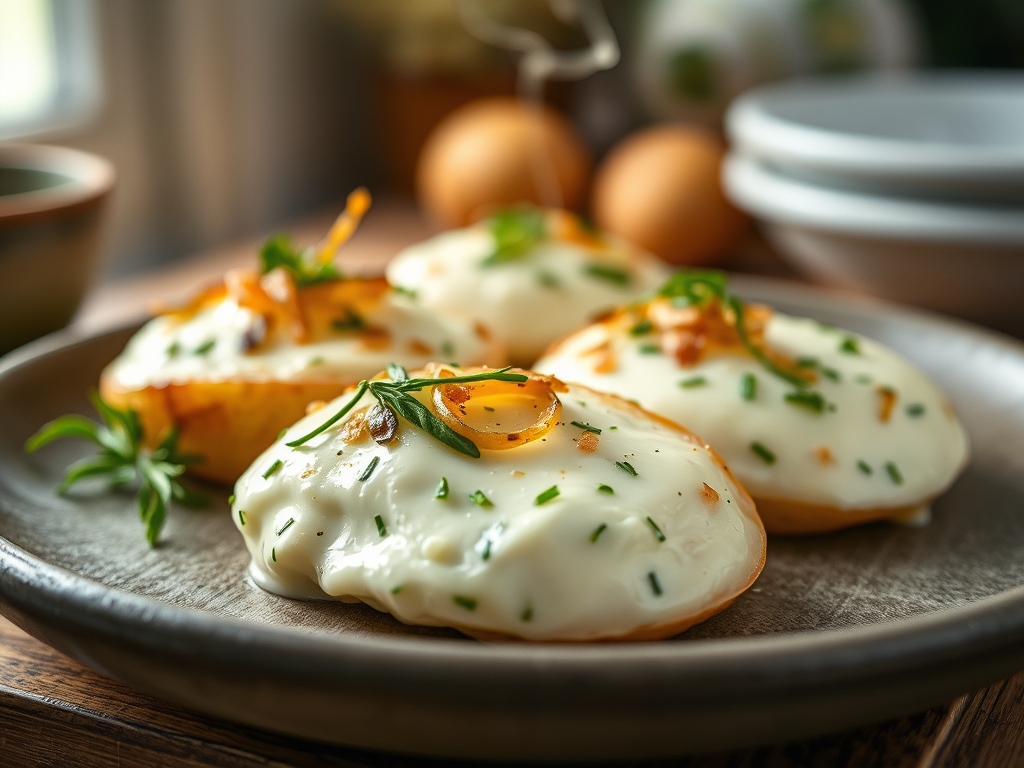
Imagine the scent of a kitchen at dusk where the earthy, grounding aroma of roasting tubers meets the sharp, lactic tang of a freshly opened foil block. It is a sensory collision that promises ultimate comfort. When you master cream cheese and potato recipes, you are not just cooking; you are engineering a structural masterpiece of starch and lipids.
The secret lies in the chemistry of the potato itself. Whether you are dealing with the high-starch fluff of a Russet or the waxy, buttery density of a Yukon Gold, the addition of cream cheese introduces a stabilizing emulsifier that transforms a humble side dish into a velvety revelation. It is the culinary equivalent of swapping a rough sketch for a high-definition oil painting. We are moving past the basic butter-and-milk routine to explore how the acidity in cream cheese interacts with potato amylopectin to create textures that are simultaneously airy and rich.
By the time we finish this deep dive, you will understand why your previous mashes were grainy and why your gratins lacked that certain piquant edge. We are elevating your weeknight staples into dinner party legends using professional techniques that ensure every bite is a balanced symphony of salt, fat, and starch. Let us get your mise-en-place ready and your oven preheated.
The Gathers:
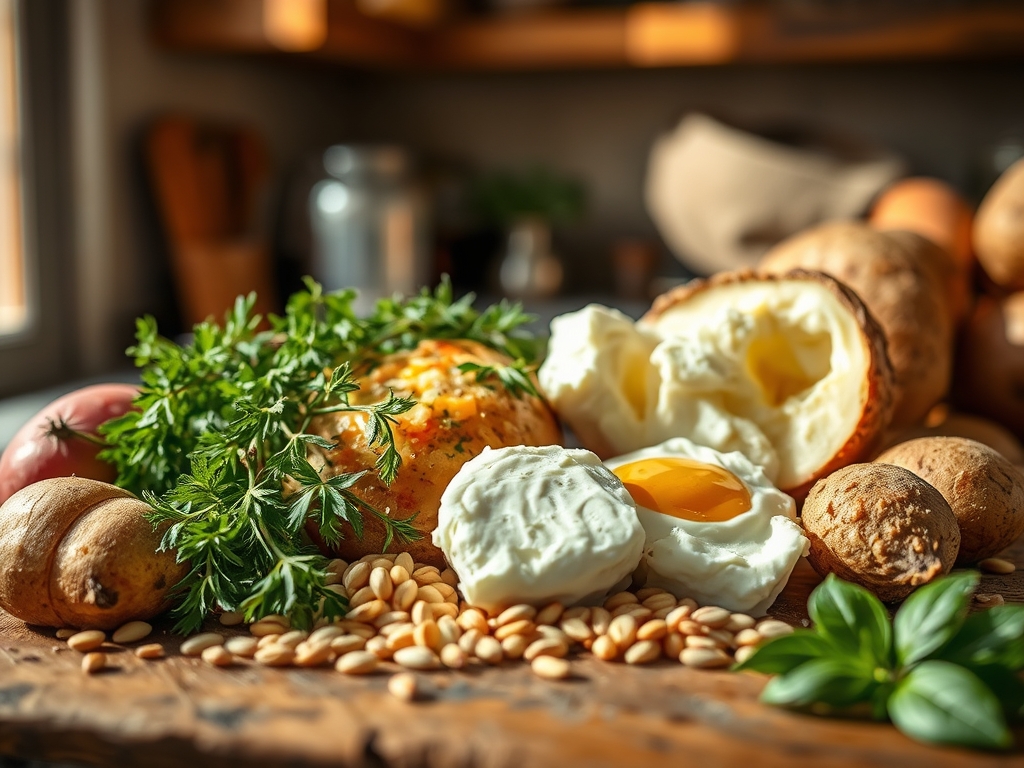
To execute these hacks with precision, your workstation must be organized with high-quality components. Start with five pounds of Russet or Yukon Gold potatoes. Russets provide the highest starch content for fluffier results; however, Yukons offer a naturally creamy yellow flesh that holds its shape during a parboil.
Your cream cheese must be full-fat and at room temperature to ensure it integrates without causing a temperature drop in your potatoes. Keep a high-quality microplane nearby for grating fresh garlic or aged Parmesan. You will also need unsalted European-style butter, which has a higher fat percentage and lower water content than standard sticks. For the liquid component, heavy cream or whole buttermilk provides the necessary viscosity.
Smart Substitutions:
If you are looking for a lighter profile, Greek yogurt can stand in for half the cream cheese, though you will lose some of the structural stability provided by the cheese's gums. For a dairy-free approach, cashew-based cream cheese alternatives offer a similar mouthfeel. If you lack fresh chives, use finely minced scallion greens to provide that essential sulfurous bite. Always use a digital scale to measure your potatoes; volume can be deceptive, but mass never lies.
The Clock
Efficiency in the kitchen is about mastering the Chef's Flow. This is the art of overlapping tasks so that no second is wasted.
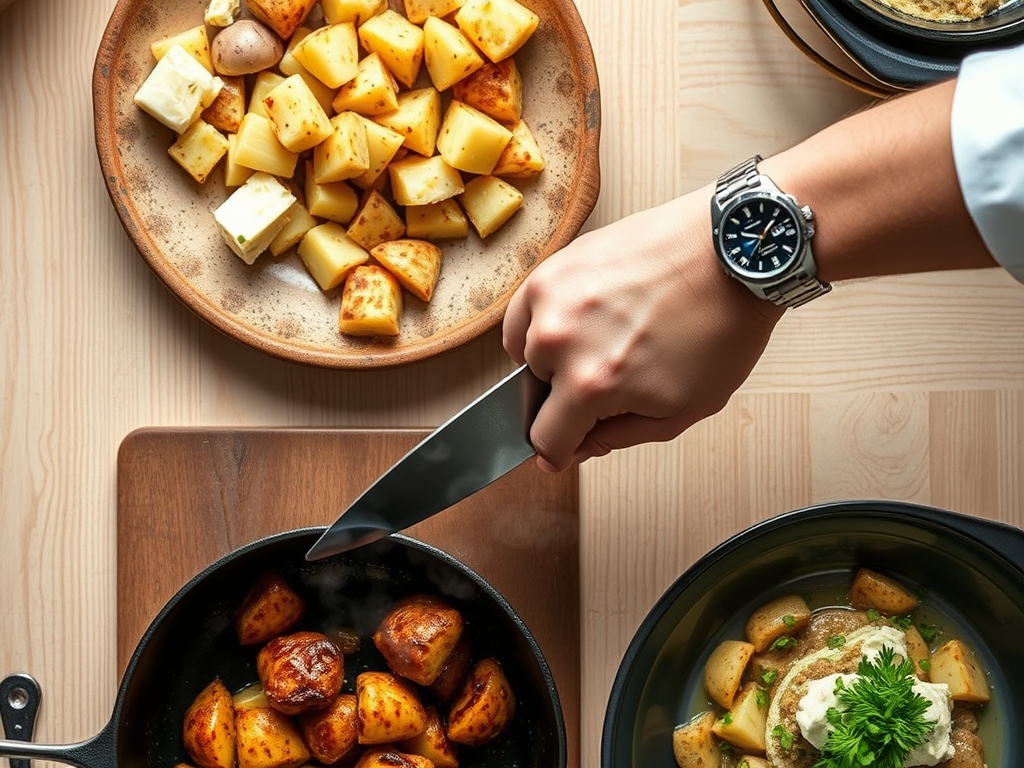
Prep Time: 20 minutes. This includes washing, peeling, and dicing. Use a sharp bench scraper to move your diced potatoes from the cutting board to the pot in one swift motion.
Cook Time: 25 to 45 minutes depending on the specific hack.
Total Time: Approximately 1 hour.
The flow begins by getting your water to a rolling boil immediately. While the potatoes undergo gelatinization in the pot, you should be softening your cream cheese and prepping your aromatics. Never wait for the potatoes to finish before you start your "flavor base." By the time the timer dings, your cream cheese should be whisked into a smooth, aerated paste ready for immediate infusion.
The Masterclass
1. The Velvet Mash
Boil your potatoes in salted water until they are fork-tender. Drain them thoroughly and return them to the warm pot for two minutes to evaporate excess moisture. Use a potato ricer for the smoothest texture, then fold in cubes of room-temperature cream cheese.
Pro Tip: This is known as steam drying. Removing residual water ensures the starch granules absorb the fat of the cream cheese rather than becoming waterlogged and gummy.
2. The Loaded Twice-Bake
Bake whole potatoes until the skins are crisp. Slice them open, scoop out the flesh, and mash it with cream cheese, bacon bits, and chives. Refill the skins and bake again at a high heat.
Pro Tip: The second bake triggers the Maillard reaction on the surface of the filling. The proteins in the cream cheese brown beautifully, creating a complex, toasted flavor profile.
3. The Creamy Gratin Infusion
Instead of a traditional roux, whisk softened cream cheese into your heavy cream before pouring it over thinly sliced potatoes in a heavy-bottomed skillet.
Pro Tip: Cream cheese acts as a stabilizer. It prevents the cream from "breaking" or curdling under the high heat of the oven, resulting in a perfectly homogenous sauce.
4. The Crispy Smashed Potato
Parboil baby potatoes, smash them flat with a meat tenderizer, and roast until crispy. Top each with a dollop of whipped cream cheese and smoked salmon.
Pro Tip: Smashing increases the surface area-to-volume ratio. This maximizes the area available for crisping while the cream cheese topping provides a cooling, fatty contrast.
5. The Stuffed Potato Croquette
Form chilled mashed potatoes around a frozen cube of herb-infused cream cheese. Bread them in panko and deep fry until golden.
Pro Tip: Using a frozen center prevents the cheese from leaking out before the exterior crust has set. This is a classic example of managing thermal conductivity.
6. The Hasselback Filling
Slice potatoes thinly but not all the way through. Pipe a mixture of cream cheese and garlic between each slice before roasting.
Pro Tip: As the potato roasts, the slices fan out. The cream cheese prevents the slices from sticking together, allowing hot air to circulate and cook the potato evenly.
7. The Creamy Potato Salad
Swap half your mayo for cream cheese in your favorite potato salad recipe. Fold it in while the potatoes are still slightly warm.
Pro Tip: Warm potatoes undergo retrogradation as they cool. Adding the cream cheese while they are warm allows the starch to "grab" the fat, creating a dressing that stays creamy instead of oily.
8. The Savory Potato Galette
Layer thinly sliced potatoes in a circular pattern, spreading a thin layer of seasoned cream cheese between every few layers.
Pro Tip: The cream cheese acts as a culinary glue. It binds the layers together, ensuring that when you slice the galette with a serrated knife, it maintains its structural integrity.
The Deep Dive
When we look at the macro nutrition of these cream cheese and potato recipes, we are looking at a balance of complex carbohydrates and fats. A standard serving provides approximately 250 to 350 calories. To make this Keto-friendly, swap the potatoes for cauliflower florets. For a Vegan version, use almond-based cream cheese and vegan butter.
The Fix-It:
- Gummy Texture: This happens if you overwork the potatoes in a food processor. Use a food mill or ricer instead. To fix it, spread the mash in a tray and bake it briefly to dry it out.
- Broken Sauce: If your gratin looks oily, the heat was too high. Whisk in a tablespoon of cold heavy cream to re-emulsify the fats.
- Blandness: Potatoes absorb a massive amount of salt. If it tastes flat, add a squeeze of lemon juice. The acid brightens the heavy fats of the cream cheese.
Meal Prep:
To reheat, avoid the microwave if possible. Use a saucier over low heat and add a splash of milk. This restores the moisture barrier and prevents the cream cheese from becoming grainy.
The Wrap-Up
Mastering cream cheese and potato recipes is about understanding the beautiful tension between starch and fat. By utilizing tools like the potato ricer and techniques like steam drying, you elevate a simple root vegetable into something truly gourmet. Whether you are whipping up a velvet mash for a Tuesday night or crafting a complex galette for a holiday feast, these hacks ensure your results are always professional. Now, grab your apron and get mashing; your kitchen is waiting for its next masterpiece.
The Kitchen Table
Can I use low-fat cream cheese for these recipes?
You can, but the texture will be less stable. Full-fat cream cheese contains more emulsifiers, which prevent the potatoes from becoming watery. If you use low-fat, do not over-boil the potatoes, as they need to stay firm.
Why are my mashed potatoes sticky like glue?
You likely over-mixed them, releasing too much starch. This happens often with blenders or food processors. To avoid this, always use a manual ricer or a hand masher to keep the starch granules intact for a fluffy finish.
How do I keep my potatoes from turning brown?
This is caused by enzymatic browning. To prevent it, keep your peeled and cut potatoes submerged in cold water until you are ready to boil them. Adding a splash of white vinegar to the water also helps.
Can I make these potato dishes ahead of time?
Yes, most cream cheese and potato recipes hold up well. Store them in an airtight container. When reheating, add a tablespoon of butter or cream to the heavy-bottomed skillet to restore the original creamy consistency and prevent drying.