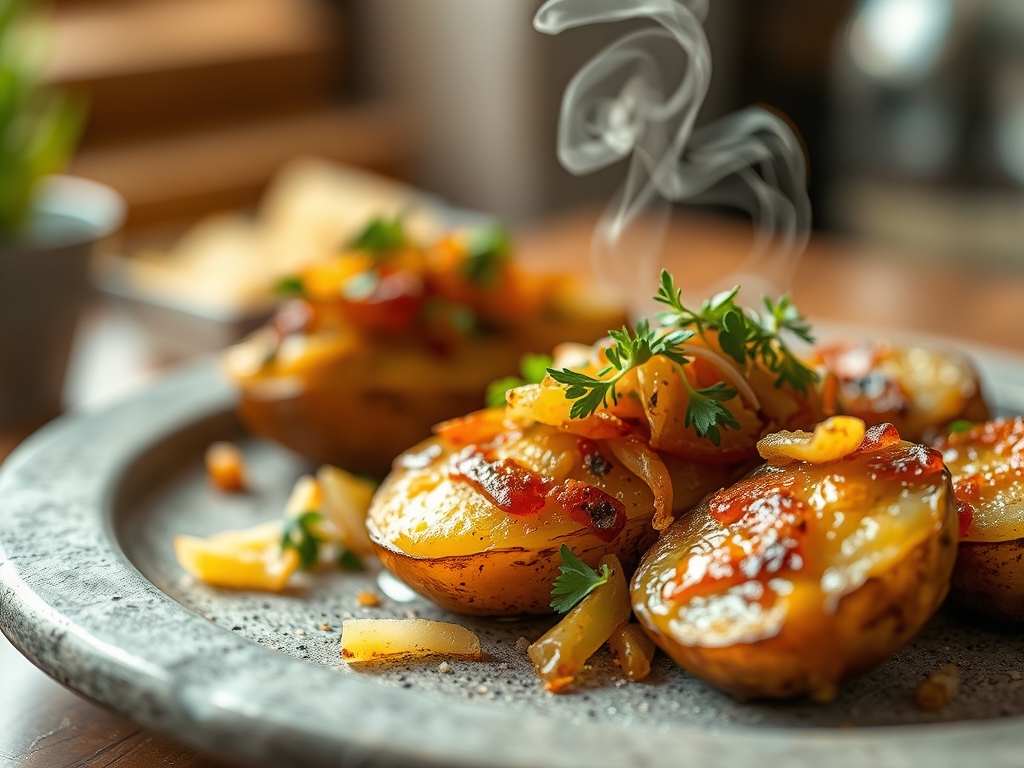
Picture a humid Texas evening where the air smells of hickory smoke and the sound of cicadas provides a steady rhythm to the clink of silverware. We are talking about the kind of starch that demands a seat at the head of the table. These texas potato recipes are not your average side dishes; they are bold, heavy-hitting staples designed to stand up to a dry-rubbed brisket or a spicy links of sausage. We are moving far beyond the basic mash to explore textures that range from glass-shattering crispness to velvet-smooth emulsions. Whether it is a loaded baked potato salad or a smoked poblano gratin, the secret lies in the marriage of high-heat searing and the creamy interior of a perfectly cured tuber. We are going to harness the power of the Maillard reaction to ensure every bite delivers that deep, savory umami that Texas cooking is famous for. Grab your heavy-bottomed skillet and let us get to work.
The Gathers:
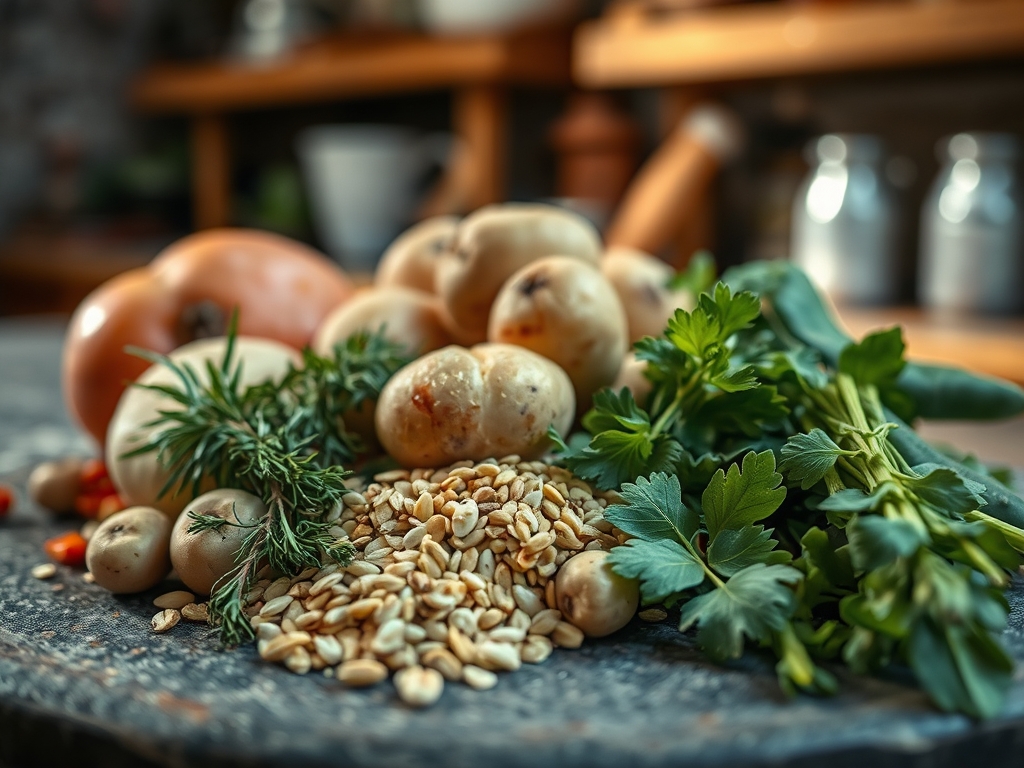
To master these texas potato recipes, your mise-en-place must be precise. Start with high-starch Russets for frying and waxy Red Bliss or Yukon Golds for salads to ensure structural integrity during boiling. You will need a high-quality fat source; think rendered beef tallow or duck fat to provide a high smoke point and a rich mouthfeel. For the piquant elements, gather fresh pickled jalapeños, sharp aged cheddar, and thick-cut smoked bacon. Your aromatics should include toasted cumin seeds, smoked paprika (pimenton), and plenty of fresh chives.
Smart Substitutions: If you are looking to lighten the profile without sacrificing the viscous texture, swap heavy cream for a high-fat Greek yogurt or coconut cream. For a vegan alternative to tallow, use an avocado oil infused with liquid smoke to mimic that campfire essence. If you lack a specific spice, remember that ground chipotle powder offers a similar heat profile to cayenne but adds a necessary earthy depth.
The Clock:
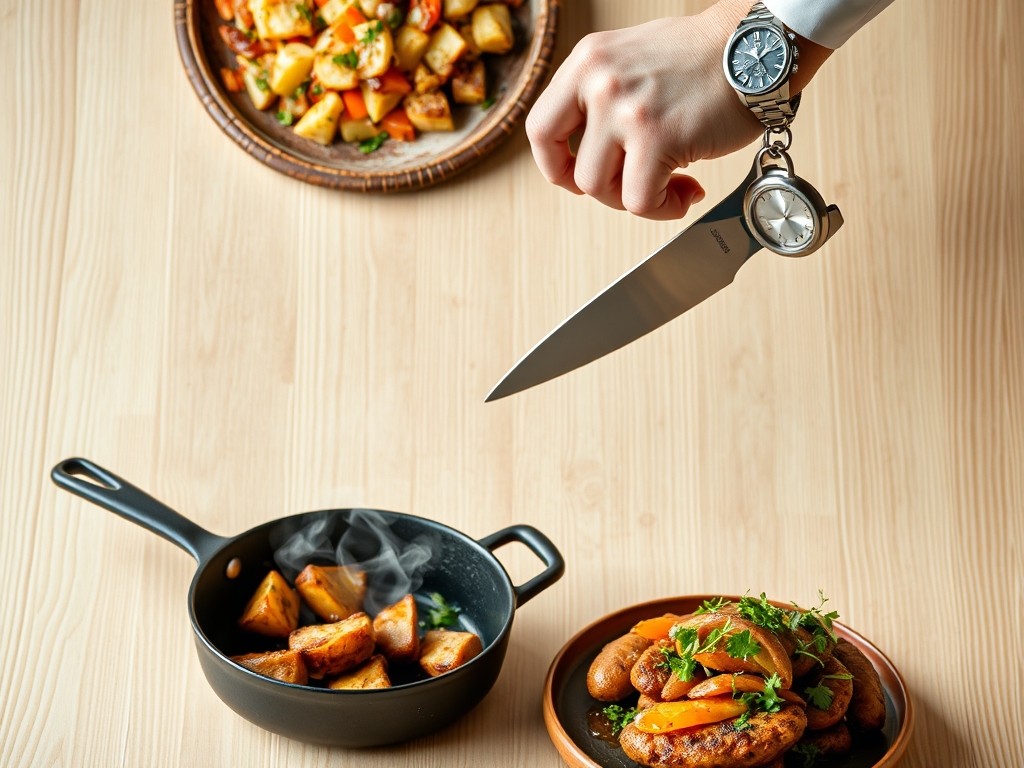
Efficiency in the kitchen is all about the Chef's Flow. Expect to spend approximately 25 minutes on active preparation, which includes washing, peeling, and precision dicing with a sharp chef's knife. Total cook time for these dishes ranges from 45 minutes for stovetop hashes to 90 minutes for slow-roasted, foil-wrapped giants.
The "flow" involves utilizing the downtime while potatoes are parboiling to grate your cheeses using a microplane and to render your bacon in a cold pan. By the time the potatoes are ready for their final sear or bake, your flavor base is already concentrated and cooling. This overlapping method ensures that you are never standing idle, and your ingredients remain at their peak enzymatic state before hitting the heat.
The Masterclass:
1. The Parboil and Rough-Up
Start by simmering your potato chunks in heavily salted water until the exterior is just tender. Use a bench scraper to transfer them to a colander and shake them vigorously. This creates a starchy "mash" on the surface of the cubes.
Pro Tip: This surface slurry increases the surface area for the Maillard reaction. When these rough edges hit hot fat, they dehydrate instantly to create a thick, crunchy crust.
2. Rendering the Fat Base
Place your diced bacon or tallow in a cold heavy-bottomed skillet and bring it to medium heat slowly. This allows the fat to render out completely before the solids burn, providing a clean cooking medium.
Pro Tip: Starting with a cold pan prevents the proteins from seizing, which ensures a more efficient extraction of lipids for a crispier potato finish.
3. The High-Heat Sear
Once the fat is shimmering, add the parboiled potatoes in a single layer. Do not overcrowd the pan. Use tongs to flip each piece only once a deep golden crust has formed.
Pro Tip: Avoid overcrowding to prevent steam buildup. If moisture cannot escape, your potatoes will undergo hydrolysis and turn mushy rather than crisping through dry-heat conduction.
4. Infusing the Aromatics
In the final three minutes of cooking, add your minced garlic, shallots, and spices. Toss them through the potatoes using a wide spatula to ensure even coating without breaking the tubers.
Pro Tip: Adding aromatics too early leads to bitterness. By waiting until the end, you infuse the oil with volatile flavor compounds without scorching the delicate garlic solids.
5. The Emulsified Finish
For dishes like Texas German Potato Salad, whisk together mustard, vinegar, and the warm rendered fat in a saucier to create a stable emulsion before pouring it over the warm potatoes.
Pro Tip: Warm potatoes absorb dressing more effectively than cold ones because the starch granules are expanded, allowing the vinaigrette to penetrate the core via osmotic pressure.
6. The Cheese Melt and Broil
Top your dishes with shredded cheese and place them under a broiler for sixty seconds. Watch for the cheese to bubble and develop small brown spots.
Pro Tip: This stage utilizes radiant heat to quickly achieve the "leopard spotting" effect, which adds a complex, toasted flavor profile to the fats in the cheese.
7. The Acidic Brightening
Just before serving, fold in fresh cilantro, green onions, or a squeeze of lime juice. This cuts through the richness of the fats.
Pro Tip: Acid acts as a palate cleanser. It breaks down the perception of heavy fats on the tongue, making the overall dish feel balanced rather than cloying.
8. The Resting Phase
Allow the dish to sit for five minutes before serving. This is crucial for structural stability.
Pro Tip: This allows for thermal carryover, where the internal temperature stabilizes and the steam inside the potato redistributes, preventing a watery texture when the potato is sliced.
The Deep Dive:
When we look at the macro nutrition of these texas potato recipes, we are looking at a high-energy fuel source. A standard serving provides roughly 350 calories, with a focus on complex carbohydrates and heart-healthy fats if using avocado or olive oil. To make these Keto-friendly, swap the potatoes for cauliflower florets but maintain the same roasting and seasoning techniques. For a Vegan version, use nutritional yeast and cashew cream to replicate the savory "funk" of aged cheddar.
The Fix-It:
- Soggy Potatoes: Usually caused by residual moisture. Fix: Toss them back into a dry, hot pan for two minutes to evaporate the excess water.
- Burnt Spices: If your paprika turns black and bitter, you cannot undo it. Fix: Balance the bitterness with a pinch of sugar and a heavy splash of cream to coat the palate.
- Broken Sauce: If your potato salad dressing separates, it is a temperature issue. Fix: Add a teaspoon of warm water and whisk vigorously in a separate bowl before reintroducing the potatoes.
Meal Prep: To maintain "day-one" quality, reheat your potatoes in an air fryer or toaster oven at 375 degrees. Avoid the microwave, as it vibrates water molecules and turns the starch into a gummy, rubbery mess.
The Wrap-Up:
Mastering texas potato recipes is about embracing the bold, the salty, and the smoky. It is a technical dance between moisture control and high-heat execution. By understanding the science of starch and the importance of fat rendering, you transform a humble root vegetable into a culinary powerhouse. Now, get into that kitchen, fire up the stove, and show those potatoes who is boss. Your friends are going to be begging for the "secret" ingredient, but we both know it is just good old-fashioned chemistry and a little bit of Texas soul.
The Kitchen Table:
Which potato is best for Texas-style potato salad?
Yukon Gold potatoes are ideal. Their medium-starch content allows them to hold their shape after boiling while still providing a creamy, buttery texture that absorbs dressings without becoming grainy or falling apart during the mixing process.
How do I get my roasted potatoes extra crispy?
The secret is parboiling them in alkaline water (add a pinch of baking soda). This breaks down the surface pectin, creating a starchy slurry that dehydrates into a thick, glass-like crunch once roasted in hot fat or tallow.
Can I make these recipes ahead of time?
Yes, but store the components separately. Roast your potatoes and store them in an airtight container. Reheat them in a hot oven or air fryer to restore the crispness before adding fresh toppings, cheese, or acidic dressings.
Why do my potatoes turn brown before I cook them?
This is enzymatic browning caused by oxidation. To prevent this, keep peeled or cut potatoes submerged in cold water until you are ready to cook. This blocks oxygen from reaching the surface enzymes and keeps the flesh white.