
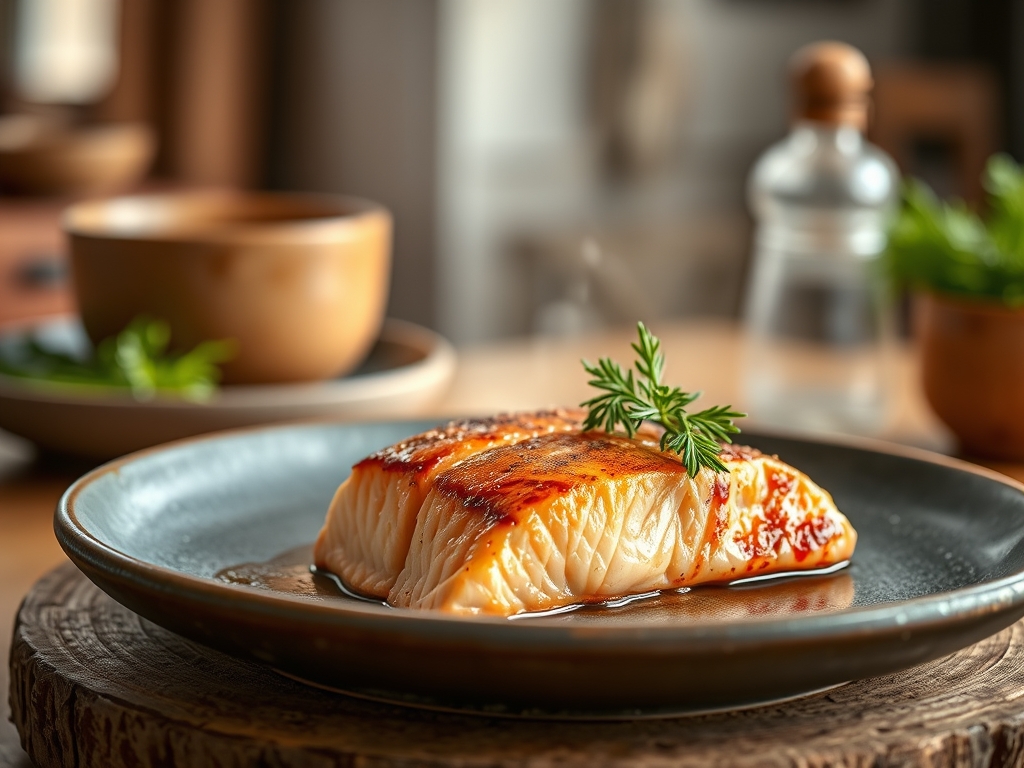
Walking into the warehouse feels like a culinary treasure hunt; the air is crisp and the industrial hum of the refrigeration units promises something spectacular. When you reach the seafood section, that massive side of Atlantic fillet isn't just a bulk purchase. It is a blank canvas for high-performance nutrition. Mastering costco salmon recipes is the ultimate life hack for the modern kitchen. You are looking for that specific shade of vibrant coral and a firm texture that bounces back when pressed. We are going to transform that single, oversized package into six distinct flavor profiles that will make your Tuesday night feel like a five-star dining experience. Grab your sharpest knife and your heavy-bottomed skillet; we are about to dive into the molecular magic that turns a simple protein into a masterpiece of texture and taste.
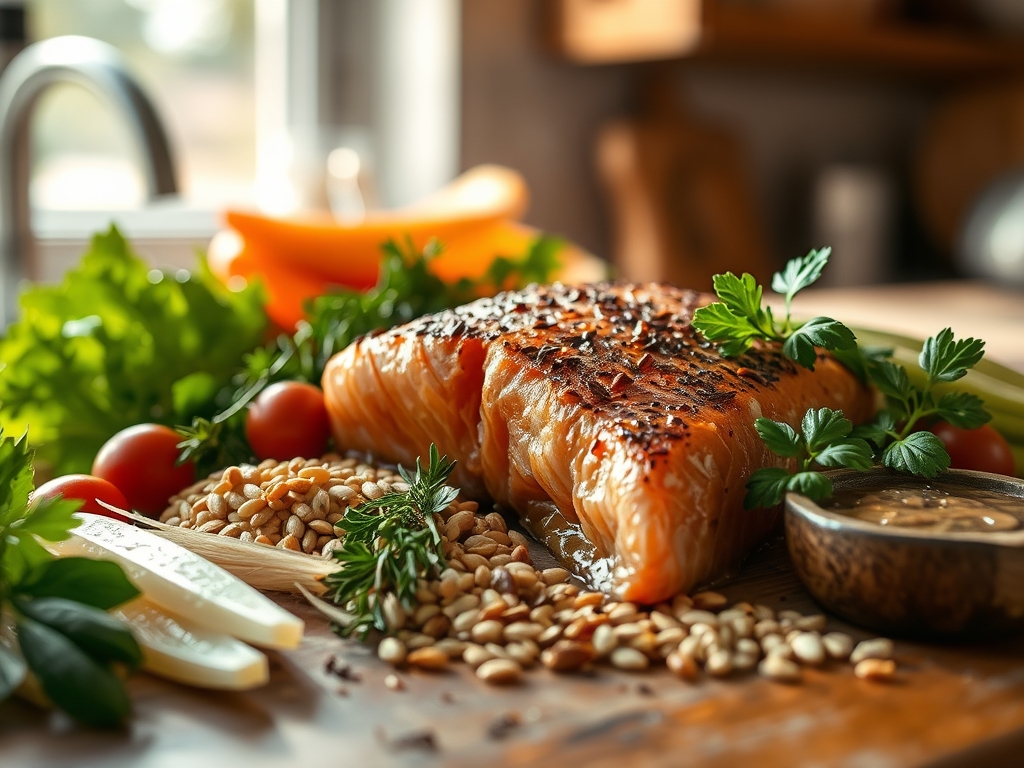
The Gathers:
To execute these hacks, your mise-en-place must be precise. Start with the centerpiece: a three-pound side of Costco salmon, which we will portion into six-ounce fillets using a stainless steel bench scraper for clean, vertical cuts. You will need a high-smoke-point fat like avocado oil or clarified butter to ensure the Maillard reaction occurs without scorching the delicate lipids. For the aromatics, gather fresh ginger, garlic cloves, and a bunch of scallions. We will use a microplane to create a fine paste, increasing the surface area for maximum flavor infusion.
Smart Substitutions: If you are watching your sodium, swap traditional soy sauce for liquid aminos or coconut aminos; the latter adds a subtle sweetness that mimics a viscous glaze. For a dairy-free creamy element, full-fat coconut milk provides the necessary saturated fats to emulsify into a piquant sauce without the need for heavy cream. Always keep a box of coarse kosher salt nearby; the larger crystals allow for better tactile control when seasoning, preventing the over-salting often caused by fine table salt.
The Clock:
Efficiency in the kitchen is about the Chef's Flow, which is the art of overlapping tasks to minimize downtime. Total active prep for all six hacks takes approximately 25 minutes if you portion the fish immediately upon returning from the store. Each individual cooking method ranges from a lightning-fast six-minute sear to a twelve-minute gentle roast.
The secret to a stress-free evening is the "rest period." You must account for five minutes of resting time after the fish leaves the heat. This allows the internal muscle fibers to relax and reabsorb the juices. If you cut into the fillet the second it leaves the pan, the moisture will migrate to the plate, leaving the protein dry and fibrous. Use a digital scale to ensure even portions; uniform thickness means uniform cooking times across the board.
The Masterclass:
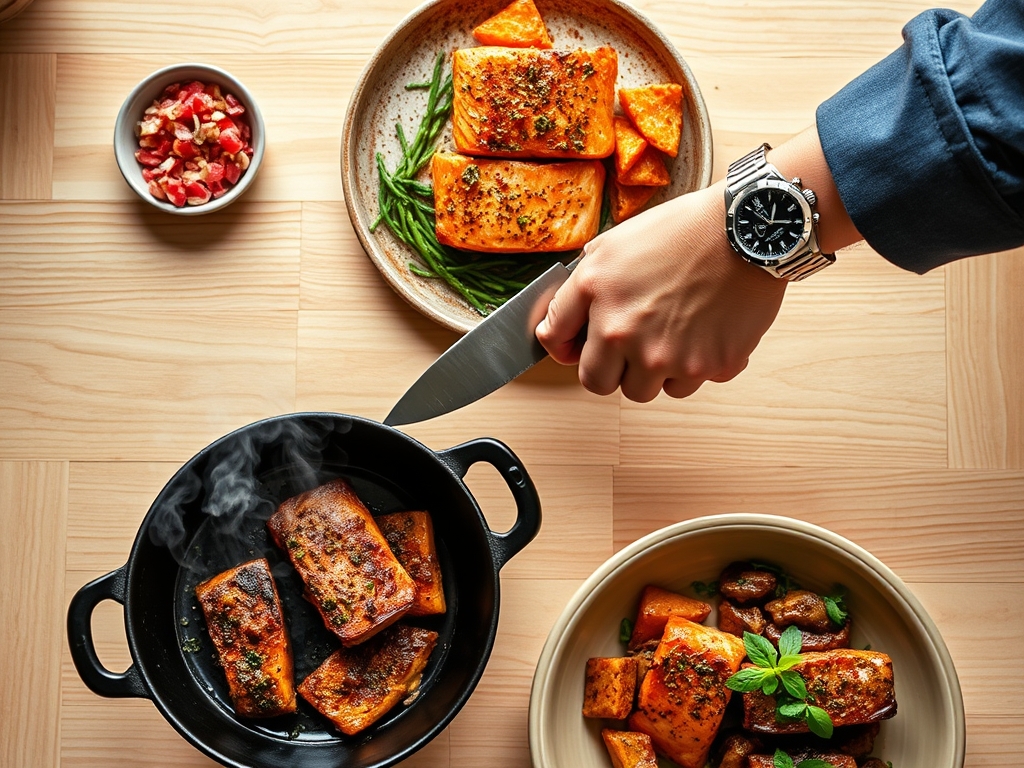
1. The Crispy Skin Technique
Start by patting the skin bone-dry with paper towels. Place the fillet skin-side down in a cold, heavy-bottomed skillet with a teaspoon of oil, then turn the heat to medium-high. This allows the fat to render slowly as the pan heats up. Use your metal tongs to press the fish down for the first thirty seconds to prevent the skin from curling.
Pro Tip: This method utilizes conductive heat transfer. By starting cold, you prevent the protein from seizing up, which ensures the skin becomes a glass-like wafer rather than a rubbery layer.
2. The Honey-Garlic Glaze
Whisk together honey, minced garlic, and a splash of apple cider vinegar in a small saucier. Brush this over the salmon during the last three minutes of roasting at 400 degrees Fahrenheit. The sugars will begin to caramelize, creating a sticky, protective barrier that locks in moisture.
Pro Tip: This is the Maillard reaction in overdrive. The amino acids in the fish react with the reducing sugars in the honey to create hundreds of new flavor compounds that taste savory and toasted.
3. The Parchment Paper Steam
Place a fillet on a square of parchment paper with lemon slices, dill, and a splash of dry white wine. Fold the edges tightly to create a sealed pouch. Bake at 375 degrees for ten minutes. This method is incredibly forgiving and produces the most tender results.
Pro Tip: This technique uses convection and steam. The moisture trapped inside the pouch creates a high-pressure environment that cooks the fish evenly without the risk of oxidation or drying out.
4. The Pesto Crust
Slather the top of a raw fillet with a thick layer of basil pesto and a dusting of almond flour. Air fry at 380 degrees for eight minutes. The almond flour absorbs the oil from the pesto, creating a crunchy, savory crust that contrasts beautifully with the flaky interior.
Pro Tip: The fats in the pesto act as an insulator. They protect the delicate proteins from the direct, high-velocity hot air of the air fryer, ensuring the interior remains succulent.
5. The Miso-Maple Marinade
Whisk white miso paste with maple syrup and a drop of toasted sesame oil. Marinate the salmon for at least thirty minutes before broiling. The miso provides a deep umami profile that balances the sweetness of the syrup.
Pro Tip: Miso is a fermented product containing active enzymes. These enzymes help to slightly break down the tough connective tissues in the fish, resulting in a "melt-in-your-mouth" texture.
6. The Everything Bagel Roast
Brush the salmon with a thin layer of Dijon mustard and coat generously with "Everything Bagel" seasoning. Roast at 425 degrees for seven minutes. The mustard acts as a "glue" and adds a sharp, piquant bite that cuts through the richness of the fish.
Pro Tip: This hack relies on thermal carryover. If you pull the fish when it reaches an internal temperature of 130 degrees, it will rise to the perfect 135 degrees while resting on the counter.
The Deep Dive:
From a nutritional standpoint, these costco salmon recipes are a powerhouse. A six-ounce serving provides roughly 34 grams of high-quality protein and is loaded with Omega-3 fatty acids, which are essential for brain health and reducing inflammation. If you are following a Keto lifestyle, focus on the pesto and crispy skin hacks. For a Vegan-adjacent option, the miso marinade works beautifully on firm tofu or thick cauliflower steaks.
The Fix-It:
- White Stuff Appearing: This is albumin, a protein that squeezes out when the fish is cooked too fast or too high. Fix: Lower your heat and use a meat thermometer to avoid overcooking.
- Skin Sticking: This happens when the pan isn't seasoned or the fish is moved too early. Fix: Wait for the protein to naturally release from the pan surface before flipping.
- Bland Flavor: Salmon is high in fat and needs acid to shine. Fix: Always finish with a squeeze of fresh lemon or a dash of vinegar to brighten the palate.
For meal prep, reheating salmon can be tricky. The secret is to avoid the microwave, which turns the fats rancid and the texture rubbery. Instead, place the leftover fillet in a pan with a tablespoon of water, cover it, and steam it on low heat for three minutes. This restores the moisture and preserves the "day-one" quality.
The Wrap-Up:
Transforming your bulk purchase into these six costco salmon recipes is the ultimate way to eat well without the stress. We have covered the science of the sear, the chemistry of the glaze, and the precision of the prep. Whether you are craving the crunch of a pesto crust or the delicate aromatics of a parchment pouch, you now have the professional toolkit to make it happen. Go ahead; show that salmon who is boss and enjoy every nutrient-dense, flavorful bite.
The Kitchen Table:
How do I stop salmon from smelling fishy?
Freshness is key, but you can also soak the fillets in cold milk for twenty minutes. The proteins in the milk bind to the trimethylamine oxide, the compound responsible for that "fishy" odor, and neutralize it completely.
Can I cook Costco salmon from frozen?
Yes, but for the best texture, use the air fryer or oven. Increase the cook time by 50 percent and ensure you season halfway through once the surface has thawed enough for the spices to adhere properly.
What is the best way to store leftover salmon?
Place leftovers in an airtight glass container immediately after cooling. It will stay fresh in the refrigerator for up to three days. Avoid plastic containers, as they can retain odors and do not provide a superior seal.
Is the gray part of the salmon safe to eat?
Absolutely. That dark layer is the "fatty strip" or lateral line. It is incredibly high in Omega-3s and iron. While it has a stronger flavor, it is one of the most nutrient-dense parts of the fish.