
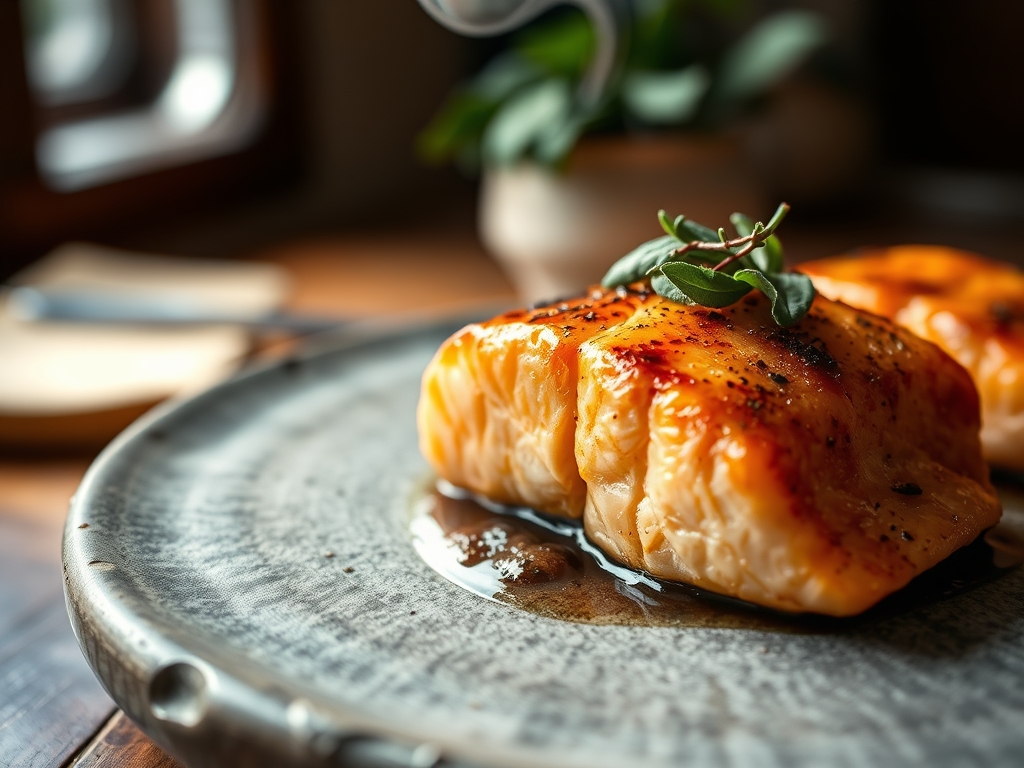
Imagine the sharp, salty air of the North Pacific hitting your face while a slab of king salmon sits on your counter, its flesh the color of a sunset over the Gulf of Alaska. This is not your average grocery store find; this is a wild caught masterpiece that demands respect and a bit of kitchen chemistry to truly shine. Mastering sitka salmon recipes requires more than just heat; it requires an understanding of how cold water lipids react to the flame. We are going to transform that pristine fillet into a butter poached, pan seared triumph that will make your dinner guests question why they ever settled for anything else.
The secret lies in the fat content. Wild Sitka salmon is packed with omega 3 fatty acids that provide a viscous mouthfeel and a deep, oceanic sweetness. When you hit the pan, we are looking for that perfect Maillard reaction, the chemical bridge between amino acids and reducing sugars that creates a savory crust. We are moving beyond basic seasoning into the realm of professional culinary styling where texture is just as important as taste. Grab your apron and your favorite heavy bottomed skillet; we are about to turn your kitchen into a high end bistro.
The Gathers:
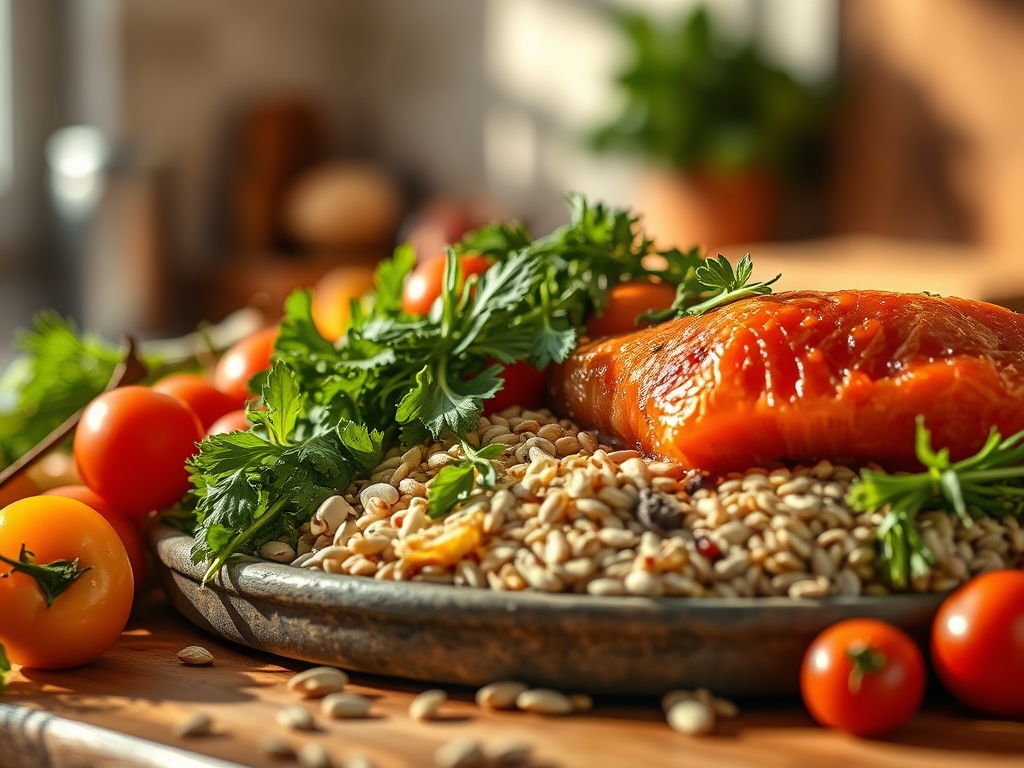
To execute these sitka salmon recipes with precision, your mise en place must be flawless. Start with your primary protein: a 1.5 pound side of wild Sitka salmon, ideally skin on to protect the delicate flesh during the rendering process. You will need high quality fats, specifically unsalted European style butter for its lower water content and a high smoke point oil like avocado or grapeseed oil. For the aromatics, gather fresh sprigs of thyme, three cloves of garlic, and a bright lemon for its piquant acidity.
Your tool kit is just as vital as your ingredients. You will need a digital scale for precise portioning; a microplane to zest the lemon without hitting the bitter white pith; and a sharp flexible boning knife to check for any stray pin bones. For the sauce, a small saucier is preferred over a standard saucepan because its rounded bottom allows a whisk to reach every corner, preventing scorching.
Smart Substitutions:
If you are out of fresh thyme, dried oregano can work, but use only a third of the amount to avoid an overpowering earthy note. If you lack avocado oil, clarified butter (ghee) is a fantastic alternative that offers the same high heat tolerance with an added nutty depth. For a dairy free version, replace the butter with a high quality vegan block that contains coconut oil for a similar emulsification profile.
The Clock
Efficiency in the kitchen is about "Chef's Flow," the art of overlapping tasks so that nothing sits idle. For these sitka salmon recipes, expect a total time of 25 minutes. Prep takes exactly 10 minutes, which includes drying the fish, mincing aromatics, and tempering the salmon to room temperature. The actual cook time is a swift 12 minutes, followed by a mandatory 3 minute rest.
The flow is simple: while the salmon tempers on the counter, you prep your aromatics. While the skillet preheats, you season. The goal is to have the table set and the wine poured before the fish ever touches the heat. Salmon is a protein of momentum; once the heat starts, the chemical changes happen rapidly.
The Masterclass
1. Temper and Desiccate
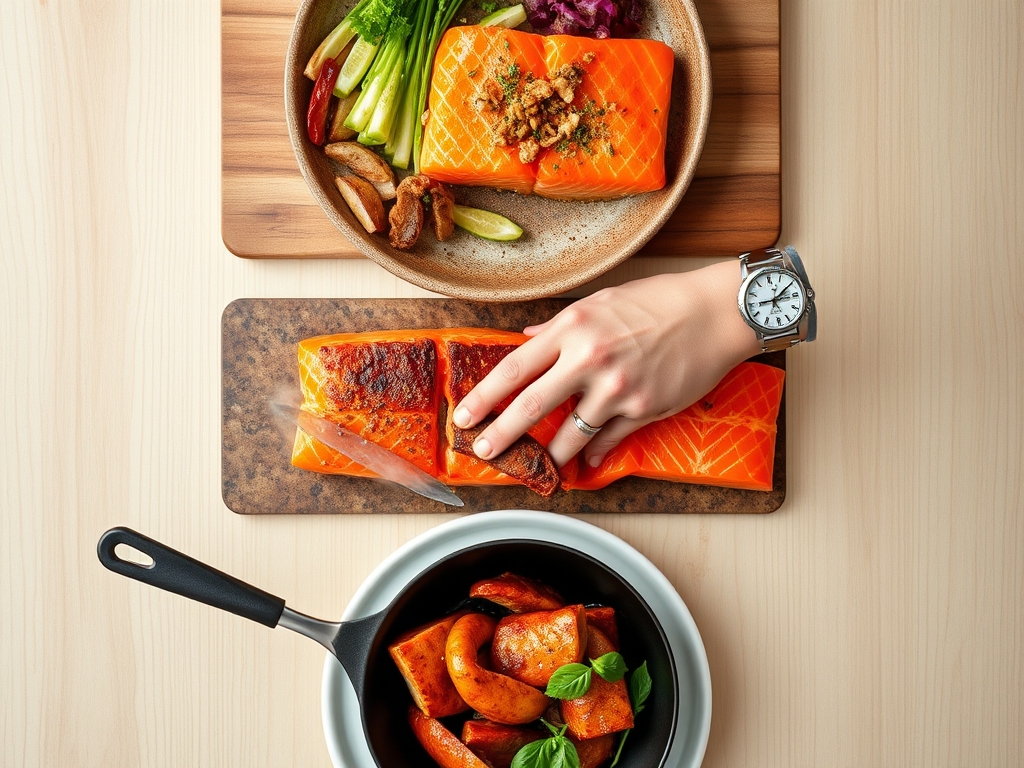
Remove your salmon from the refrigerator and pat it bone dry with paper towels. Let it sit for 15 minutes. Moisture is the enemy of a crisp crust; any surface water will turn to steam and prevent the Maillard reaction from occurring.
Pro Tip: This is called thermal equalization. By bringing the fish closer to room temperature, you ensure the center cooks through at the same rate as the exterior, preventing a raw middle and overcooked edges.
2. Season with Precision
Use a digital scale to measure your salt if you are new to this, aiming for about 1 percent of the fish's weight. Sprinkle the salt from high above to ensure even distribution. Do not add pepper yet; black pepper can burn in a hot skillet and turn acrid.
Pro Tip: Salt acts as a denaturant. It begins to break down the tightly wound proteins on the surface, allowing them to cross link more effectively when they hit the heat, creating a sturdier, crunchier crust.
3. The Cold Start Sear
Place your heavy bottomed skillet over medium high heat with a thin layer of oil. Once the oil shimmers, place the salmon skin side down. Use a fish spatula to press firmly for 30 seconds to prevent the skin from curling.
Pro Tip: Pressing the fish ensures maximum surface contact. This facilitates even heat transfer and prevents the steam from getting trapped under the skin, which would otherwise result in a rubbery texture.
4. The Butter Baste
When the skin is crisp and the flesh has cooked two thirds of the way up the side, add two tablespoons of butter, smashed garlic, and thyme to the pan. Tilt the skillet and use a large spoon to continuously pour the foaming butter over the raw top of the fish.
Pro Tip: This technique, known as arroser, uses the hot butter to gently cook the top of the fillet. The milk solids in the butter undergo enzymatic browning, adding a toasted, nutty flavor profile to the delicate meat.
5. The Carryover Rest
Remove the salmon from the pan when the internal temperature hits 125 degrees Fahrenheit. Place it on a wire rack rather than a flat plate to keep the skin crisp. Let it rest for three minutes before serving.
Pro Tip: This accounts for thermal carryover. The residual heat will continue to cook the fish, bringing it to a perfect medium rare of 130 to 135 degrees while allowing the muscle fibers to relax and reabsorb juices.
The Deep Dive
When it comes to nutrition, Sitka salmon is a powerhouse. A standard 6 ounce serving provides roughly 34 grams of high quality protein and over 2,000 milligrams of Omega 3s. It is naturally Keto and Gluten Free, making it a versatile star for almost any diet. For a Vegan guest, you can apply these same searing techniques to a thick "steak" of cauliflower or a large King Oyster mushroom, using miso butter for that savory depth.
The Fix-It: Common Pitfalls
- White Gunk (Albumin): If you see white bubbles popping out of the fish, your heat is too high. This is albumin, a protein that squeezes out when muscle fibers contract too fast. Fix: Lower the heat and pull the fish earlier next time.
- Sticking Skin: If the fish won't lift, it is not ready. The proteins will naturally release from the metal once the crust is formed. Fix: Wait another 30 seconds or use a bench scraper to gently nudge it.
- Soggy Skin: This happens if you rest the fish on a flat surface where steam collects. Fix: Always rest on a wire rack or serve immediately skin side up.
Meal Prep and Reheating:
To maintain "day one" quality, never microwave salmon. The high frequency waves agitate the fat molecules too quickly, resulting in a fishy smell. Instead, reheat in a 275 degree oven with a splash of water and a foil cover to create a gentle steam chamber, preserving the viscous texture of the fats.
The Wrap-Up
You are now officially equipped to handle the crown jewel of the Pacific. These sitka salmon recipes are more than just instructions; they are a gateway to understanding the delicate balance of heat, fat, and timing. Remember to trust your senses: listen for the sizzle, watch for the color change, and always respect the rest. Go ahead and show off those new skills; your kitchen is now the best seafood spot in town.
The Kitchen Table
Can I use frozen Sitka salmon for these recipes?
Yes, but you must thaw it completely in the refrigerator for 24 hours. Once thawed, pat it extremely dry with paper towels to ensure the skin can still achieve a crisp, professional sear in the skillet.
What is the best way to prevent salmon from smelling fishy?
Freshness is key, but you can also rinse the fillet in cold water and pat it dry. The "fishy" smell comes from trimethylamine; a quick squeeze of lemon juice after cooking will neutralize these compounds effectively.
Do I have to leave the skin on?
While optional, keeping the skin on acts as an insulator, protecting the delicate flesh from direct heat. It also provides a structural base that makes flipping the fish with tongs or a spatula much easier without breaking the fillet.
How do I know the salmon is perfectly cooked without a thermometer?
Use a cake tester or a thin metal skewer. Insert it into the thickest part of the fish for five seconds, then touch it to your bottom lip. If it feels warm but not hot, your salmon is perfectly medium rare.