
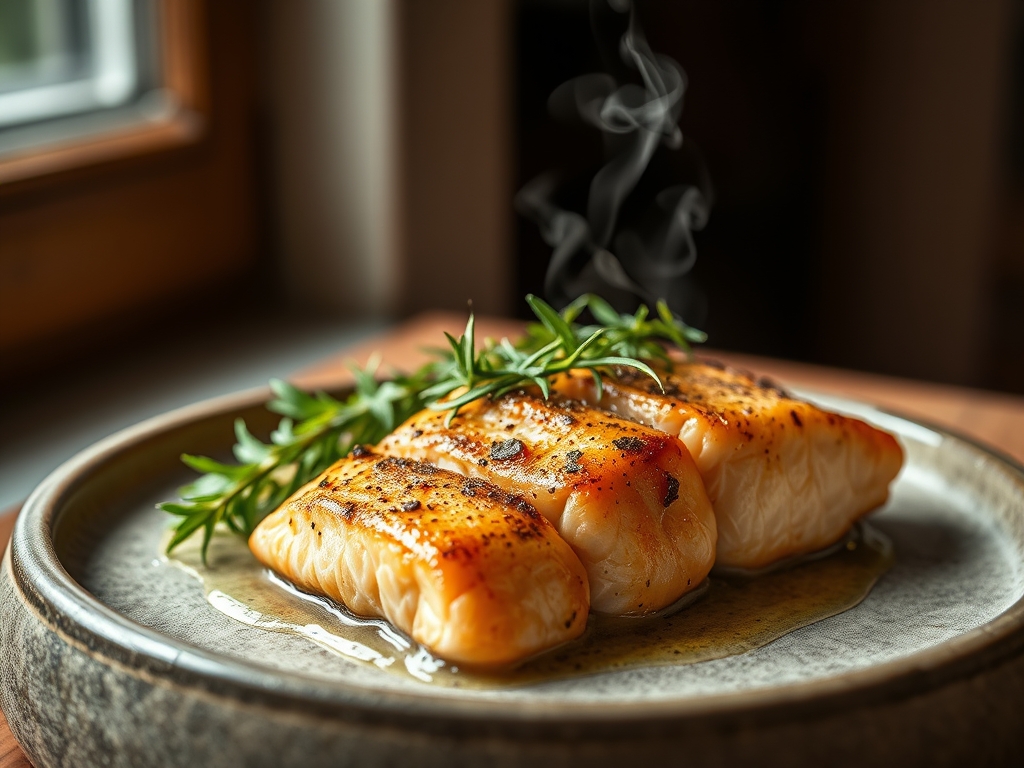
Imagine the sound of a heavy-bottomed stainless steel skillet meeting a high-heat flame; that rhythmic hiss is the precursor to a perfect sear. Finding low fodmap salmon recipes that do not sacrifice the pungent, aromatic joy of traditional cooking is a culinary puzzle. We are trading the bloat for brilliance, using molecular science to build deep, savory profiles without the traditional garlic and onion crutches.
Salmon is the crown jewel of anti-inflammatory proteins. Its high lipid content provides a luxurious mouthfeel that carries flavor across the palate. By understanding how fats interact with heat, we can create a restaurant-quality crust that rivals any bistro. This guide is your roadmap to mastering the delicate balance of gut-friendly ingredients and high-end technique. We are focusing on the Maillard reaction; that chemical dance between amino acids and reducing sugars; to ensure every bite is a masterclass in texture and taste.
Whether you are navigating a flare-up or simply looking for a clean, nutrient-dense dinner, these nine variations on a theme will transform your kitchen into a sanctuary of flavor. We are not just cooking; we are engineering a better way to eat. Grab your apron and your sharpest chef's knife. It is time to dive into the chemistry of the perfect catch.
The Gathers:
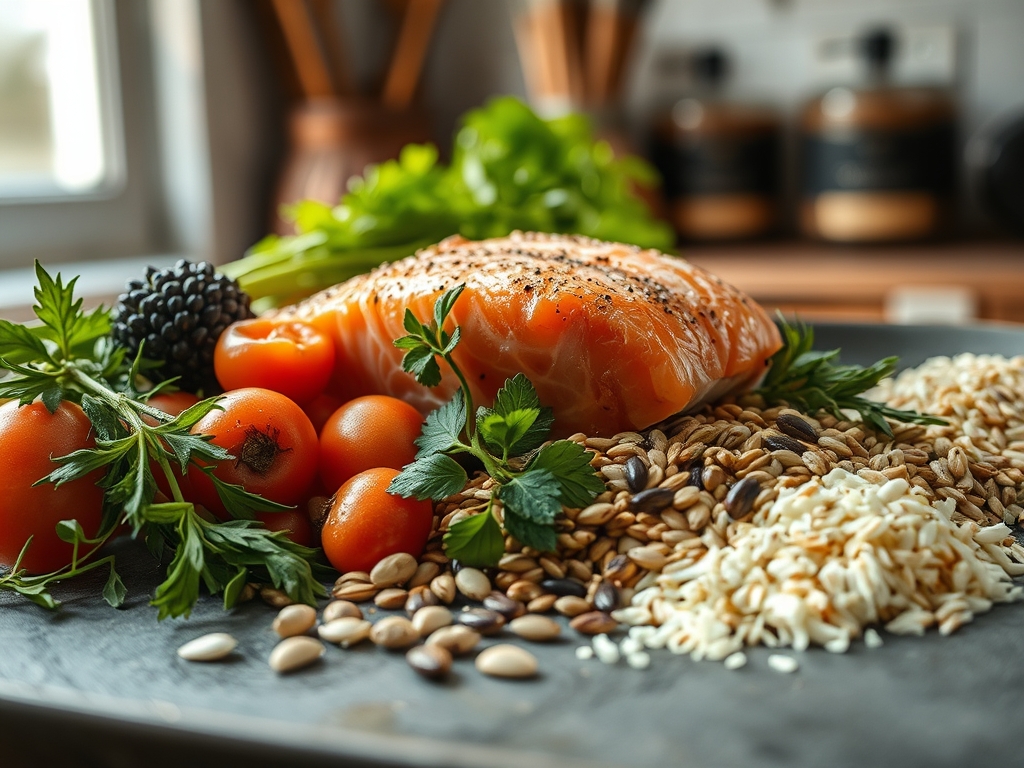
Setting up your mise-en-place is the difference between a chaotic kitchen and a professional flow. For these low fodmap salmon recipes, your primary protein should be center-cut Atlantic or Sockeye fillets. Look for vibrant, firm flesh that bounces back when pressed. You will need a high-quality fat with a high smoke point, such as avocado oil or clarified butter (ghee), to achieve that elusive golden crust without burning the milk solids.
For the aromatic base, we utilize the green tops of scallions and leeks. These contain the flavor compounds we crave without the fructans found in the white bulbs. A microplane is essential here for zesting fresh ginger and lemon; this increases the surface area of the ingredients, allowing them to infuse the oil more rapidly. You will also need a digital scale to ensure precise ratios for our maple-mustard glazes and herb-infused oils.
Smart Substitutions:
If you miss the depth of garlic, use a garlic-infused olive oil. The fructans in garlic are water-soluble but not oil-soluble; this means the flavor hitches a ride on the fat molecules while the irritants stay behind. Swap soy sauce for liquid aminos or tamari to keep the dish gluten-free and lower in sodium. For a piquant kick, reach for capers or a splash of rice wine vinegar to provide the acidity usually provided by shallots.
The Clock
Efficiency in the kitchen is about heat management and timing. Prep time for these recipes averages fifteen minutes, primarily focused on knife work and measuring liquids. The actual cook time is remarkably brief; usually six to eight minutes per side. This rapid turnaround is due to the high thermal conductivity of salmon fat.
Chef's Flow: Start by tempering your fish. Remove the fillets from the refrigerator twenty minutes before cooking. If the protein is too cold, the exterior will overcook before the center reaches the target temperature. Use this time to prepare your sides, such as steamed bok choy or a quinoa pilaf. By the time your skillet is screaming hot, your mise-en-place should be lined up like soldiers, ready for the fast-paced execution of the sear.
The Masterclass
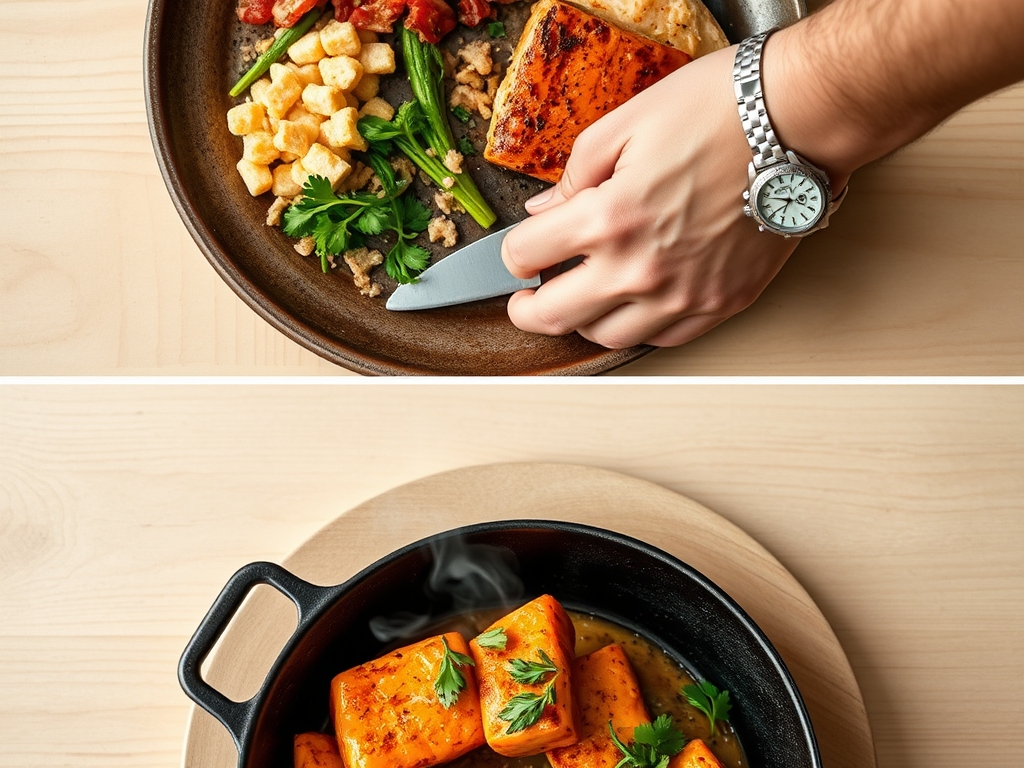
1. The Desiccation Phase
Pat the salmon skin bone-dry with paper towels. Moisture is the enemy of the sear; any water left on the surface will turn to steam, preventing the Maillard reaction from occurring.
Pro Tip: This is about thermodynamics. Water evaporates at 212 degrees Fahrenheit, while browning happens above 300 degrees. If the surface is wet, the temperature won't rise high enough to crisp the skin.
2. The Oil Shimmer
Heat your heavy-bottomed skillet over medium-high heat. Add your oil and wait for it to shimmer and just begin to smoke. This indicates the oil is viscous enough to coat the pan evenly and provide a non-stick barrier.
Pro Tip: Using a pan with high thermal mass, like cast iron, prevents the temperature from dropping when the cold fish hits the surface. This ensures a consistent, high-heat environment.
3. The Initial Press
Place the salmon skin-side down. Use a flexible fish spatula to press down firmly for thirty seconds. This prevents the skin from curling as the proteins contract under heat.
Pro Tip: This technique ensures maximum surface-area contact. When the skin proteins denature, they tend to shrink; pressing them flat guarantees an even, potato-chip-crunch texture.
4. The Gentle Render
Lower the heat slightly to medium. Allow the fat under the skin to render out slowly. This fat acts as a frying medium, essentially confitting the skin in its own oils.
Pro Tip: This is called "rendering." By slowing the heat, you allow the subcutaneous fat to liquefy, which bastes the meat from the bottom up and creates a barrier against overcooking.
5. The Flip and Kiss
Once the skin is crisp and the flesh has turned opaque halfway up the side, use tongs to gently flip the fillet. Cook for only one to two minutes on the second side.
Pro Tip: This is the "kiss" of heat. We rely on thermal carryover; the internal temperature will continue to rise by five degrees after you remove it from the pan. Aim for an internal pull temp of 125 degrees for a perfect medium-rare.
6. The Deglaze and Emulsify
Remove the fish and turn off the heat. Add a splash of white wine or lemon juice to the pan to deglaze. Use a whisk to incorporate a knob of cold butter or a spoonful of Dijon mustard.
Pro Tip: This creates a pan sauce through emulsification. The acid loosens the browned bits (fond) from the bottom, while the fat creates a smooth, glossy coating that clings to the fish.
The Deep Dive
From a macro perspective, salmon is a powerhouse. A six-ounce portion provides roughly 34 grams of protein and 22 grams of healthy fats, primarily Omega-3 fatty acids. This makes it an ideal centerpiece for Keto or Paleo diets. For a vegan twist, the same searing techniques and low fodmap glazes can be applied to firm tofu or oyster mushrooms, though the cook times will vary.
The Fix-It:
- The Skin is Soggy: You likely crowded the pan. This creates a steam tent. Cook in batches to allow moisture to escape.
- The Fish is Dry: You missed the carryover window. Pull the fish when it still looks slightly translucent in the very center.
- The Glaze Burned: Sugar-based glazes (like maple) should only be added in the final sixty seconds of cooking. High heat will carbonize sugars, turning them bitter.
Meal Prep: To reheat without turning your salmon into rubber, avoid the microwave. Use a low oven (275 degrees) with a splash of water in the dish, covered with foil. This creates a gentle steam environment that rehydrates the protein fibers without tightening them.
The Wrap-Up
Mastering low fodmap salmon recipes is about embracing the elegance of simplicity. When you strip away the heavy aromatics, you are left with the pure, buttery essence of the fish and the bright, clean notes of fresh herbs and citrus. It is a sophisticated way to cook that respects both your palate and your digestive system. Use your tools with confidence, trust the science of the sear, and remember that the best meals are the ones that make you feel as good as they taste.
The Kitchen Table
Can I use frozen salmon for these recipes?
Yes, but thaw it completely in the refrigerator first. Pat it exceptionally dry to remove excess moisture from the freezing process. This ensures the proteins aerate and sear rather than boiling in their own juices.
What is the best low fodmap substitute for onion?
Use the green parts of scallions or chives. They provide a similar sulfurous bite without the fructans. For a deeper flavor, try a pinch of asafoetida (hing) sautéed in oil, which mimics cooked onions perfectly.
Why does my salmon have white stuff on it?
That white substance is albumin, a protein that squeezes out when the fish is cooked too fast or too long. To minimize this, brine the fish in salt water for ten minutes before cooking to tighten the exterior fibers.
Is salmon skin actually healthy to eat?
Absolutely. The skin contains the highest concentration of Omega-3 fatty acids. When seared correctly using the rendering technique, it becomes a crisp, flavorful component that adds essential texture to your low fodmap salmon recipes.