
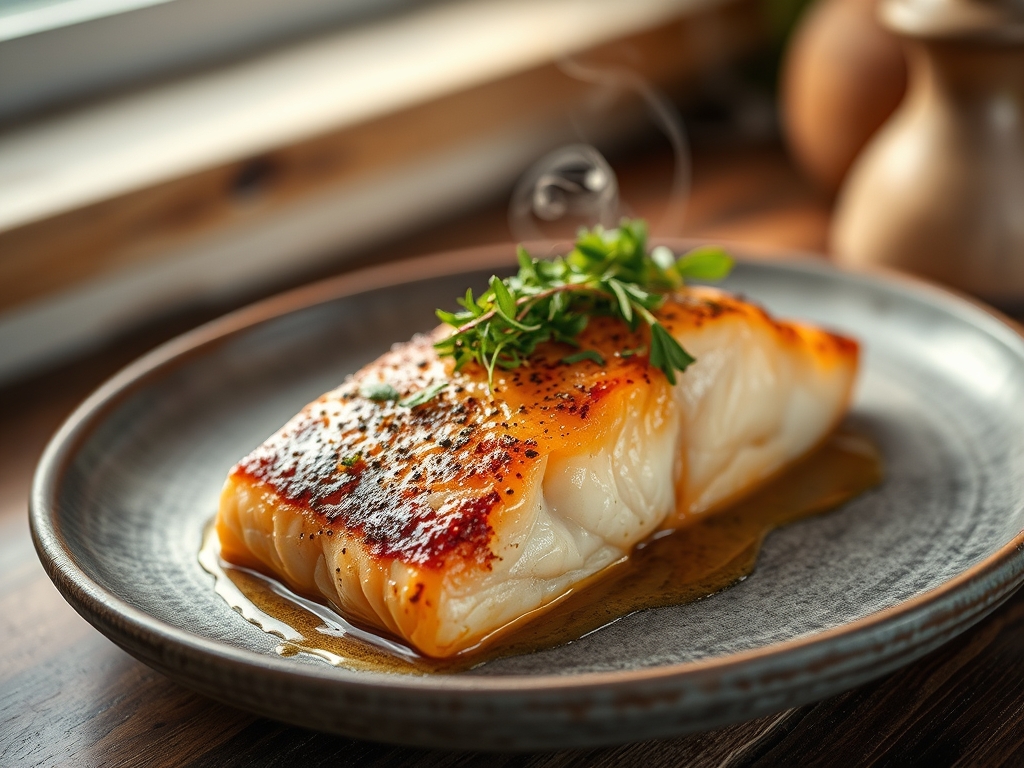
Picture a heavy-bottomed skillet resting on a blue flame; the air is thick with the scent of toasted sesame and sea salt. When you master savory salmon recipes, you are not just cooking dinner; you are performing a delicate dance of heat and lipids. The goal is a glass-like skin and a center that yields like butter.
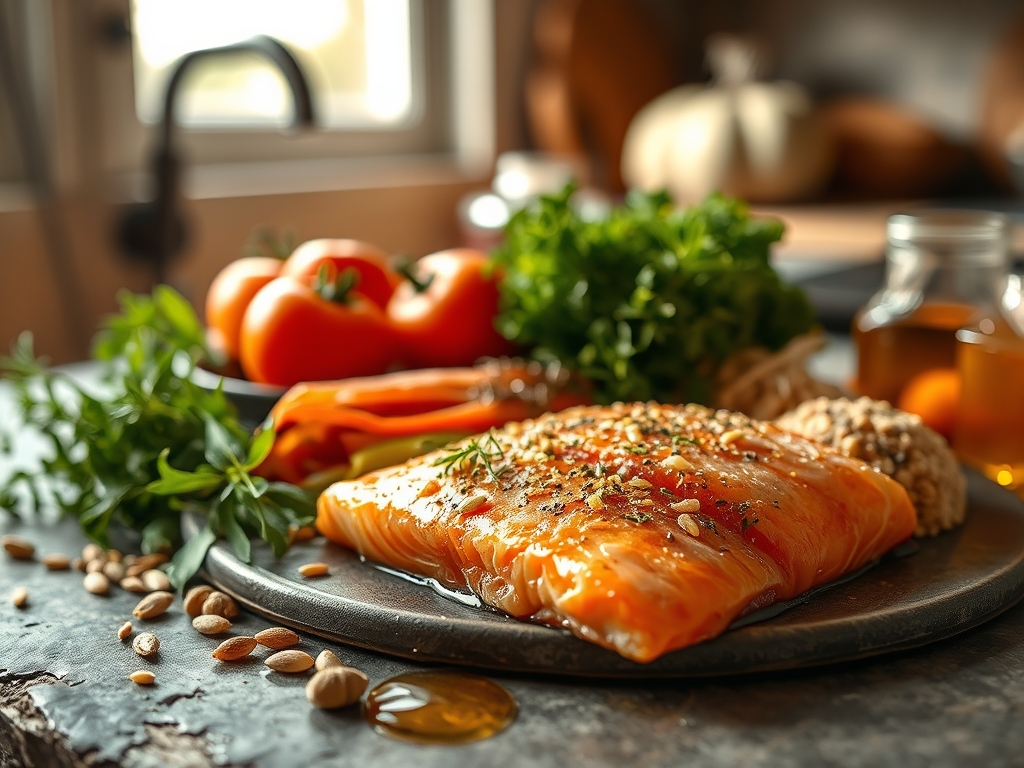
The Gathers:
To execute these savory salmon recipes with precision, your mise-en-place must be flawless. We start with the protagonist: center-cut fillets, preferably Atlantic or King for their high intramuscular fat content. You will need a microplane for zesting citrus and grating aromatics like ginger and garlic into a fine, viscous paste. Gather high-smoke-point fats such as avocado oil or clarified butter to ensure the Maillard reaction occurs without the oil breaking down into acrid compounds.
For the flavor profile, we lean into umami heavy hitters. Keep white miso, tamari, and maple syrup close at hand. The science here is simple: the sugars in the syrup will caramelize at 320 degrees Fahrenheit, while the proteins in the miso undergo enzymatic browning.
Smart Substitutions:
If you are out of tamari, coconut aminos offer a similar salty-sweet profile with a lower glycemic index. No fresh lemons? A splash of rice wine vinegar provides that necessary piquant acidity to cut through the fatty acids of the fish. If you prefer a crunch, swap traditional breadcrumbs for crushed macadamia nuts to maintain a keto-friendly profile while adding a rich, nutty depth.
The Clock
Efficiency in the kitchen is about Chef's Flow, the art of overlapping tasks so no heat is wasted. Prep time for these savory salmon recipes averages fifteen minutes; this includes the time to temperate your fish. Never cook salmon straight from the fridge. Cold proteins seize when they hit a hot pan, resulting in uneven cooking and a "tight" texture.
The cook time is a rapid eight to twelve minutes. We use the 70/30 rule: seventy percent of the cooking happens on the skin side to render the subcutaneous fat and create a thermal barrier. The remaining thirty percent is a gentle finish on the flesh side. Total "active" time is less than thirty minutes, making this a high-yield, low-stress endeavor for any weeknight.
The Masterclass
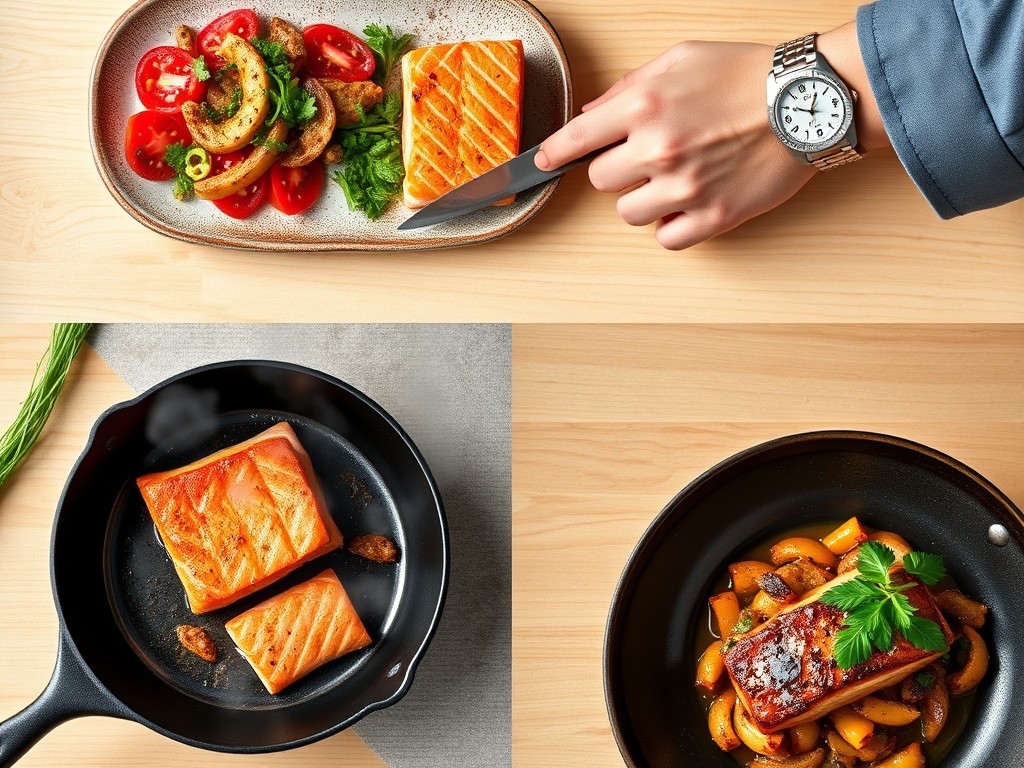
1. The Desiccation Phase
Use a paper towel to pat the skin bone-dry. Moisture is the enemy of crispiness; any water on the surface will turn to steam, preventing the skin from reaching the temperatures required for browning.
Pro Tip: This is the "Leidenfrost Effect" in reverse. By removing surface moisture, you allow the skin to bond directly with the hot oil, creating a shatteringly crisp texture.
2. The Sear and Render
Heat your heavy-bottomed skillet until the oil shimmers. Lay the salmon away from you to avoid splashes. Use a flexible fish spatula to press down firmly for the first thirty seconds. This prevents the skin from curling as the proteins contract.
Pro Tip: Pressing the fish ensures maximum surface area contact, facilitating even thermal conduction across the entire fillet.
3. The Deglaze and Infuse
Once the skin is crisp, toss in a knob of butter, crushed garlic, and thyme. As the butter foams, use a large spoon to baste the hot fat over the raw top of the fish. This is called arrosage.
Pro Tip: Basting creates a gentle, convective heat that cooks the top of the fillet without toughening the delicate muscle fibers.
4. The Carryover Rest
Remove the fish when a digital thermometer reads 125 degrees Fahrenheit for medium-rare. Transfer it to a warm plate and let it sit for three minutes.
Pro Tip: Thermal carryover will increase the internal temperature by another 5 to 7 degrees. Resting allows the internal juices to redistribute, ensuring the moisture stays in the fish rather than on the plate.
The Deep Dive
When we look at the macro nutrition of savory salmon recipes, we are talking about a powerhouse of Omega-3 fatty acids and high-quality protein. A standard six-ounce portion provides roughly 34 grams of protein and 20 grams of healthy fats. It is naturally gluten-free and fits perfectly into Keto or Paleo lifestyles. For a vegan "swap," large slices of king oyster mushrooms can be prepared using these exact same techniques to mimic the savory, meaty texture of the fish.
The Fix-It:
- The White Gunk (Albumin): If you see white streaks, you have cooked the fish too fast and too hot, squeezing the protein out. Fix: Lower the heat and pull the fish earlier next time.
- Soggy Skin: This happens if you move the fish too early. Fix: Let it sear undisturbed until it naturally releases from the pan.
- Sticking: Your pan wasn't hot enough before adding the fat. Fix: Use a bench scraper to gently lift the fish and ensure the pan is at the "shimmer" point before starting.
Meal Prep Science:
To reheat salmon without it smelling like a gym locker, avoid the microwave. The high-frequency waves agitate water molecules too violently, drying out the fats. Instead, use a low oven (275 degrees) with a splash of water covered in foil to create a gentle steam chamber. This preserves the viscous mouthfeel of the original meal.
The Wrap-Up
Mastering savory salmon recipes is your ticket to being the most sophisticated cook in your circle. It is about understanding the chemistry of fat and the precision of timing. Once you have the "sear and baste" technique down, you can pivot from miso-glazes to herb-crusted masterpieces with total confidence. Grab your tongs and your favorite skillet; it is time to turn a simple fillet into a culinary event.
The Kitchen Table
How do I tell if salmon is done without a thermometer?
Gently press the top of the fillet with a fork. If the flakes begin to separate (lamellae) and the flesh is opaque but still moist in the center, it is perfectly cooked.
Why does my salmon skin always stick to the pan?
Usually, the pan is too cold or the skin is too wet. Ensure the oil is shimmering and the skin is bone-dry. Don't flip until the fish releases naturally from the surface.
Can I use frozen salmon for these recipes?
Yes, but thaw it completely in the refrigerator first. Pat it exceptionally dry, as frozen fish tends to release more moisture during the thawing process than fresh fillets.
What is the best oil for searing salmon?
Use oils with a high smoke point like avocado, grapeseed, or canola. Avoid extra virgin olive oil for high-heat searing, as it will smoke and turn bitter before the skin crisps.