
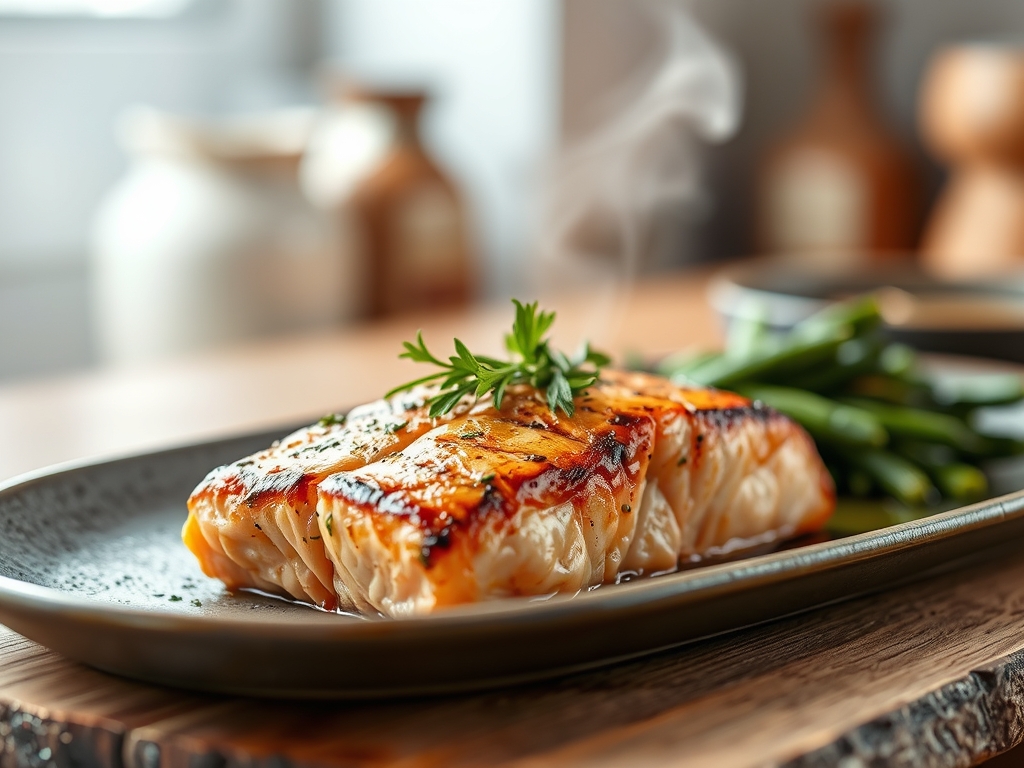
Imagine the scent of cedar smoke mingling with the sharp, citrusy spray of a freshly sliced Meyer lemon as it hits a blistering grate. There is something primal and deeply sophisticated about the way fire transforms a cold fillet into a masterpiece. If you have been hunting for grilled red salmon recipes that actually deliver that restaurant-grade crust without the heartbreak of sticking, you have found your sanctuary. Red salmon, or Sockeye, is the marathon runner of the sea; its flesh is lean, muscular, and packed with astaxanthin, the antioxidant that gives it that iconic, neon-crimson hue. Unlike its fattier cousin, the King salmon, Sockeye requires a precision strike of heat to remain succulent. We are not just cooking dinner tonight; we are mastering the thermodynamics of protein. Get ready to turn your backyard into a high-end bistro as we dive into the chemistry of the perfect sear.
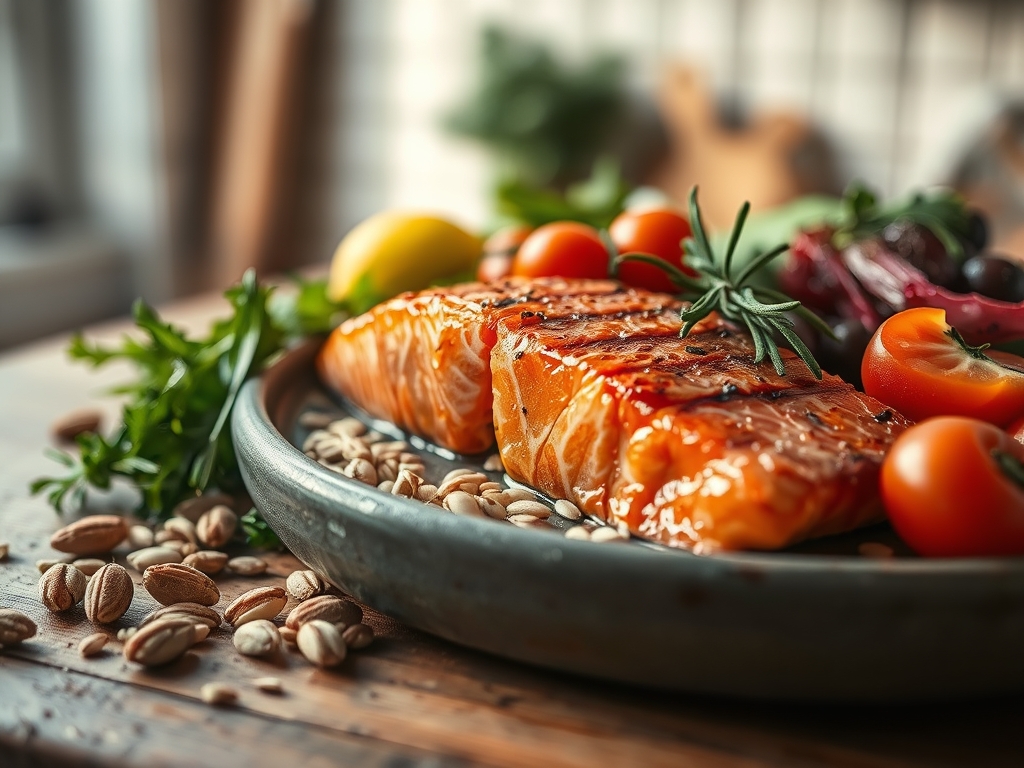
The Gathers:
Before we ignite the first coal, your mise-en-place must be flawless. Start with two pounds of wild-caught red salmon fillets. You will need a high-smoke-point oil, such as avocado or grapeseed oil, to act as a conductive medium between the metal and the skin. For the aromatics, gather fresh dill, three cloves of garlic, and a single shallot. Use your microplane to zest two lemons; the essential oils in the zest are more volatile and fragrant than the juice alone. You will also need coarse kosher salt and cracked black pepper to create a textural crust.
Smart Substitutions: If you cannot find fresh dill, use tarragon for a piquant, licorice-like finish. For those avoiding nightshades, swap the traditional paprika in your dry rub for ground sumac to maintain that vibrant red aesthetic while adding a bright, acidic punch. If you are out of avocado oil, refined coconut oil works beautifully, though it adds a very faint, tropical sweetness that pairs exceptionally well with lime.
The Clock
Efficiency in the kitchen is all about the Chef's Flow. This entire process takes exactly 40 minutes from fridge to table. Prep work requires 15 minutes of focused effort, including the time to pat the fish dry and prepare your herb compound butter. The actual cook time is a swift 10 to 12 minutes, depending on the thickness of your fillets.
The "Flow" dictates that you preheat your grill 20 minutes before the fish touches the grate. This ensures the heavy-duty cast iron or stainless steel grates have reached thermal equilibrium. While the grill climbs to 450 degrees Fahrenheit, use your bench scraper to clear your workstation and your digital scale to portion the fillets into uniform six-ounce cuts. Uniformity is the secret to a synchronized finish.
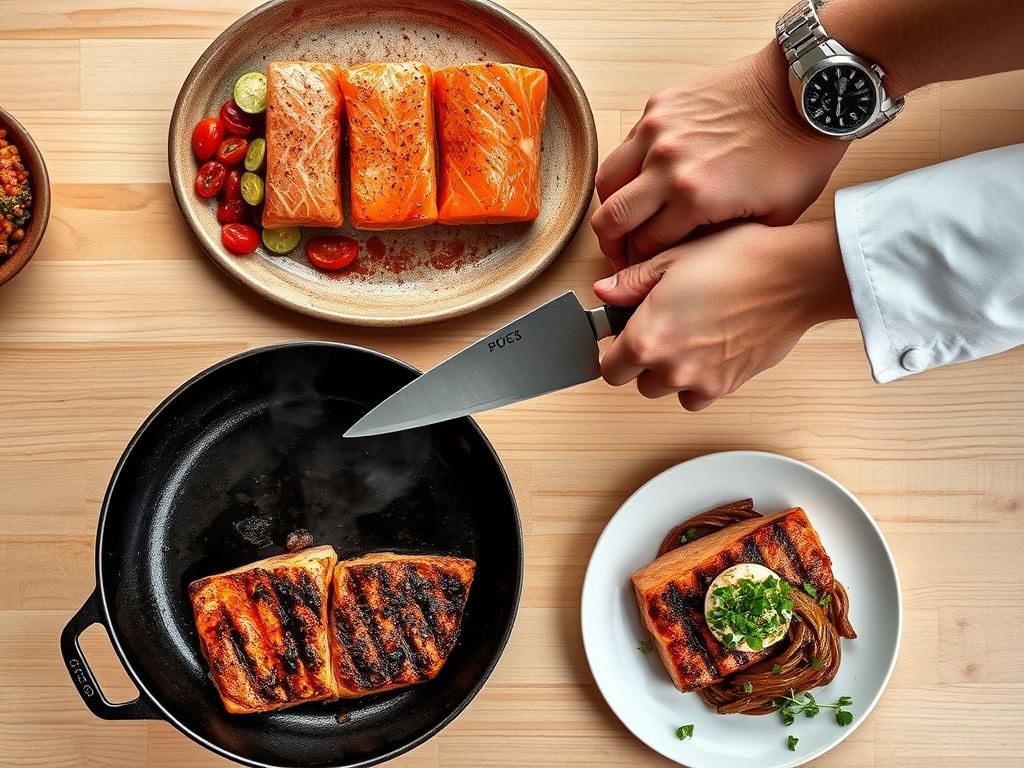
The Masterclass
1. The Desiccation Ritual
The enemy of a crispy skin is moisture. Use paper towels to press firmly onto the skin and flesh until the surface is matte.
Pro Tip: This process utilizes the principle of evaporative cooling. If the surface is wet, the grill's energy is wasted turning water into steam rather than triggering the Maillard reaction, which is the chemical dance between amino acids and reducing sugars that creates flavor.
2. The Oil Barrier
Apply a thin, viscous layer of oil to the fish, not the grill. Use your hands to ensure every crevice is coated.
Pro Tip: Applying oil directly to the fish creates a hydrophobic barrier. This prevents the protein fibers from forming a molecular bond with the metal grates, ensuring your fillet releases cleanly when flipped.
3. Precision Seasoning
Dust your fillets with salt from at least twelve inches above the board. This ensures an even distribution of crystals.
Pro Tip: Salt acts as a denaturant. It begins to break down the tightly coiled proteins on the surface, allowing them to cross-link and form a savory, dehydrated "crust" once they hit the high heat.
4. The Initial Sear
Place the salmon skin-side down on the hottest part of the grill. Close the lid to create a convection oven effect.
Pro Tip: This step focuses on rendering the subcutaneous fat. As the fat melts, it fries the skin from the inside out, turning it into a cracker-like texture that protects the delicate flesh above.
5. The Gentle Flip
Using long-handled tongs and a wide fish spatula, gently roll the fish over after about six minutes.
Pro Tip: If the fish resists, it is not ready. This is the Leidenfrost effect in reverse; the fish will naturally "self-release" once the surface proteins have carbonized sufficiently to lose their grip on the grate.
6. The Herb Infusion
During the final two minutes, place a dollop of herb butter on the seared flesh and let it melt and infuse the meat.
Pro Tip: Fat is a flavor carrier. By adding a compound butter at the end, you are creating a temporary emulsion with the fish juices, deeply enriching the mouthfeel without overcooking the center.
7. Thermal Carryover
Remove the salmon when the internal temperature hits 125 degrees Fahrenheit on your digital thermometer.
Pro Tip: This accounts for thermal carryover. The residual heat on the exterior will continue to travel inward, raising the internal temperature by another 5 to 10 degrees while the fish rests, preventing a dry, chalky result.
8. The Resting Phase
Transfer the fillets to a warm plate and tent loosely with foil for five minutes.
Pro Tip: Resting allows the muscle fibers to relax and reabsorb the interstitial juices. If you cut into it immediately, the moisture will flood the plate, leaving the meat parched.
9. The Acidic Finish
Squeeze fresh lemon juice over the fillets just before serving to brighten the heavy fats.
Pro Tip: Citric acid acts as a flavor enhancer by stimulating salivary glands, which makes the piquant notes of the herbs and the richness of the salmon more perceptible to your taste buds.
The Deep Dive
Red salmon is a nutritional powerhouse, boasting roughly 25 grams of protein and 8 grams of healthy fats per four-ounce serving. It is naturally Keto and Gluten-Free. For a vegan alternative, you can apply these same grilling techniques to thick-cut "steaks" of cauliflower or King Oyster mushrooms, though you will need to increase the oil content to mimic the salmon's natural fats.
The Fix-It:
- Problem: The fish is sticking. Fix: Your grill wasn't hot enough. Next time, wait until the grates are glowing or use a piece of parchment paper between the fish and the grate.
- Problem: White "goo" is appearing on the surface. Fix: This is albumin, a protein that escapes when the fish cooks too fast. Lower your heat or pull the fish sooner.
- Problem: The skin is soft. Fix: You didn't dry it enough. Use a hair dryer on the "cool" setting for 60 seconds before oiling to ensure total desiccation.
Meal Prep: To reheat without losing quality, avoid the microwave. Place the salmon in a saucier with a tablespoon of water or broth, cover tightly, and steam on low for three minutes. This gently rehydrates the proteins without toughening them.
The Wrap-Up
Mastering grilled red salmon recipes is about more than just following steps; it is about understanding the conversation between fire and food. By controlling moisture, respecting the sear, and allowing for carryover cooking, you transform a simple fillet into a culinary event. Go forth, grab your tongs, and let the smoke do the talking. Your kitchen, and your friends, will thank you.
The Kitchen Table
How do I keep salmon from sticking to the grill?
Ensure your grates are scrubbed clean and preheated to high. Pat the salmon skin completely dry and coat the fish, not the grill, with a high-smoke-point oil. Don't flip the fish until it naturally releases from the heat.
What is the best temperature for grilled salmon?
For wild red salmon, aim for an internal temperature of 130 to 135 degrees Fahrenheit. Pull the fish off the grill at 125 degrees to allow for thermal carryover, ensuring the center remains moist and tender.
Can I grill salmon with the skin off?
It is possible but risky. The skin acts as a protective heat shield. If you prefer skinless, use a heavy-bottomed skillet on the grill or wrap the fillet in foil to prevent the delicate flesh from tearing on the grates.
How long does leftover grilled salmon last?
Stored in an airtight container, grilled salmon stays fresh for up to three days. For the best texture, flake the cold leftovers into a salad or use them in a quick pasta toss rather than aggressively reheating the fillet.