
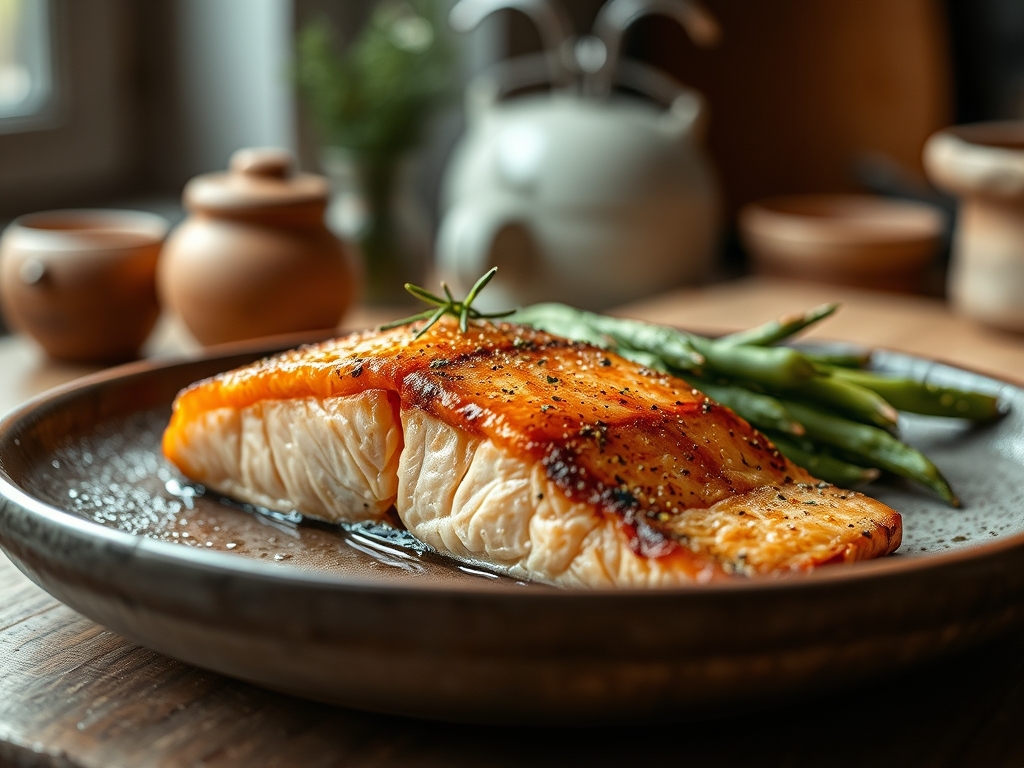
Close your eyes and listen for that specific, aggressive hiss as cold protein meets a scorching heavy-bottomed skillet. That sound is the overture to the perfect meal. When you are hunting for the ultimate wild alaska salmon recipes, you are not just looking for dinner; you are looking for that translucent, butter-soft flake and a skin so crisp it shatters like glass.
Wild salmon is a different beast than its farmed cousins. It is leaner, more muscular, and packed with a complex, mineral-forward profile that demands respect and precision. We are moving beyond the basic "bake and hope" method. Today, we are mastering the thermal dynamics and enzymatic reactions that turn a simple fillet into a five-star centerpiece. Grab your apron and your sharpest chef's knife; we are about to dive deep into the cold, pristine waters of professional seafood preparation.
The Gathers:
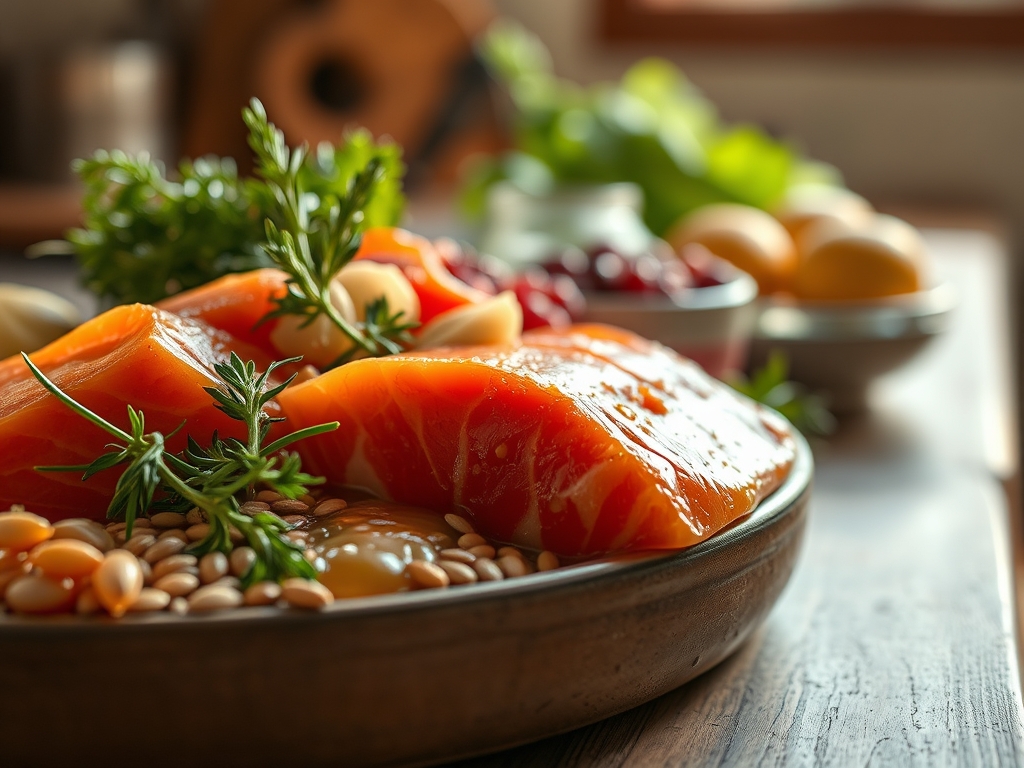
To execute these wild alaska salmon recipes with surgical precision, your mise-en-place must be flawless. Start with 1.5 pounds of Sockeye or King salmon, skin-on. You will need high-smoke-point fats like avocado oil or clarified butter; extra virgin olive oil will smoke and turn acrid before the skin reaches maximum crispness.
For the aromatics, gather fresh dill, flat-leaf parsley, and a single bulb of garlic. You will also need a piquant element to cut through the rich Omega-3 fatty acids; think capers or a bright Meyer lemon. Use a microplane to zest the citrus, ensuring you only capture the oil-rich flavedo and none of the bitter white pith.
Smart Substitutions: If you cannot find fresh dill, use fennel fronds for a similar anise-like aromatic profile. If you are avoiding dairy, replace the butter in the finishing sauce with a high-quality cashew cream to maintain a viscous, luxurious mouthfeel without the lactose.
The Clock
The "Chef's Flow" is all about managing thermal momentum. Your total active time is a brisk 15 minutes, with a total turnaround of 25 minutes.
- Prep (10 minutes): This involves tempering the fish. Taking the chill off the protein prevents the muscle fibers from seizing up and squeezing out moisture when they hit the heat.
- The Sear (6 to 8 minutes): This is where the magic happens. Most of this time is spent skin-side down to render the subcutaneous fat.
- The Rest (4 minutes): This is non-negotiable. It allows the internal juices to redistribute, ensuring the moisture stays in the fish rather than on your plate.
The Masterclass
1. The Desiccant Preparation
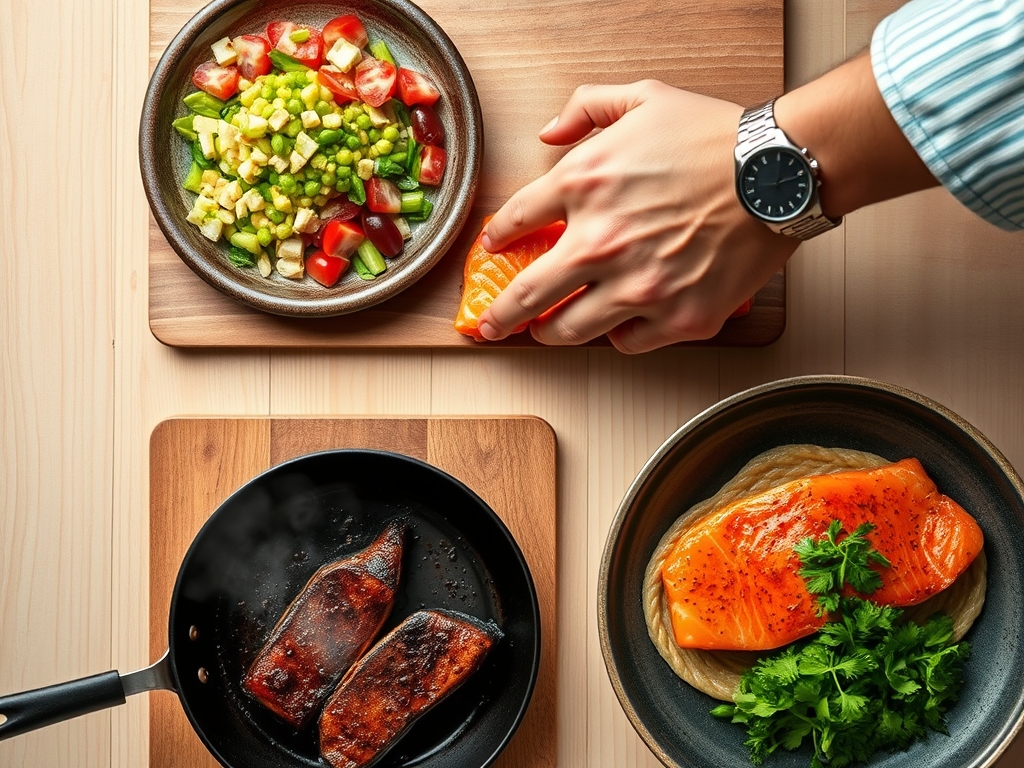
Use a paper towel to pat the salmon bone-dry. Moisture is the enemy of the Maillard reaction. If the surface is damp, the heat of the pan will be wasted evaporating water rather than browning the protein.
Pro Tip: This is known as surface dehydration. By removing moisture, you allow the surface temperature to rise rapidly above 285 degrees Fahrenheit, triggering the chemical reaction between amino acids and reducing sugars that creates deep flavor.
2. The Cold-Start Press
Place your fillets in a cold, heavy-bottomed skillet with a thin layer of oil, then turn the heat to medium-high. Use a flexible fish spatula to press down firmly on the fillets for the first 30 seconds.
Pro Tip: This prevents the "protein curl." When heat hits the skin, collagen fibers contract. Pressing them flat ensures 100 percent surface contact, leading to an even, glass-like crunch across the entire fillet.
3. The Fat Render
Leave the fish alone. Resist the urge to poke or move it. You are waiting for the fat layer between the skin and the flesh to render out, essentially deep-frying the skin in its own natural oils.
Pro Tip: This is lipid rendering. By keeping the heat consistent, you liquefy the fats, which then infuse the meat with flavor while creating a thermal barrier that protects the delicate flesh above from overcooking.
4. The Aromatic Baste
Once the skin is crisp, flip the fish gently. Drop a tablespoon of butter, a smashed garlic clove, and your herbs into the pan. Use a large spoon to continuously drench the salmon in the foaming butter.
Pro Tip: This is called "arroser." The hot butter acts as a basting medium that cooks the top of the fish with gentle, convective heat while infusing the exterior with the fat-soluble compounds of the garlic and herbs.
5. The Carryover Pull
Remove the salmon from the pan when the internal temperature hits 120 degrees Fahrenheit for medium-rare. Place it on a warm plate, skin-side up.
Pro Tip: This accounts for thermal carryover. The residual heat on the surface will continue to travel toward the center, raising the internal temperature by another 5 to 10 degrees while the fish rests.
6. The Deglaze Finish
While the fish rests, add a splash of dry white wine or lemon juice to the hot pan. Use a whisk to scrape up the browned bits (the fond) and emulsify the remaining butter into a piquant sauce.
Pro Tip: This is deglazing. The acidity in the liquid dissolves the caramelized proteins stuck to the pan, incorporating those concentrated flavor molecules back into a silky, cohesive sauce.
The Deep Dive
Macro Nutrition: Wild Alaska salmon is a nutritional titan. A 6-ounce portion delivers roughly 35 grams of high-quality protein and is one of the best sources of astaxanthin, a potent antioxidant that gives the fish its vibrant red hue.
Dietary Swaps: For a Keto-friendly version, serve over a bed of sautéed spinach with extra butter sauce. For a Vegan alternative, use the same searing technique on thick "steaks" of King Oyster mushrooms, which mimic the dense, meaty texture of salmon surprisingly well.
The Fix-It:
- White Stuff Appearing: That is albumin. It means the heat was too high or you overcooked it. Fix: Pull the fish 5 degrees earlier next time.
- Soggy Skin: You likely crowded the pan. Fix: Cook in batches to ensure steam can escape.
- Sticking to the Pan: You tried to flip it too early. Fix: Wait for the protein to naturally release from the metal once the crust has formed.
Meal Prep: To reheat without turning your salmon into a hockey puck, avoid the microwave. Use a "low and slow" approach in a 275-degree oven with a splash of water covered by foil to create a gentle steam chamber.
The Wrap-Up
Mastering wild alaska salmon recipes is a rite of passage for any serious home cook. It is a dance of temperature control and patience. By focusing on the science of the sear and the importance of the rest, you elevate a simple ingredient into a culinary masterpiece. Now, grab your tongs, fire up that skillet, and show that salmon who is boss. Your kitchen is about to smell like a high-end bistro in Juneau.
The Kitchen Table
How do I tell if the salmon is done without a thermometer?
Gently press the side of the fillet with a fork. If the muscle segments (lamellae) begin to separate or flake easily, the collagen has broken down sufficiently and the fish is ready to be pulled from the heat.
Why is my salmon skin not getting crispy?
The most common culprit is excess moisture. Ensure the skin is bone-dry before it hits the oil. Additionally, ensure your pan is hot enough; the oil should be shimmering and just beginning to reach its smoke point.
Can I use frozen wild salmon for these recipes?
Yes, provided you thaw it slowly in the refrigerator for 24 hours. Once thawed, treat it exactly like fresh fish, paying extra attention to patting it dry, as frozen fish often releases more surface moisture.
What is the best pan for searing salmon?
A heavy-bottomed stainless steel or cast iron skillet is ideal. These materials retain heat exceptionally well, preventing the pan temperature from dropping when the cold fish is added, which ensures a consistent and rapid sear.