
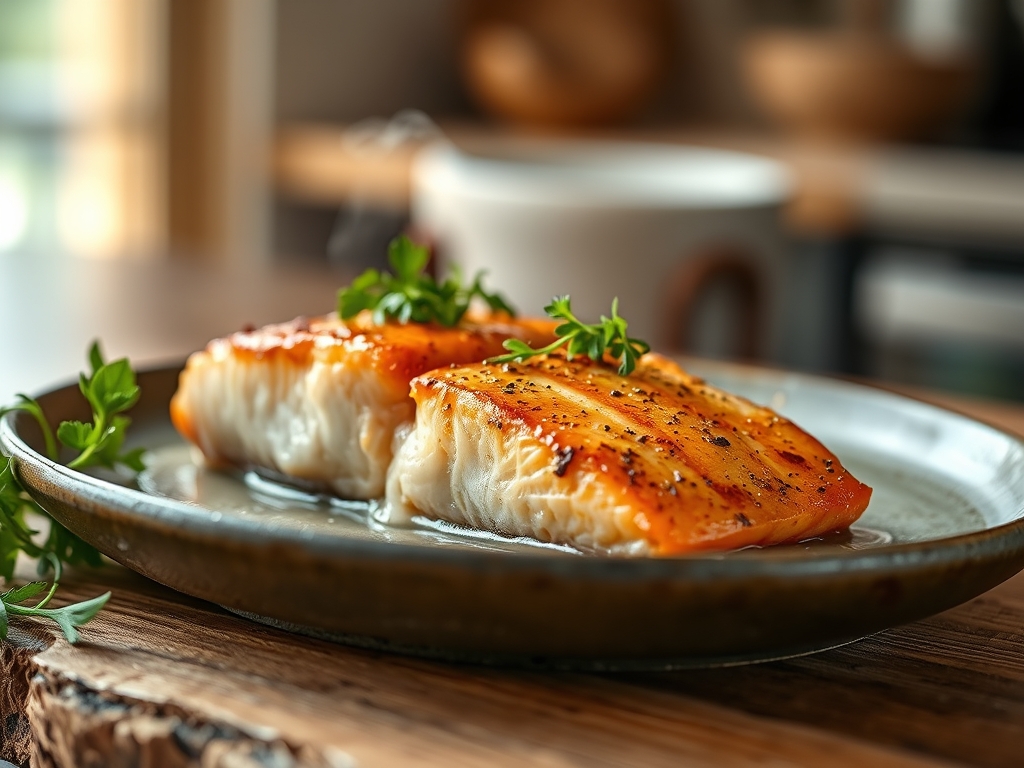
Imagine the first bite of a perfectly cured piece of fish; it is the moment where the salt meets the fat and the world just stops for a second. When you dive into the world of salmon recipes hawaii style, you are not just cooking dinner; you are engaging in a centuries-old dialogue between the volcanic soil of the islands and the cold currents of the Pacific. We are talking about the kind of food that makes your kitchen smell like a tropical breeze mixed with the nutty, toasted aroma of sesame oil and charred skin. Hawaii has a way of taking a global staple like salmon and turning it into something deeply soulful through the lens of poke, lomi, and glaze. Whether we are curing the belly for a refreshing side or searing the fillet to achieve that elusive, glass-like skin, the chemistry remains the same. It is all about managing moisture and maximizing the Maillard reaction. Grab your apron and your sharpest knife; we are about to turn your kitchen into a high-end seaside bistro.
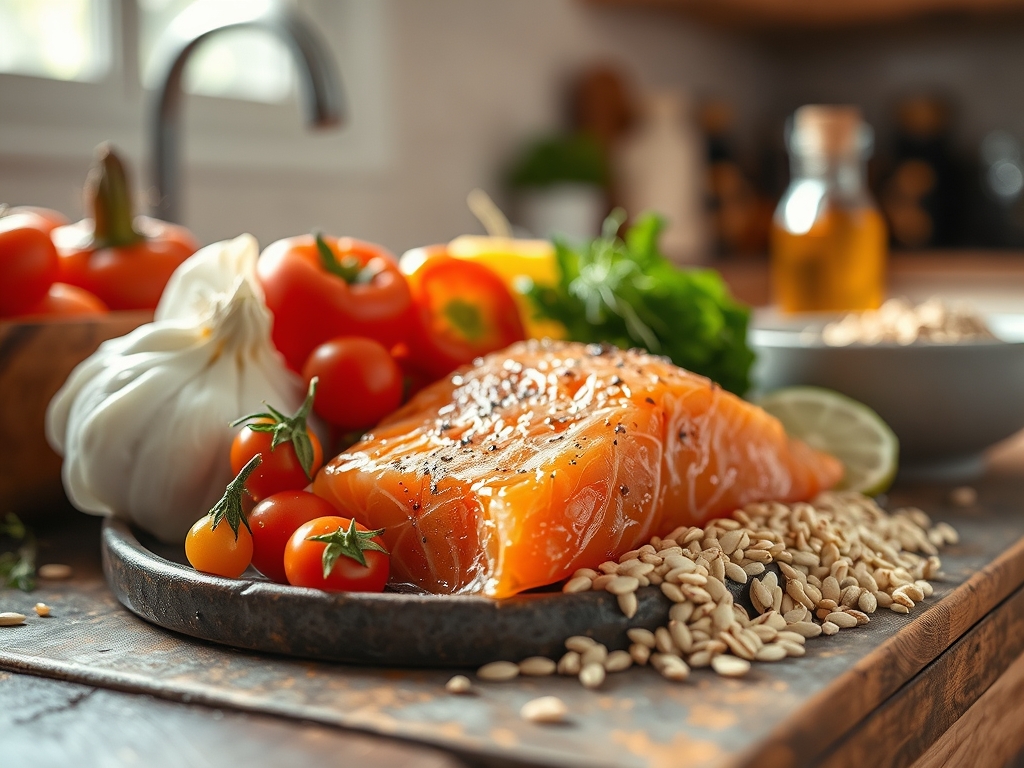
The Gathers:
To master these eight variations, your mise-en-place must be tight and technically sound. Start with the centerpiece: high-quality, sushi-grade Atlantic or King salmon. You want a fish with high intramuscular fat; this ensures the meat remains succulent even when subjected to high heat. You will need a digital scale to measure your dry cure components, as the ratio of Hawaiian sea salt to sugar is the difference between a delicate cure and a salt lick.
On your station, you should have a microplane for zesting fresh ginger and citrus, which releases the essential oils without the bitter pith. Gather your liquids: a high-quality shoyu (soy sauce) for that deep umami, toasted sesame oil for a viscous mouthfeel, and rice vinegar to provide a piquant acidity that cuts through the fatty acids of the fish.
Smart Substitutions: If you cannot find traditional Hawaiian Alaea salt, use a high-quality Maldon sea salt mixed with a pinch of smoked paprika to mimic the earthy mineral notes. For those avoiding soy, coconut aminos offer a similar profile but with a slightly sweeter finish. If fresh Maui onions are out of reach, a soaked red onion provides that necessary crunch without the aggressive bite.
The Clock
Efficiency in the kitchen is about the Chef's Flow. For these salmon recipes hawaii favorites, total active prep time is roughly 25 minutes, while cook times vary from zero (for raw preparations) to 12 minutes for a pan-sear. However, the "hidden" time is in the marination and curing. A proper Lomi Salmon requires at least two hours of chilling to allow the salt to denature the proteins slightly, while a Furikake-crusted bake takes only 15 minutes in a convection environment. Always prep your aromatics first; this allows the flavors of the ginger and garlic to infuse into your oils while you portion the fish.
The Masterclass
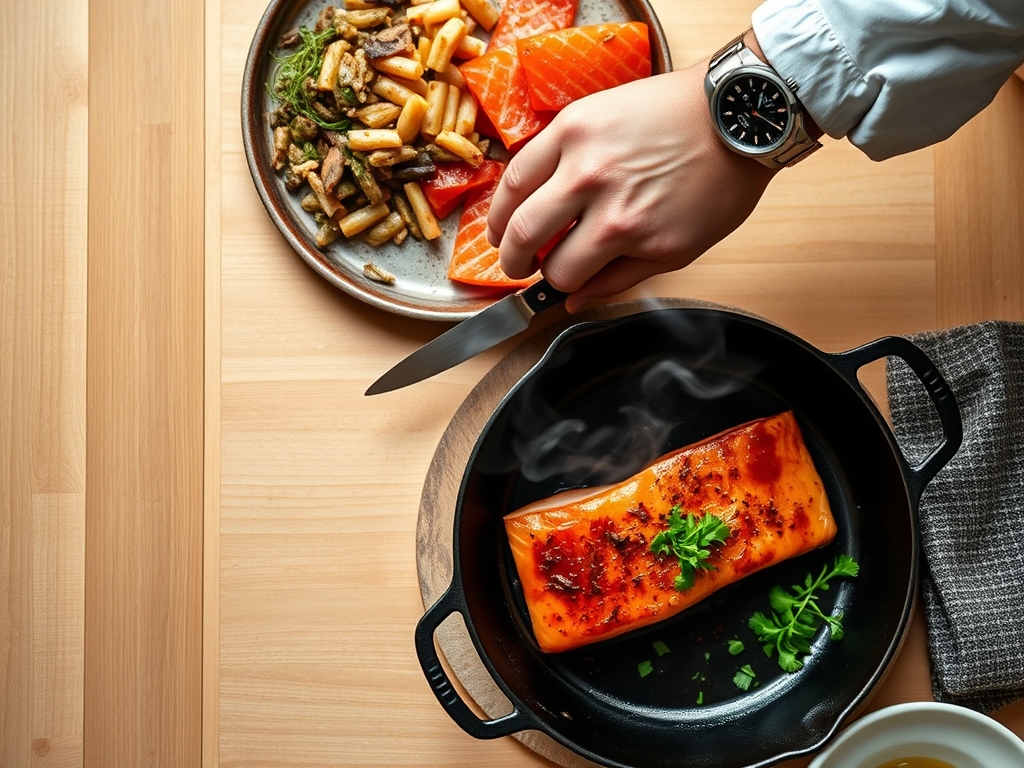
1. The Precision Slice for Poke
Using a long, thin slicing knife, cut the salmon into uniform 1-inch cubes. Uniformity is not just for aesthetics; it ensures that every piece has the same surface area for the marinade to penetrate. Toss the cubes gently in a glass bowl with shoyu, sesame oil, and scallions.
Pro Tip: This is about osmotic pressure. Do not over-marinate raw fish in acidic components like lime juice for more than ten minutes, or the acid will "cook" the protein, turning the texture from buttery to chalky.
2. The Lomi Lomi Cure
Massage the salmon with sea salt and diced tomatoes. The term "lomi" means to massage, and this physical action helps the salt penetrate the cellular walls of the fish, drawing out excess moisture and concentrating the flavor.
Pro Tip: This process utilizes hygroscopy, where the salt attracts water. Always rinse the fish after the initial cure to prevent the final dish from being overly saline.
3. The Maillard Sear
Pat the skin side of your salmon bone-dry with a paper towel. Heat a heavy-bottomed skillet until the oil reaches its smoke point. Lay the fish away from you to avoid splashes and press down firmly with a fish spatula for thirty seconds.
Pro Tip: This prevents the protein fibers from curling. The Maillard reaction occurs between 285 and 330 degrees Fahrenheit, creating those complex, savory flavor compounds and that signature "crunch."
4. The Furikake Crust
Slather the top of the fillet with a thin layer of wasabi aioli before dredging it in furikake (seaweed and sesame seasoning). The aioli acts as a "glue" and a fat barrier, keeping the meat moist while the oven heat toasts the seeds.
Pro Tip: Use an emulsion like mayonnaise because the egg yolks provide a protective layer that prevents the delicate fish proteins from drying out during the bake.
5. Glazing with Precision
During the last two minutes of cooking, use a saucier to reduce a mixture of pineapple juice and shoyu until it is viscous enough to coat the back of a spoon. Brush this over the fish and let it caramelize.
Pro Tip: This is pyrolysis, or the caramelization of sugars. Be careful; sugar burns quickly. Watch for the glaze to bubble into "lazy" bubbles, which indicates the water has evaporated and the syrup is ready.
6. The Cold-Smoke Infusion
For a modern twist, use a handheld smoking gun to trap hickory or mesquite smoke under a glass dome with your plated salmon for three minutes. This adds a layer of complexity without heat.
Pro Tip: Smoke particles are lipophilic, meaning they bind beautifully to the fats in salmon. This creates a deep, woodsy aroma that lingers on the palate.
7. Deglazing the Pan for Sauce
Once the fish is removed, use a splash of sake or white wine to deglaze the skillet. Use a bench scraper or whisk to incorporate those flavorful browned bits (the fond) into a pan sauce.
Pro Tip: The alcohol acts as a solvent, releasing flavor molecules that are not water-soluble, resulting in a more complex and rounded sauce profile.
8. The Resting Period
Transfer the cooked salmon to a warm plate and let it rest for three to five minutes before serving. This allows the internal juices to redistribute.
Pro Tip: Thermal carryover will cause the internal temperature to rise by about 5 degrees after you remove it from the heat. Pull the fish at 125 degrees Fahrenheit for a perfect medium-rare finish.
The Deep Dive
From a nutritional standpoint, salmon is a powerhouse of Omega-3 fatty acids and high-quality protein. A standard 6-ounce portion contains roughly 34 grams of protein and is rich in Vitamin B12.
Dietary Swaps: For a Keto version, swap the sugar in your glazes for monk fruit sweetener. For a Vegan "Salmon" Hawaii style, use parboiled, marinated carrots or king oyster mushrooms; they mimic the texture of fish when sliced thinly and cured with liquid smoke and seaweed.
The Fix-It:
- White Stuff Oozing Out: This is albumin, a protein that escapes when the fish is cooked too fast. Fix: Lower the heat and cook the fish 80 percent of the way on the skin side.
- Soggy Skin: This happens due to residual moisture. Fix: Use the back of a knife to "squeegee" the skin before hitting the pan.
- Mashed Poke: Your knife is dull. Fix: Use a whetstone to sharpen your blade; a clean cut preserves the cellular structure of the fish.
Meal Prep: To reheat salmon without it smelling like a gym locker, use the "Low and Slow" method. Place it in a 275-degree oven with a splash of water and cover with foil. This creates a steam chamber that gently rehydrates the fats without overcooking the core.
The Wrap-Up
Mastering salmon recipes hawaii is about more than just following a list of ingredients; it is about respecting the ingredients and the chemistry that transforms them. From the viscous glazes to the perfectly rendered fats of a seared skin, you now have the technical arsenal to bring the spirit of the islands into your kitchen. Remember, cooking is a tactile science. Listen to the sizzle, watch the color change, and always taste as you go. You have got this!
The Kitchen Table
How do I keep salmon skin from sticking to the pan?
Ensure the pan is hot and the fish skin is bone-dry. Use a high-smoke-point oil and do not attempt to flip the fish until the proteins have naturally released from the surface through the searing process.
Can I use frozen salmon for Hawaii-style poke?
Yes, actually! High-quality frozen salmon is often "sushi-grade" because the deep-freeze process kills parasites. Thaw it slowly in the refrigerator overnight to maintain the best structural integrity for dicing.
What is the best way to store leftover lomi salmon?
Keep it in an airtight glass container for no more than two days. Because it is a cured salad, the tomatoes will release more water over time, so you may need to drain it before serving again.
How do I know when the salmon is perfectly cooked?
The most reliable method is using a digital thermometer. For a buttery, flaky texture, aim for an internal temperature of 125 to 130 degrees Fahrenheit. The center should still be slightly translucent and moist.