
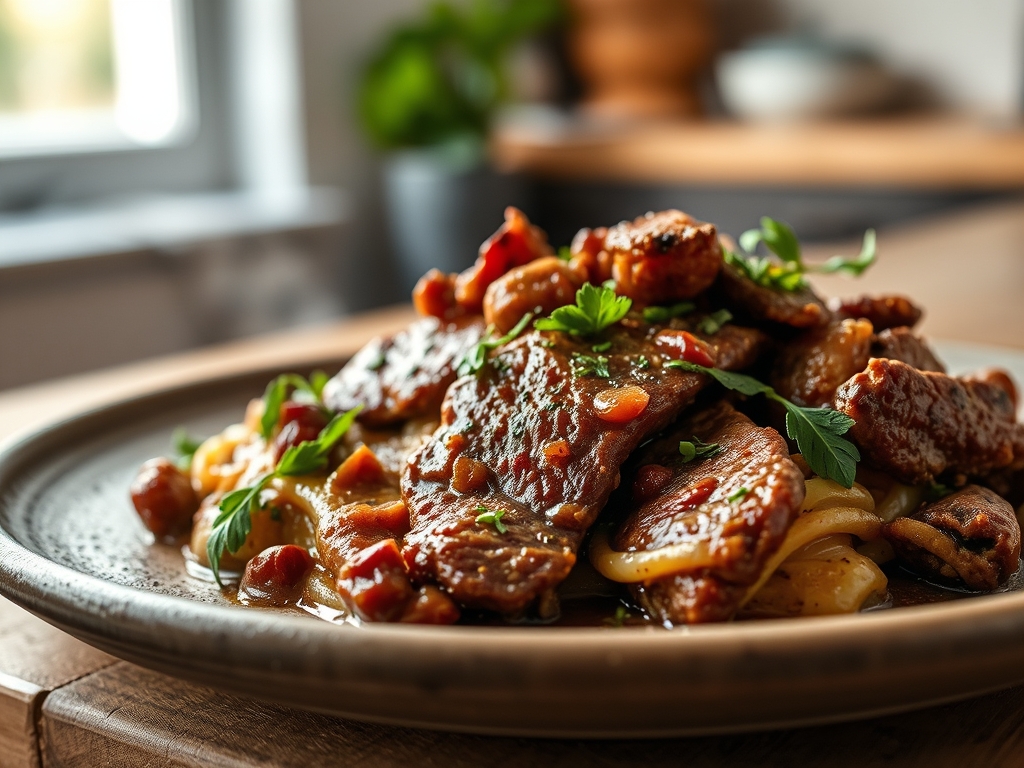
Picture the scene: your kitchen is filled with the scent of slow-simmered garlic, piquant peppers, and the deep, savory aroma of beef fat rendering into a silky jus. We are talking about that specific, soul-warming magic that only happens when protein meets patience. Finding italian beef recipes easy enough for a frantic Tuesday but sophisticated enough for a Saturday dinner party is the ultimate culinary win. It is about more than just tossing meat into a pot; it is about the chemistry of a perfect braise.
The secret to effortless Italian beef lies in the breakdown of connective tissue. When we cook a tough cut like chuck roast at a low, consistent temperature, we are initiating a phase change where tough collagen transforms into gelatin. This creates that luxurious, mouth-coating texture we crave. Whether you are piling it onto a crusty roll or serving it over a bed of creamy polenta, these eight variations utilize the same foundational science to ensure every bite is a masterpiece of flavor and tenderness. Let us get into the grit of how to make your kitchen the best sandwich shop in the city.
The Gathers:
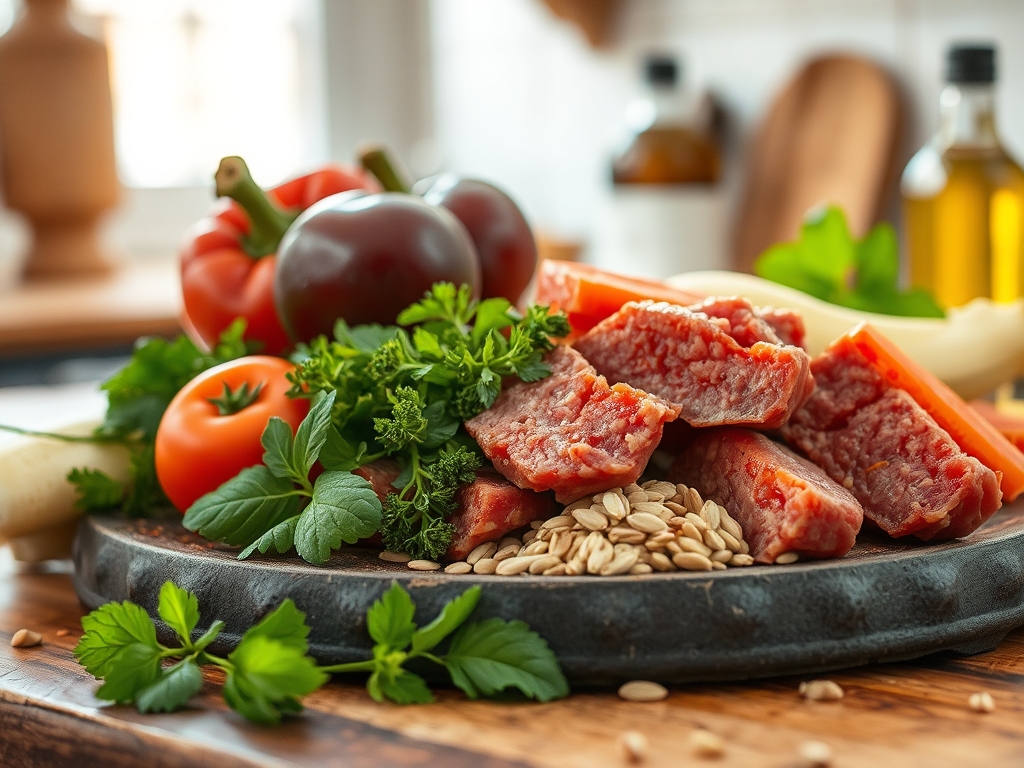
To execute these italian beef recipes easy style, your mise-en-place must be precise. Start with a high-quality chuck roast, ideally between three and four pounds. This cut is prized for its intramuscular fat, which will render during the long cook time to keep the meat moist. You will need a heavy-bottomed skillet for the initial sear and a digital scale to ensure your spice ratios are consistent.
Your pantry staples should include high-quality beef stock, a jar of spicy giardiniera (the vinegar provides a necessary acid hit to cut through the fat), and a blend of dried oregano, basil, and red pepper flakes. Use a microplane to grate fresh garlic into a paste; this increases the surface area and allows the volatile oils to infuse the liquid more effectively.
Smart Substitutions: If you cannot find a traditional chuck, a bottom round roast works, though it has less fat and may require a shorter cook time to avoid becoming stringy. For a lighter version, try turkey thighs, which have enough connective tissue to mimic the beefy texture. If you are out of giardiniera, a mix of pickled banana peppers and a splash of red wine vinegar will provide that essential piquant finish.
The Clock
The "Chef's Flow" is all about maximizing efficiency while the heat does the heavy lifting. Total active prep time is roughly twenty minutes, while the passive cooking time ranges from four to eight hours depending on your heat source.
If you use a slow cooker, set it for eight hours on low to allow for maximum collagen conversion. If you are using a pressure cooker, you can achieve similar results in about ninety minutes. The "Flow" involves searing the meat first, then deglazing the pan while the meat rests, and finally combining everything for the long simmer. This sequence ensures you are never rushing the Maillard reaction, which is the foundation of the dish's deep color and complex flavor profile.
The Masterclass
1. The Hard Sear
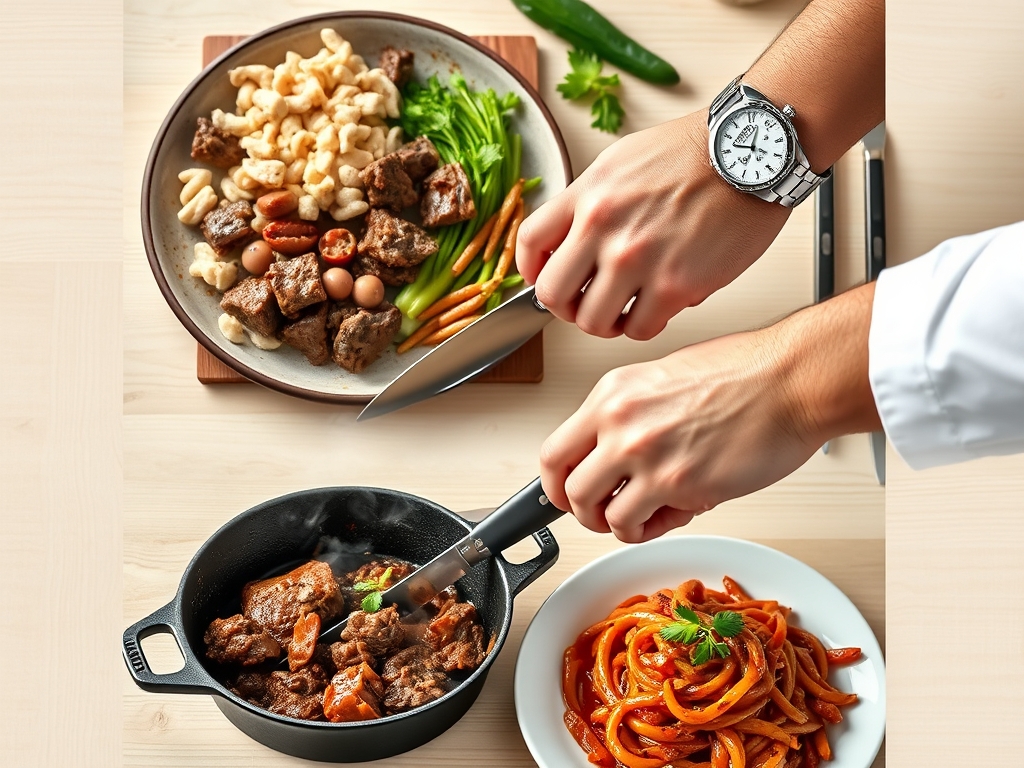
Pat your beef dry with paper towels to remove surface moisture. Heat a heavy-bottomed skillet with a high-smoke-point oil until it shimmers. Use tongs to press the meat into the pan, searing each side for three to four minutes until a dark brown crust forms.
Pro Tip: This is the Maillard reaction in action. Moisture is the enemy of browning; by drying the surface, you ensure the heat goes toward browning the proteins rather than steaming them.
2. Deglaze the Fond
After removing the meat, you will see dark bits stuck to the pan. This is called fond. Pour in a splash of beef stock or red wine and use a bench scraper or wooden spoon to lift those bits.
Pro Tip: Deglazing captures the concentrated flavor compounds created during searing. This liquid is liquid gold and adds an incredible depth of umami to your final jus.
3. The Low and Slow Infusion
Place the beef in your vessel and cover it halfway with a mixture of stock, garlic, and herbs. Ensure the liquid is viscous enough to coat the meat but not so thick that it burns.
Pro Tip: Keeping the meat partially submerged allows for a combination of braising and steaming. This prevents the top of the roast from drying out while the bottom absorbs the flavored liquid.
4. The Shred and Rest
Once the meat reaches an internal temperature of about 205 degrees Fahrenheit, remove it from the heat. Let it rest for fifteen minutes before using two forks to shred it into large, succulent chunks.
Pro Tip: Resting allows for thermal carryover, where the internal temperature continues to rise slightly, and the muscle fibers relax, reabsorbing the juices so they do not spill out onto the cutting board.
The Deep Dive
From a nutritional standpoint, Italian beef is a protein powerhouse. A standard serving contains roughly 35 grams of protein and 15 grams of fat. To keep it Keto-friendly, serve the beef in a bowl with extra peppers and skip the bread. For a Gluten-Free version, ensure your beef stock is certified GF and serve over roasted potatoes. If you are looking for a Vegan swap, use king oyster mushrooms; their fibrous texture mimics shredded beef perfectly when roasted and shredded.
The Fix-It:
- Tough Meat: If the beef is still chewy, it simply hasn't cooked long enough. Put it back in for another thirty minutes. The collagen needs time to fully melt.
- Greasy Jus: If the liquid is too oily, use a fat separator or chill the liquid so the fat solidifies on top for easy removal.
- Bland Flavor: This usually means you need more acid. Add a tablespoon of red wine vinegar or more giardiniera juice to brighten the profile.
Meal Prep: To maintain "day-one" quality, store the beef in its own juices. When reheating, do so gently in a saucier over low heat. This prevents the proteins from tightening up and becoming rubbery, which happens in the high-intensity heat of a microwave.
The Wrap-Up
Mastering these italian beef recipes easy techniques transforms your kitchen into a hub of high-end comfort food. By understanding the science of the sear and the patience of the braise, you have unlocked a repertoire of eight different meals from one single method. Go forth and feed your people with confidence; you have the tools, the tech, and the taste to make it legendary.
The Kitchen Table
What is the best cut for Italian beef?
The chuck roast is superior due to its high collagen and fat content. As it cooks, the collagen melts into gelatin, creating a tender, moist texture that leaner cuts like sirloin simply cannot replicate in a slow braise.
Can I make this in a pressure cooker?
Yes, use the "Manual" or "Pressure Cook" setting for 60 to 90 minutes. The high pressure raises the boiling point of water, which accelerates the breakdown of tough connective tissues much faster than traditional simmering.
How do I make the jus thicker?
For a more viscous sauce, simmer the liquid in a wide pan after removing the meat. This evaporates excess water, concentrating the flavors and natural gelatins. Alternatively, whisk in a small amount of butter for a glossy finish.
Why is my beef dry after shredding?
Beef dries out if it is shredded while too hot or if it lacks enough cooking liquid. Always let the meat rest before shredding and store it submerged in its natural jus to maintain hydration through osmosis.