
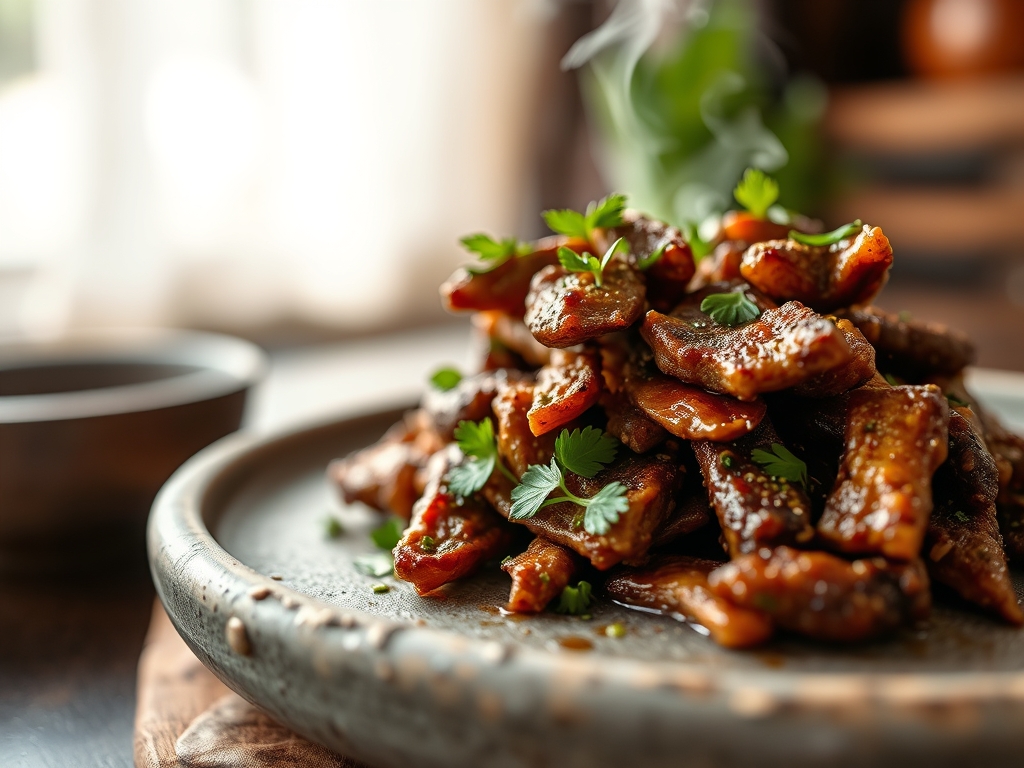
Close your eyes and listen to that sound. It is the distinct, rhythmic shatter of a perfectly caramelized crust giving way to a tender, succulent interior. We have all been there; you order a plate of ginger beef or a spicy Szechuan stir-fry, expecting a crunch that echoes, only to be met with a soggy, lackluster strip of protein. It is a culinary tragedy. If you have spent your nights searching for the ultimate crispy beef recipes, you are likely chasing that elusive balance of moisture retention and exterior dehydration. Achieving this at home is not a matter of luck; it is a rigorous application of molecular physics and thermal management. We are moving beyond basic frying. We are diving into the world of alkaline marinades, starch retrogradation, and the Maillard reaction. By the time we are finished, your kitchen will smell like a high-end bistro, and your beef will have a structural integrity that defies even the most viscous of sauces. Let us stop settling for "good enough" and start engineering the perfect crunch.
The Gathers:
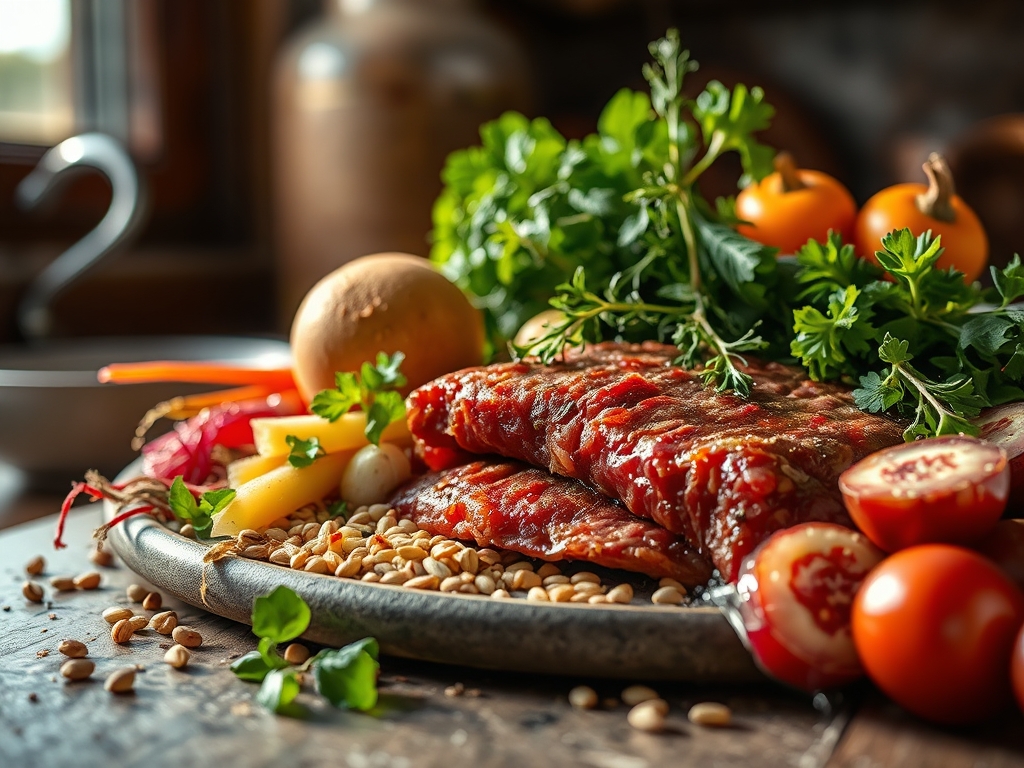
To master these crispy beef recipes, your mise-en-place must be precise. We start with the protein. You want a cut with long fibers and minimal intramuscular fat for the best surface-to-volume ratio; flank steak or top round are the gold standards here. You will need a digital scale to measure your starches, as volume is too variable for this level of chemistry.
Your dry station should feature cornstarch or potato starch. Potato starch has a larger granule size and a lower amylose content, which often results in a more dramatic, glass-like crunch. For the marinade, gather high-quality soy sauce, toasted sesame oil, and a pinch of baking soda. The baking soda is our secret weapon; it raises the pH of the meat, hindering the proteins from bonding too tightly and ensuring the beef stays tender while the outside hardens.
Smart Substitutions: If you are avoiding corn products, arrowroot powder is an excellent alternative that provides a high-gloss finish. For a soy-free piquant kick, coconut aminos offer a similar depth without the gluten. If you lack a saucier for your glaze, a heavy-bottomed skillet will suffice, provided you monitor the reduction closely to prevent scorching the sugars.
The Clock
Efficiency in the kitchen is about "Chef's Flow." This is the art of overlapping tasks so that no heat is wasted and no ingredient sits idle. For these crispy beef recipes, your active prep time is approximately 20 minutes. This includes the precision slicing of the beef against the grain, which is essential for breaking up tough connective tissue.
The "passive" time is where the magic happens. You must allow the beef to marinate for at least 30 minutes. This gives the alkaline agents time to denature the surface proteins. The actual frying process is lightning fast, taking only 3 to 5 minutes per batch. Total time from fridge to table is roughly 55 minutes. If you rush the marination or the oil recovery time between batches, you risk a greasy finish. Respect the clock, and the clock will reward you with texture.
The Masterclass
1. The Precision Slice
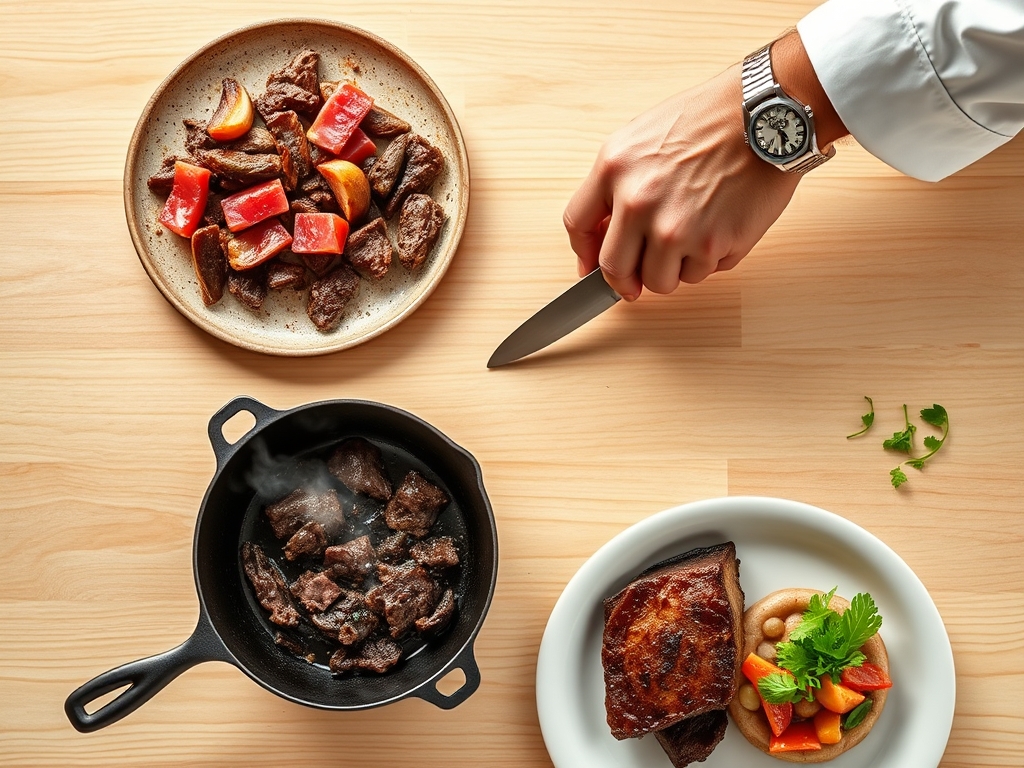
Using a sharp chef knife, slice your beef into thin, uniform strips against the grain. If the meat is too soft to slice thinly, pop it in the freezer for 15 minutes to firm up the lipids.
Pro Tip: Slicing against the grain shortens the muscle fibers. This reduces the mechanical work your teeth have to do, making the meat feel "melt-in-your-mouth" tender despite the high-heat frying.
2. The Alkaline Bath
Whisk together your soy sauce, aromatics, and baking soda. Toss the beef in this mixture and let it rest. You will notice the meat becomes slightly tacky; this is the protein structure changing.
Pro Tip: This is known as "velveting." The baking soda prevents the proteins from recoiling and squeezing out moisture when they hit the hot oil, ensuring a juicy interior.
3. The Starch Aeration
Dredge each piece of beef individually in your starch. Do not just dump it in. Use a bench scraper to toss the meat and ensure every nook and cranny is coated. Shake off the excess.
Pro Tip: Excess starch creates "clumps" that fall off in the oil. A thin, even layer allows for a more uniform Maillard reaction, which is the chemical reaction between amino acids and reducing sugars that creates savory flavor.
4. The First Pass Fry
Heat your oil in a heavy-bottomed skillet or wok until it reaches 350 degrees Fahrenheit. Fry the beef in small batches until it is just golden. Use tongs to keep the pieces separated.
Pro Tip: This first fry is about setting the structure and cooking the meat through. We are not looking for the final crunch yet; we are dehydrating the surface.
5. The Double-Fry Technique
Remove the beef and let the oil temperature climb to 375 degrees. Flash-fry the beef a second time for 60 seconds until it turns a deep, mahogany brown.
Pro Tip: The second fry evaporates any residual moisture that migrated from the center of the meat to the crust during the resting phase. This is the secret to long-lasting crispness.
6. The Glaze Reduction
In a separate saucier, combine your sauce ingredients. Bring to a simmer until the liquid becomes viscous and coats the back of a spoon. Use a microplane to grate in fresh ginger and garlic at the very end.
Pro Tip: Adding aromatics at the end preserves their volatile oils, which provide the "bright" top notes that balance the heavy, fried flavors of the beef.
7. The Final Toss
Add the crispy beef to the sauce and toss rapidly over high heat. You want to coat the beef, not soak it. Work quickly to maintain the structural integrity of the crust.
Pro Tip: This is "enzymatic browning" in reverse. We are using the residual heat to caramelize the sugars in the sauce directly onto the starch crust, creating a candy-like shell.
The Deep Dive
When we look at the macro nutrition of these crispy beef recipes, we are looking at a high-protein, moderate-fat profile. A standard serving provides roughly 30 grams of protein. To keep it Keto-friendly, swap the starch for unflavored whey protein isolate or crushed pork rinds. For a vegan twist, king oyster mushrooms sliced thinly mimic the texture of beef surprisingly well when subjected to the double-fry method.
The Fix-It:
If your beef is "chewy," you likely sliced with the grain instead of against it. If the coating is "falling off," your oil temperature was too low, causing the starch to absorb oil rather than sear. If the beef is "too salty," your sauce reduction went too far; add a splash of water or rice vinegar to balance the sodium concentration.
Meal Prep:
To reheat and maintain "day-one" quality, avoid the microwave at all costs. The microwave agitates water molecules, which will steam the crust from the inside out, resulting in a soggy mess. Instead, use an air fryer at 375 degrees for 3 minutes or a dry skillet over medium-high heat to re-dehydrate the exterior.
The Wrap-Up
Mastering the art of the crunch is a rite of passage for any serious home cook. By understanding the interplay between pH levels, starch types, and thermal recovery, you have graduated from simple frying to culinary engineering. These crispy beef recipes are not just meals; they are a showcase of texture and technique. Now, grab your tongs, fire up that skillet, and go create something that shatters. Your dinner guests will thank you, and your taste buds will never forgive you for settling for soggy beef again.
The Kitchen Table
What is the best oil for frying crispy beef?
Use oils with a high smoke point, such as peanut, canola, or grapeseed oil. These can withstand the 375-degree temperatures required for the double-fry method without breaking down or imparting "off" flavors to your beef strips.
Can I make crispy beef in an air fryer?
Yes. Spray the starched beef generously with oil and air fry at 400 degrees, shaking the basket frequently. While it lacks the deep richness of traditional frying, it still produces a respectable, glass-like crunch with significantly less fat.
Why is my crispy beef soggy after adding sauce?
You likely used too much sauce or simmered it for too long. The goal is to "glaze" the beef. Ensure your sauce is thick and syrupy before adding the meat, then toss for no more than thirty seconds.
Does the cut of beef really matter?
Absolutely. Leaner cuts like flank or sirloin are best because they have less fat to render out. Excessive fat can soften the starch coating from the inside, ruining the structural integrity of your crispy beef recipes.